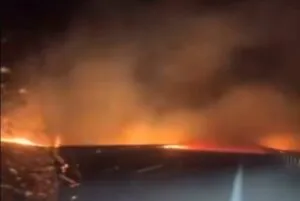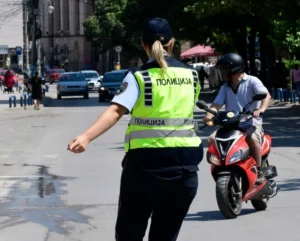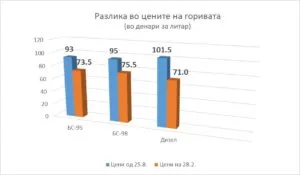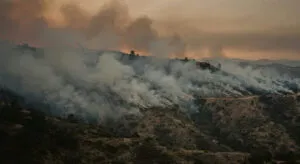
Skopje Breathed Smoke From Two Mountains: 21 Fires in One Day, and Vodno Was Clean
25.08.2026


25.08.2026

24.08.2026

23.08.2026

25.08.2026

25.08.2026

24.08.2026

25.08.2026

25.08.2026

25.08.2026

25.08.2026

24.08.2026

23.08.2026

25.08.2026

25.08.2026
25.08.2026

25.08.2026

25.08.2026

25.08.2026

09.03.2026

27.02.2026

19.02.2026

23.04.2026

23.04.2026

12.04.2026
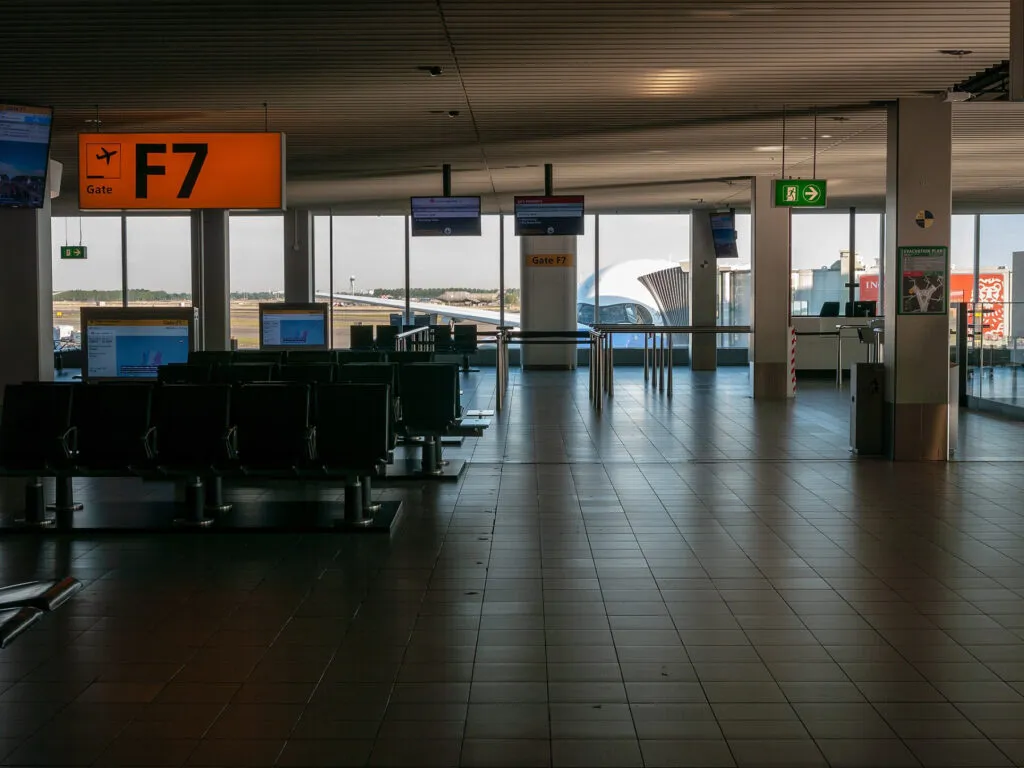
Almost every story about an expensive flight does not begin on the plane. It begins at the desk, when the agent drops the suitcase into the metal frame and says it does not fit. That is when the ticket price that looked like a bargain turns into something else entirely.
The most common mistake is also the simplest: the passenger assumes cabin baggage is included in the price. With low-cost carriers it usually is not. The ticket covers only a small personal bag that goes under the seat - a backpack, a handbag, a small holdall. The wheeled suitcase, the one that goes in the overhead locker, is paid for separately, and the dimensions differ from airline to airline. Which is why the conditions get read before buying, not before boarding.
The hours nobody counts
The second mistake is check-in. Every airline has its own window - from thirty days to twenty-four hours before departure. Online check-in is not a formality: it is the moment you pick a seat and stand a chance of sitting next to the person you are travelling with. Whoever waits until the airport loses the choice and risks a problem with documents.
Arrival is similar. The recommendation is two to four hours ahead, depending on the destination. That is not an exaggeration - it is the sum of security queues, passport control for flights outside Schengen, the distance to the terminal and a possible gate change. And bag drop has its own deadline that closes before departure itself.
A passport that is valid, but not valid enough
Documents are where entire holidays get lost. The name on the ticket must match the name in the passport - letter for letter. The passport must be valid, but many countries require another three to six months of validity beyond the travel date. If the passport has been renewed, electronic authorisations tied to the old one stop working. Children require their own documentation too, as do countries you are only passing through.
The boarding pass is downloaded at home and kept both on the phone and on paper. Batteries die, apps sulk, airport internet is not a promise. Some airports also require validation at the desk.
What must not go in the checked bag
Medication, lithium batteries and one spare set of clothes go in the cabin bag. Not because of a rule, but because a checked bag can be delayed or lost, and then you are left without exactly what you need most.
Terminals get checked, especially for cities with several airports - London has five, Paris three. The return flight can well depart from a different terminal than the one you landed at. And on connections: if both flights are on the same booking, the airline must rebook you when there is a delay. If they were bought separately, nobody owes you anything. A minimum of an hour and a half for a connection within Schengen, an hour and a half to two for an international one.
Insurance is the last item and the one skipped most easily. In the US and Canada the European health card is worth nothing, and the bills there are written in four figures. The same goes for Japan. For long trips with connections, for skiing and diving, and for expensive non-refundable bookings.
Ten items, none of them complicated. All of them are solved in half an hour before the ticket is paid for. The question is why we never have that half hour, yet somehow always find the three hours at the airport.
The latest 10 news from this category
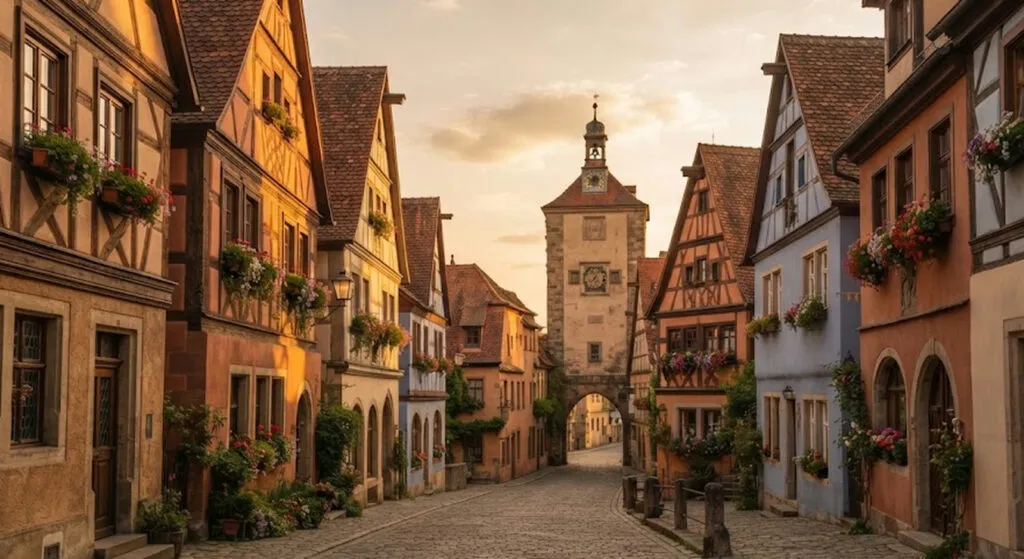
Rothenburg ob der Tauber kept the street layout of six hundred years ago, and the wall around it runs four...

A thousand kilometres out into the Pacific, 13 large islands and species that exist nowhere else. The strict rules there...

A 12th-century castle, a museum with 17,000 objects and surfers in the river in the middle of town. Thun is...
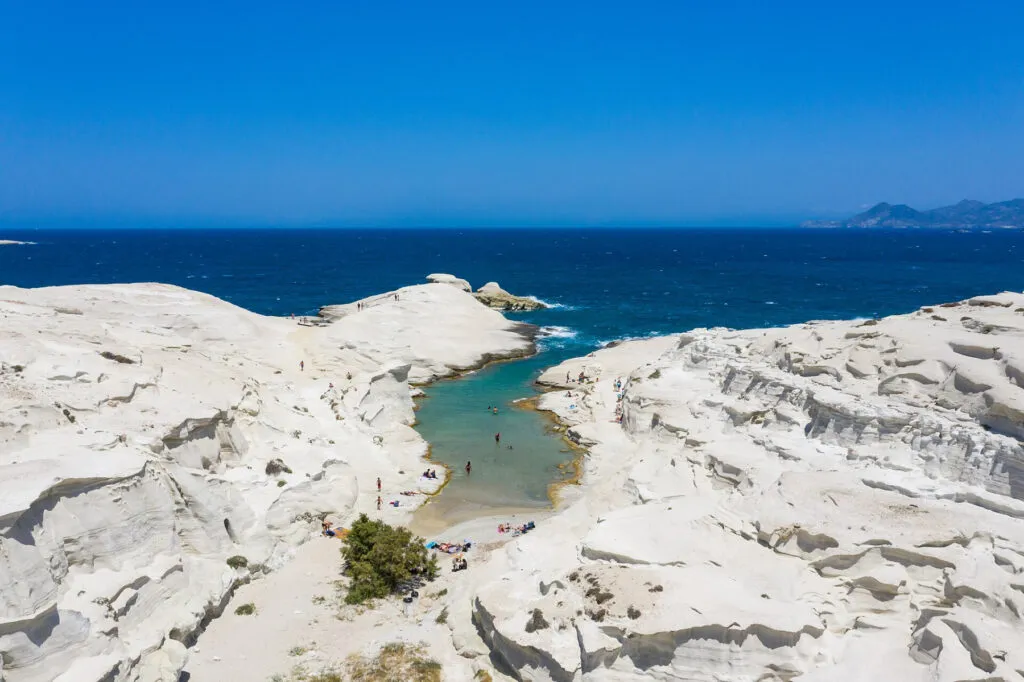
White rock polished as if it were poured, sea in a colour that looks overdone, and a statue the whole...
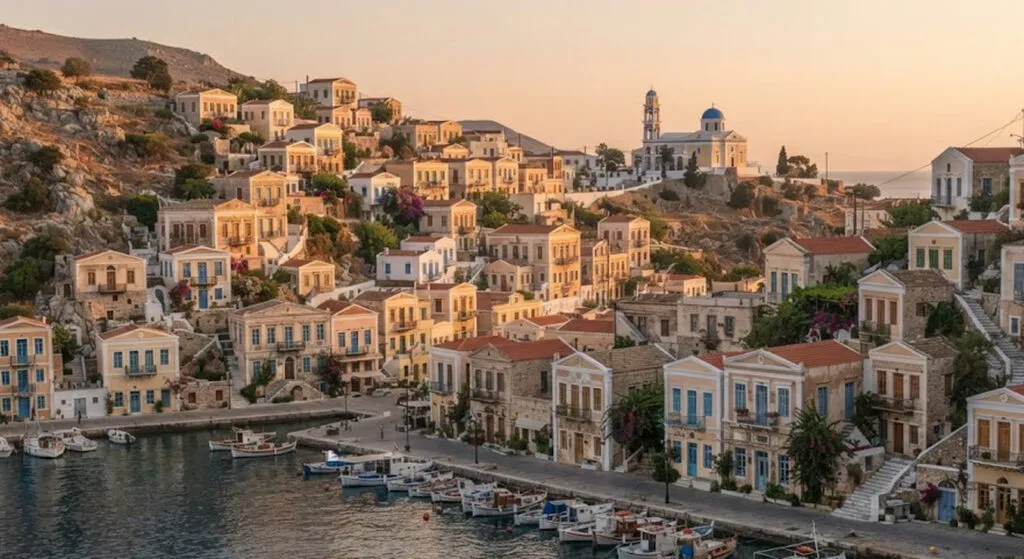
Syros has no windmills to photograph. It has neoclassical facades, a Venetian labyrinth built against pirates, and a life that...
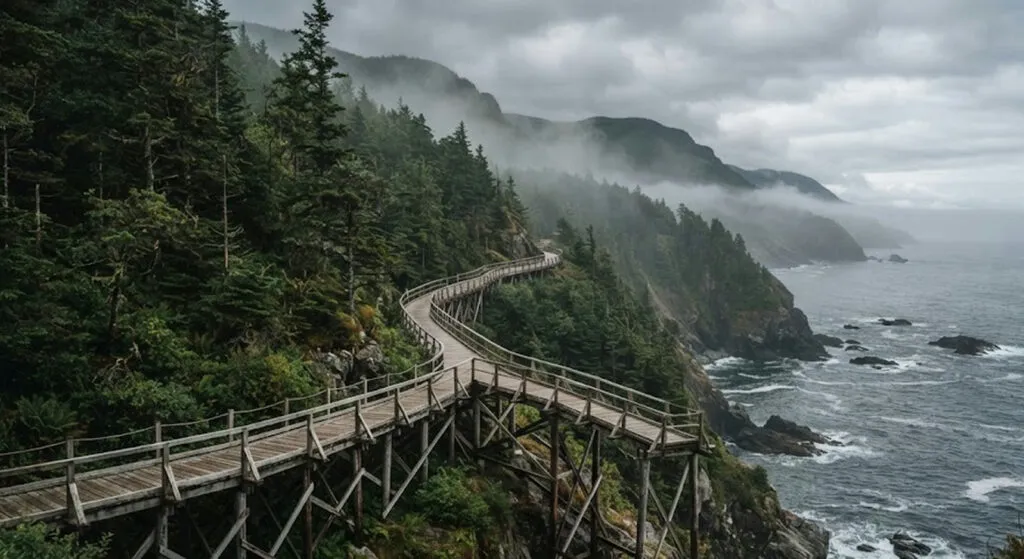
The only waterfall in Europe that falls straight into the sea, a dune more than a kilometre long, and a...
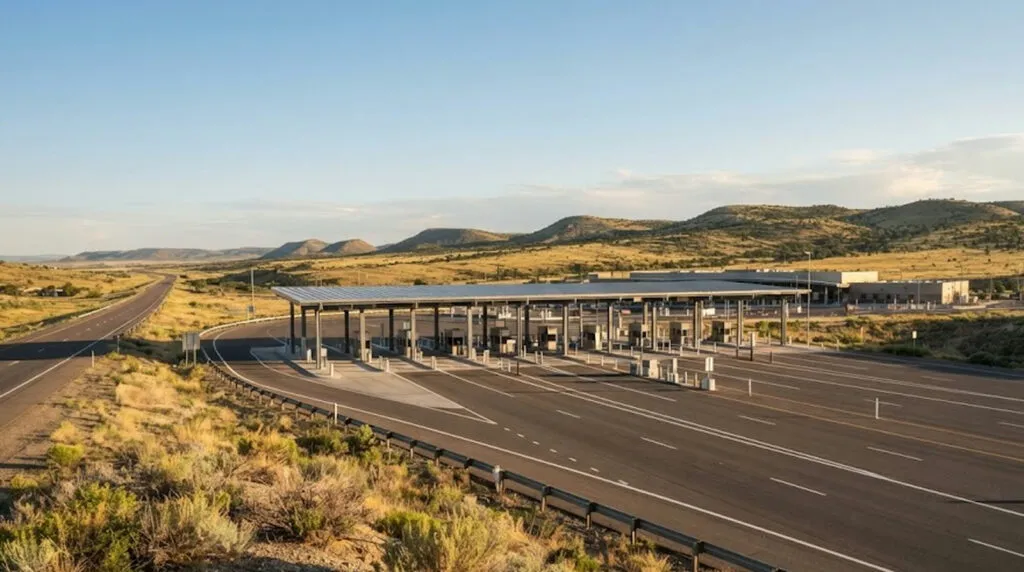
In the same hour on 18 August, the gap between the three exits to Greece was more than an hour...

At low tide you walk to the sand. At high tide you either wade the channels with your things over...
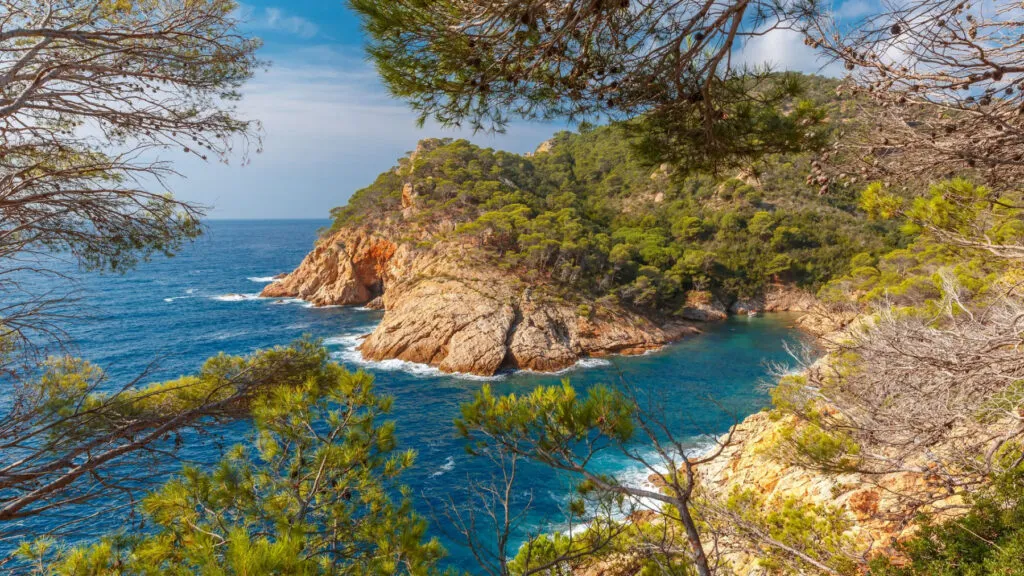
A coastline where the pine forest comes down to the water still looks like itself - but only for those...

Twenty kilometres from the Tunisian capital, the most photographed village in the country. The aesthetic the world now protects was...
This site uses cookies - is that okay? Learn more
Be the first to know when Metla launches something new
Leave your email and we will write when there is a new guide or something new on Metla.