
"Crime as a service" with call centres in Macedonia too: over 4 million euros in damage, victims in 50 countries
04.11.2026


04.11.2026

04.11.2026

04.11.2026

04.11.2026

04.11.2026

04.11.2026

04.11.2026

03.11.2026

03.11.2026

04.11.2026

04.11.2026

03.11.2026

04.11.2026

04.11.2026

04.11.2026

04.11.2026

03.11.2026

02.11.2026

04.11.2026

04.11.2026

04.11.2026

04.11.2026

04.11.2026

03.11.2026

04.11.2026

03.11.2026

02.11.2026

23.04.2026

23.04.2026

12.04.2026
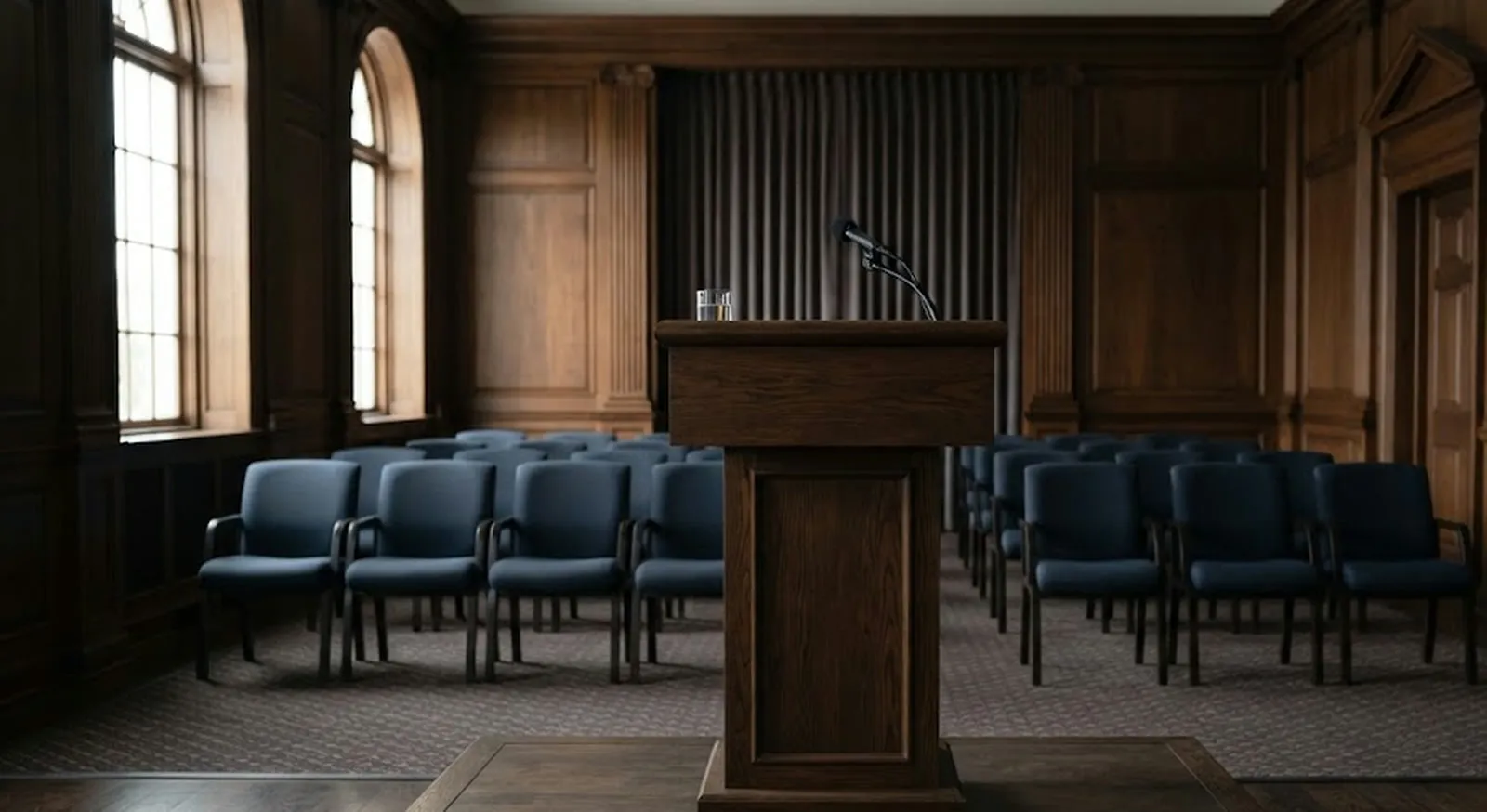
Donald Trump has announced the creation of a new federal body called AI Force, meant to oversee the development of artificial intelligence in the US - modelled on the Space Force he founded in his first term. The way he announced it says more than the decision itself.
"We will in no way hinder or stifle the growth of this incredible industry," Trump said, rejecting calls for stricter regulation of advanced AI systems. The body will be led by an official already being called the "AI czar", and Trump added that "only individuals with a high IQ may apply".
A regulatory body that announces in advance that it will not regulate. That is not oversight - that is a public relations office with a budget and a stamp.
Trump presents artificial intelligence as an economic and geopolitical opportunity and claims it could reach up to 25 percent of American gross domestic product. For that figure he gave neither a deadline nor a source. He also had a message about the race with Beijing: "We are ahead of China and ahead of the rest of the world."
It is worth recalling that he already had someone for this field - the investor David Sacks served as adviser on artificial intelligence and cryptocurrencies, but that post expired in March 2026. So the new body is not filling a gap that never existed; it is restoring the same role under a louder name.
For a reader here the question is not whether Washington will regulate. The AI rules that will reach us come from Brussels, not Washington, and they arrive as an obligation rather than a choice. When the two largest powers compete over who can impose fewer restrictions, small markets do not get to decide - they get a finished product and a legal text translated from abroad.
The latest 10 news from this category
Geoffrey Hinton isn't afraid of robots, he's afraid of the dark: power grids and banks down for days. And he...

The most popular AI companions have 220 million downloads, and many of them aim squarely at younger users. Apple now...

Half a metre of plastic, printed in orbit. Sounds modest, but the whole space industry keeps hitting one limit: everything...

Designed by the man who drew the iPhone, mocked at its premiere, sold out before the first delivery. When the...
Deeper in its IPO prospectus, in the risk section, Anthropic wrote that the development of the company's models may soon...

The Bundestag is counting potentially hacked phones, and Berlin won't say whether Merz was a target. The irony: German police...
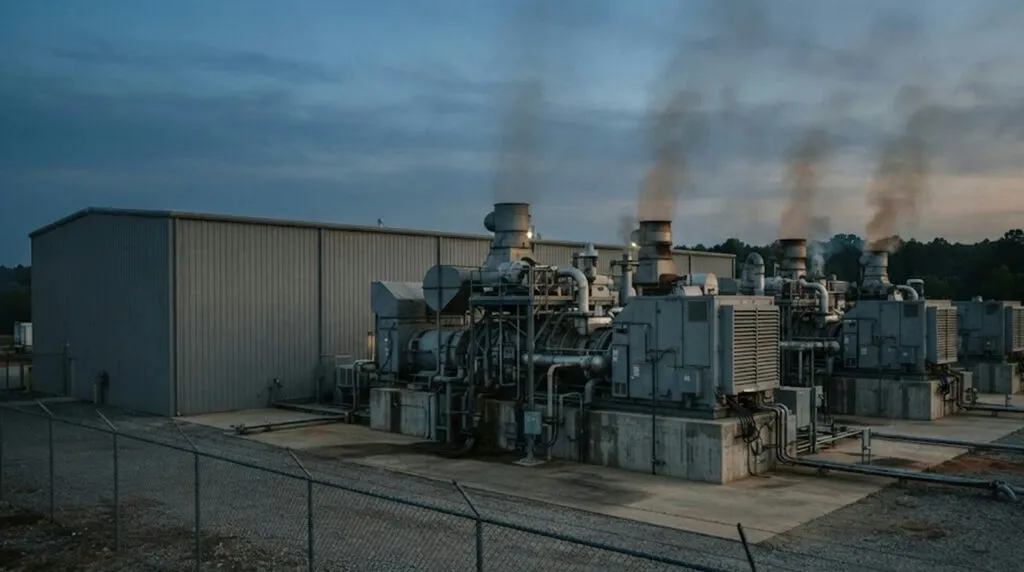
The SpaceX-owned company also argued citizens have no right to sue over the air they breathe. The court disagreed, and...

The model of China's WeChat is now being built by an app in mostly American hands. Whoever decides where you...

Google is paying for AI that eats its search earnings, Amazon burned through 42 billion dollars more cash than it...

The researcher who found the hole had nowhere to report it, so he turned to journalists. The company now says...
This site uses cookies - is that okay? Learn more
Be the first to know when Metla launches something new
Leave your email and we'll write to you when there's a new guide or something new on Metla.