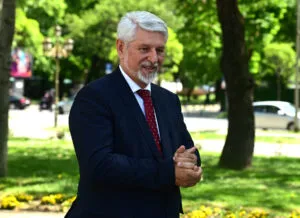
A New Criminal Complaint Against Jakimovski: A Building Permit Based on a Plan Struck Down Back in 2018
16.09.2026


16.09.2026
16.09.2026

16.09.2026
16.09.2026
16.09.2026

16.09.2026
16.09.2026

15.09.2026

14.09.2026

16.09.2026
16.09.2026

15.09.2026

16.09.2026

15.09.2026

14.09.2026

16.09.2026

16.09.2026

16.09.2026

16.09.2026

15.09.2026
15.09.2026

09.03.2026

27.02.2026

19.02.2026
16.09.2026

15.09.2026

14.09.2026

23.04.2026

23.04.2026

12.04.2026

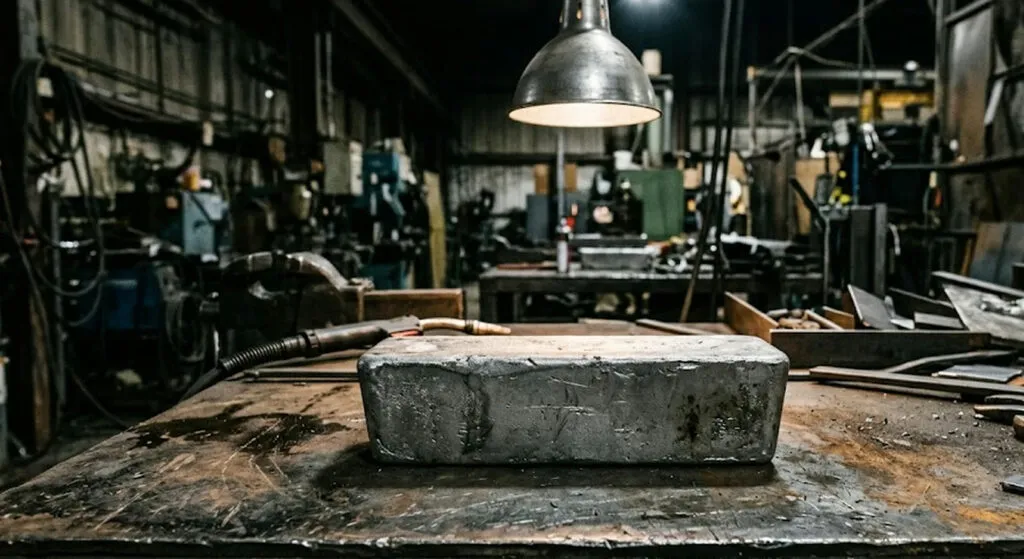
Donald Trump has managed to get hold of 13.5 kilograms of highly enriched uranium. Not from Iran - from Venezuela. A joint operation between Britain and the Venezuelan authorities extracted the material from an old research reactor near Caracas, and transported it "safely by land and sea from South to North America," the International Atomic Energy Agency announced.
The contrast is striking. Trump has spent months trying to get hold of around 408 kilograms of highly enriched uranium from Iran - so far without success. Iran is not budging, the talks are stuck at the point where Tehran isn't willing to hand over its last card, and Washington isn't willing to offer enough to buy it. Venezuela, by contrast, opened up.
The credit goes to a political U-turn that happened in January. Trump made a decision on Nicolás Maduro that opened the door to a renewal of diplomatic relations between the US and Venezuela. The result - American energy and mining companies once again have access to Venezuelan resources. And Venezuela, remember, sits on the largest proven oil reserves in the world.
Some of it is a swap. Venezuela gives up uranium, the US grants market access. Some of it is political theatre - showing Iran that even its neighbours and adversaries in opposite geopolitical blocs can find a road to Washington. The question Balkan analysts are asking: who's next? Whichever country prefers American diplomatic licences to Russian or Iranian ones, and pays in whatever currency looks most acceptable.
For the Balkans, the most important question isn't where the uranium is going - it's where we sit in this geometry. Macedonia and Kosovo have American bases. Serbia is keeping its balance. Bosnia and Albania are on different sides of the same continuum. We're all playing in the same market, by the same rules, just in different currencies. And if the Venezuelan case tells us anything, it tells us the biggest changes don't come from press conferences, but from a quiet operation and a signature on a deal.
The latest 10 news from this category

Sanctions imposed over one war are being offered as currency in an entirely different dispute. Most member states are against...
El Nino in the Pacific shifts the currents that decide where snow falls. An area that usually gets a metre...
The easiest way to dismiss an uncomfortable argument is to point at who is making it. But that does not...
The appeals court ruled the entire trial must start over. The son of Norway's queen is waiting for it on...
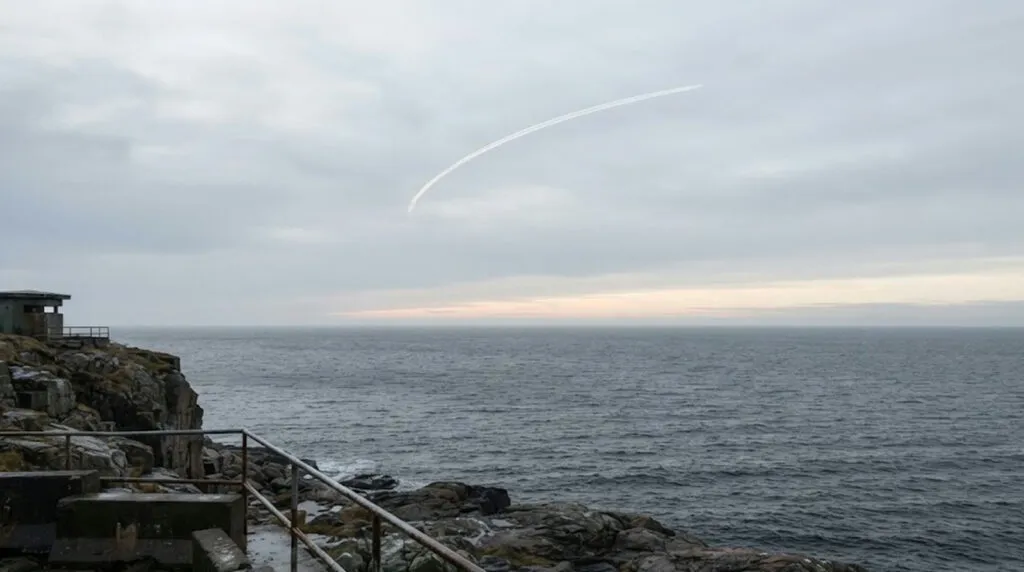
Trump scaled back the military exercises to ease the tension, and Wonsan answered in the form of projectiles. What does...

The sanctions list got a seven-day extension instead of one measured in months, a move diplomats themselves call unprecedented. Two...

Switzerland offered a table for talks on Ukraine, Moscow replied that the table stopped being neutral once Bern adopted EU...
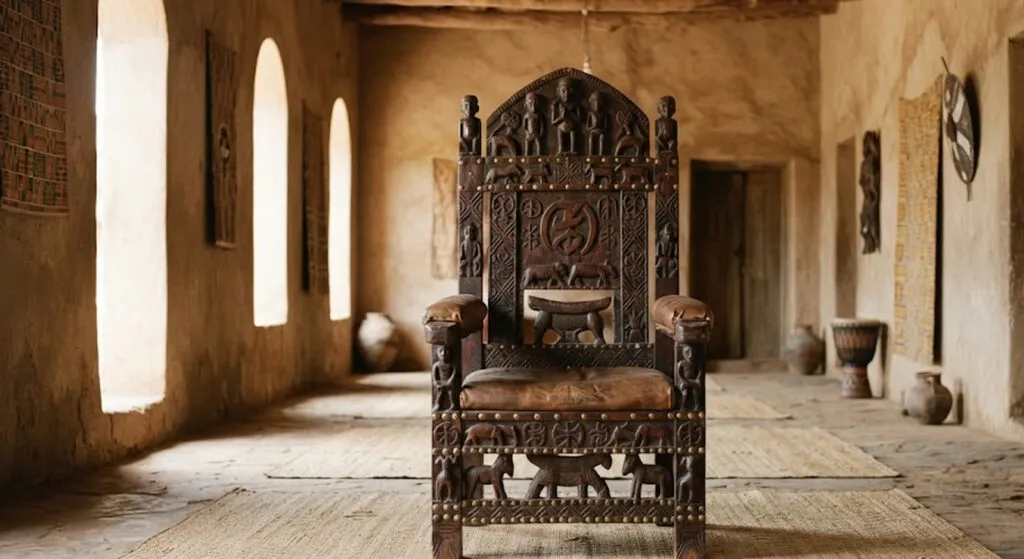
The will says one thing, a committee of twenty-one men decided another. The queen mother says the army pulled the...
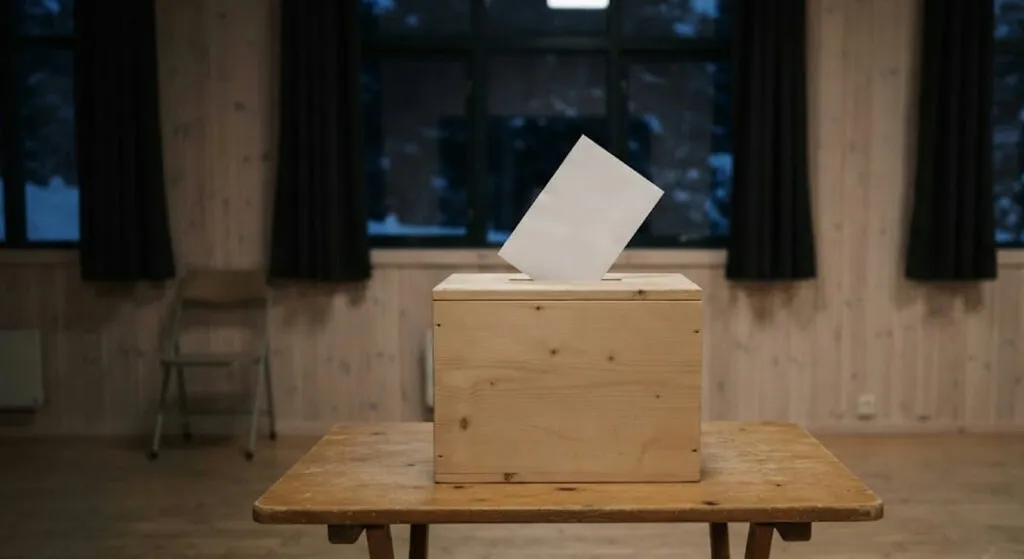
A country that was Europe's byword for stability for decades now has a parliament split into two blocs by a...
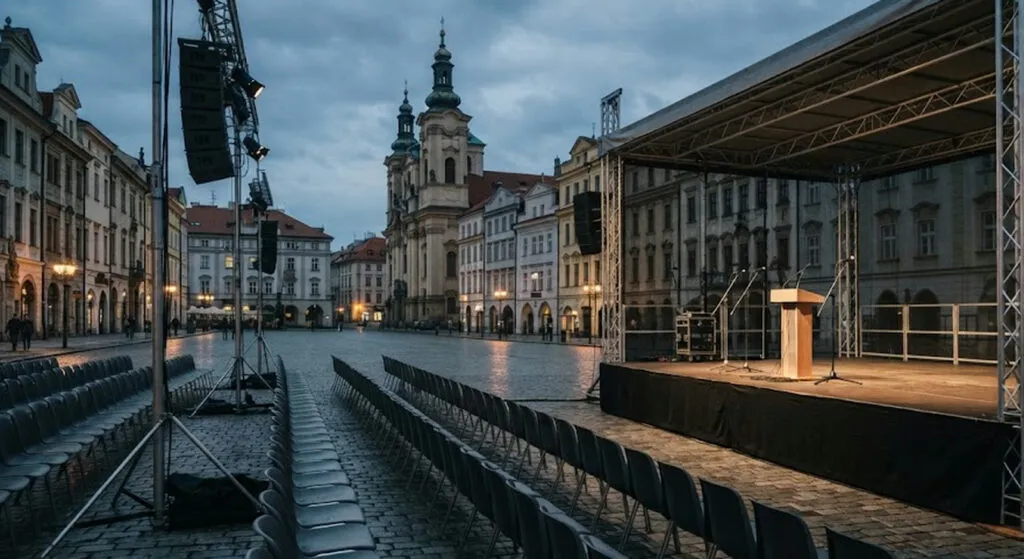
Sixteen years in power, defeat at a regular election, five months of quiet - and now the election result is...
This site uses cookies - is that okay? Learn more
Be the first to know when Metla launches something new
Leave your email and we will write when there is a new guide or something new on Metla.