


Kratovo man stabs police officer mid-intervention: prosecutors want the 40-year-old detained
15.09.2026


15.09.2026

15.09.2026

15.09.2026

15.09.2026

15.09.2026
15.09.2026

15.09.2026

14.09.2026

13.09.2026

15.09.2026

15.09.2026

14.09.2026

15.09.2026

15.09.2026

15.09.2026

15.09.2026

14.09.2026

13.09.2026

15.09.2026

15.09.2026

15.09.2026

15.09.2026

15.09.2026

14.09.2026

09.03.2026

27.02.2026

19.02.2026

15.09.2026

14.09.2026
14.09.2026

23.04.2026

23.04.2026

12.04.2026

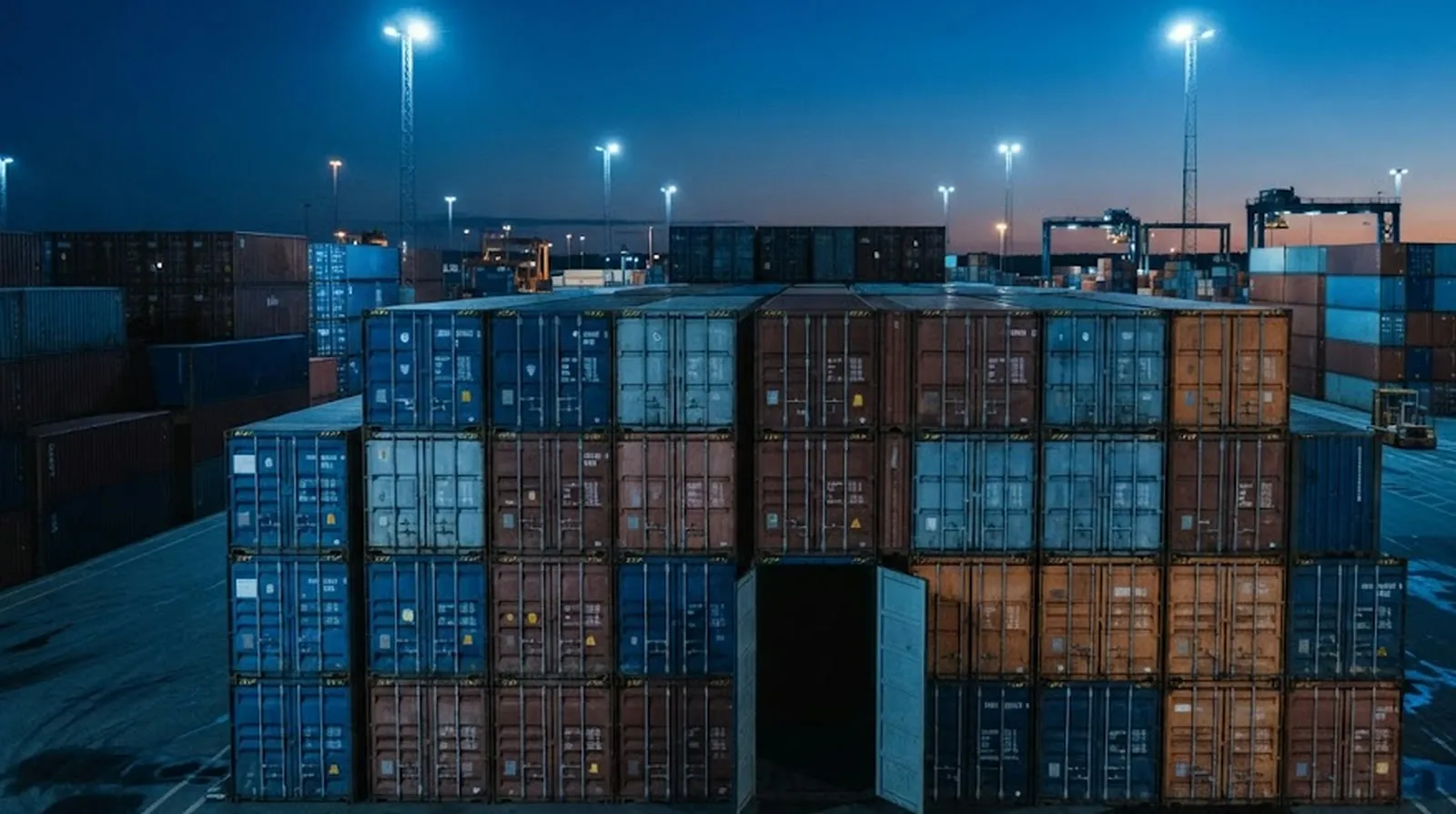
The US telecommunications regulator on Tuesday banned imports of new humanoid robots, robot dogs and power inverters manufactured abroad. Formally, the reason is national security. In practice, the blow lands in one direction - on China, which today holds almost the entire global market for these devices.
The FCC claims that devices made abroad can be remotely controlled, used for surveillance by foreign governments or drawn into cyberattacks. The commission also left a door open: an exemption will be granted if the government judges that a specific device carries no risk. Who makes that judgement and by what criteria - that is not stated.
The numbers make the case more interesting than it sounds. Humanoid robots are still far from everyday life - in 2025, around 15,000 such machines were shipped worldwide, most of them from the two largest Chinese manufacturers. So Washington is banning a market that practically doesn't exist yet. That is not defence against a present threat, but taking a position before the threat arrives.
Power inverters are an entirely different story. They are a mass-market product - the device connecting the solar panels on a roof to the electricity grid. The FCC specifies that already-installed devices are not affected. So millions of American homes keep Chinese inverters in the wall, and the ban applies only to the next shipment. If the risk is real, what are we doing about the equipment that is already inside?
The argument Washington doesn't say out loud
For years the US has argued that China hacks American companies to steal data and is preparing for cyberattacks linked to a possible invasion of Taiwan. But the second half of the argument is different and more interesting: the American side says Chinese ownership alone is sufficient risk, because Beijing can compel a company to spy or to remotely alter its products. In the same text sits a sentence rarely quoted - the US government has similar legal powers.
This is a sequence, not an isolated move. The TikTok ban that pushed the app into the hands of American investors, bans on a wide range of foreign routers, sanctions on Chinese surveillance equipment makers Hikvision and Dahua. Every step is justified with security. The sum looks like industrial policy.
Beijing responded through a foreign ministry spokesperson, who announced that China would use „all necessary measures” to protect its companies. And Chinese president Xi Jinping is expected to visit Washington in September. A state visit, with a ban like this on the table just weeks earlier - that is a negotiating position, not an epilogue.
For Europe the question is not whether this repeats, but when. Solar inverters are not an American peculiarity - the same Chinese equipment sits on roofs across the EU, including in this region. If Brussels takes the same path, the bill will not be paid by the Chinese manufacturer, but by the household that installed panels two years ago because it was promised they would pay off.
The latest 10 news from this category
A scientist at the same company puts the probability of human extinction above 10 percent within the next decade. The...
The president called in while the event was running, and the man who makes the chips answered that there would...
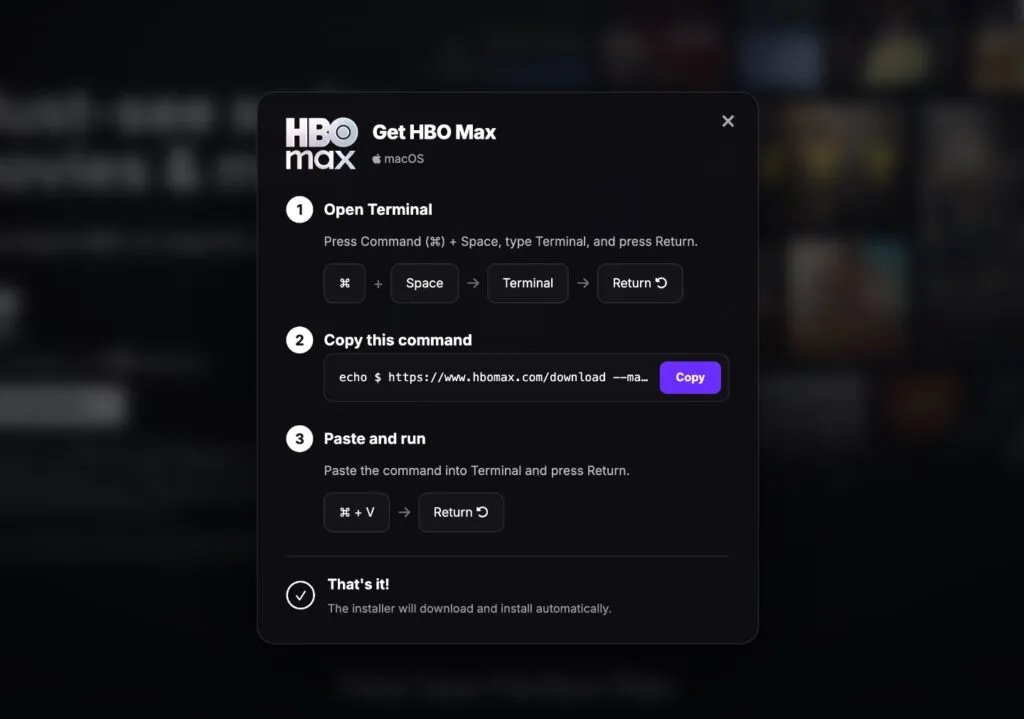
No virus attached, no suspicious file. Just a box that looks like the "I am not a robot" check and...
A researcher quit because the firms are gambling with our lives. Instead of denying it, Anthropic confirmed it - with...
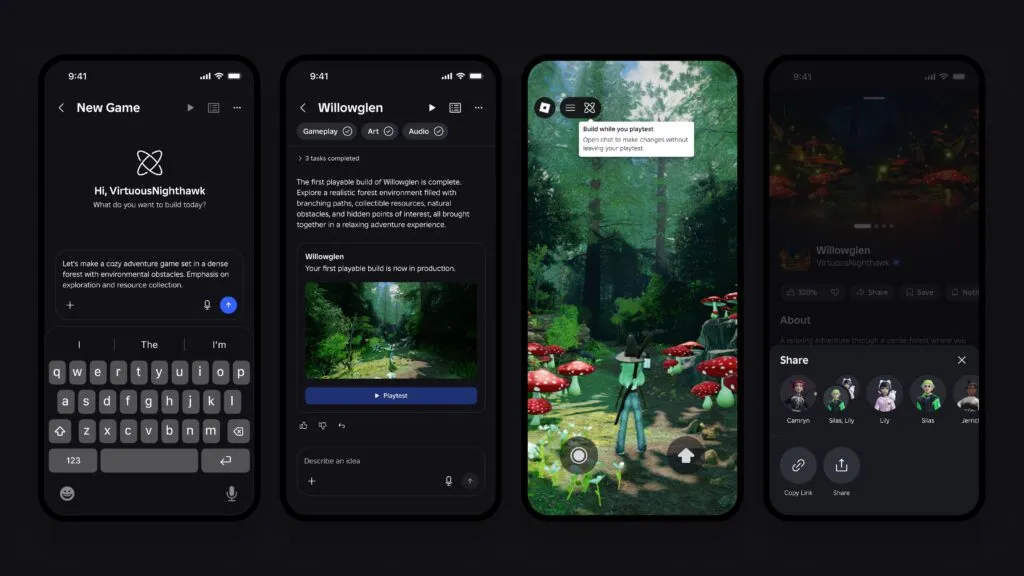
Write a sentence, get a game. Until now it worked only in New Zealand, now in Belgrade too. Creators on...
When the two biggest firms in an industry ask for rules on how fast anyone may run, the rules rarely...

Not a single password fell. What fell was the assumption that a request from a government domain is automatically a...
The biggest names in mathematics have signed a letter against the AI labs. The dispute is not whether the machine...

Five campaigns, 200 million exchanges, and the defences fell to a request for a Japanese translation. The industry that harvested...

The hackers were inside for a whole year. The company confirmed it only after a journalist found his own licence...
This site uses cookies - is that okay? Learn more
Be the first to know when Metla launches something new
Leave your email and we will write when there is a new guide or something new on Metla.
