
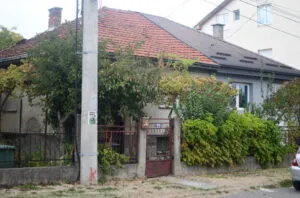
Four detained over the killings in Hrom and Gjorche Petrov: the targets were elderly people living alone
29.10.2026


29.10.2026

29.10.2026
29.10.2026

29.10.2026
29.10.2026
29.10.2026

29.10.2026
28.10.2026

27.10.2026

29.10.2026

29.10.2026
28.10.2026
29.10.2026

29.10.2026

29.10.2026
29.10.2026

28.10.2026

27.10.2026

29.10.2026

29.10.2026

29.10.2026
29.10.2026

29.10.2026

28.10.2026
29.10.2026
28.10.2026
27.10.2026
27.10.2026
26.10.2026
24.10.2026

23.04.2026

23.04.2026

12.04.2026

For a few hours on election night, Serbia, according to witnesses, hung by a thread. Aleksandar Vučić, after 12 years in power, was ready to use force rather than accept the Student List's victory - and backed down only when it became clear the gap was too big to erase. That's the claim of a British daily newspaper, citing politicians and a former senior police official.
4,000 police, 3,000 thugs and street lights turned off
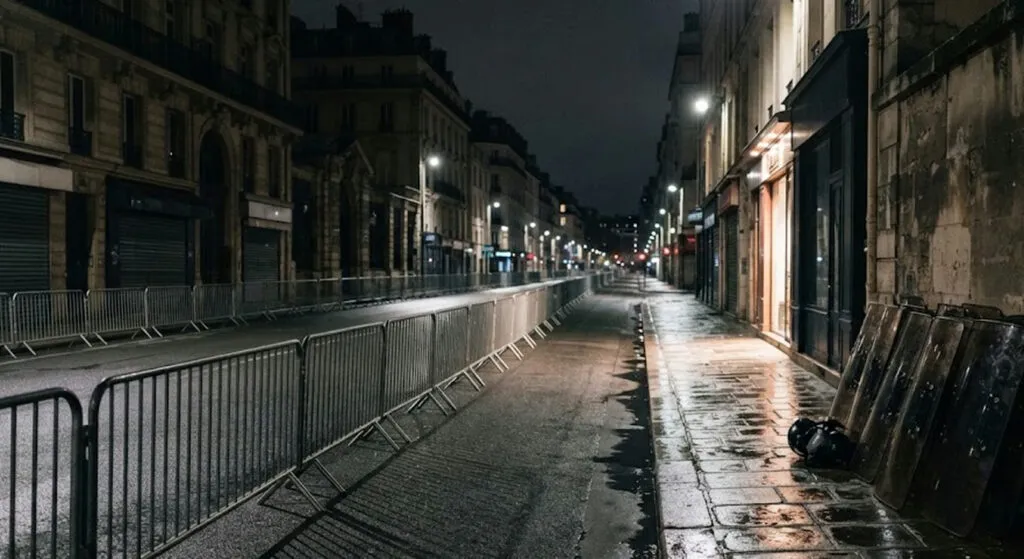
Spasoje Vulević, former commander of Serbia's Special Anti-Terrorist Unit, claims Vučić sent 4,000 police officers and 3,000 people he describes as thugs into central Belgrade. "I'm one hundred percent sure he planned to reject the results," he says. While voters were heading to the polls, men dressed in black, in groups of 20 to 30, were moving towards Pionirski Park - the spot where a tent camp of Vučić supporters had stood for months and where it was supposed to be set up again.
The gendarmerie took up positions, some streets were closed off, and some of the street lighting was switched off. Groups in black, dark streets and a camp full of supporters on the very night the votes are being counted. The Balkans know this stage set by heart.
The plan for a close result
Radomir Saičić, one of the Student List's leading candidates, says there was a plan to use force if the result was close. "They had a plan to overturn the will of the voters with brute force," he claims. According to him, Vučić received many calls from the police and from other circles, who convinced him that carrying out that plan would end very badly for him. One former police officer, who had warned colleagues not to beat or shoot at protesters, received an anonymous threat: "The first bullet is for you."
Rade Đurić, a lawyer at the Independent Journalists' Association of Serbia, describes the scenario that, in his view, was being prepared: the government would cite voting irregularities, demand a rerun of the election, that would spark protests - and the violence would then serve as yet another excuse to annul it. "On Sunday morning Vučić felt untouchable," he says.
Who called before 21:30?
At around 21:30, an hour and a half after polling stations closed, Vučić gave up on contesting the results. The groups of men in central Belgrade soon vanished. What remains is the question of what happened in those ninety minutes. Unconfirmed rumours in Belgrade say Viktor Orbán talked him out of it. Vulević believes the calls came from European governments, "at the highest level".
Sandro Gozi, an MEP and president of the European Democratic Party, says that on Sunday diplomatic sources were already sending "alarming reports that Vučić was ready to fight and carry out a coup". He doesn't rule out phone interventions, but adds that the number of votes against Vučić was simply too large. "Vučić was completely caught off guard," Gozi says.
Vučić's spokeswoman rejects all the claims: the heavier police presence, she says, was due to threats of violence from protesters. That's the official version. It just doesn't explain why, if so, part of the street lighting had to be switched off, as witnesses claim.
The gap that couldn't be erased
The Student List won around half a million more votes than its rival, and according to the seat allocation will have 141 of 250 seats in parliament, against 103 for Vučić's Serbian Progressive Party. If the witnesses' claims are true, it was that very gap that prevented the scene the Balkans remember most: a government refusing to leave and a street coming out to defend the vote.
Dejan Šoškić, former governor of the National Bank of Serbia and a high-ranking candidate on the list, is already promising a break with "the narrative and rhetoric of the nineties". The invitation to cooperate, he says, applies not just to Croatia but to Bosnia and Herzegovina, Montenegro, Slovenia and Macedonia. Sounds good. But the new government will be judged by its first months in the institutions, not by election night. And the question that remains is an uncomfortable one for the whole region: how much did democracy depend on whether someone picked up the phone?
The latest 10 news from this category
During the campaign he was shown in a positive light 96 percent of the time - and still lost. Now...
The new government in Belgrade hasn't even been formed yet, and Brussels has already set the terms: sanctions on Moscow...
Tabloids close to Vučić claim she announced the recognition of Kosovo. Biserko herself says she doesn't know what the new...
Serbia is on red terror alert after the overnight attack. Minister Dačić says the attacker was an Islamic State supporter...
Victory in Serbia came from a single goal - bringing Vučić down. But among the 140 MPs sit people who...
The mother of Stefan Hrka, killed under the collapsed canopy in Novi Sad, came for an apology, while the editor...
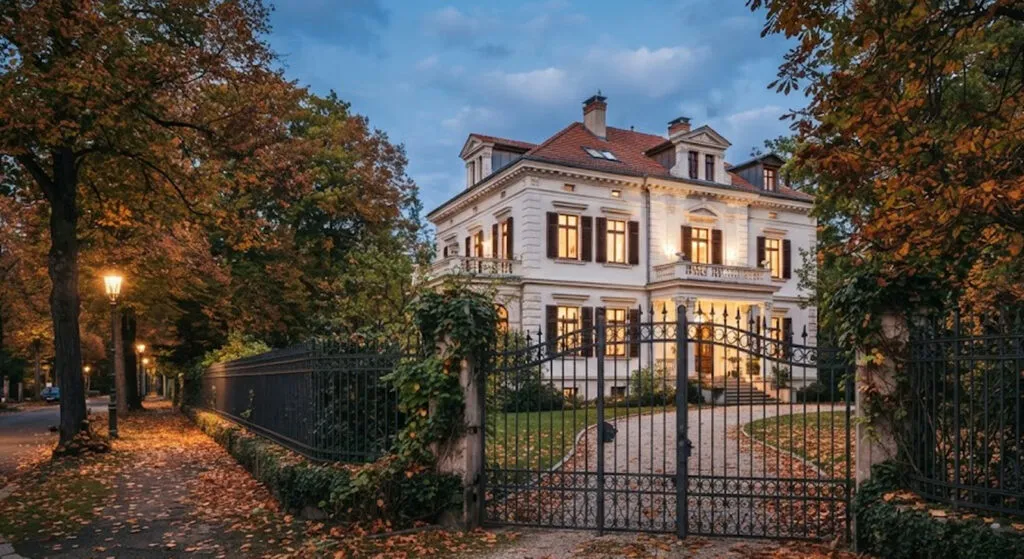
Nikolić has lived in a state villa for nine years after his term ended, Brnabić in Jovanka Broz's former home....
Vučić conceded on election night itself, and his people are already writing the winner's agenda: Russia, NIS, devaluation. How many...
The winner of Serbia's election says the undiplomatic outbursts towards the region were born in Vučić's head. His first conversation...
Germany's far right mourns Vučić's defeat with the words "we've lost" - as if Serbia were its property. Moscow, meanwhile,...
This site uses cookies - is that okay? Learn more
Be the first to know when Metla launches something new
Leave your email and we will write when there is a new guide or something new on Metla.


