Glasses and a Watch for a Heads-Up on Tax Inspections: Nine Charged With Bribery and Forgery Around Puls
27.10.2026


27.10.2026

27.10.2026
27.10.2026
27.10.2026
27.10.2026
27.10.2026

27.10.2026
27.10.2026
26.10.2026
27.10.2026

27.10.2026
26.10.2026
27.10.2026
27.10.2026
27.10.2026
27.10.2026
26.10.2026
25.10.2026

27.10.2026
27.10.2026

27.10.2026

27.10.2026
26.10.2026
26.10.2026
27.10.2026
26.10.2026
24.10.2026

23.04.2026

23.04.2026

12.04.2026

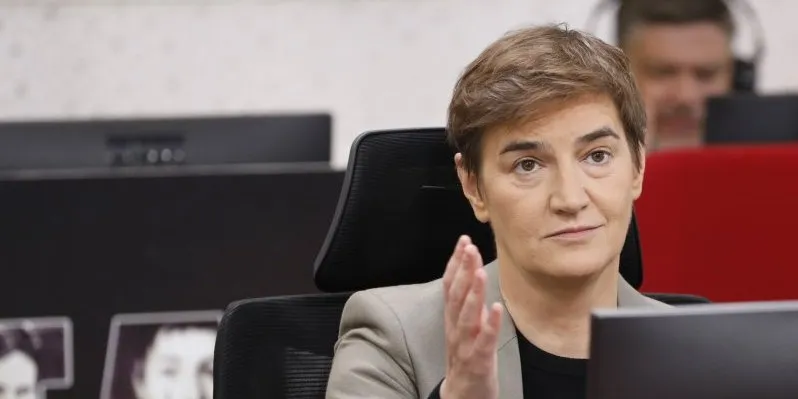
Election night in Serbia ended with a sentence the Balkans rarely hear from someone in power. "It's completely clear to me from the sample that we're losing power, there's no need to wait," Aleksandar Vučić told his closest aides while the votes from the 25 October snap parliamentary election were still being counted. The Student List, led by Ilija Srdanović, won. After 14 years, the Serbian Progressive Party (SNS) is moving to the opposition benches.
Those who were in the room describe the moment. SNS president Miloš Vučević says Vučić called him and Ana Brnabić to party headquarters and told them the election was lost. "We were caught off guard, because we had been leading," Vučević admits. According to him, the representative samples were enough and there was no need to wait for 70 percent of the sample to be counted.
The gesture is real and deserves to be noted. But let's not kid ourselves that it's unprecedented - both Vojislav Koštunica and Boris Tadić conceded their defeats in their time. The real test isn't how power is handed over, but what is done with it afterwards.
An opposition of 105 MPs
The Progressives don't look like a party in retreat. Vučević announced that SNS will have 105 MPs in the new parliament - "105 political samurai", as he called them - and promised the new majority "long and exhausting debates". Within his own ranks he announced "painful but healing changes". There will be no complaints to the election commission, he says.
Ana Brnabić, currently acting President of the Republic, went a step further and has already written her opponent's agenda. She predicts the new government's first "homework" will be sanctions on Russia and the confiscation of NIS, claiming the new government will "take orders directly". On Kosovo and Russia, she says, the newcomers will have "whatever position they're told to have".
It's an old Balkan tune: whoever loses says the winner is being run by foreigners. But the NIS question isn't empty rhetoric. The majority Russian-owned oil company is one of the most sensitive knots between Belgrade, Moscow and Brussels. Will the new government cut that knot, or untie it slowly and quietly?
The dinar, wages and the 14 years
Brnabić said she regrets the infrastructure projects that will stall and the dinar that, in her view, will be devalued. She explains the defeat with a paradox: "I think in the end success came back to bite Vučić" - because people "finally reached an average wage of around 1,000 euros" and because he, in her words, "changed people's consciousness". So the voters punished him because they were better off? That's an explanation every defeated government would love to believe.
She also claims that in Vučić's 14 years in power not a single media outlet suffered, and not a single TV station was banned or penalised. How many Serbian journalists would sign their name under that sentence?
The first night
The new era didn't begin peacefully. The night after the election, a group of supporters of the winning list broke into the building of a pro-government TV station in Belgrade. According to the station's own claims, they smashed windows and part of the front door, and staff were evacuated by the gendarmerie. Brnabić said she, too, was greeted with shouts of "cowards" as she left party headquarters. Vučević called on the Student List's leaders to calm their supporters.
Victory is celebrated in the street but defended in institutions. If the Student List wants to prove it's different from those it replaced, its first test isn't NIS or Brussels - it's whether it can calm its own supporters before they start looking like what they protested against.
The latest 10 news from this category
The mother of Stefan Hrka, killed under the collapsed canopy in Novi Sad, came for an apology, while the editor...
Nikolić has lived in a state villa for nine years after his term ended, Brnabić in Jovanka Broz's former home....
The winner of Serbia's election says the undiplomatic outbursts towards the region were born in Vučić's head. His first conversation...
Germany's far right mourns Vučić's defeat with the words "we've lost" - as if Serbia were its property. Moscow, meanwhile,...
Doctors, professors, actors and one engineer who warned before the canopy fell. A list without a leader has toppled the...
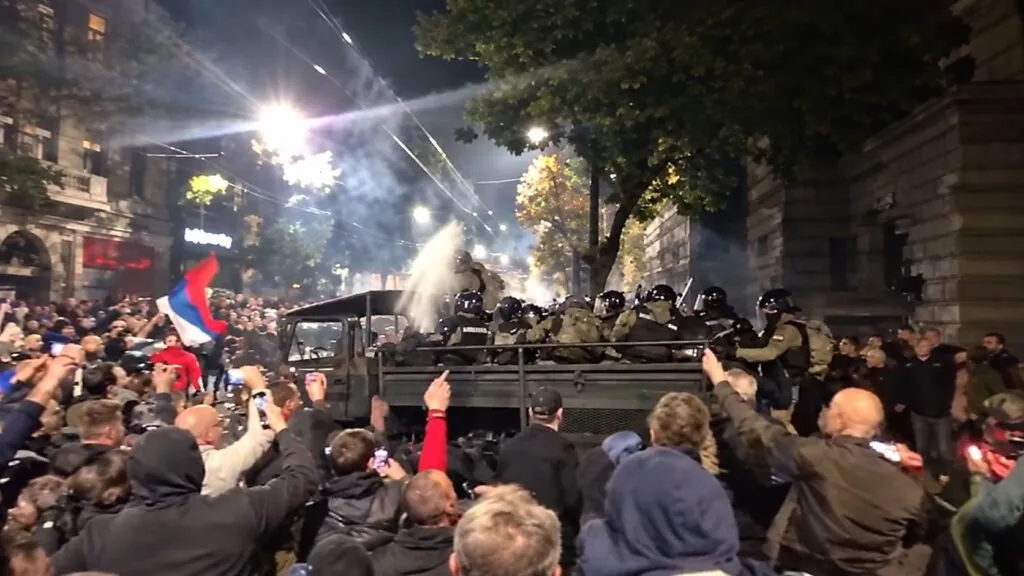
The police that spent two years breaking up protests left to whistles and jeers, and the park of Vučić's supporters...

The man who ran Serbia for more than a decade read out the numbers himself: around 1.72 million votes for...

He lost the election, and one of his first messages was about Moscow. Serbia has so far refused sanctions on...
In Bijeljina 1,543 to 335, in Lopare 533 to 47. And Vučić himself announced changes in relations with Republika Srpska...

Out of the canopy collapse that killed 16 people in Novi Sad grew a list that could topple Vučić. The...
This site uses cookies - is that okay? Learn more
Be the first to know when Metla launches something new
Leave your email and we will write when there is a new guide or something new on Metla.