Glasses and a Watch for a Heads-Up on Tax Inspections: Nine Charged With Bribery and Forgery Around Puls
27.10.2026


27.10.2026
27.10.2026
27.10.2026
27.10.2026
27.10.2026
27.10.2026

27.10.2026
27.10.2026
26.10.2026

27.10.2026
27.10.2026

26.10.2026

27.10.2026
27.10.2026

27.10.2026

27.10.2026
26.10.2026
25.10.2026

27.10.2026
27.10.2026

27.10.2026

27.10.2026
26.10.2026
26.10.2026
27.10.2026
26.10.2026
24.10.2026

23.04.2026

23.04.2026

12.04.2026

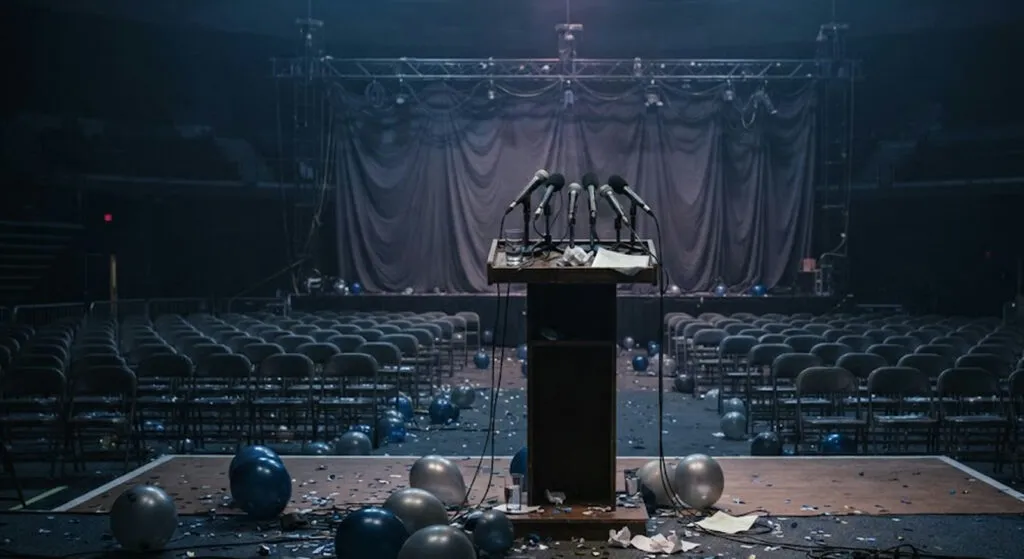
Aleksandar Vučić's defeat was loudly mourned by the German far right as well. Maximilian Krah, a Bundestag member for Alternative for Germany (AfD), posted on X right after Vučić conceded his list's defeat in Serbia's snap parliamentary election on 25 October.
"Not a good day. After Hungary, we've lost Serbia too. It turns out the right has to reorganise. The current concept isn't enough to convince voters," Krah wrote, alongside a clip of Vučić's address.
One word is worth pausing on - "lost". As if Serbia were someone's property and the voters had simply changed owner. Great powers have talked about the Balkans in that language for decades. The irony is that now it's a party presenting itself as the defender of national sovereignty that talks this way.
From Budapest to Belgrade
Krah linked the two results. In April, Viktor Orbán's Fidesz lost power in Hungary after 16 years. Vučić and Orbán kept close political and economic ties for years, often against Brussels' line. For part of the European right, the two were proof that a model of stronger nation-states could govern in Europe. Now both have lost power, six months apart.
The AfD's fondness for Belgrade wasn't only rhetorical. The party's parliamentary group asked the German government to withdraw its recognition of Kosovo's independence and to apologise to Serbia for Germany's part in the 1999 NATO bombing. In the Bundestag its members opposed pressure on Serbia to impose sanctions on Russia and backed a Community of Serb Municipalities with executive powers.
None of those positions became German policy - Berlin recognises Kosovo and wants Serbia to align with EU foreign policy. That's exactly why support from the margins of German politics suited Belgrade: loud, and with no obligations attached.
Everyone's counting, nobody's asking
It's not just Berlin. Leading Russian state media simultaneously described the outcome as a "colour revolution" staged by the West. One side grieves that it has lost Serbia, the other claims someone else took it. In both stories, Serbs are merely the audience at their own election.
The Balkans have watched this scene for a long time - every election in the region gets counted by someone outside as a goal or an own goal for their team. Will the day ever come when the result of an election in Belgrade, Skopje or Sarajevo is discussed as the voters' decision, and not as someone's team losing?
The latest 10 news from this category
The mother of Stefan Hrka, killed under the collapsed canopy in Novi Sad, came for an apology, while the editor...
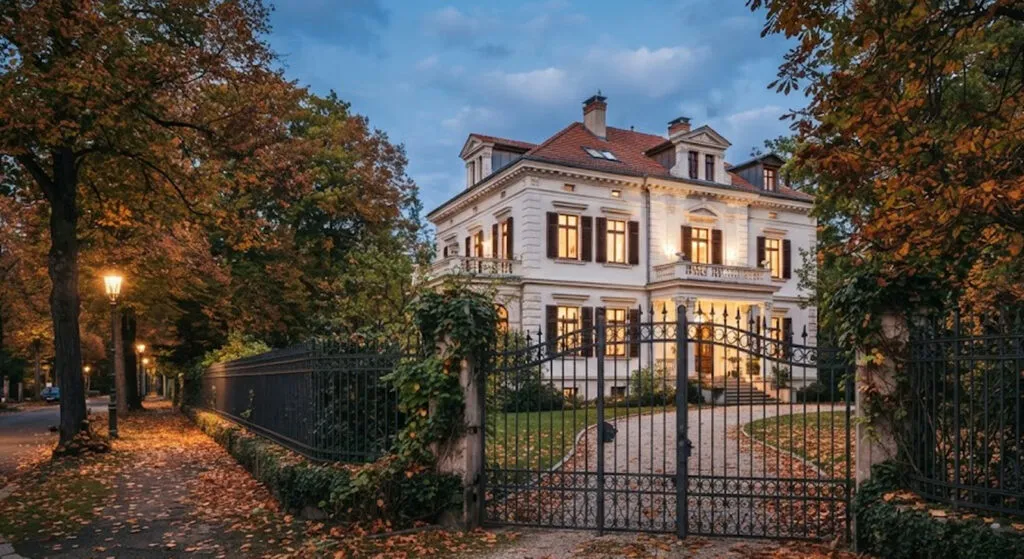
Nikolić has lived in a state villa for nine years after his term ended, Brnabić in Jovanka Broz's former home....
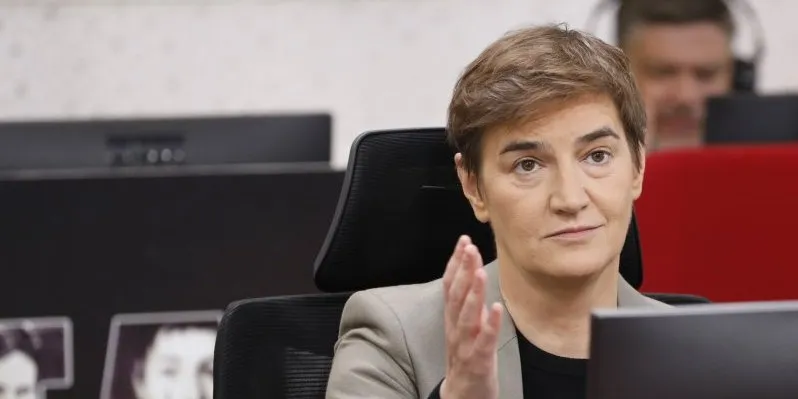
Vučić conceded on election night itself, and his people are already writing the winner's agenda: Russia, NIS, devaluation. How many...
The winner of Serbia's election says the undiplomatic outbursts towards the region were born in Vučić's head. His first conversation...
Doctors, professors, actors and one engineer who warned before the canopy fell. A list without a leader has toppled the...
The police that spent two years breaking up protests left to whistles and jeers, and the park of Vučić's supporters...

The man who ran Serbia for more than a decade read out the numbers himself: around 1.72 million votes for...

He lost the election, and one of his first messages was about Moscow. Serbia has so far refused sanctions on...
In Bijeljina 1,543 to 335, in Lopare 533 to 47. And Vučić himself announced changes in relations with Republika Srpska...

Out of the canopy collapse that killed 16 people in Novi Sad grew a list that could topple Vučić. The...
This site uses cookies - is that okay? Learn more
Be the first to know when Metla launches something new
Leave your email and we will write when there is a new guide or something new on Metla.