

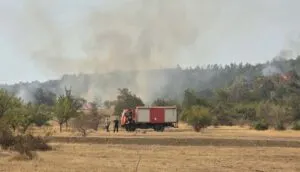
The smoke over Skopje is coming from Kosovo: for the first time our helicopter is fighting a fire outside the country
04.09.2026


04.09.2026

04.09.2026

04.09.2026

04.09.2026

04.09.2026

04.09.2026

04.09.2026

03.09.2026
02.09.2026

04.09.2026

04.09.2026

03.09.2026

04.09.2026

04.09.2026

04.09.2026

04.09.2026

03.09.2026

02.09.2026

04.09.2026

04.09.2026

04.09.2026

04.09.2026
03.09.2026
02.09.2026

09.03.2026

27.02.2026

19.02.2026

04.09.2026

03.09.2026

02.09.2026

23.04.2026

23.04.2026

12.04.2026
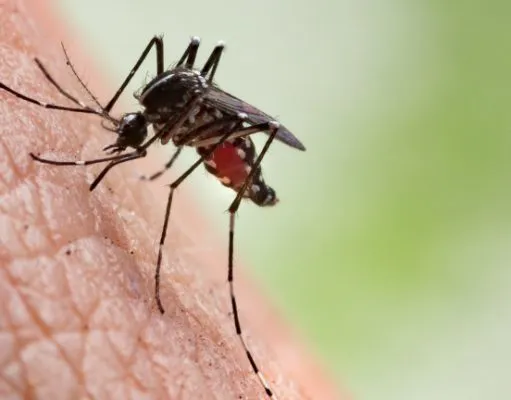
The seventh person to die of West Nile fever in Macedonia is a 69-year-old man from Gazi Baba with multiple chronic conditions, who spent more than 38 days at the Clinic for Infectious Diseases. He was the patient treated longest during this outbreak.
The information was announced by health minister Sašo Klekovski. One new suspected case was registered in the same period, from Radišani, so the number of hospitalised patients stays at 19 - one death and one admission cancelling each other out in the statistics.
All seven are men
That is the detail that stands out. And it is not a coincidence confined to Macedonia. According to Institute of Public Health data up to 25 August, of 50 registered cases 39 were men and 11 women. In 49 patients the neuroinvasive form developed - inflammation of the brain or severe neurological complications.
International research confirms the same pattern. A US study of 3,064 patients found men carry roughly a 29 percent higher risk of neuroinvasive disease. Data from the US Centers for Disease Control show that across more than 12,000 neuroinvasive cases analysed over a decade, men made up 62 percent, and above the age of 70 the figure for men was more than double that for women.
Science has no final answer as to why. Men do not get infected more often - they more often develop the severe form. Possible explanations include different exposure to mosquitoes, chronic illness, immunological differences, and the way cases are detected and reported.
What is more certain are the risk factors for a severe course: age over 60, a weakened immune system and chronic conditions - diabetes, high blood pressure, kidney disease, cancer. Around 80 percent of those infected have no symptoms at all, and fewer than one percent develop the severe neurological form. Of those who do, around 10 percent die.
The outbreak is moving north
The new cases are coming from Skopje North. Earlier the concentration was highest in Kisela Voda, especially in Dračevo, and in Gazi Baba. An epidemic was declared on 11 August in several Skopje municipalities, which carried out emergency mosquito spraying. The City of Skopje has announced new aerial larvicide treatment.
Spraying against larvae in September is a reaction, not prevention. The mosquito that carries the disease breeds in standing water, and standing water in Skopje's neighbourhoods did not suddenly appear in August. The Institute of Public Health recommends removing standing water from yards, fitting screens on windows, wearing clothes that cover the skin, and using repellents.
That is advice aimed at citizens. The question that remains is who was responsible for those same measures at city level in June and July, when the mosquitoes were breeding - and not in September, when the seventh death is being counted.
The latest 10 news from this category
A wild bird you can catch with your hands is a bird with no strength left to flee. Someone fired...
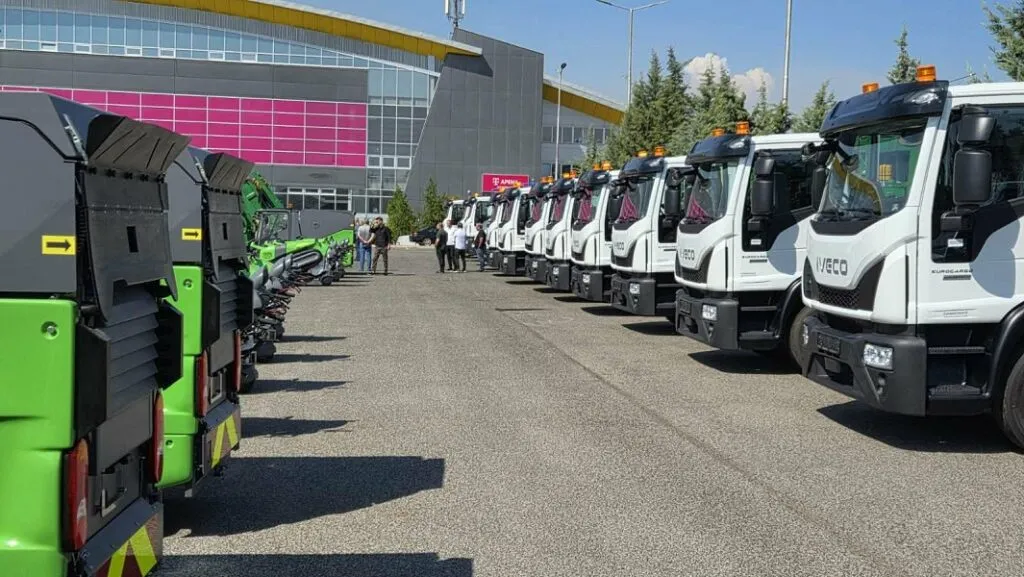
The money is 4.2 million euros left unspent from a World Bank project. The mayor admits up to 10 vehicles...
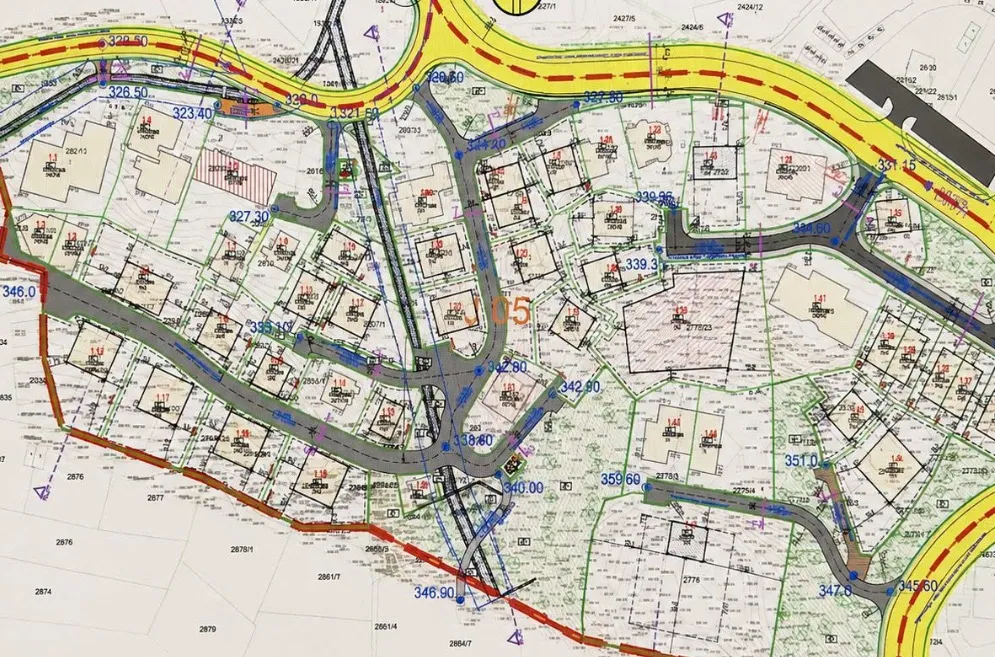
Biljana Ivanovska handed blank statements to the planners from Centar municipality. Nobody signed - and the three bodies that gave...
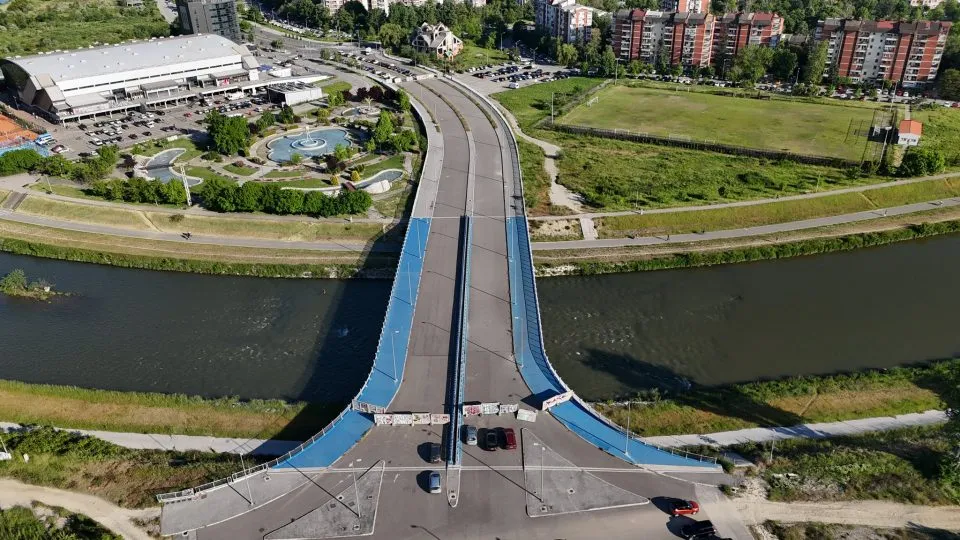
The structure has been finished since 2020; the deal with the people whose houses stood on the route has not....
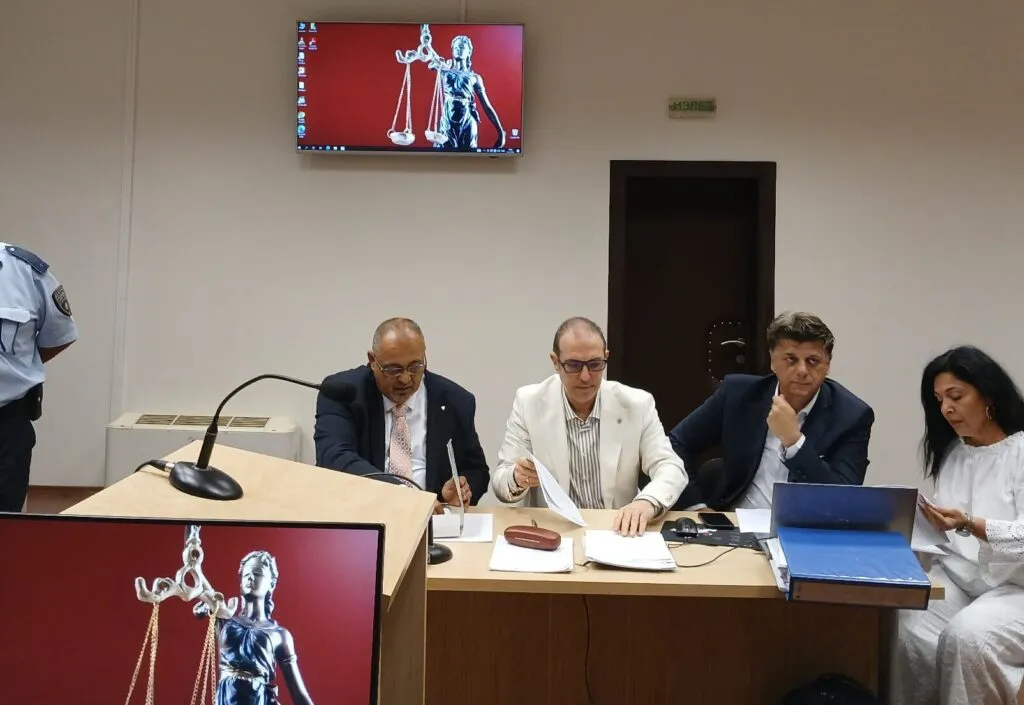
A salary of 120,000 denars, 350,000 euros in a hole behind the kitchen tiles, and a phone contact list covering...

8,318 bins, 126 containers and 52 semi-underground ones at 21 locations. But the budget buys the equipment, while the household...
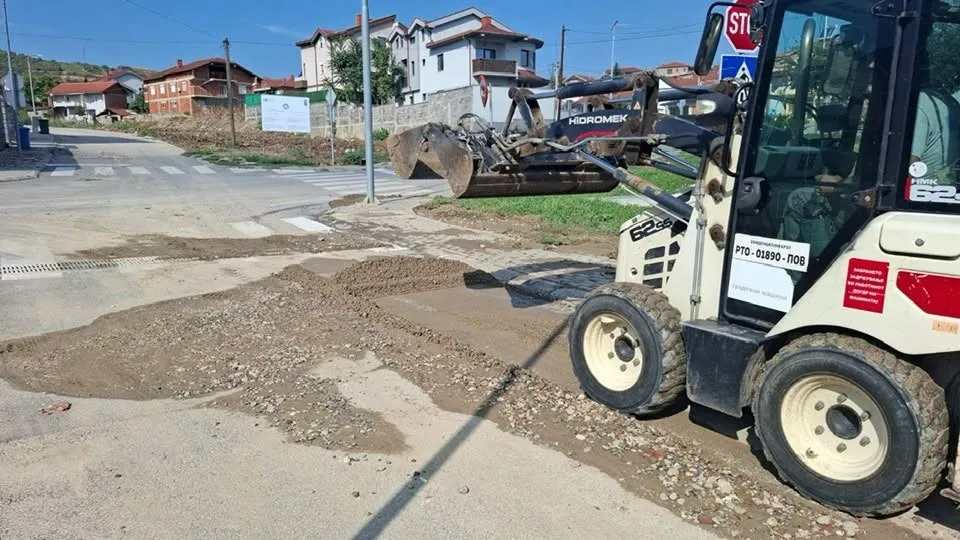
The mobilisation from the early morning hours is fast. The question every storm like this leaves behind is why the...
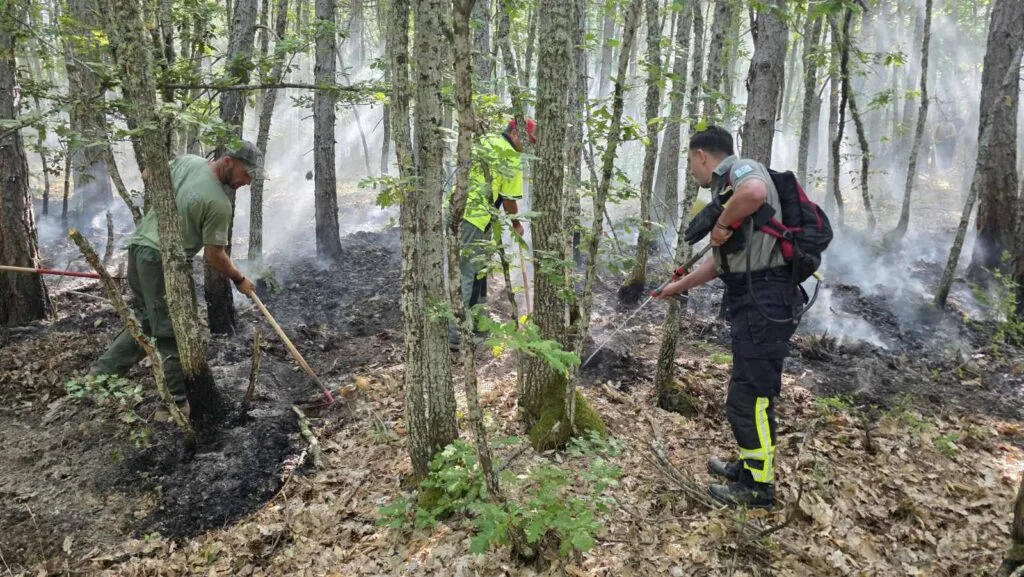
Nearly the entire firefighting capacity of the country was pointed at one place for three days. The park says the...
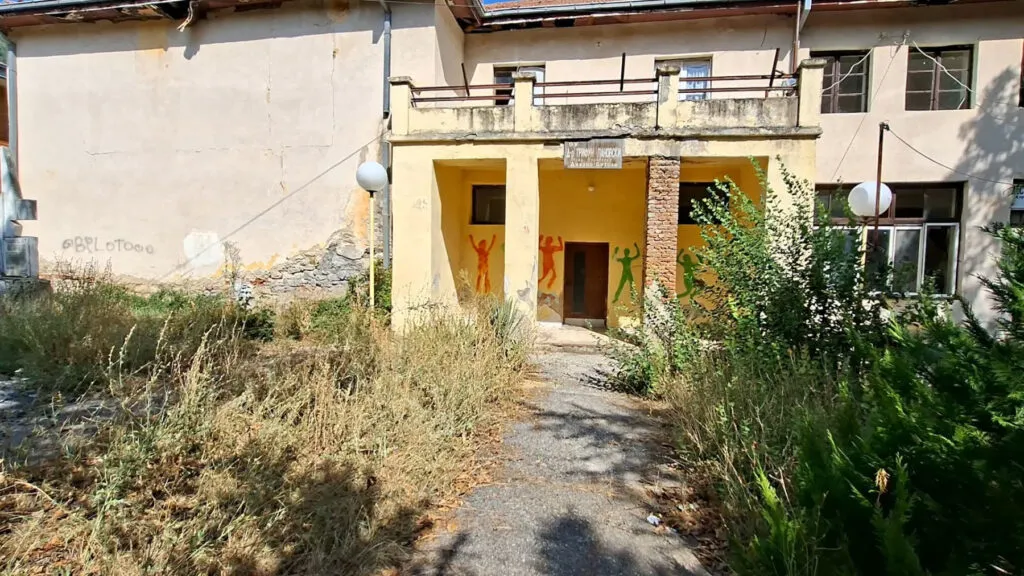
In Struga the bell did not ring in four villages. In Bitola two schools are running with one pupil each....

From 3,000 to 30,000 denars for a newborn, depending on the municipality. Skopje, Čair and Saraj will not say how...
This site uses cookies - is that okay? Learn more
Be the first to know when Metla launches something new
Leave your email and we will write when there is a new guide or something new on Metla.
