

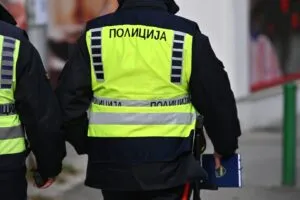
Thirteen hours between the report and the bodies: two Taiwanese nationals found dead in a Skopje flat
03.09.2026


03.09.2026

03.09.2026
03.09.2026
03.09.2026
03.09.2026
03.09.2026
03.09.2026
02.09.2026
01.09.2026

03.09.2026

03.09.2026

02.09.2026
03.09.2026

03.09.2026
03.09.2026

03.09.2026

02.09.2026

01.09.2026
03.09.2026

03.09.2026

03.09.2026

03.09.2026
02.09.2026
01.09.2026

09.03.2026

27.02.2026

19.02.2026
03.09.2026
02.09.2026

01.09.2026

23.04.2026

23.04.2026

12.04.2026
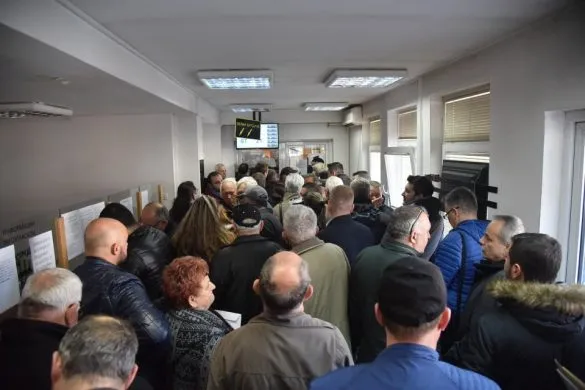
In the election year of 2025, 63 municipalities in Macedonia handed out 4,056,482 euros to their residents in various forms of financial aid and grants. That is almost a million euros more than in 2024, according to the latest research by the Centre for Civil Communications.
A million euros more, in a year with local elections. It could be a coincidence. It could also not be, and nobody will check, because no law requires anyone to check.
92 different grounds, not one common rule
The aid was awarded on no fewer than 92 different grounds - from a first child, first-graders, secondary school pupils, school leavers and young people, to people at social risk and pensioners. It covered 58,290 citizens, almost 13,000 more than the previous year.
Individual payments reach up to 100,000 denars for getting married and up to 200,000 denars for renovating a façade. Those two items alone show how freely this category of spending moves: one municipality gives you money to get married, another to repaint your building.
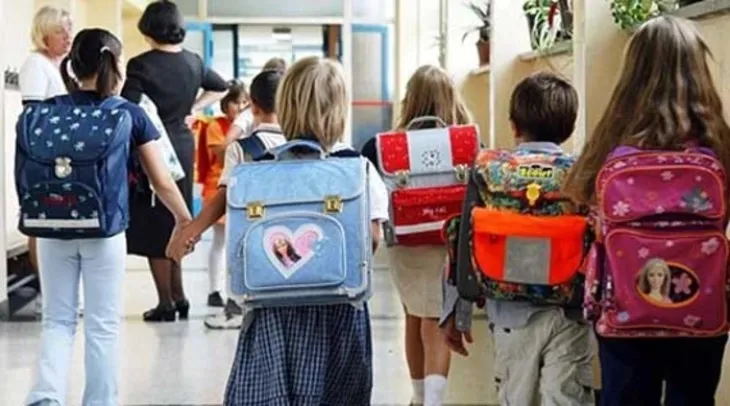
The differences get even bigger when you compare the same category. For a newborn, municipalities pay out anywhere from 3,000 to 30,000 denars - a tenfold difference depending on where you live. For a first-grader the amount ranges from 2,000 to 8,000 denars. Every local authority has its own rules, names, criteria and procedures. The Centre for Civil Communications found that almost no two municipalities distribute aid on identical grounds, with the possible exception of first-graders and newborns.
Where most of the money went
The largest payouts came from the Skopje municipalities of Aerodrom, with 552,387 euros, and Centar, with 507,481 euros - each of them over half a million on its own. Next are Kisela Voda with 461,989 euros and Gazi Baba with 415,172 euros. By number of recipients, Gazi Baba and Kisela Voda lead, with more than 10,000 citizens covered each.
The real total is certainly higher than 4 million euros. The City of Skopje, Čair and Saraj did not respond to freedom of information requests - so their payments did not enter the calculation at all.
The question left open
The Centre for Civil Communications asks the most awkward question in the whole study: do municipalities even have the authority to award this kind of aid, particularly when each of them applies different rules, procedures, amounts and categories of recipient.
That is not a formalistic objection. When there is no common basis, no common amount and no common criterion, the decision on who gets money and how much sits entirely in the hands of the local authority. In an election year, that is power with no check on it beyond the good will of whoever holds it.
Nobody is claiming the 4 million euros were spent unlawfully. The claim is simpler and harder to defend against: nobody actually knows what exactly it was spent on, because 63 municipalities use 92 different grounds - and three of the biggest will not say.
The latest 10 news from this category
Nearly the entire firefighting capacity of the country was pointed at one place for three days. The park says the...
In Struga the bell did not ring in four villages. In Bitola two schools are running with one pupil each....
Passengers stood for half an hour on a stretch of track where they could not even get off. The other...

The Austrian firm found a full service had never been carried out. The City of Skopje calls that years of...
While hundreds of people from half of eastern Macedonia fight the flames, wood is being stolen on the other side...
The call is open until 18 September. Across Macedonia the amount per first-grader ranges from 2,000 to 8,000 denars -...
Во март 2026 година редакцијата на Метла побара од Државниот завод за ревизија да го испита работењето на ЕВН Македонија...
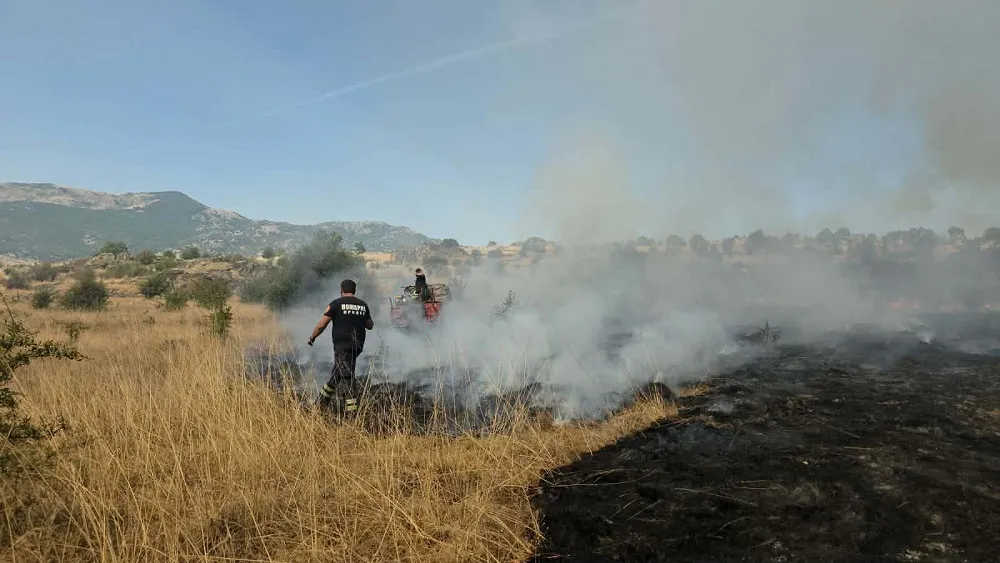
The Crisis Management Centre released the figure for June, July and August. The ratio between forest fires and the rest...
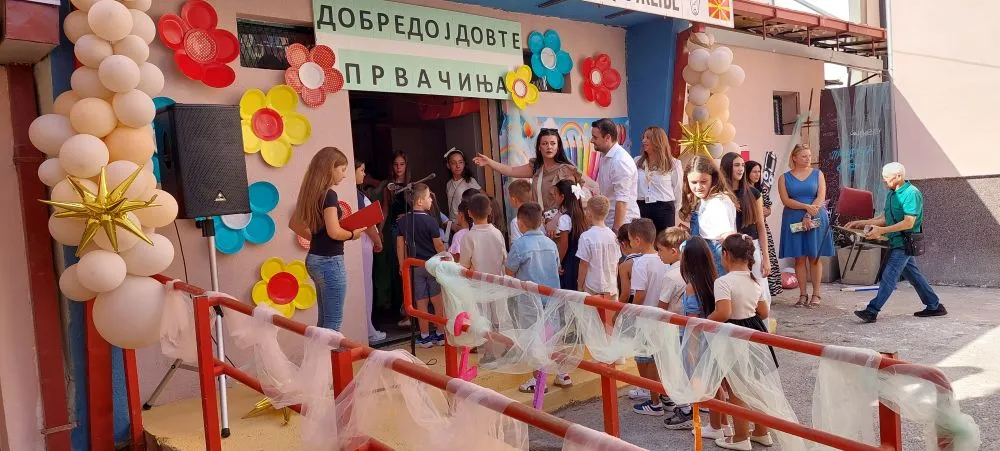
The most precise measure of emigration is not a survey. It is the gap between how many children were born...
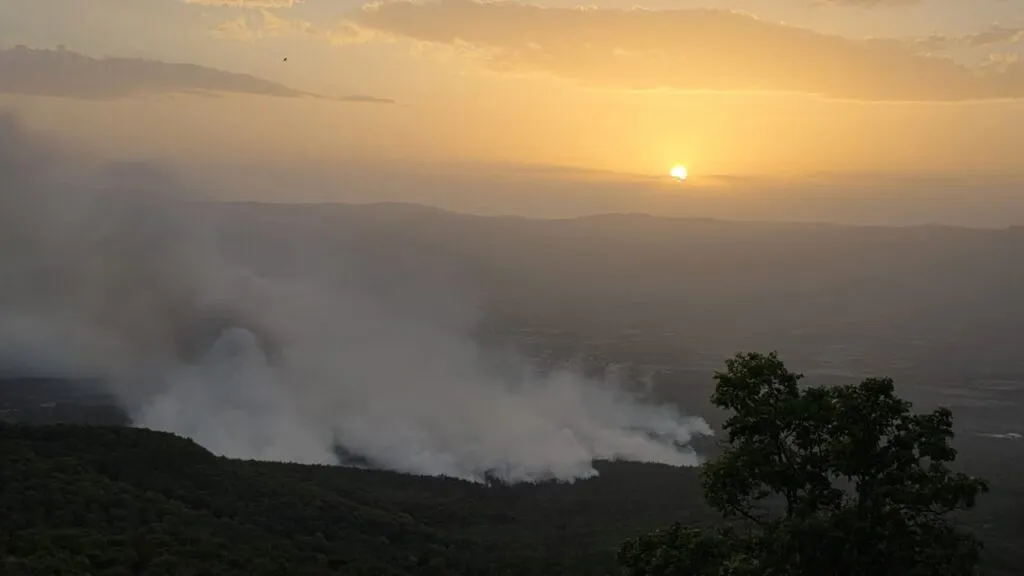
Helicopters, air tractors, two fire brigades and volunteers awake for over 48 hours. When success depends on exhausted people, that...
This site uses cookies - is that okay? Learn more
Be the first to know when Metla launches something new
Leave your email and we will write when there is a new guide or something new on Metla.
