

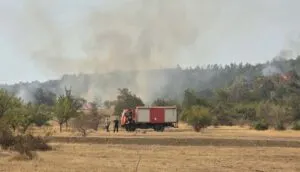
The smoke over Skopje is coming from Kosovo: for the first time our helicopter is fighting a fire outside the country
04.09.2026


04.09.2026

04.09.2026

04.09.2026

04.09.2026

04.09.2026

04.09.2026
04.09.2026
03.09.2026
02.09.2026

04.09.2026

04.09.2026

03.09.2026

04.09.2026

04.09.2026

04.09.2026

04.09.2026

03.09.2026

02.09.2026

04.09.2026

04.09.2026

04.09.2026

04.09.2026
03.09.2026
02.09.2026

09.03.2026

27.02.2026

19.02.2026

04.09.2026

03.09.2026

02.09.2026

23.04.2026

23.04.2026

12.04.2026
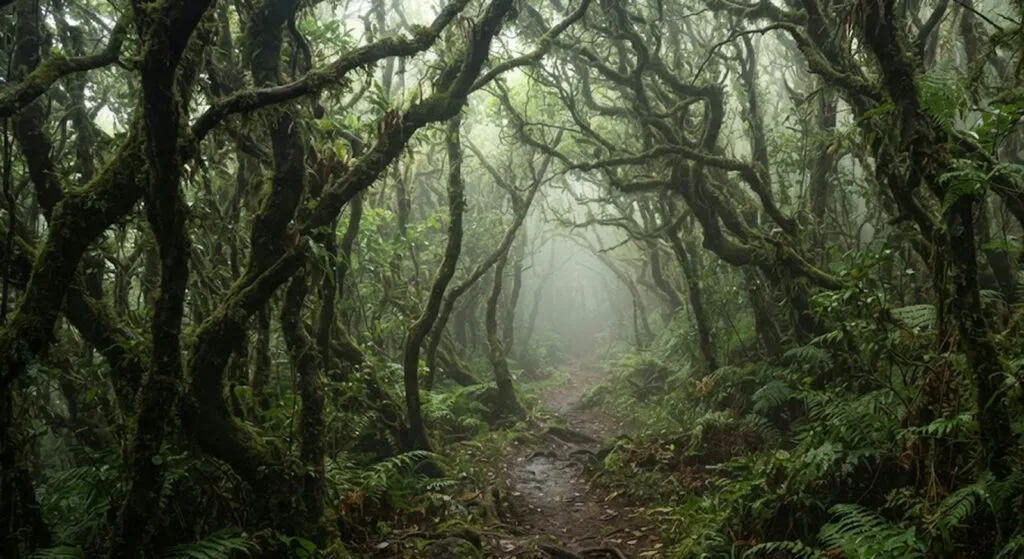
La Gomera is the second smallest of the Canary Islands and the easiest one to miss. Tenerife is right next door, loud and crowded, and the ferry between the two runs several times a day. That is exactly why La Gomera has stayed what the other islands no longer are - a place where there is nothing much to do, and that is the point.
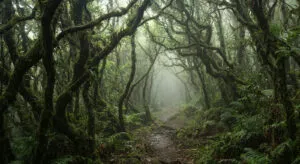
The centre of the island is held by the Garajonay National Park, protected as a UNESCO biosphere reserve. What grows inside is laurisilva - a damp, fog-fed forest that existed at these latitudes even before the ice age. Laurel, til, ivy and faya, trunks wrapped in moss, ferns up to your knees and fog that does not lift all day.
The forest drinks from clouds
This forest does not live on rain, but on fog. The branches and leaves catch moisture from the Atlantic clouds climbing the slopes and let it down into the ground. It is a water collection system millions of years old, running without a pump and without an electricity bill.
El Cedro is the part with the oldest trees, and Laguna Grande is where most of the trails start. Roque de Agando is what was left when erosion ate the soft layers around hardened magma - a volcanic finger standing alone above the valley.
The villages below the forest
Agulo, Vallehermoso and Hermigua sit on the terraces below the park. The Hermigua valley is farmland in steps - the same technique you find on Balkan hillsides, except here bananas and palms grow on it instead of vines.
From the kitchen: gofio (flour from roasted grain), almogrote (a hard cheese spread), guisana water, a local potato tortilla, and wine from the forastera gomera grape that exists only here. None of it was designed for a tourist menu - it is food from an island where there once was not much choice.
And here is what separates La Gomera from every other island most of all: silbo, the whistled language. For centuries shepherds communicated across the valleys by whistling, because shouting does not carry that far. Today it is taught in workshops for visitors, but also in the island's schools - which means it is not a museum exhibit but a living language.
There is also the shepherd's leap, a pole technique for descending steep slopes, tastings in family cellars, courses in making almogrote. The island does not try to impress you. That is a rarer quality than it sounds.
The latest 10 news from this category
A 16th-century monastery, a hotel since 1902, and a guest list running from Elizabeth Taylor to Nicole Kidman. What they...
The turquoise water in the photographs is geology, not marketing. And the best thing in the whole region cannot be...
Fifty kilometres offshore, nineteen hectares of land and not a single hotel. Forty years on, the sea beneath the Columbretes...
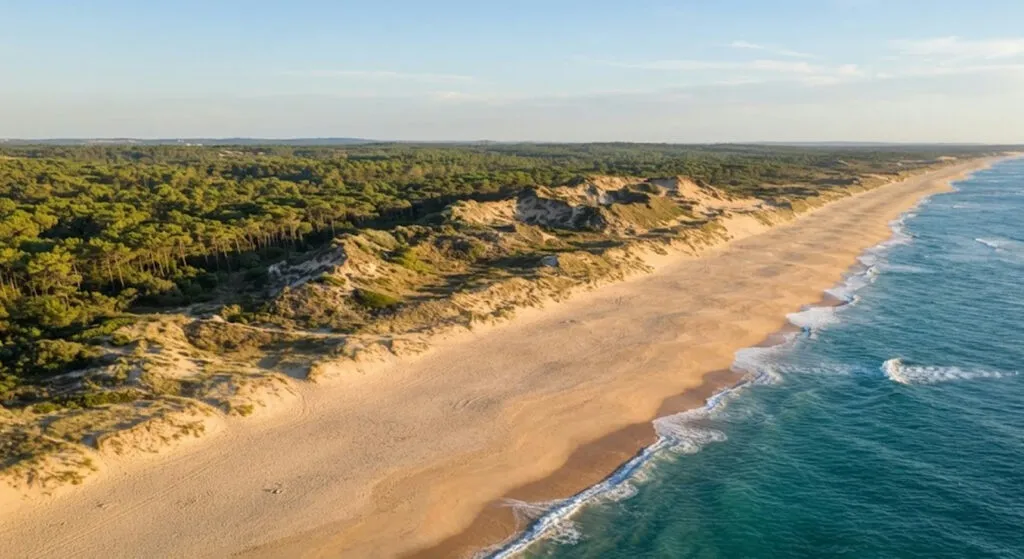
The August crowds are gone, the water stays warm for weeks. One beach has no shower and no shade -...

The capital of country music does not geographically sit on the legendary Highway 61 - you have to turn off....
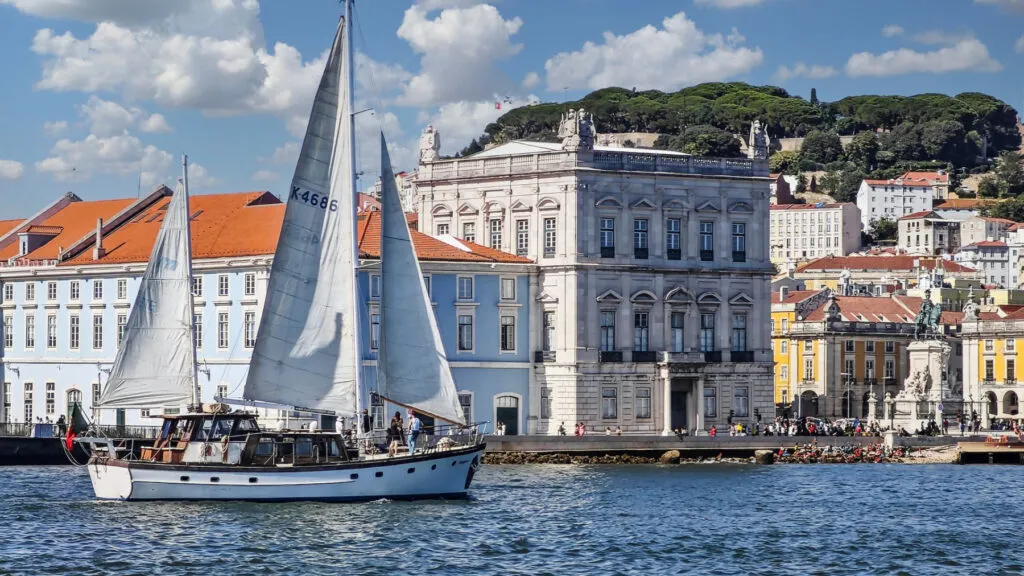
An hour on a sailing boat costs 25 euros, sunset 43. The best detail in the city is a rhinoceros...
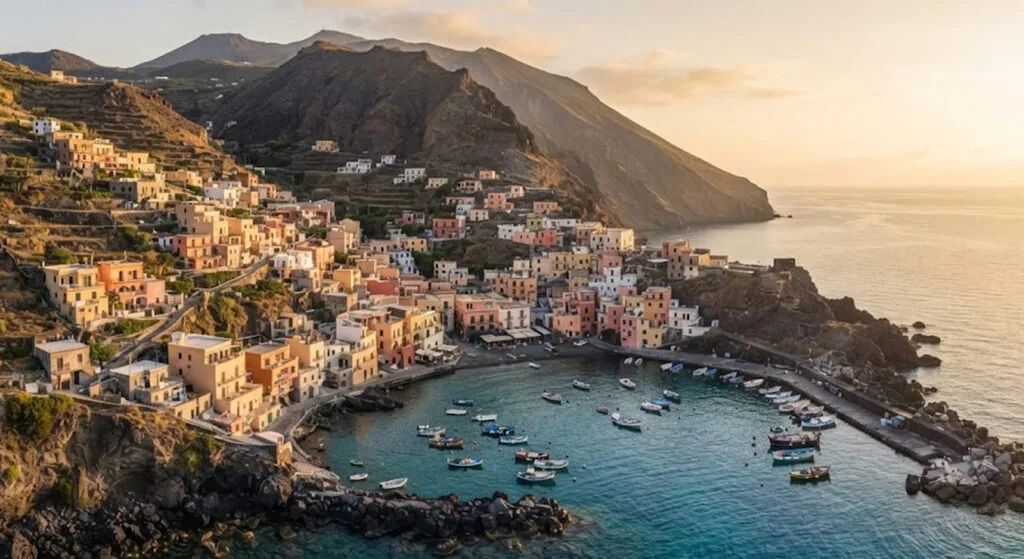
Of the six, only two are inhabited year-round and two are practically empty. Next time you hear the Union was...
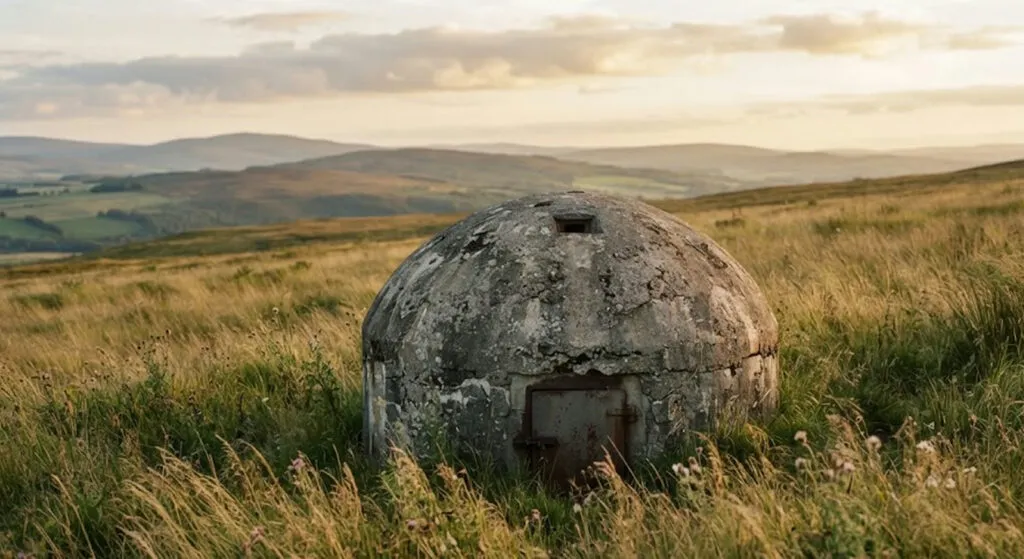
The pyramid raised in the dictator's honour is now an arts school. We are still arguing about whether to open...
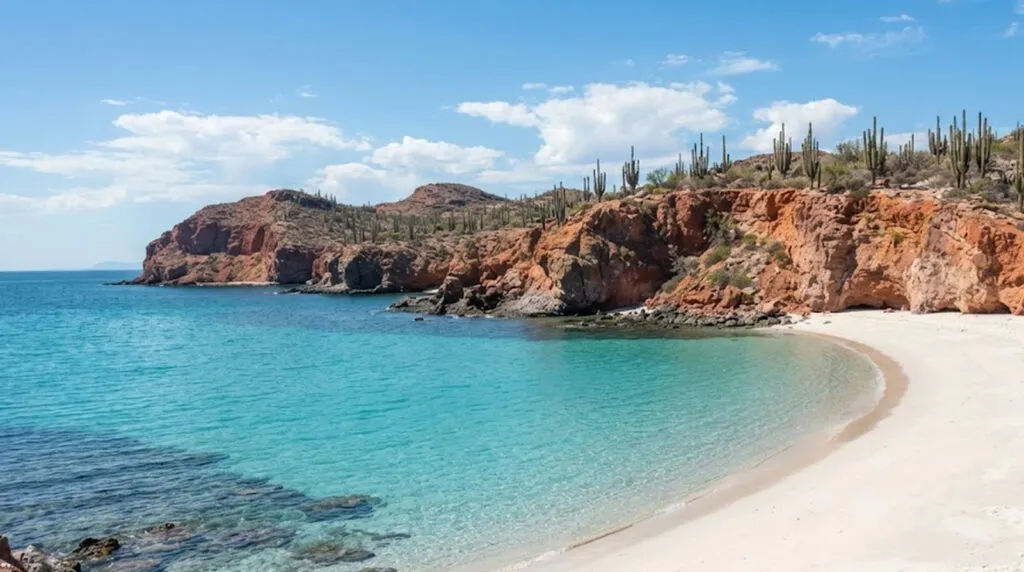
Cousteau called the Sea of Cortez the world's aquarium - 900 marine species and 33 mammal species back the name...

Half an hour of reading before you pay for the ticket solves all ten. The question is why we never...
This site uses cookies - is that okay? Learn more
Be the first to know when Metla launches something new
Leave your email and we will write when there is a new guide or something new on Metla.
