

The smoke over Skopje is coming from Kosovo: for the first time our helicopter is fighting a fire outside the country
04.09.2026


04.09.2026

04.09.2026

04.09.2026
04.09.2026
04.09.2026

04.09.2026

04.09.2026

03.09.2026

02.09.2026

04.09.2026

04.09.2026

03.09.2026

04.09.2026

04.09.2026

04.09.2026

04.09.2026

03.09.2026

02.09.2026

04.09.2026

04.09.2026

04.09.2026

04.09.2026
03.09.2026
02.09.2026

09.03.2026

27.02.2026

19.02.2026

04.09.2026

03.09.2026

02.09.2026

23.04.2026

23.04.2026

12.04.2026
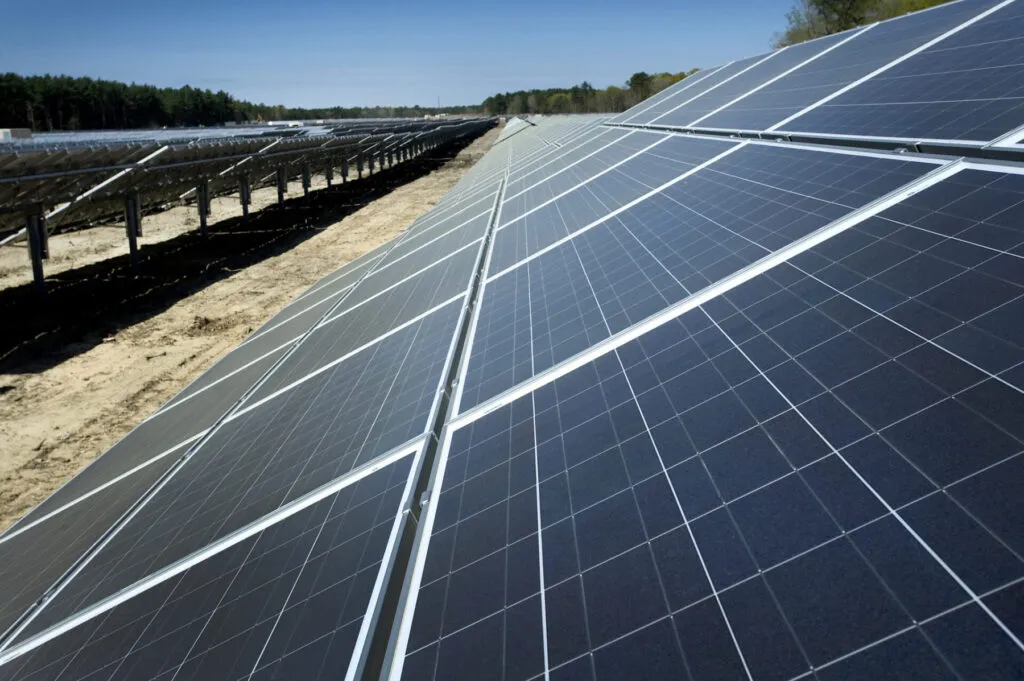
The State Audit Office has published a finding that describes the entire renewables story in Macedonia in a single sentence: from 2022 to May 2025, photovoltaic power plants were built with no functioning planning system, without the key planning documents, and with almost no supervision on the ground.
The most extreme example: three plants with installed capacity of 19, 174 and even 337 megawatts received construction permits from municipalities - not from the competent ministry. For facilities of that size the procedure had to be run by the line ministry, with the government adopting a decision on authorisation.
The 337 megawatt plant is enough to cover the consumption of around 94,000 households. The permit was issued by a local authority in December 2023. The two smaller ones got their municipal permits in January 2024.
The gap that opened the door
The audit shows that right up to November 2024 the Construction Law contained a systemic weakness: ground-mounted photovoltaic panels were placed in a category of structures without their capacity being defined at all. One megawatt or three hundred megawatts - same category, same procedure.
The second hole is bigger still. Until May 2025 the state had not adopted an Indicative Plan for building renewable capacity at all. By law that document is the basis for calculating whether and where new capacity can physically connect to the power system.
Without it, for years the ministries could not lawfully issue consents for plants larger than 10 megawatts. Investors obtained approvals purely under the Construction Law, bypassing the energy filters completely. The enterprises responsible for energy and utility infrastructure issued connection opinions, the auditors note, purely as a formality - with no real checks on grid capacity.
The audit also found cases where two building permits were issued on the basis of one and the same urban planning extract for a single plot. Investors were not treated equally when paying utility charges either.
New law, same standstill
In May 2025 a new Energy Law was adopted, with an obligation to produce annual plans. The annual plan for 2026 was adopted on time, but not all the institutions invited took part - 74 municipalities did not submit their energy plans, because the authorities had not adopted the bylaw on their content and methodology.
The rulebook on the criteria for obtaining authorisation still has not been adopted, and the government commission for granting authorisations has not been formed. That means an institutional standstill for every new project of one megawatt and up.
What is still ahead
The auditors warn about a problem that does not even have a name in the law yet. The state has no functioning Register of Power Plants, and waste from photovoltaic equipment and battery storage has no legal categorisation.
The panels installed today will reach the end of their life in about twenty years. The batteries much sooner. With no rules for sorting and treating that specific electronic equipment, the institutions are leaving a direct environmental risk behind them.
So the green transition here is happening in conditions where a municipality issues a permit for a 337 megawatt plant, and nobody keeps a record of what will be done with the panels once they stop working. That is not a transition - it is improvisation with a green label on it.
The latest 10 news from this category
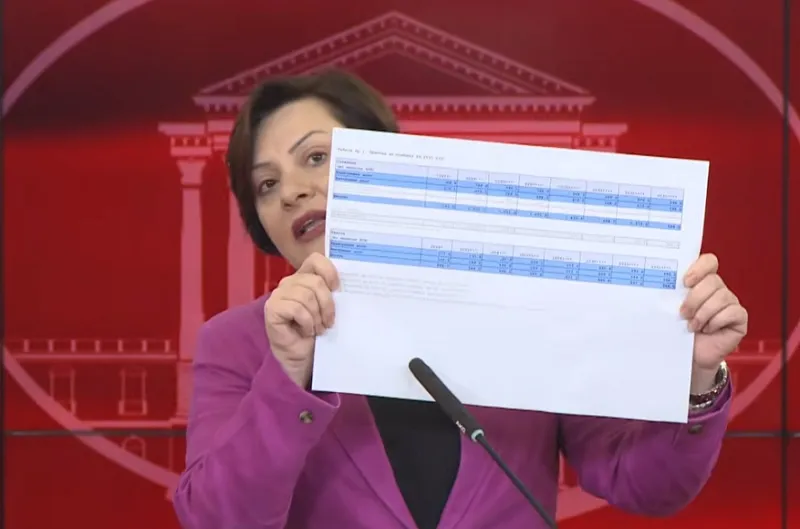
The government counts net, the opposition counts gross, and a deficit of 3.5 percent of GDP refinances nothing - that...

At the launch of new municipal vehicles the prime minister took stock of 26 months. The most interesting sentence was...

Platforms are now treated as the importers, and fines run up to six percent of annual EU imports. We are...
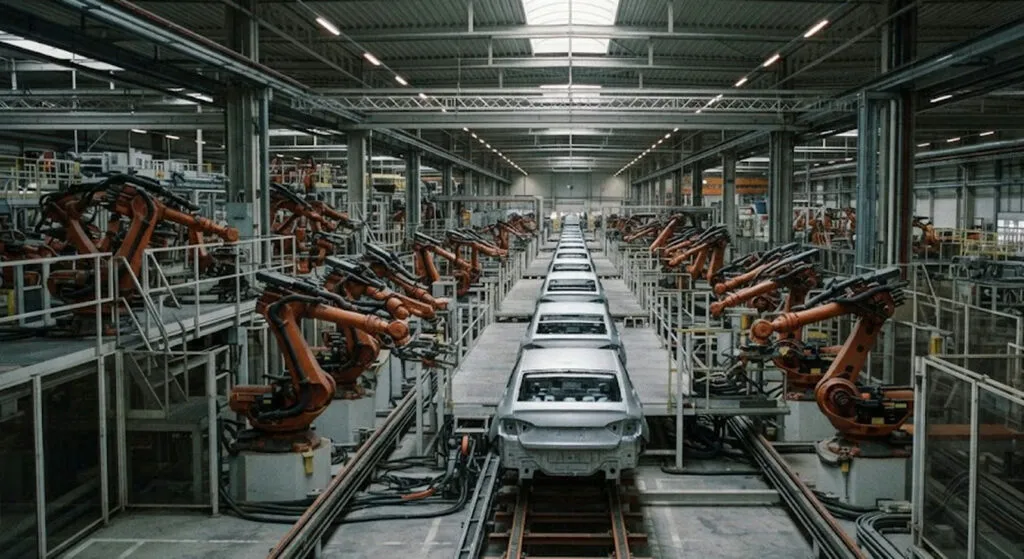
Four German plants have no guaranteed future beyond 2031. When the chain gets shorter in Wolfsburg, nobody phones Skopje.

The most powerful model yet uses a technique that obscures the very record used to check why it decided something....

Revenue jumped from 697 million to 1.2 billion in a year, and 85 percent of subscribers stay after twelve months....

Meta's and Snap's devices are sold on a promise to the person wearing them. The person across the table has...
The cheapest bid will no longer win by default. The question is who assesses quality, and what happens when that...
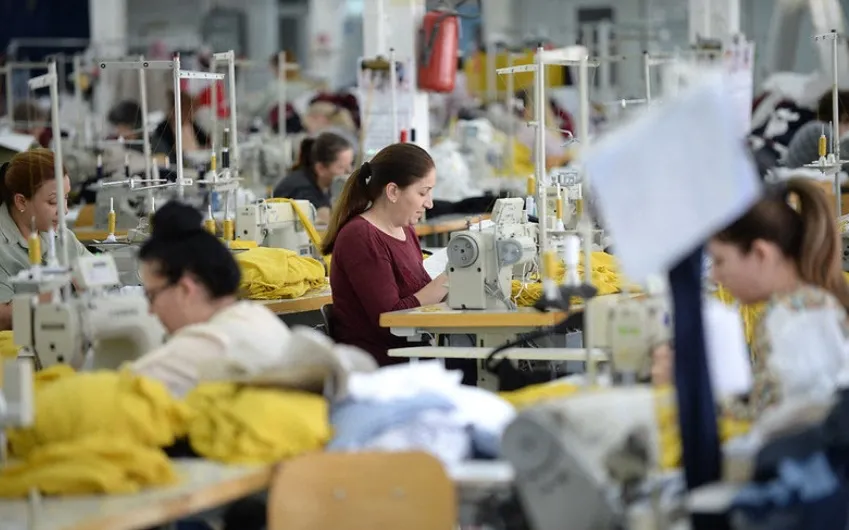
Clothing manufacturing lost 11.6 percent of its workers in a year. The computer industry gained 15.1 percent.
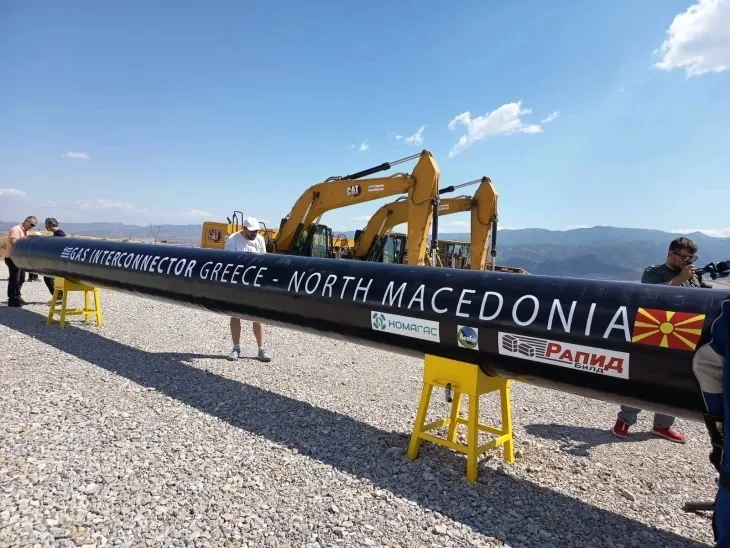
The interconnector with Greece without a market operator is just a pipe with one entry point. The decision is a...
This site uses cookies - is that okay? Learn more
Be the first to know when Metla launches something new
Leave your email and we will write when there is a new guide or something new on Metla.
