

Cancer Drug in a First Aid Kit at Bogorodica: Why Was the Driver Also Carrying 30 Labels?
22.10.2026


22.10.2026

22.10.2026

22.10.2026

22.10.2026

22.10.2026

22.10.2026
22.10.2026

22.10.2026

21.10.2026
22.10.2026

22.10.2026

21.10.2026
22.10.2026
22.10.2026
22.10.2026
22.10.2026
21.10.2026
20.10.2026
22.10.2026

22.10.2026

21.10.2026

22.10.2026
22.10.2026
21.10.2026
22.10.2026
20.10.2026
19.10.2026

23.04.2026

23.04.2026

12.04.2026

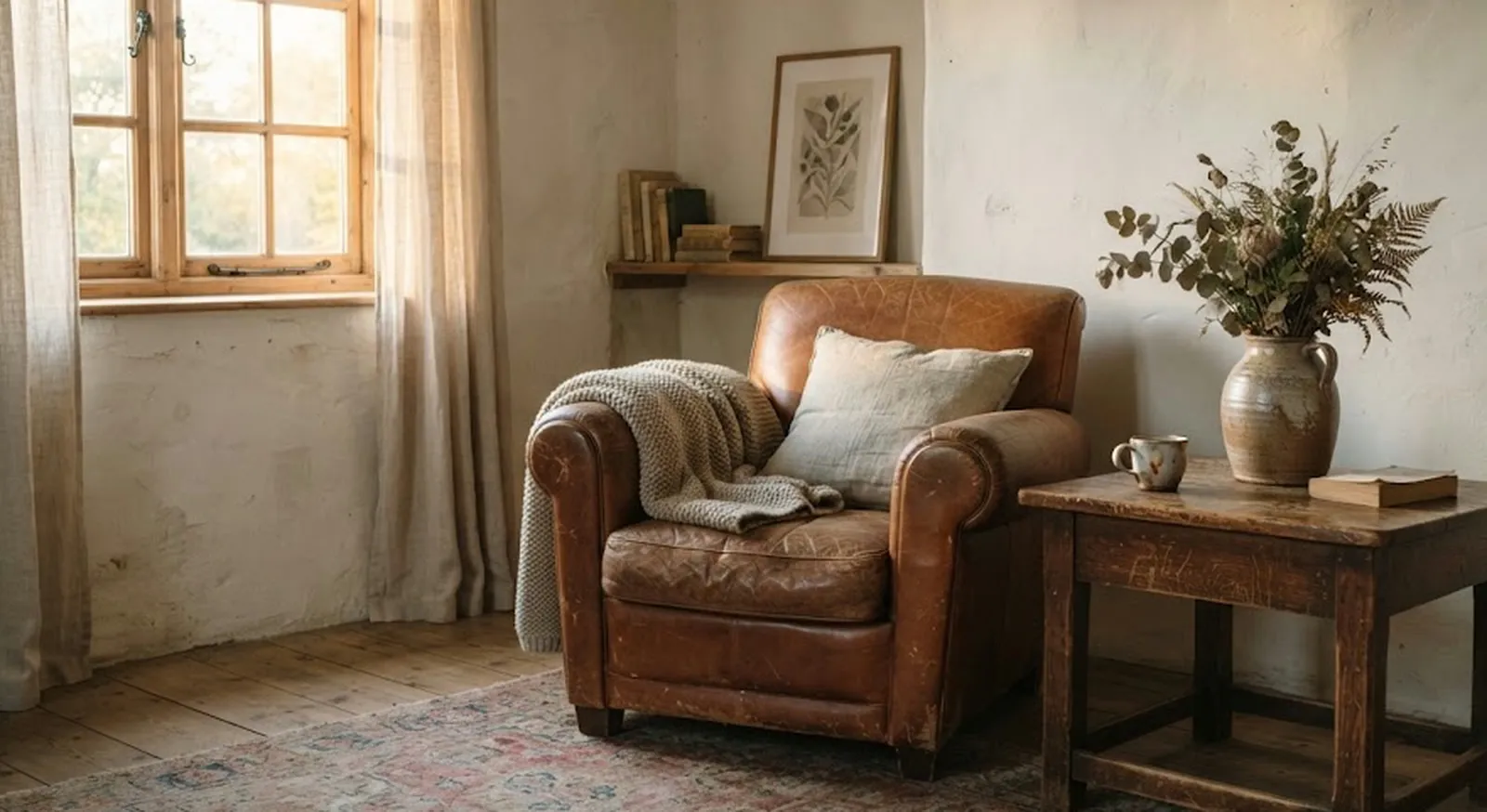
There is one sentence that demolishes the last ten years of Instagram home styling: "It is not about how much things cost, but how much they say." It comes from David González, interior designer and co-owner of the Alberto Torres studio, and it is the basis of what he calls found luxury - the direction he believes will define decoration in 2027. If "quiet luxury" was about quality without logos, this is about something harder: objects with a biography.
The first rule is about speed. A home should not be finished all at once. It should be built gradually, layer by layer, the way the life inside it is built. That sounds lovely until you grasp what it actually means - that a fully furnished flat done in two weeks, bought from one showroom out of one catalogue, will by definition not have it. Here the Balkans have an advantage without knowing it: half our homes are exactly like that, piled with things from three generations, and for decades that was considered a shortcoming.
The return of vintage and of grandmother's decor. Older objects, González says, carry something that cannot be reproduced: memory. This is not nostalgia for one period, but the mixing of several periods in the same room. The display cabinet, the chair from your grandfather's house, the dinner service that stayed unopened - all of it is suddenly a trend, after thirty years of being thrown out or sold for small change.
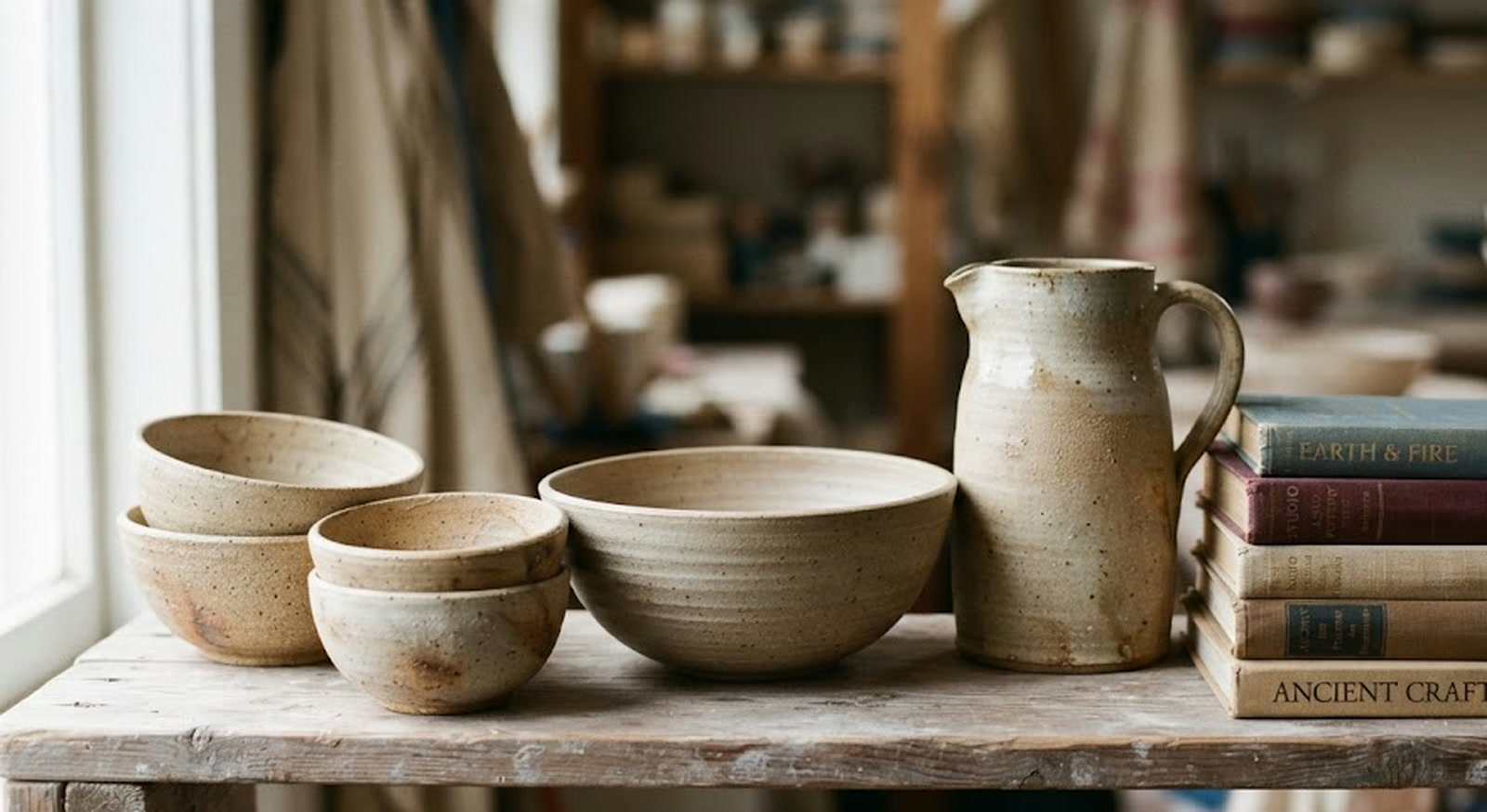
Fewer objects, but with a story. Instead of choosing objects by whether they match aesthetically, you choose them by whether they mean something. "There is no need to fill the house: the secret is to choose less and feel more," says González. This is the part that will irritate anyone who loves symmetry, but it makes sense - an object on an empty shelf breathes, while ten objects on the same shelf are furniture.
Eclectic, but with a common thread. Mixing styles does not mean chaos. You need one element that binds them - a colour, a material or a theme - otherwise the room starts to look like a second-hand shop. That is the difference between a home that collected objects and a home that hoarded them.
Craft as the foundation. Handmade work brings a human trace that mass production cannot imitate. That is good news for anyone who knows where to buy ceramics, textiles or wood directly from the person who made them - and in our region such people still exist, only most of them sell at prices Western designers would call laughable.
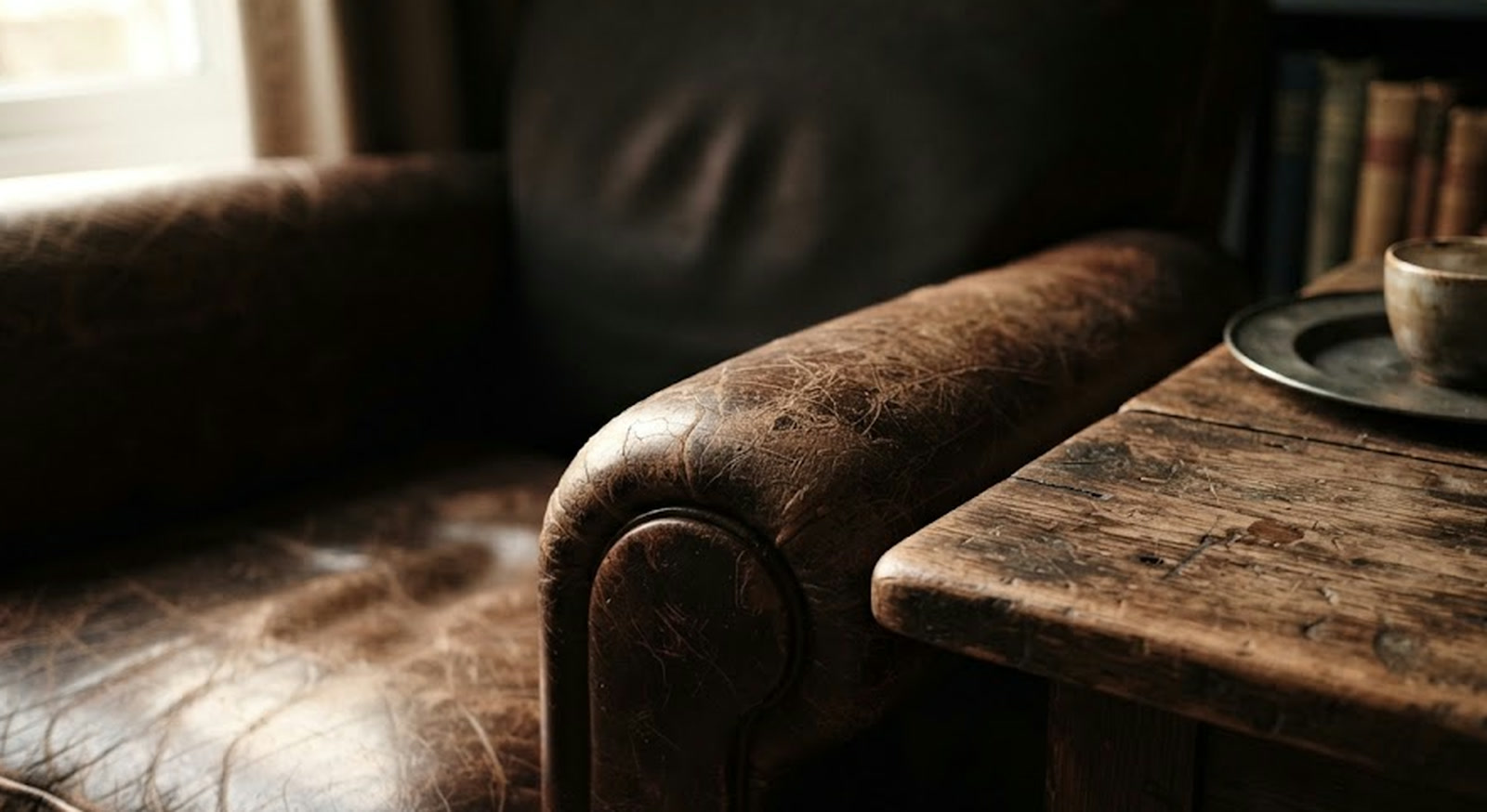
Materials that improve with time. Leather, wood, stone - natural materials develop patina and character as the years pass. That is the opposite of everything the industry sold in the previous decade, when the ideal was a surface that looks the same after ten years. The next rule attaches here: goodbye to perfection. Visible wear and marks mean somebody actually lives there, rather than the space looking like a showroom.
Real luxury is not measured in money. That is the conclusion and, to be fair, it is also the handiest sentence for an industry that nonetheless sells furniture. But "found luxury" does not replace quiet luxury - they are allies. One brings a quality foundation, the other brings a personal story. The question for a household renovating right now is simple: how much of what we are throwing out as "old" will we be buying back in five years?
The latest 10 news from this category
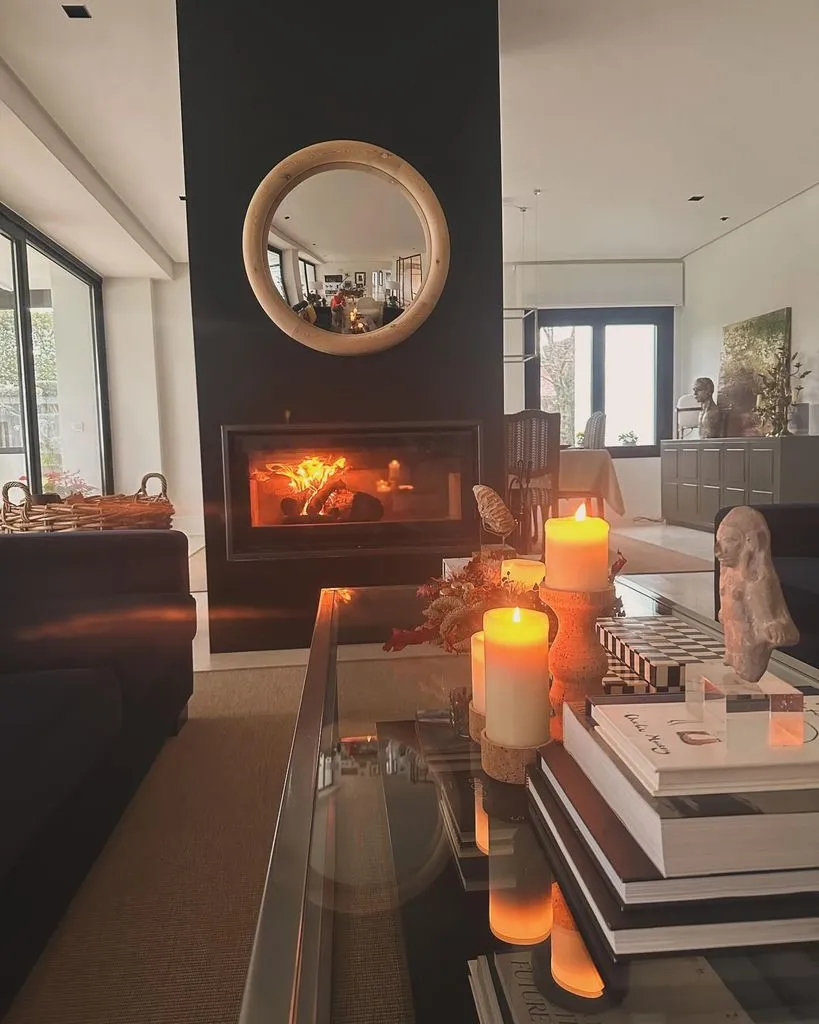
A TV presenter who lives in a rush every morning built herself a home where everything moves slowly. The best...
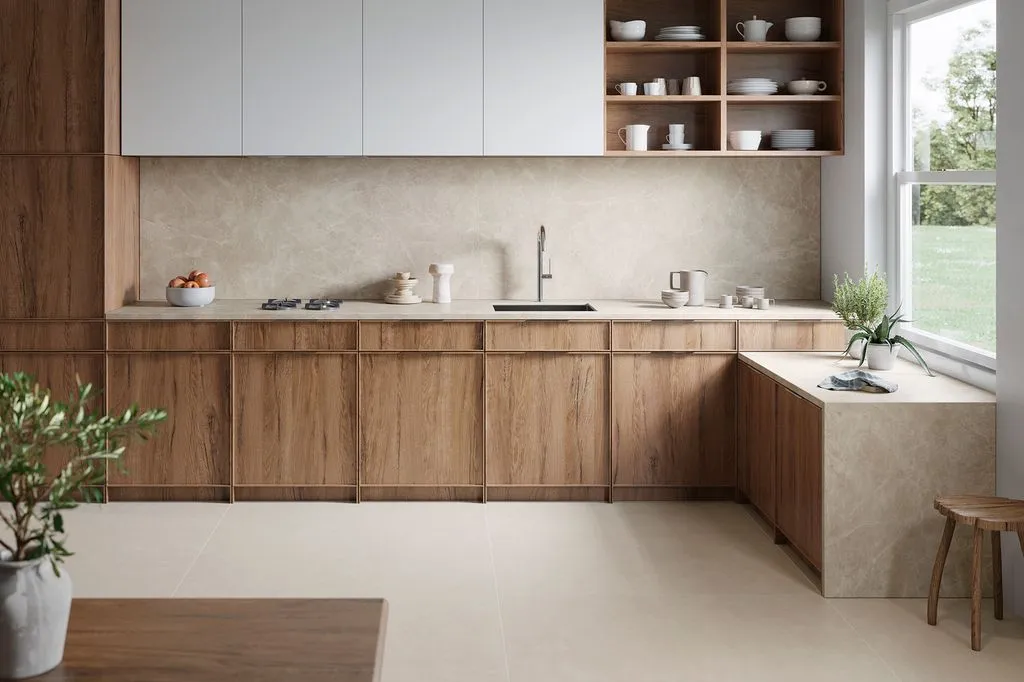
Before you pick a tile because it's on trend, ask the question rarely heard in a tile showroom: what will...
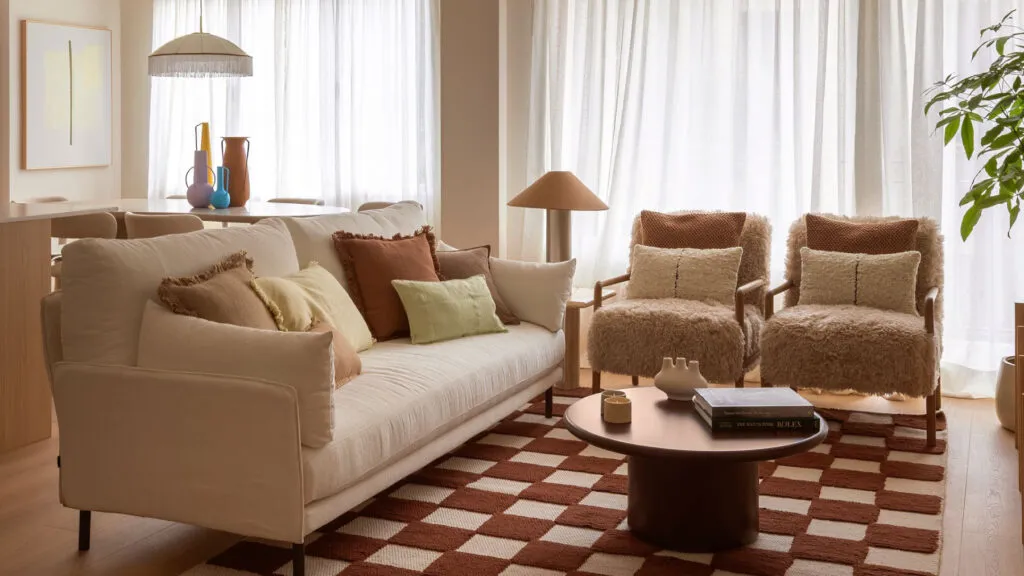
The designer removed an entire bedroom so the kitchen could reach the dining table. Sometimes a small flat is saved...
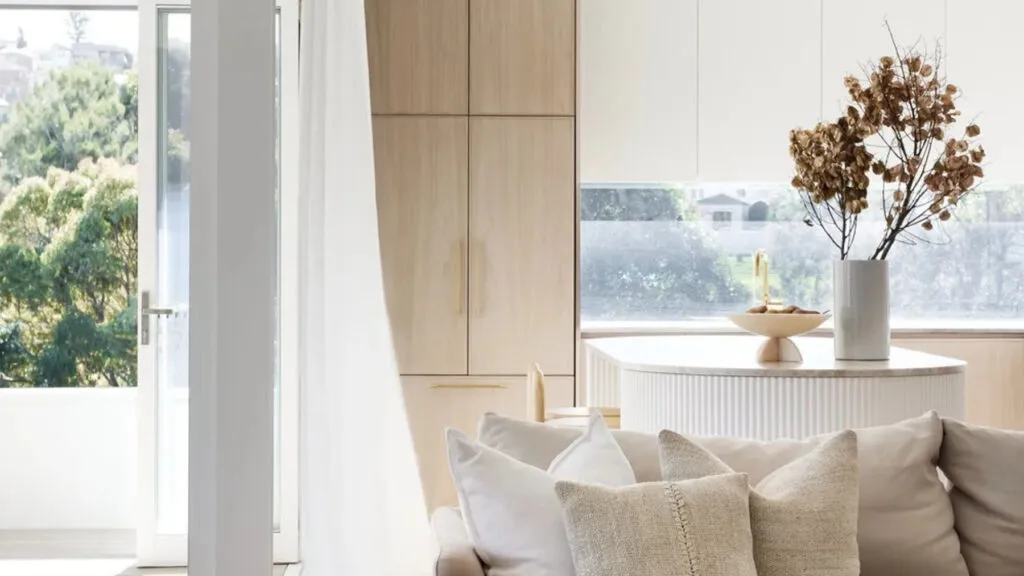
Bare walls, glass, an open kitchen and too much empty space: a home can look perfect and sound like an...
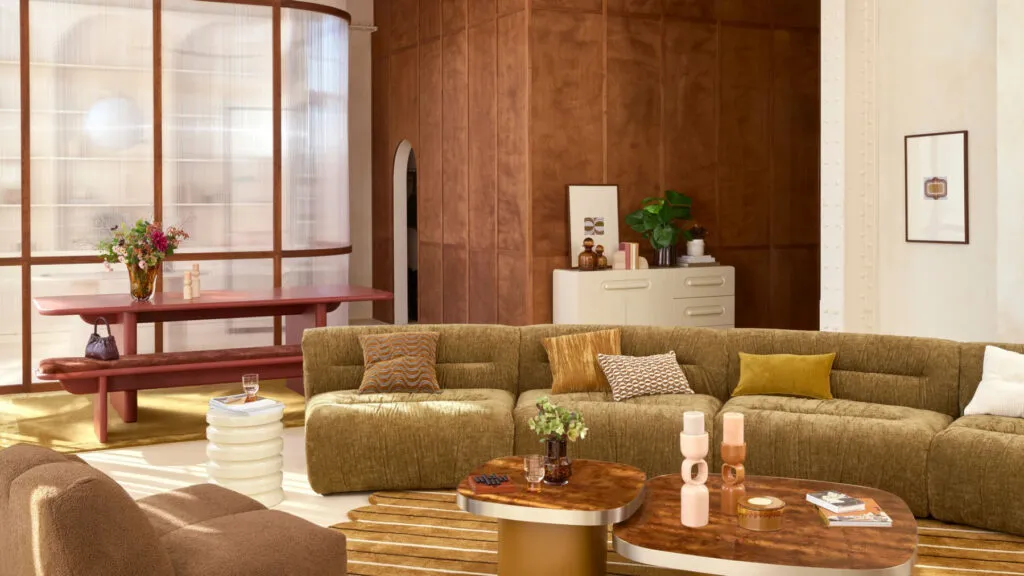
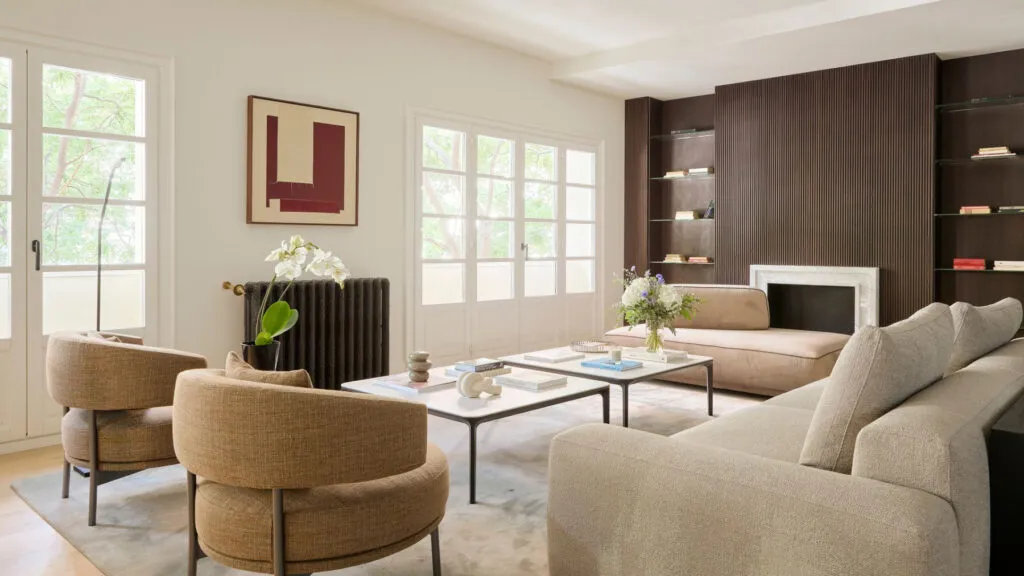
The dark wood wall unit is back in fashion, but the rule is clear: borrow the decade's warmth, don't reconstruct...
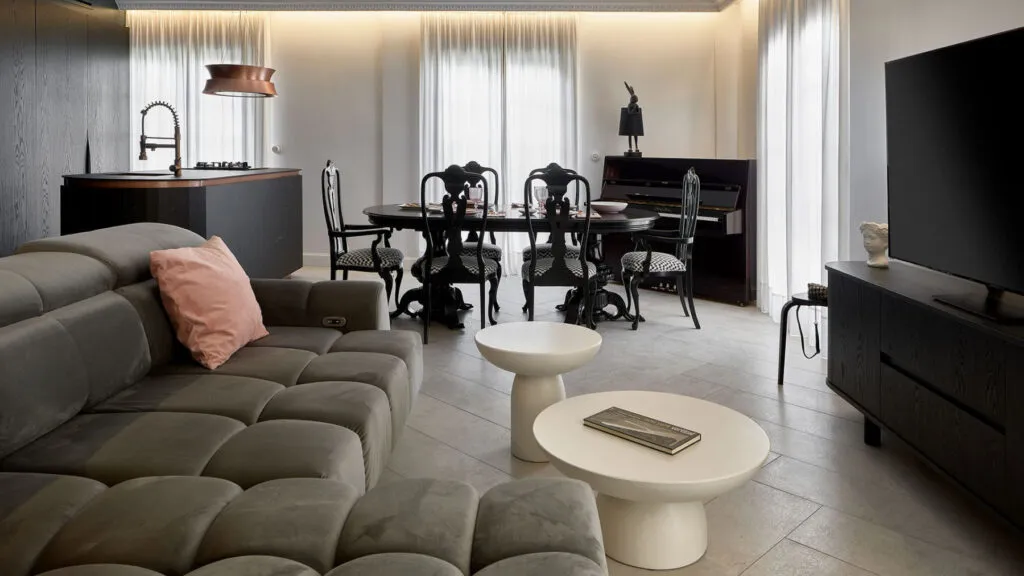
Dark colours supposedly make a room smaller. Designer Juancho González proved the opposite - with white walls, a mirror in...
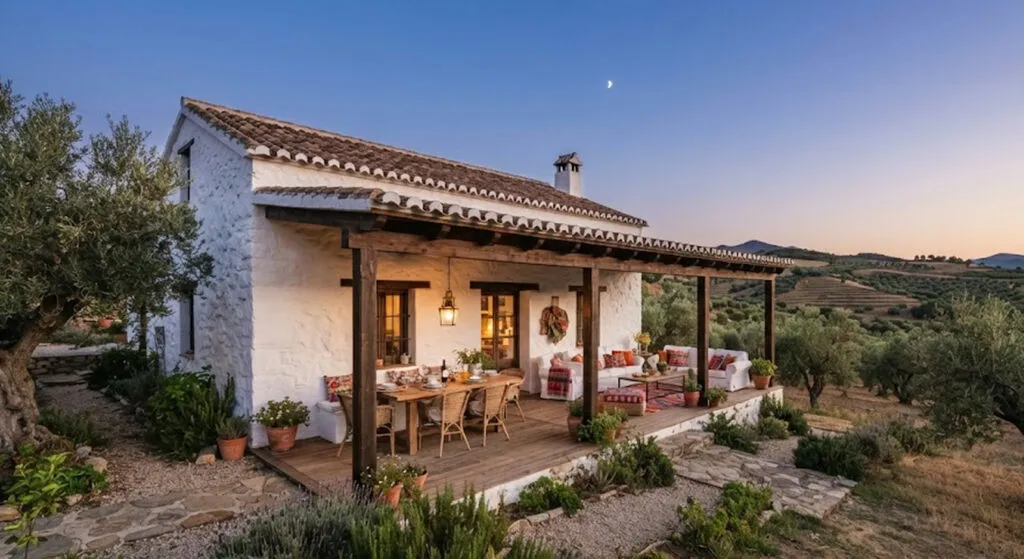
An estate bought the year he became a matador, century-old olive trees and a kitchen with velvet armchairs. How El...
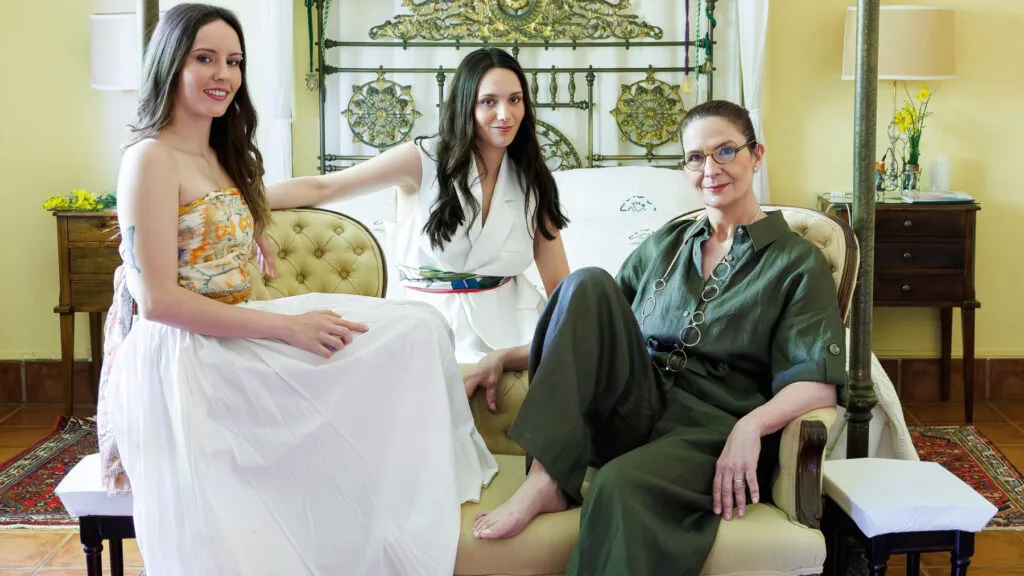
The lower cost of living in the countryside, she says, gives them "ten times more things". A home assembled over...
Bleeding the air, a pressure of 1 to 1.5 bar, 19 to 21 degrees during the day and a reflective...
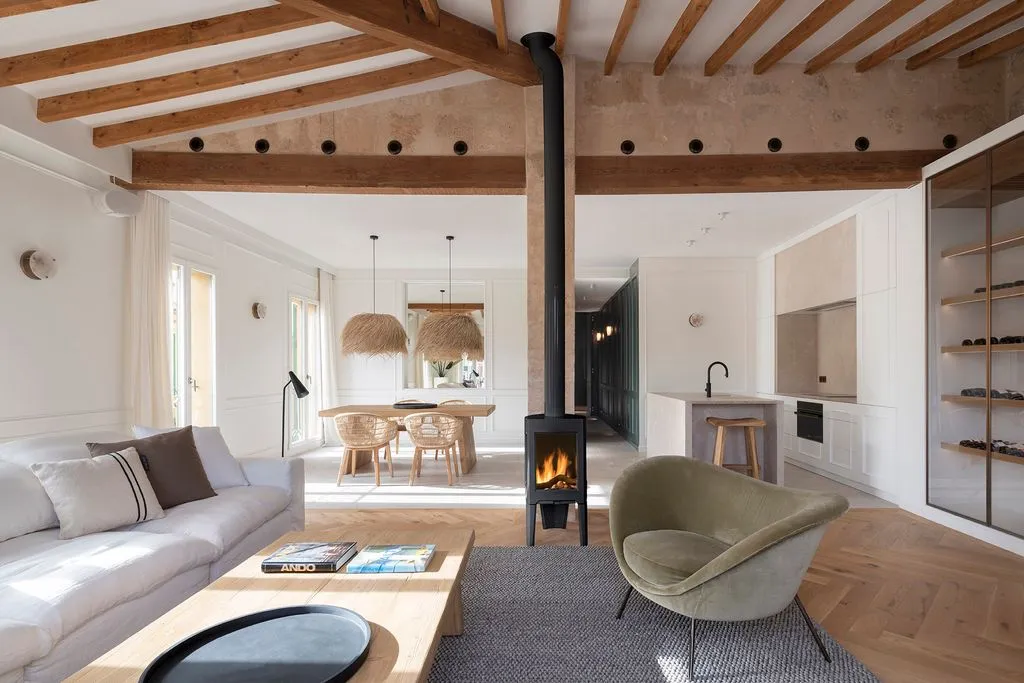
The design, the insulation and the installations - not the tiles. A Spanish architect explains how to plan a home...
This site uses cookies - is that okay? Learn more
Be the first to know when Metla launches something new
Leave your email and we will write when there is a new guide or something new on Metla.