


The smoke over Skopje is coming from Kosovo: for the first time our helicopter is fighting a fire outside the country
04.09.2026


04.09.2026

04.09.2026

04.09.2026
04.09.2026
04.09.2026

04.09.2026

04.09.2026

03.09.2026

02.09.2026

04.09.2026

04.09.2026

03.09.2026

04.09.2026

04.09.2026

04.09.2026

04.09.2026

03.09.2026

02.09.2026

04.09.2026

04.09.2026

04.09.2026

04.09.2026
03.09.2026
02.09.2026

09.03.2026

27.02.2026

19.02.2026

04.09.2026

03.09.2026

02.09.2026

23.04.2026

23.04.2026

12.04.2026
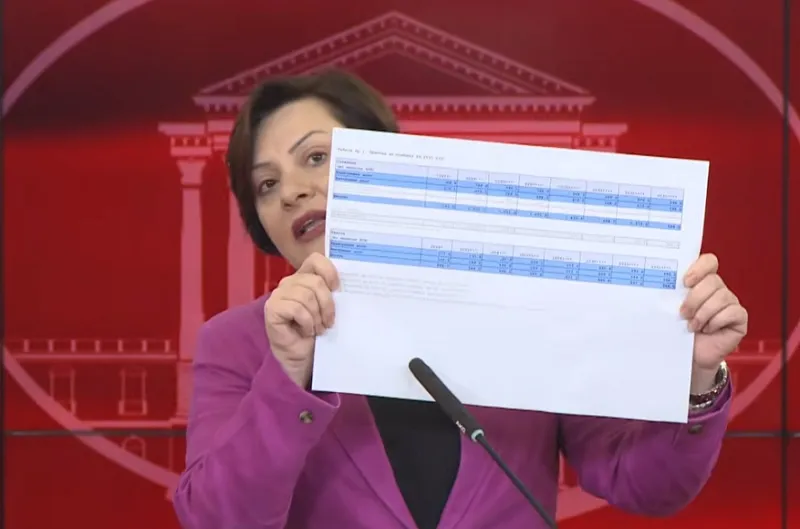
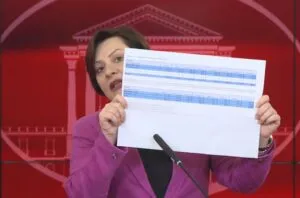
Finance minister Gordana Dimitrieska-Kočoska has confirmed that in 2027 Macedonia is due to issue a new eurobond of around 1.3 billion euros. There is no final government decision yet, but preparations are under way.
From there a political fight began in which both sides throw billions around like loose change, and nobody explains to the citizen which part of it is new debt and which part is a replacement for old debt.
What falls due in 2027
According to the minister, the obligations maturing next year come from previously issued securities and short-term treasury bills worth around 1.1 billion euros, plus financing a budget deficit of 3.5 percent of GDP.
"When you add that to those amounts, it is 1.5 billion and it is clear what the obligation is that we have to repay next year," Dimitrieska-Kočoska said. She called the opposition's claim of four billion euros of borrowing over two years "their cheerful arithmetic", explaining that repayments have to be taken into account too.
She says public debt is now below 59 percent of GDP, and pointed to economic growth of 4.3 percent in the second quarter and industrial output up 1.3 percent year on year.
What the other side says
SDSM claims the new borrowing is taking the country towards a total debt of around 12 billion euros and a public debt share above 65 percent of GDP. Party leader Venko Filipče put the question bluntly: if the economy really is doing that well, why is the state borrowing more rather than less?
The government replies that such a calculation adds up the new borrowing without subtracting the debts being repaid at the same time.
The question both sides are dodging
Refinancing genuinely is not the same kind of debt as new borrowing. When the state takes 1.1 billion in order to repay 1.1 billion, the net position does not change. That is true, and the opposition keeps quiet about it.
But there is a second part of the bill the government talks about far less - the deficit. Those 3.5 percent of GDP refinance nothing. That is pure new debt added to the pile, and it appears every year, regardless of which obligation happens to mature.
So the row over whether the total figure is four billion or two covers up the question that actually decides the future: how long can an economy growing at four percent keep spending more than it collects, and at what interest rate will that gap be borrowed in 2027?
Neither side has an answer to that. One counts gross, the other counts net, and the same budget pays the interest.
The latest 10 news from this category
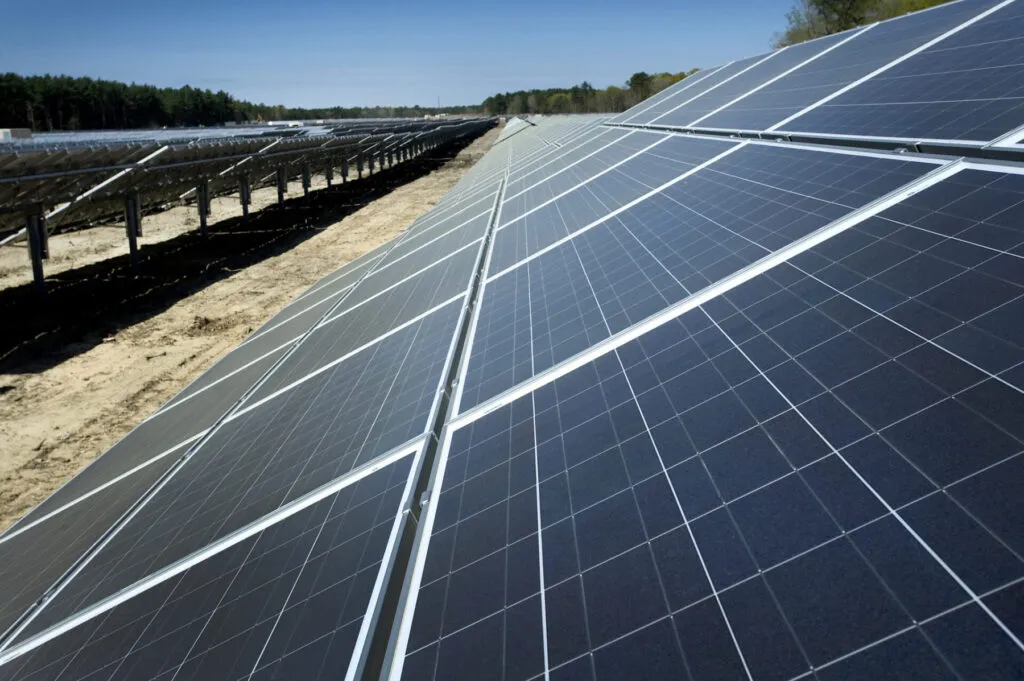
Three plants of 19, 174 and 337 megawatts got municipal approvals instead of government ones. And the waste from the...

At the launch of new municipal vehicles the prime minister took stock of 26 months. The most interesting sentence was...

Platforms are now treated as the importers, and fines run up to six percent of annual EU imports. We are...
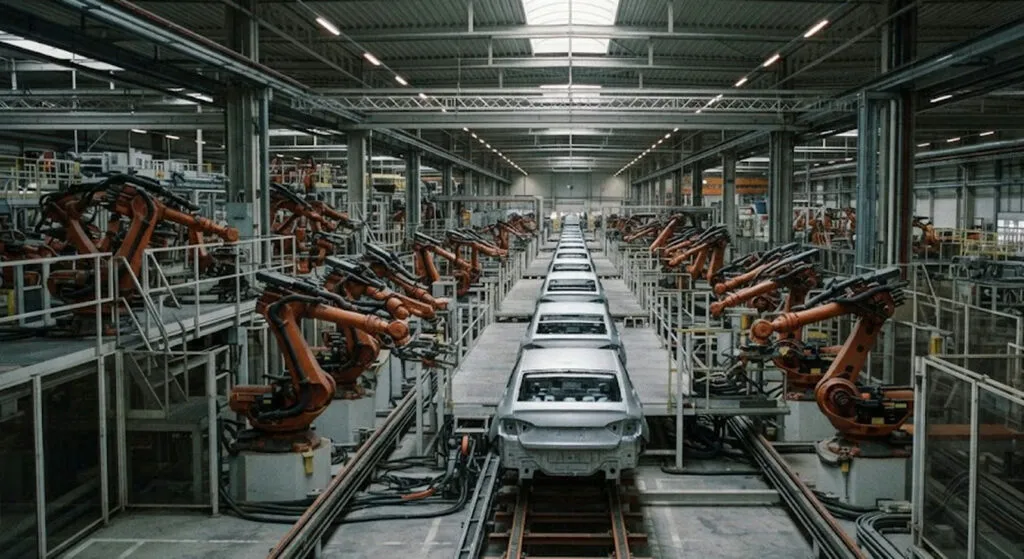
Four German plants have no guaranteed future beyond 2031. When the chain gets shorter in Wolfsburg, nobody phones Skopje.

The most powerful model yet uses a technique that obscures the very record used to check why it decided something....

Revenue jumped from 697 million to 1.2 billion in a year, and 85 percent of subscribers stay after twelve months....

Meta's and Snap's devices are sold on a promise to the person wearing them. The person across the table has...
The cheapest bid will no longer win by default. The question is who assesses quality, and what happens when that...
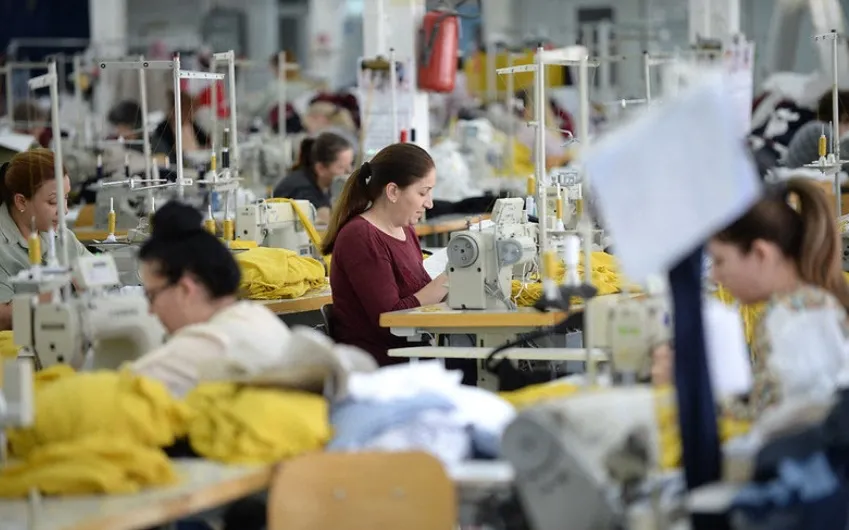
Clothing manufacturing lost 11.6 percent of its workers in a year. The computer industry gained 15.1 percent.
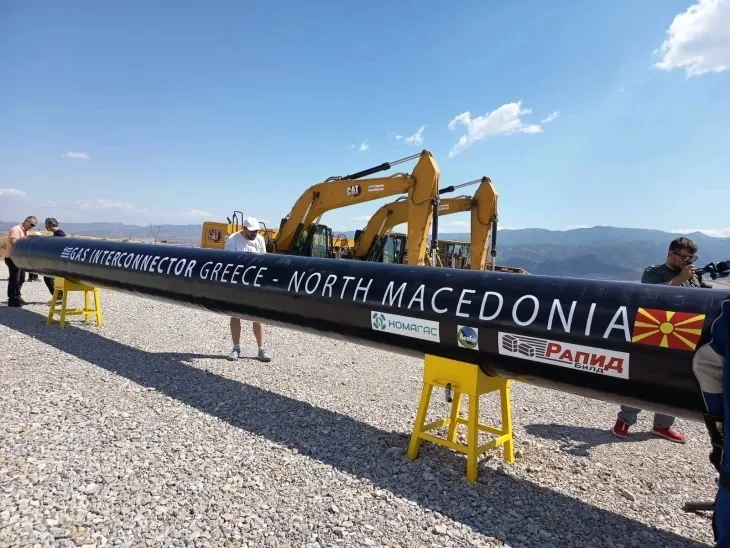
The interconnector with Greece without a market operator is just a pipe with one entry point. The decision is a...
This site uses cookies - is that okay? Learn more
Be the first to know when Metla launches something new
Leave your email and we will write when there is a new guide or something new on Metla.
