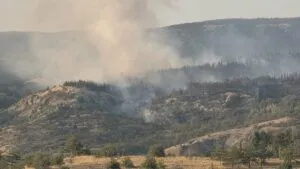
34 fires in 24 hours: three still burning, and the warnings put out nothing
09.09.2026


09.09.2026

09.09.2026

09.09.2026

09.09.2026

09.09.2026

09.09.2026
09.09.2026
08.09.2026
07.09.2026

09.09.2026

08.09.2026

08.09.2026

08.09.2026

08.09.2026

08.09.2026
08.09.2026

07.09.2026
06.09.2026

09.09.2026

09.09.2026

09.09.2026

09.09.2026

09.09.2026
08.09.2026

09.03.2026

27.02.2026

19.02.2026

23.04.2026

23.04.2026

12.04.2026

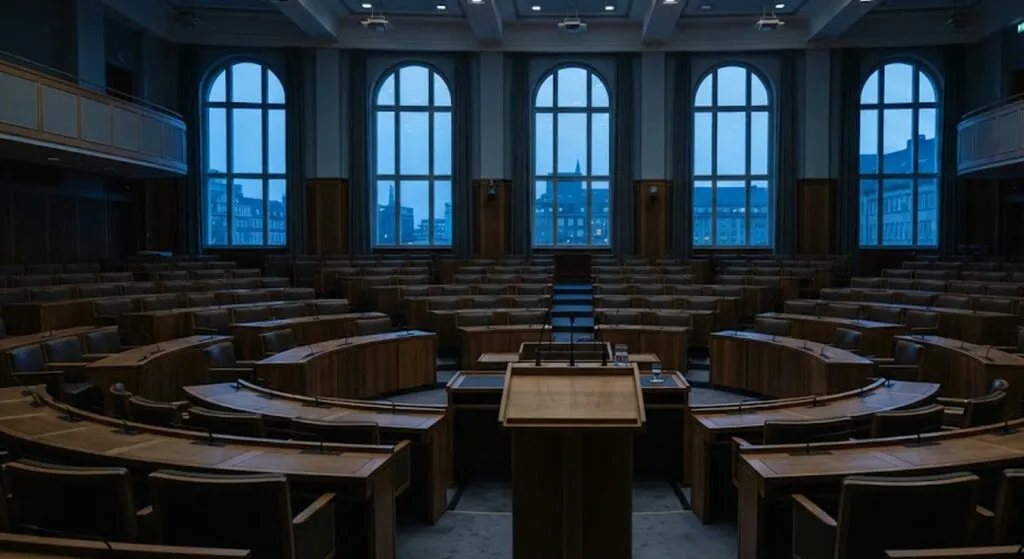
The alliance that for decades was called the "firewall" of German politics cracked last night in a way no statement can paper over. According to exit polls, the Alternative for Germany took 44.5 percent in the state election in Saxony-Anhalt. Almost half of all the votes in a federal state, for a party that has never yet run one.
Chancellor Friedrich Merz's Christian Democratic Union, the party that kept Germany as a byword for stability, fell to around 23 percent. Half as much. That is not a lost election, that is erased ground.
The party that has never governed - now on the threshold
The AfD had been leading the polls for months on over 40 percent, and its candidate for state premier Ulrich Siegmund openly demanded at least 45. So nobody was surprised. And that is the more interesting part of the story: everyone knew what was coming and nobody had anything to offer against it.
Until now the AfD has not led a single German federal state. An absolute majority would let it bypass what Germans call the Brandmauer - the informal rule that established parties do not cooperate with it. A rule that works exactly as long as the arithmetic allows.
And this time the arithmetic is tight. Forty-four and a half percent of the vote does not automatically mean a majority of seats - that depends on how many smaller parties clear the five percent threshold. If the AfD falls short of an absolute majority, forming a government becomes far more complicated, because the other large parties have ruled out a coalition with it in advance.
The test that was not about Saxony-Anhalt
The vote in this east German state is not a local matter. It is the first real assessment of the Merz government's policies, and the assessment is harsh. The AfD built its result on four themes: migration, security, economic discontent and contempt for the existing political establishment. Not one of them is invented - they are all real problems that somebody else should have answered first.
The AfD's state organisation in Saxony-Anhalt is classified as a far-right extremist organisation by the state office for the protection of the constitution. The party rejects that classification. So, evidently, do 44.5 percent of voters.
If the projection holds, this is one of the AfD's biggest political breakthroughs since its founding, and a serious signal ahead of elections in the other eastern states. The Balkans have heard the lesson many times over that labelling an electorate does not shrink it - it grows it. The question is whether Berlin is listening now.
The latest 10 news from this category

CENTCOM hit four ships in the Gulf of Oman and one near Hormuz. The retaliation did not go towards Washington...
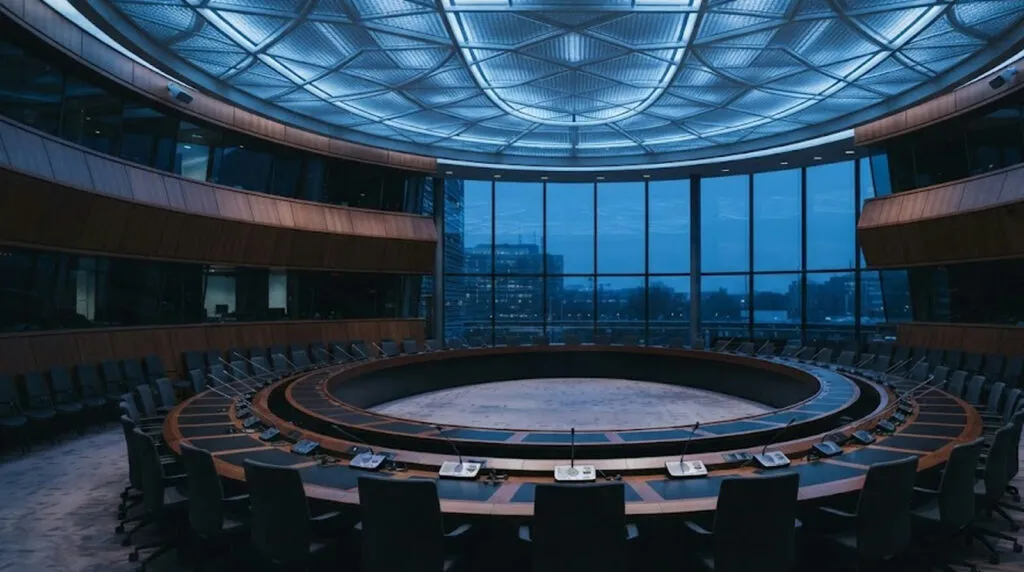
The EU wanted the brightest minds for European defence. Italy read who was on the list and the initiative was...
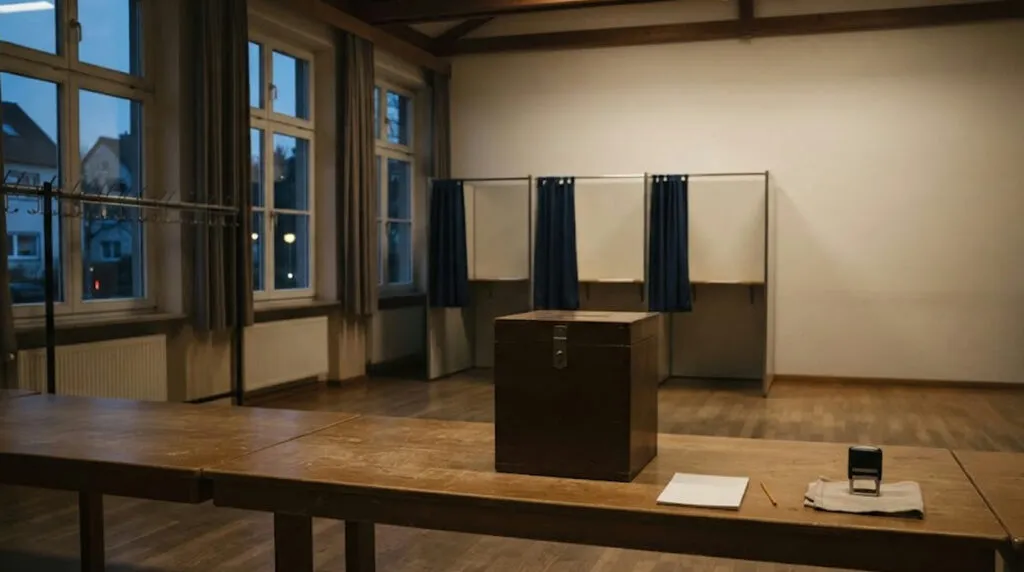
For decades Germany lectured everyone else about outside interference. Now it gets congratulations from an ally, posted on a network...

It took twenty-five years and a lawsuit to bring into the open what was written down in the very first...
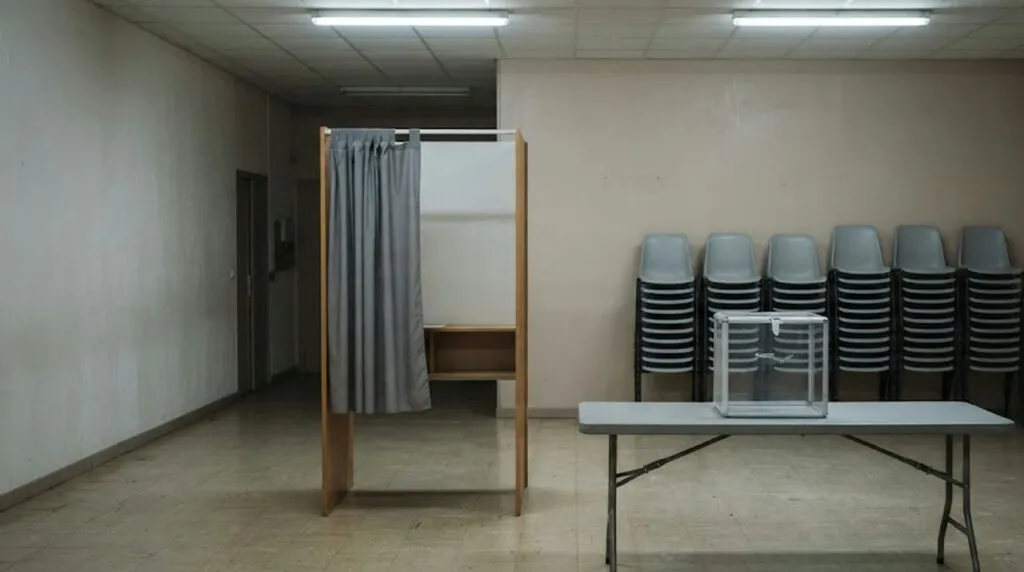
The party that held Saxony-Anhalt for decades fell to 17.2 percent. Merkel did not blame the voter - she blamed...

For sixteen years Hungary was Moscow's closest ally in NATO. Then the people running it changed - and within a...
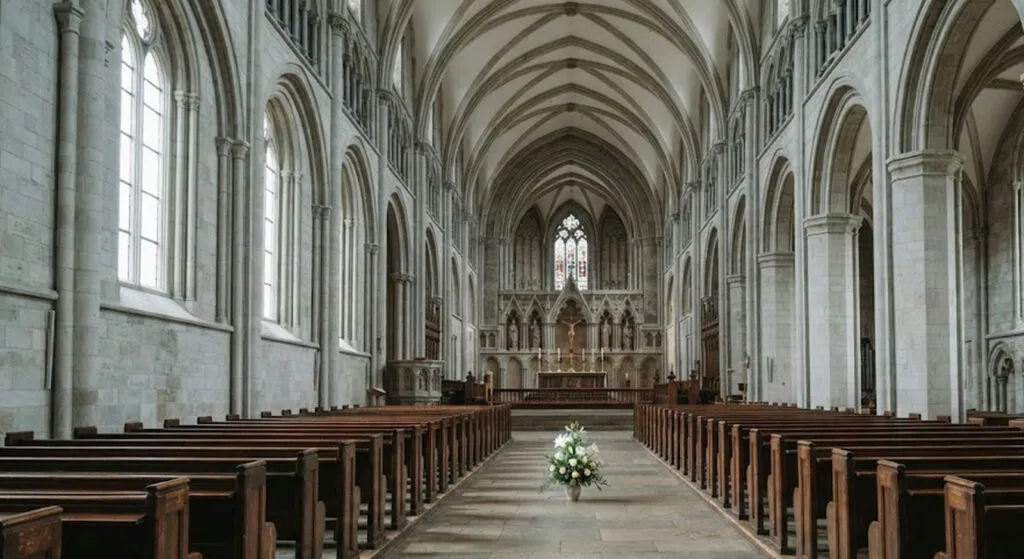
Thirty-five years on the throne and not one scandal to fill a front page. Half of Europe's royalty sat in...

Plus 23 percentage points for one party, the CDU halved twice over, record turnout of 77.8 per cent. And a...
Practically the whole map of European monarchy is coming to Oslo Cathedral. Charles III is not - and that is...
The palace says she is in good spirits and recovering well given the circumstances. Three words that guarantee nothing.
This site uses cookies - is that okay? Learn more
Be the first to know when Metla launches something new
Leave your email and we will write when there is a new guide or something new on Metla.