Eye Surgeries Billed Twice, Up to 4,000 Patients Hit: The Violations Were Known, the Fines Never Came
30.10.2026


30.10.2026
30.10.2026
30.10.2026
30.10.2026
30.10.2026
30.10.2026
30.10.2026
29.10.2026

29.10.2026

30.10.2026

30.10.2026

29.10.2026

30.10.2026

30.10.2026

30.10.2026

30.10.2026
29.10.2026

28.10.2026
30.10.2026

30.10.2026

30.10.2026
30.10.2026
30.10.2026

30.10.2026
30.10.2026
29.10.2026
28.10.2026

23.04.2026

23.04.2026

12.04.2026

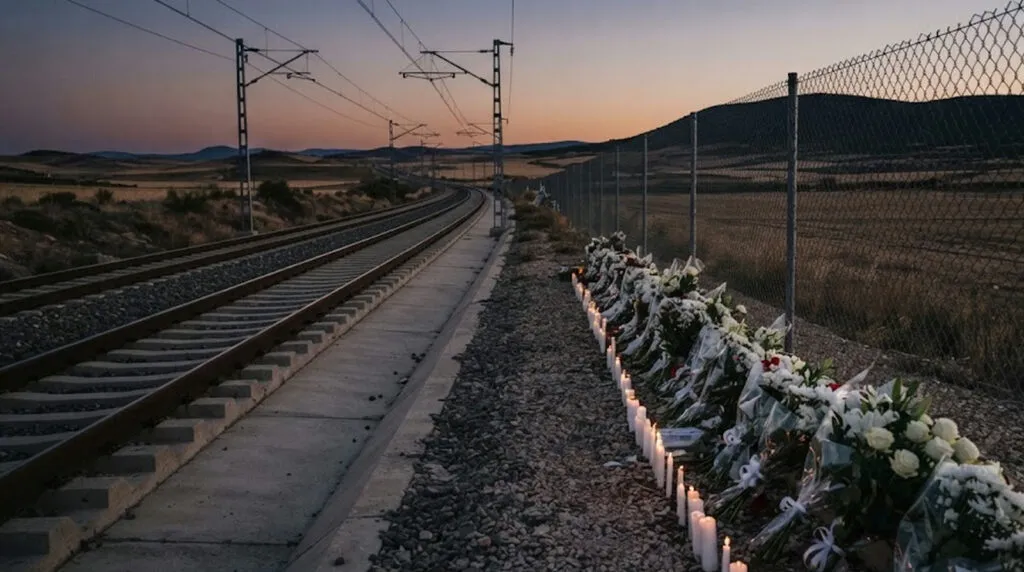
Spain is in three days of national mourning. At least 68 people have died, dozens are injured, and many of the victims have still not been identified. It is one of the worst rail disasters in modern European history and the deadliest in Spain since 2013, when 80 people died near Santiago de Compostela.
On Wednesday morning, a high-speed train on the Madrid - Seville line slammed from behind into a train standing on the track. The stationary train, run by private operator Iryo with 147 passengers on board, had stopped because of a computer system failure. It was hit by a train run by state operator Renfe carrying 397 passengers. Several carriages came off the embankment, and one caught fire. Rescuers spent the whole night cutting through metal under floodlights, searching for survivors.
The key to the story is one decision. Transport Minister Óscar Puente explained that when the system fails, control passes to the duty control centre in Madrid, which runs around the clock. That very centre, according to the minister, made an "incomprehensible" decision: it sent the trains an instruction to start moving again, with no speed restriction whatsoever. Audio recordings of the conversations between dispatchers and drivers show the same thing - the high-speed train got a green light even though the train in front of it was standing broken down.
When a minister himself calls what a service under his own responsibility did "incomprehensible", the question stops being a technical one. Who will answer for it? Prime Minister Pedro Sánchez said it was "unacceptable" for Spain to suffer two major rail disasters in a single year. In January, near Córdoba, on the same line but much further south, 46 people died. Two catastrophes on the line to Seville in one year.
That night around 1,500 people gathered outside the Transport Ministry in Madrid, demanding the resignations of Sánchez and Puente. Police used tear gas after protesters began throwing bottles and flares; according to reports, no one was injured or arrested. Train drivers announced a strike for Thursday, "in defence of railway safety". "Spain has the right to know what is happening to its infrastructure," said Alberto Núñez Feijóo, leader of the opposition People's Party.
Most parties immediately suspended their election campaigns. The exception is Vox, whose leader Santiago Abascal said he would not take part in what he called an attempt "to use mourning to silence criticism" of the state of the railways. The Balkans know this scene by heart: after the canopy collapse in Novi Sad, which killed 16 people, the question "who is responsible" grew into a movement that ended up changing the government in Serbia.
The Civil Guard has opened offices in Madrid, Toledo, Seville and Córdoba to register the missing and is taking DNA samples to find the families. Flags on the buildings of the European institutions in Brussels are at half-mast. The families will get the names of their loved ones. Will they also get the name of whoever gave the green light?
The latest 10 news from this category
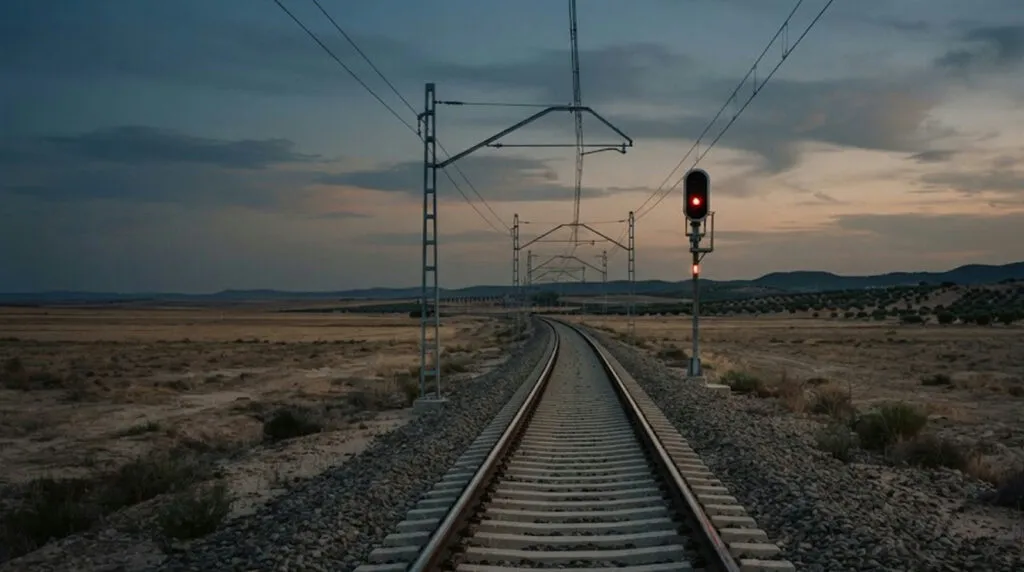
Unions had warned for months about signal failures and overwork, and the minister is looking for the culprit in the...
Neither Netanyahu nor Gadi Eisenkot has 61 seats. Likud remains the biggest party, but with no path to power -...
Convicted of extortion, decorated by Putin, paid for part of Trump's son's wedding. Now a joint hunt far from the...
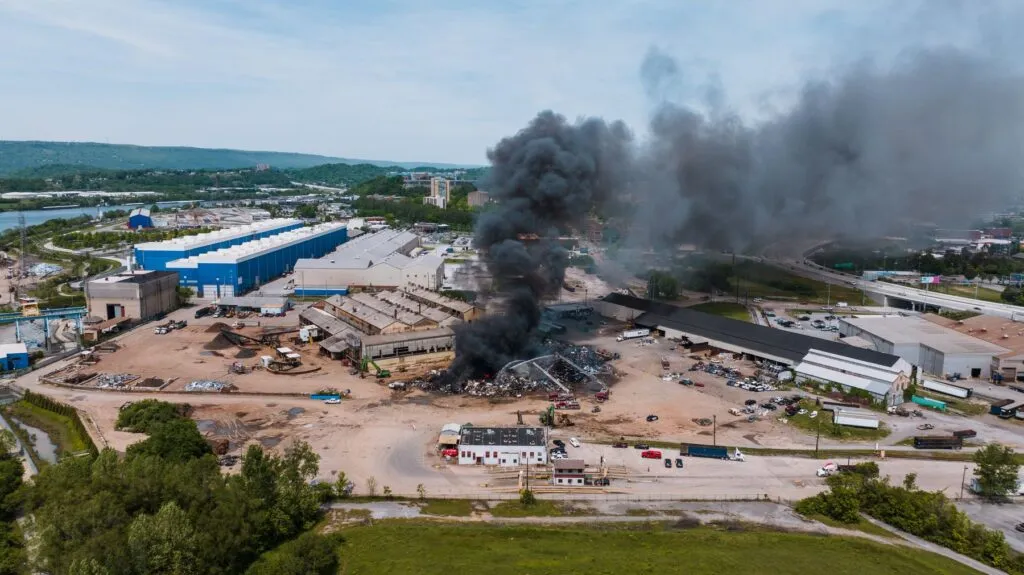
Two Belarusians and a Ukrainian under investigation, targets picked by Russia across Europe, and a company that had just signed...

Дали двајца луѓе на иста возраст можат да стареат со различна брзина? Научниците открија дека дел од одговорот можеби се...
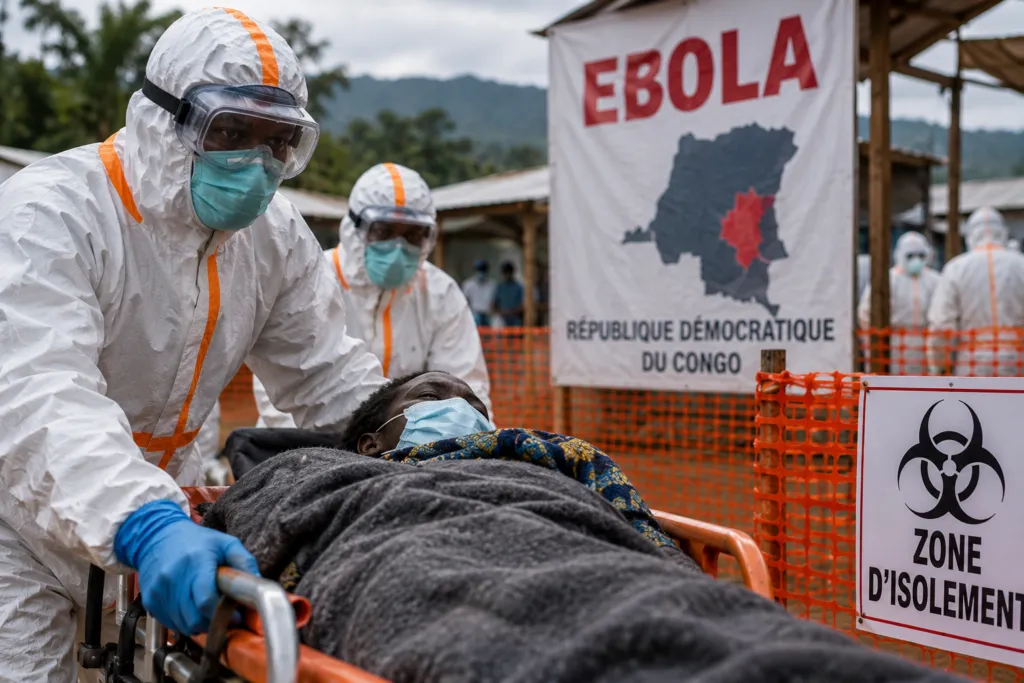
Демократска Република Конго се соочува со најтешката епидемија на ебола во својата историја. Според најновите податоци од 27 октомври 2026...
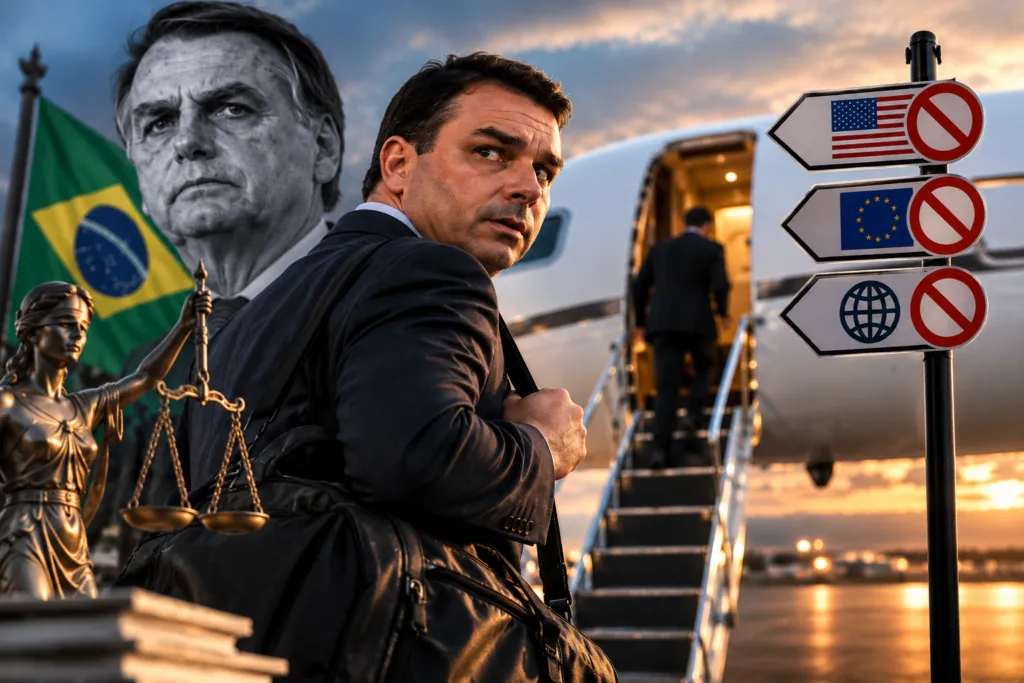
Флавиу Болсонару, син на поранешниот бразилски претседател Жаир Болсонару, според медиумските информации, го напуштил Бразил по изборниот пораз, во време...
He didn't turn up for Sunday family lunch, and that evening he was found dead behind Villa Sauber. The palace...
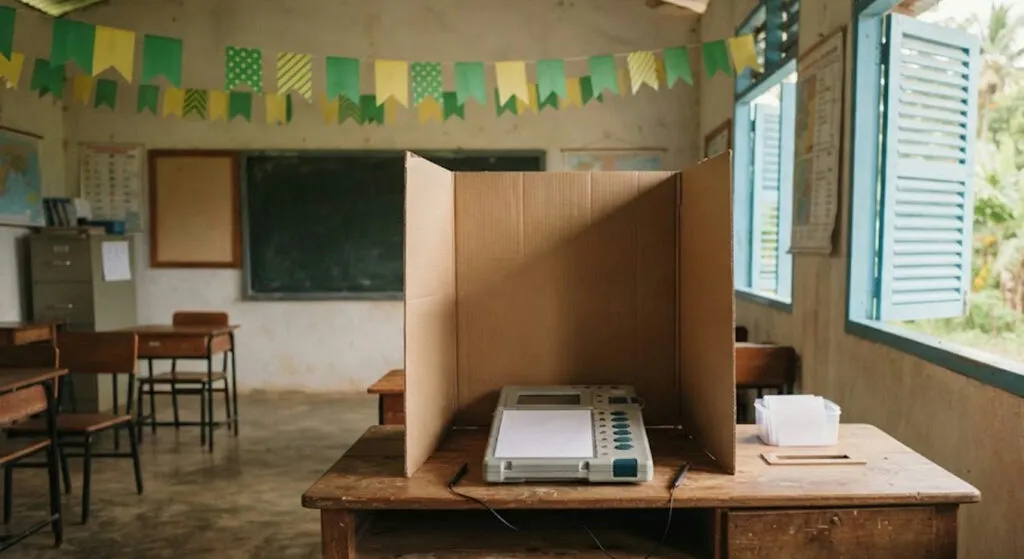
Brazil's first-ever fourth term, and the first win for a candidate who came second in the first round. The Bolsonaro...
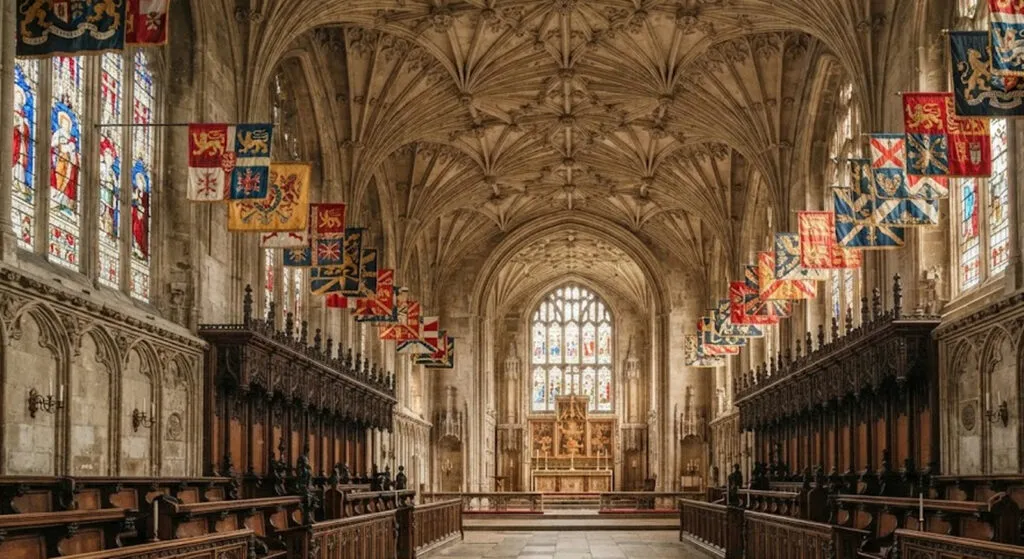
Henry VIII broke with Rome over one divorce. Five centuries later, Charles III and the Pope are exchanging honours -...
This site uses cookies - is that okay? Learn more
Be the first to know when Metla launches something new
Leave your email and we will write when there is a new guide or something new on Metla.