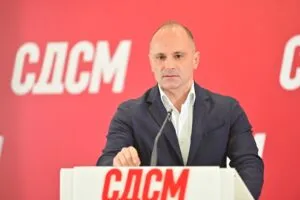
Filipče Demands Slaveski's Resignation and a Probe Into Alta Banka: Two Days Before the License Was Pulled in Belgrade, Mickoski Was Saying "I Don't Know If Everything Is in Order"
01.11.2026


01.11.2026

01.11.2026

01.11.2026

01.11.2026

01.11.2026

01.11.2026

01.11.2026

01.11.2026

01.11.2026

01.11.2026

01.11.2026

31.10.2026
01.11.2026

01.11.2026

01.11.2026

01.11.2026
31.10.2026
30.10.2026

01.11.2026

01.11.2026

01.11.2026

01.11.2026

01.11.2026
31.10.2026
01.11.2026

01.11.2026

01.11.2026

23.04.2026

23.04.2026

12.04.2026

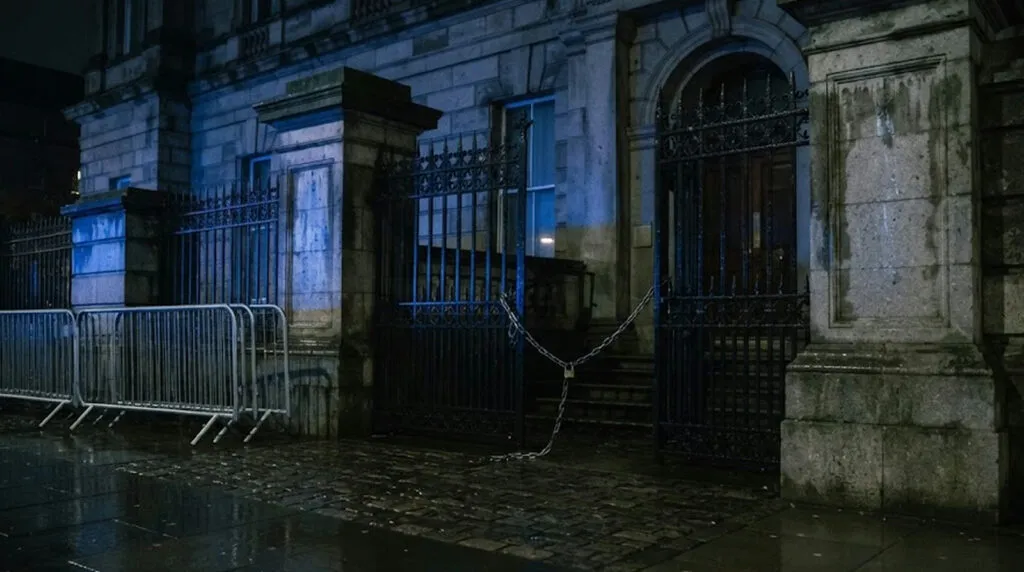
In Warsaw, the dispute over who controls the judiciary has reached locksmith's tools. The suspended president of the Constitutional Tribunal, Bogdan Święczkowski, arrived at the entrance and asked those gathered for a crowbar to open the locked doors, and a man from the crowd cut the chain on the fence. Święczkowski then tried, with a police ID, to get into his office.
It all started when Judge Anna Korwin-Piotrowska, citing her seniority as a judge, announced a one-month suspension of Święczkowski and his deputy Bartłomiej Sochański. That appeared on the court's official website. In parallel, a post on the court's X profile said the website had been illegally taken over, that the leadership stays, and that this judge doesn't hold that status at all. The court was denying itself on its own channels.
Then came the street. Protesters and opposition politicians gathered outside the building, led by Law and Justice chief Jarosław Kaczyński, and police deployed forces after the judge called them over an assessment of possible danger. There was pushing and objects thrown at officers, and three people who jumped the protective fence were detained. Police said their officers were guarding the yard and outer area and hadn't entered the building itself. President Karol Nawrocki cut short an official trip to Senegal mid-flight and returned home, and Justice Minister and Prosecutor General Waldemar Żurek sought the lifting of the suspended pair's immunity, based on extensive files on criminal liability.
Who's right here? It depends who you ask, because Poland is living in two parallel legal realities. Święczkowski is a longtime cadre of the former conservative government. Korwin-Piotrowska is among the judges chosen by Prime Minister Donald Tusk's new parliament, but Nawrocki and the court's old leadership refuse to take their oath and won't let them sit on panels.
Why break chains over one court? Because from 2015 to 2023 the Constitutional Tribunal served the far-right Law and Justice as a lever of power. Through loyal judges, decisions were handed down that changed the country's direction, from the drastic restriction of abortion rights to rulings placing domestic laws above European law. Because of that, the European Commission withheld billions of euros from the Union budget from Poland for years.
Tusk arrived promising to restore the rule of law and unblock the money from Brussels, and found a situation in which almost any government bill can fall at the Constitutional Tribunal. So the majority is trying to install new judges and remove the old cadres, and the other side says this goes against the rules. Both sides claim they're defending the law, and the court that's supposed to settle the dispute has itself become the dispute.
Candidates from the Balkans have been listening to lectures on independent courts from Brussels for years, and this has been a member of the Union since 2004. What's a court worth if every new government has to conquer it - when someone is already calling for a crowbar for its door?
The latest 10 news from this category
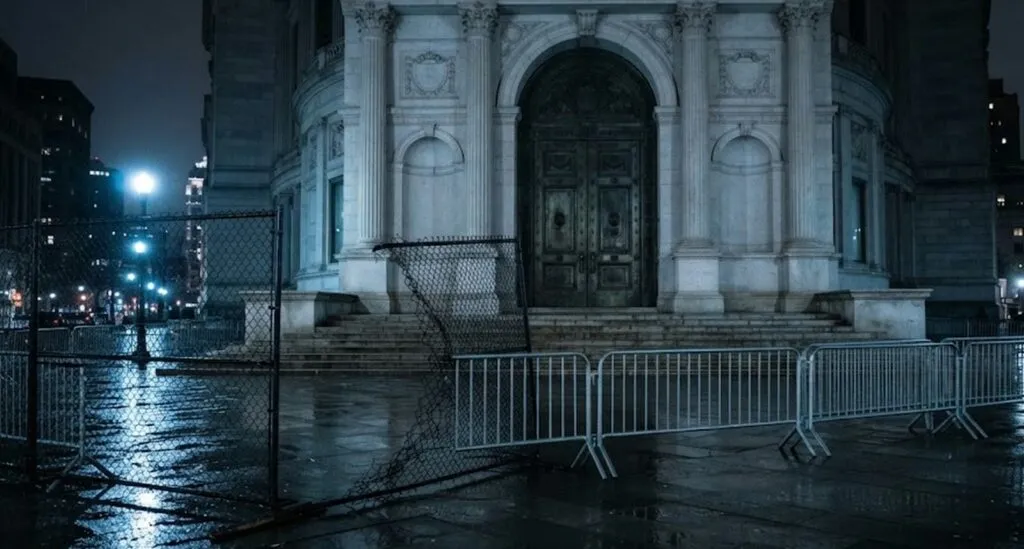
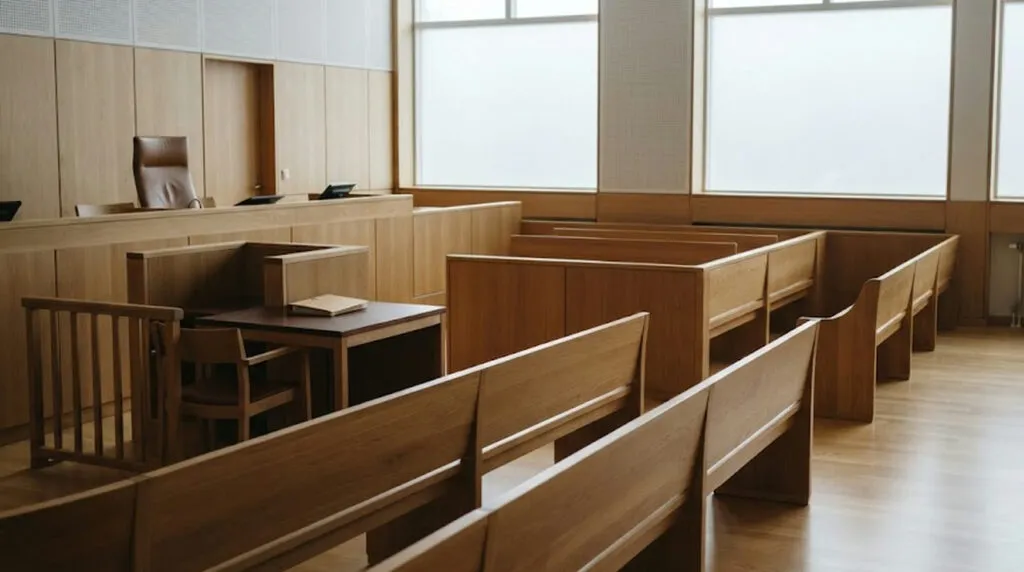
For eleven years two parties have been grinding down Poland's Constitutional Tribunal, and now a police cordon guards the court...
Sentenced to four years for around thirty offenses, his appeal isn't until February 9, and the prosecutor wants four more...
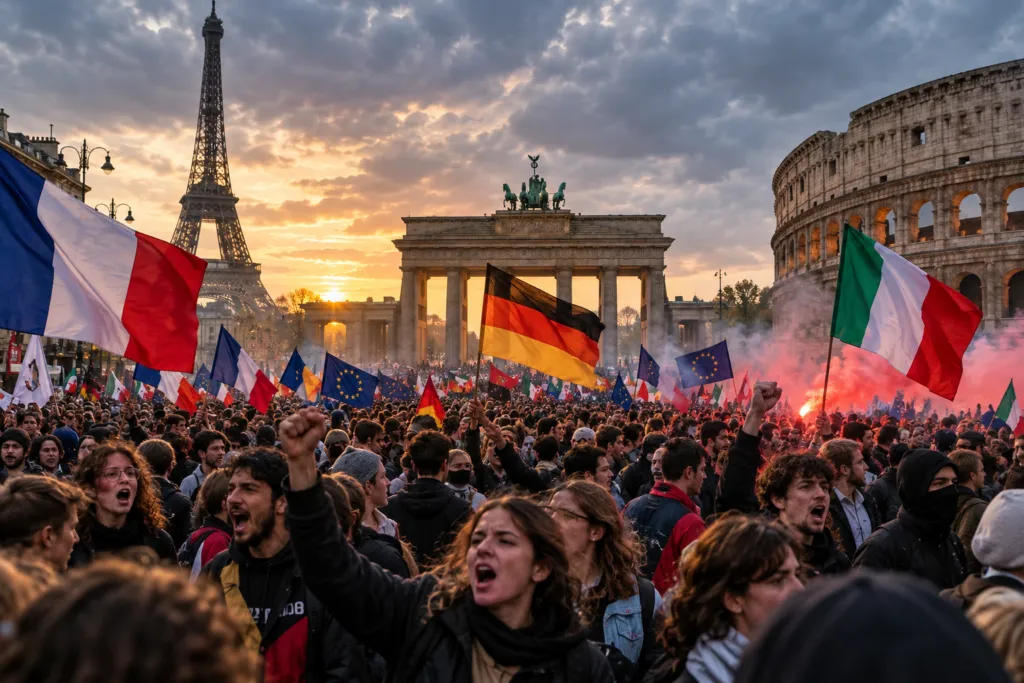
Европа се соочува со нов бран масовни протести. Денеска илјадници граѓани излегоа на улиците во Франција и Германија, додека незадоволството...

The admiral brought him the options at the White House, while Vance's letter reached Tehran via Qatar. One hand extended,...
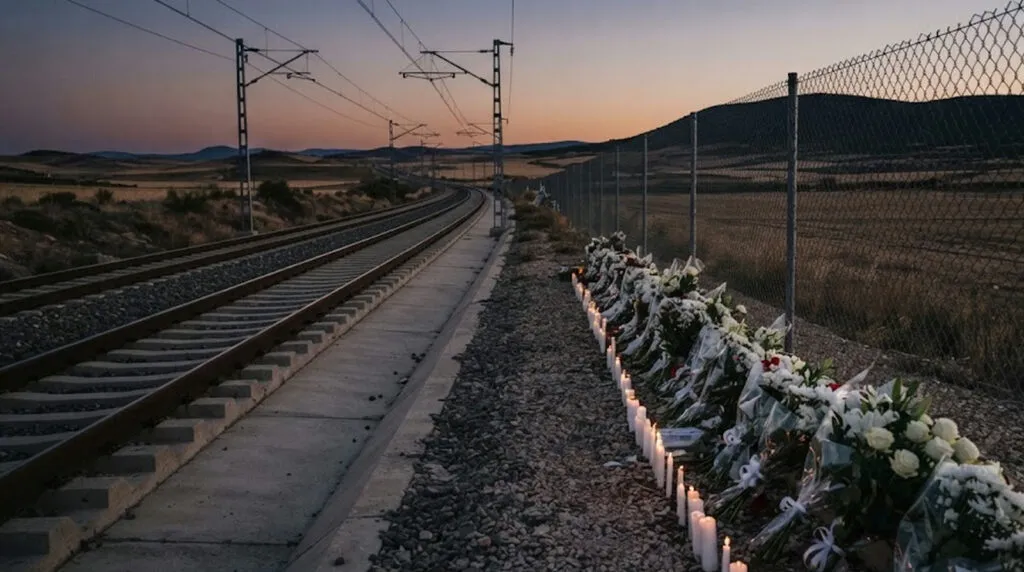
A high-speed train slammed into a train standing broken down on the track after the control centre gave the trains...
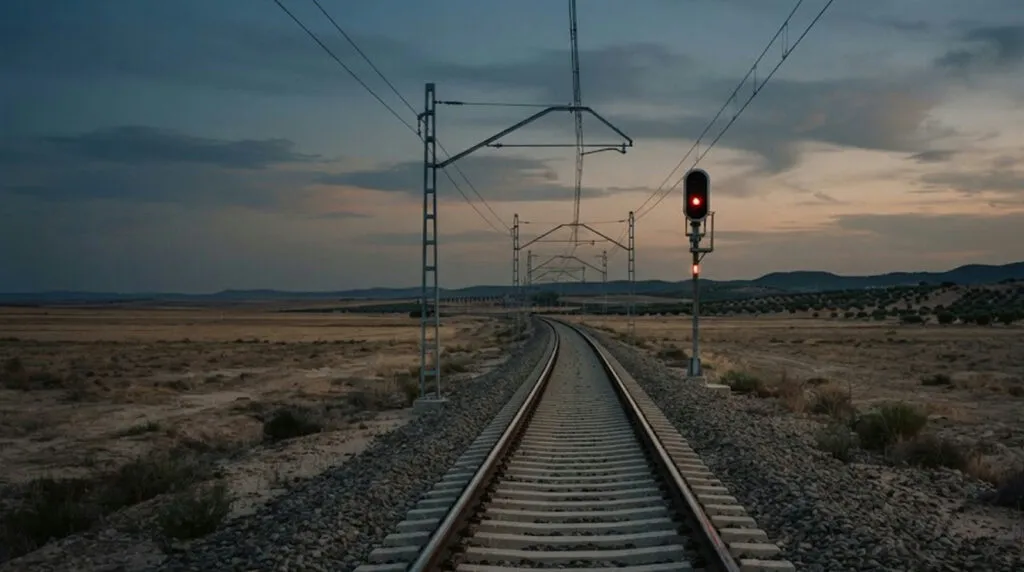
Unions had warned for months about signal failures and overwork, and the minister is looking for the culprit in the...
Neither Netanyahu nor Gadi Eisenkot has 61 seats. Likud remains the biggest party, but with no path to power -...

Convicted of extortion, decorated by Putin, paid for part of Trump's son's wedding. Now a joint hunt far from the...

Two Belarusians and a Ukrainian under investigation, targets picked by Russia across Europe, and a company that had just signed...

Дали двајца луѓе на иста возраст можат да стареат со различна брзина? Научниците открија дека дел од одговорот можеби се...
This site uses cookies - is that okay? Learn more
Be the first to know when Metla launches something new
Leave your email and we will write when there is a new guide or something new on Metla.