Double Billing for Eye Surgery: Court Takes Nine Suspects' Passports, While Up to 4,000 Patients Still Don't Know Who Pays Them Back
31.10.2026


31.10.2026
31.10.2026

31.10.2026
31.10.2026
31.10.2026
31.10.2026

31.10.2026

30.10.2026

29.10.2026

31.10.2026

31.10.2026

30.10.2026

31.10.2026

31.10.2026

31.10.2026

31.10.2026

30.10.2026

29.10.2026

31.10.2026

31.10.2026

31.10.2026

31.10.2026

31.10.2026

31.10.2026

23.04.2026

23.04.2026

12.04.2026


Admiral Brad Cooper, commander of US forces in the Middle East, came to the White House in person on Thursday and presented Donald Trump with military options for possible new attacks on Iran. That's not an everyday scene: regional commanders rarely report directly to the president. The date behind all of this is 3 November, the Congressional elections. Washington is considering resuming major military operations once the votes are counted.
According to two US officials, Trump wanted to hear from Cooper personally whether the naval blockade of Iran was delivering the expected result. They also talked about letting oil tankers through the Strait of Hormuz and about economic pressure on Tehran. Around the table sat Vice President JD Vance, Defence Secretary Pete Hegseth, Treasury Secretary Scott Bessent, Energy Secretary Chris Wright, Chairman of the Joint Chiefs of Staff Dan Caine, special envoy Steve Witkoff and chief of staff Susie Wiles. People this important don't gather for an admiral's courtesy call. The White House and Central Command declined to comment.
The preparations aren't only in Washington. The United States has already warned several Arab Gulf states to prepare for possible new American attacks after 3 November and for Iranian retaliation. Israeli Chief of Staff Eyal Zamir spoke with Cooper early in the week about possible operations, and American and Israeli officials are looking at a new sweeping campaign against Iranian military and nuclear targets if diplomacy fails. Trump, for now, has made no final decision: there's no confirmation either that new attacks have been approved or that they have a date.
Vance's letter and Trump's medicines
A second track is running in parallel, and this is where things get strange. Qatari mediators passed Mohsen Rezaei, secretary of Iran's Supreme National Security Council, a letter from Vance proposing to resume negotiations, stressing that they must cover the nuclear programme. Trump, for his part, said publicly that Vance's message was about help with medicine supplies. The two also discussed on Wednesday sending food and medicine as a goodwill gesture. So is it a letter on nuclear talks or a shipment of medicine? Depends who you listen to.
US Ambassador to Turkey Tom Barrack said on Thursday that the two sides are very close to a de-escalation deal. "I think we are very close to finally getting to a moment where we can say: Let's just take a pause," he said. He was talking about an interim deal, not a comprehensive settlement. Barrack said that on Thursday. On Thursday the admiral was carrying military options into the White House.
Iran, for its part, wants concrete concessions before any talks on the nuclear programme: lifting the American naval blockade, releasing frozen Iranian assets and resuming oil exports. Washington insists the negotiations must cover precisely the nuclear programme. "The mediation is at a very sensitive stage," said a regional source familiar with the Qatari-led talks.
We've seen this pattern before. According to American media, Trump took a similar approach before the strikes on Iranian nuclear facilities in June 2025 and before the start of the American-Israeli war in February this year. Negotiators in front, bombers behind. The Balkans know this scene by heart: while one envoy shakes hands, another counts tanks.
So the word "pause" from an ambassador's mouth shouldn't be read as peace. Iran, the Gulf and Israel are now waiting on the results of a vote they have no part in, to find out whether they'll have a war. What's a pause worth if it can end when the votes are counted?
The latest 10 news from this category
A high-speed train slammed into a train standing broken down on the track after the control centre gave the trains...
Unions had warned for months about signal failures and overwork, and the minister is looking for the culprit in the...
Neither Netanyahu nor Gadi Eisenkot has 61 seats. Likud remains the biggest party, but with no path to power -...

Convicted of extortion, decorated by Putin, paid for part of Trump's son's wedding. Now a joint hunt far from the...
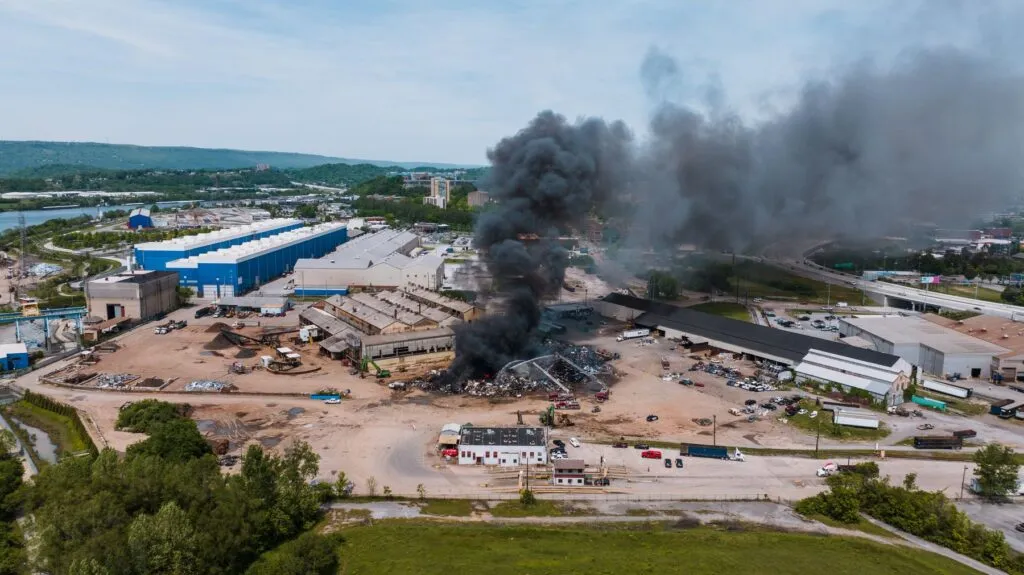
Two Belarusians and a Ukrainian under investigation, targets picked by Russia across Europe, and a company that had just signed...

Дали двајца луѓе на иста возраст можат да стареат со различна брзина? Научниците открија дека дел од одговорот можеби се...
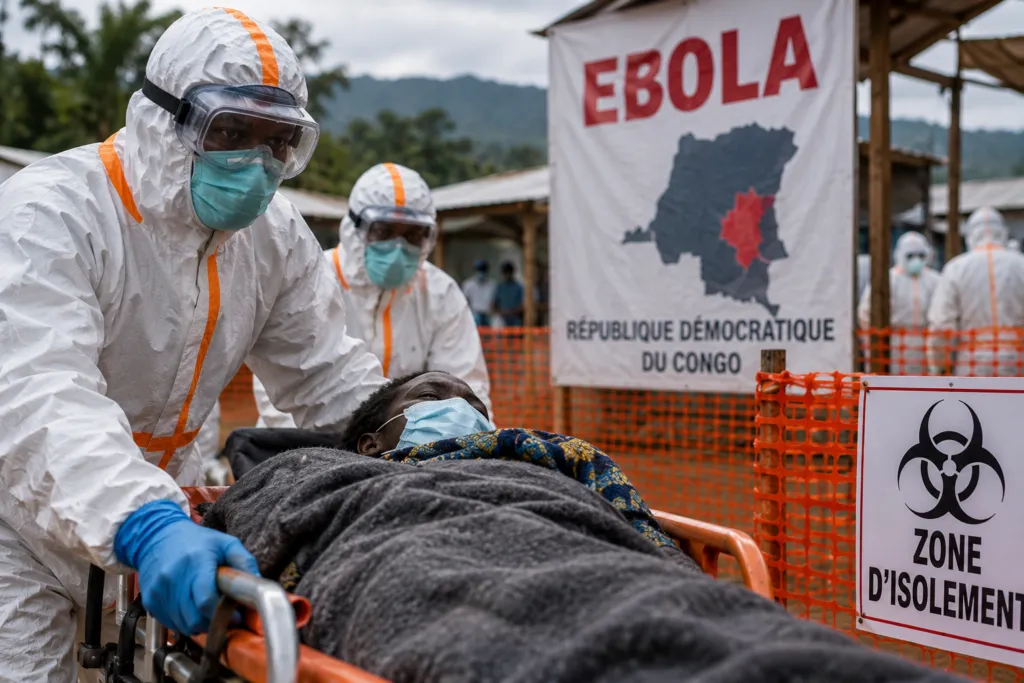
Демократска Република Конго се соочува со најтешката епидемија на ебола во својата историја. Според најновите податоци од 27 октомври 2026...

Флавиу Болсонару, син на поранешниот бразилски претседател Жаир Болсонару, според медиумските информации, го напуштил Бразил по изборниот пораз, во време...

He didn't turn up for Sunday family lunch, and that evening he was found dead behind Villa Sauber. The palace...
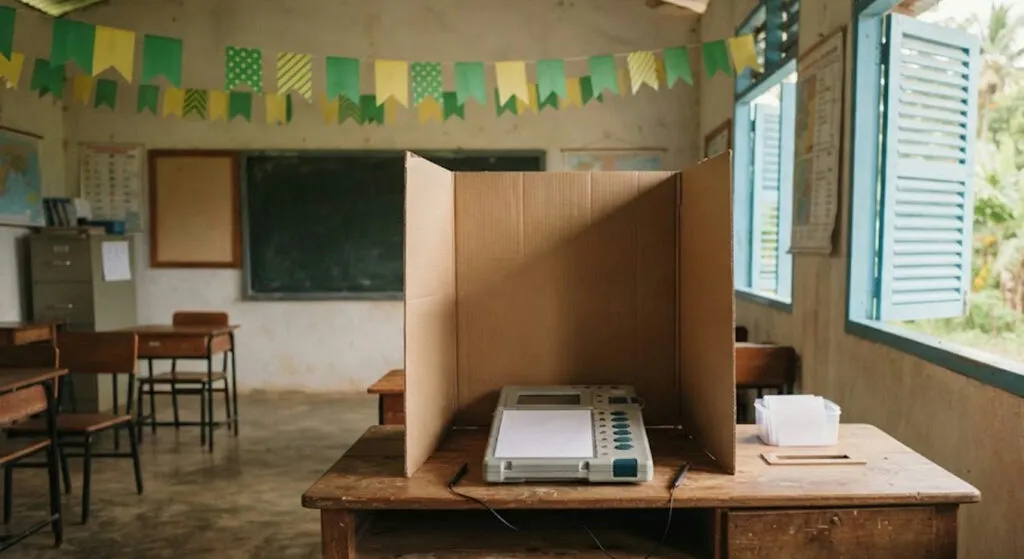
Brazil's first-ever fourth term, and the first win for a candidate who came second in the first round. The Bolsonaro...
This site uses cookies - is that okay? Learn more
Be the first to know when Metla launches something new
Leave your email and we will write when there is a new guide or something new on Metla.