
30 days' custody for the fan who knocked a child unconscious outside "Jane Sandanski": how did two fan groups end up right at the entrance?
03.11.2026


03.11.2026

03.11.2026

03.11.2026

03.11.2026

03.11.2026

03.11.2026

03.11.2026

03.11.2026

02.11.2026

03.11.2026

03.11.2026

02.11.2026

03.11.2026

03.11.2026

03.11.2026

03.11.2026

02.11.2026

01.11.2026

03.11.2026

03.11.2026

03.11.2026

03.11.2026

02.11.2026

01.11.2026

23.04.2026

23.04.2026

12.04.2026

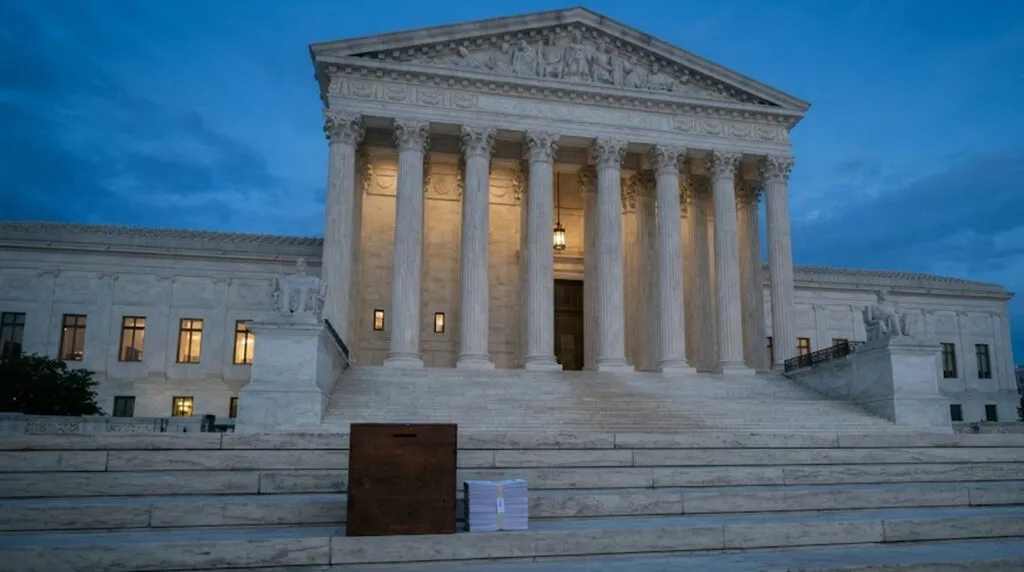
Hours before the US midterm elections, the US Supreme Court, on an emergency basis, rejected the Donald Trump administration's request to block the counting of the ballots of more than 20,000 registered voters in California. Federal officials claim those people are not US citizens. The court declined to intervene.
For Trump this is another legal defeat, at exactly the moment Republicans are fighting to keep control of Congress. And California isn't just any state: it's the most populous US state, a traditional Democratic stronghold, with 52 seats in the House of Representatives - more than any other.
The administration's logic was simple. "Because California commingled the unlawful and lawful ballots, there is no way to separate out the unlawful ones," they wrote in their application to the court. They asked for California to set the disputed ballots aside and not count them until it was established whether the voters were US citizens. Acting Solicitor General Trent McCotter said they would continue to pursue "every possible legal avenue" to protect the integrity of the election.
The list of 20,000 disputed voters itself was drawn up by the Department of Homeland Security and sent to the authorities of California and Los Angeles County. California hit back that it has strict rules preventing non-citizens from voting and that the federal list is inaccurate and full of errors.
What the court didn't say matters too. It didn't find that everyone on the list is a US citizen - it only refused to urgently interfere in the vote count. And this isn't the first such blow: in September the Supreme Court also rejected the administration's request to restrict postal voting, which traditionally favours Democrats. Under the US Constitution, elections are run by the states, and the federal government only has the option of oversight.
Today Americans elect all 435 members of the House of Representatives and 35 senators - 33 in regular and two in special elections - and governors are also being elected in several states. Republicans currently control both chambers, but have a narrow majority in the House. Democrats need a net four more seats to take it. If they succeed, they'll be able to open investigations into the administration and block the laws Trump supports for the remaining two years of his term.
The main campaign issues are the high cost of living, the economy, immigration and the war with Iran. But the episode right before the vote shows something else: when those in power try at the last minute to decide whose votes are counted and whose aren't, the only barrier is the institutions. Would a court here have the nerve to tell the government "no" a few hours before the polling stations open?
The latest 10 news from this category

Washington once gave lectures on democracy, and now, according to Anne Applebaum, it counts coalitions over dinner. The Balkans have...
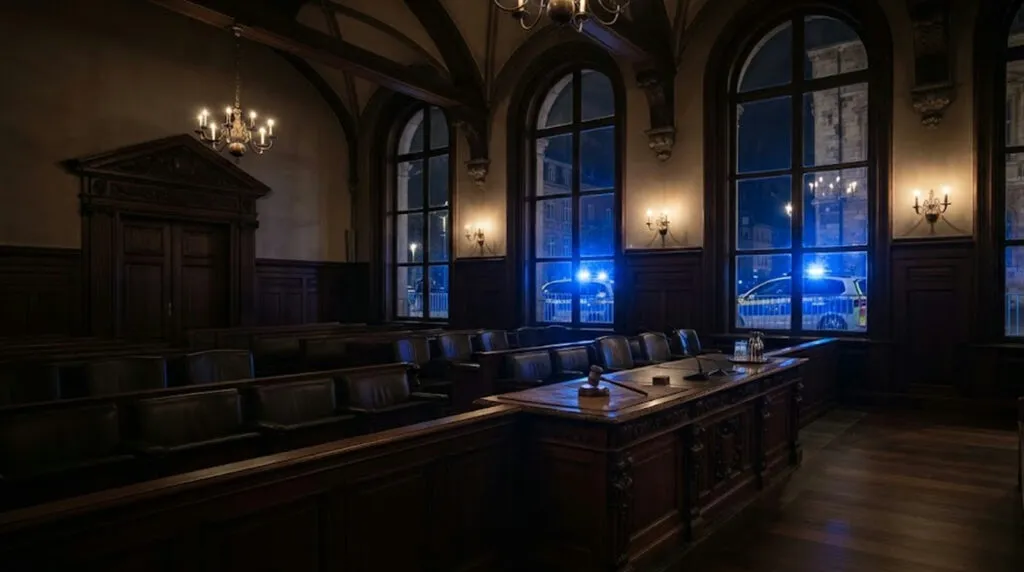
Both sides say they're defending the constitution, and the court won't recognise as a judge the woman suspending its president....
The Norwegian queen's son has a conviction for around thirty offences, a job offer he wants to show the court...
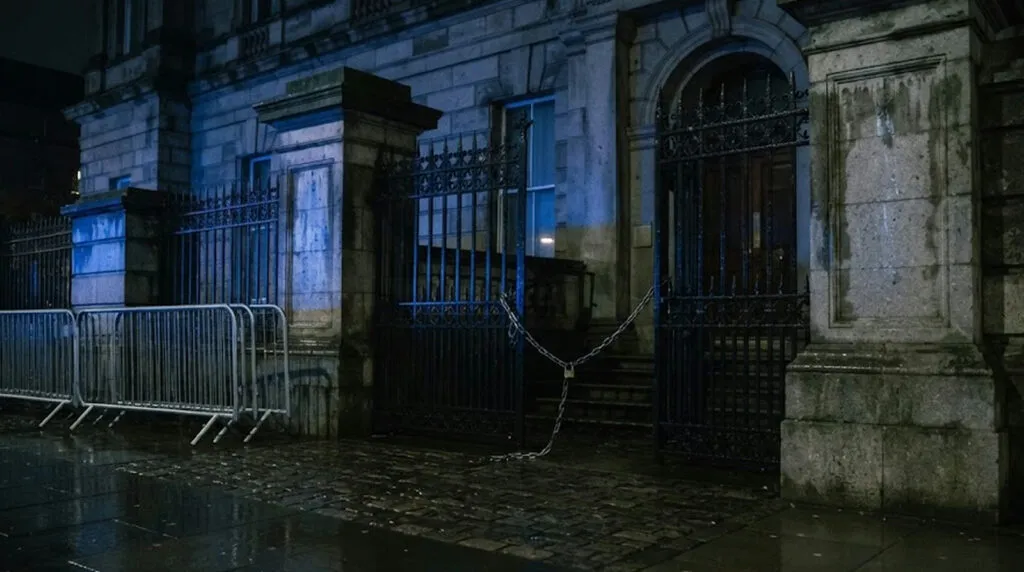
The suspended court president asks for a crowbar, a man from the crowd cuts the chain, and police guard the...
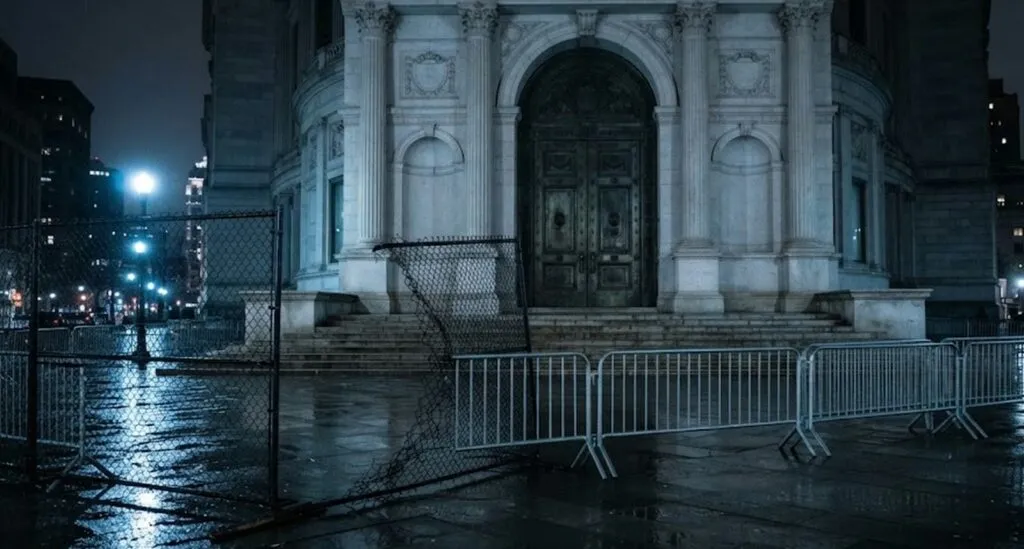
For eleven years two parties have been grinding down Poland's Constitutional Tribunal, and now a police cordon guards the court...
Sentenced to four years for around thirty offenses, his appeal isn't until February 9, and the prosecutor wants four more...

Европа се соочува со нов бран масовни протести. Денеска илјадници граѓани излегоа на улиците во Франција и Германија, додека незадоволството...

The admiral brought him the options at the White House, while Vance's letter reached Tehran via Qatar. One hand extended,...
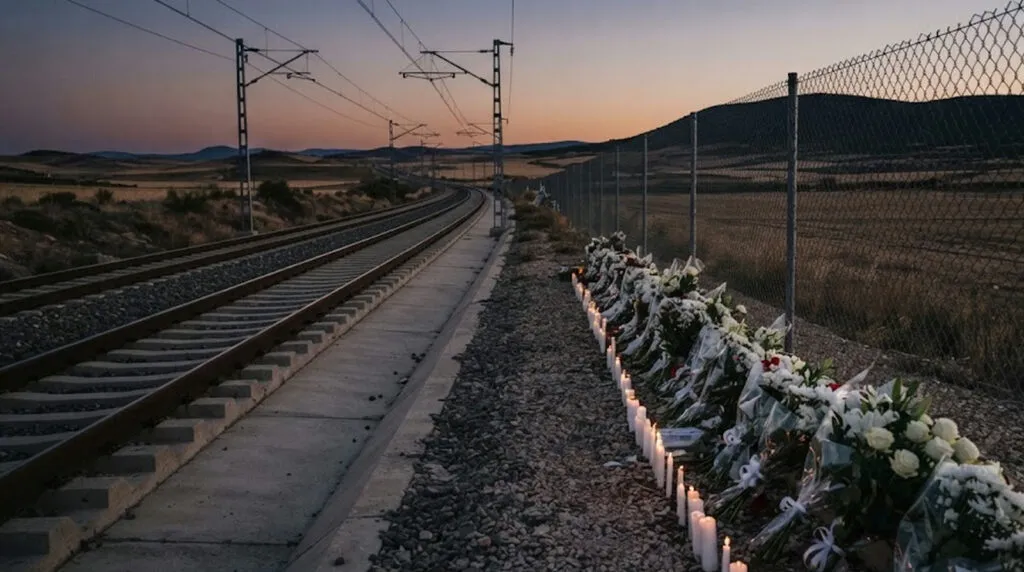
A high-speed train slammed into a train standing broken down on the track after the control centre gave the trains...
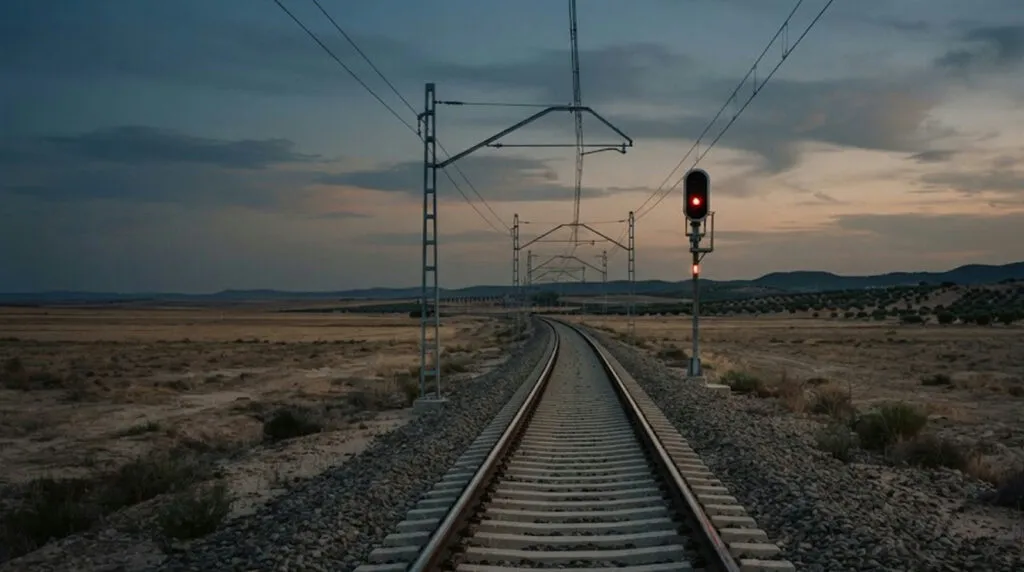
Unions had warned for months about signal failures and overwork, and the minister is looking for the culprit in the...
This site uses cookies - is that okay? Learn more
Be the first to know when Metla launches something new
Leave your email and we'll write to you when there's a new guide or something new on Metla.