

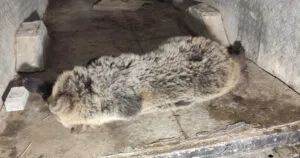
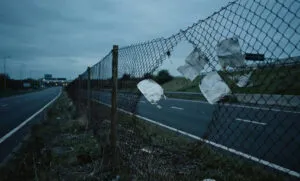
Bear cub killed on the Skopje-Tetovo motorway: the fence is a legal obligation, while the rescue team exists only in a Viber group
25.10.2026


25.10.2026

25.10.2026
25.10.2026
25.10.2026

25.10.2026
25.10.2026

25.10.2026

25.10.2026

25.10.2026

25.10.2026

25.10.2026

24.10.2026

25.10.2026

25.10.2026

25.10.2026
25.10.2026

24.10.2026

23.10.2026

25.10.2026

25.10.2026

25.10.2026

25.10.2026

25.10.2026

25.10.2026

25.10.2026
25.10.2026
24.10.2026
24.10.2026
22.10.2026
20.10.2026

23.04.2026

23.04.2026

12.04.2026

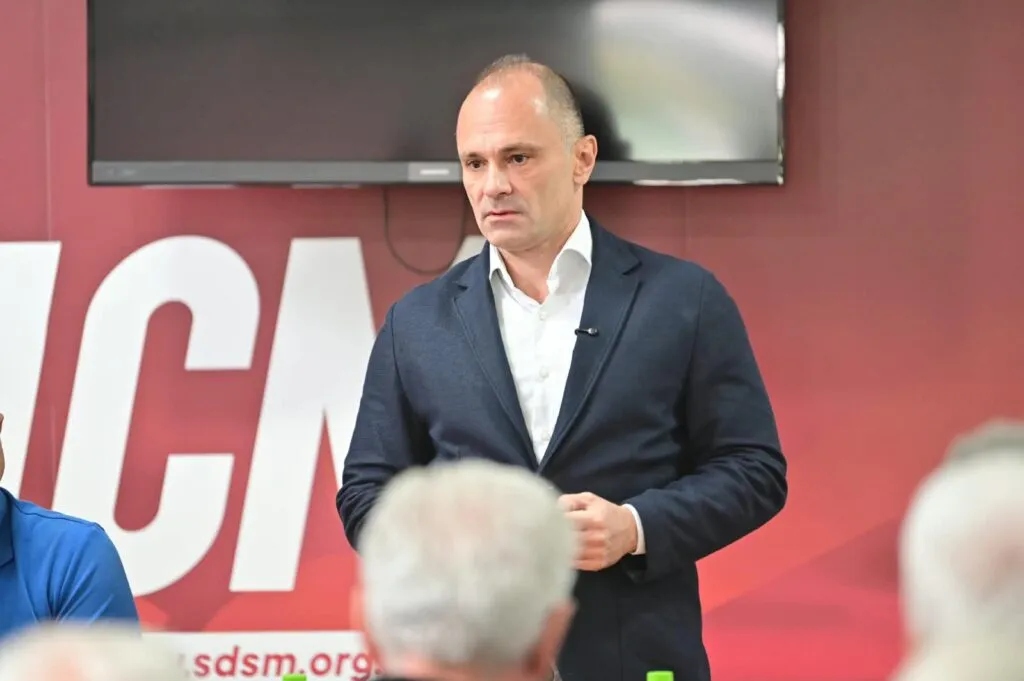
Serbia goes to snap parliamentary elections today, and one of the loudest comments yesterday came not from Belgrade but from Skopje. SDSM leader Venko Filipche wrote on the social network X that "tomorrow Serbia votes to free itself from a criminal government" and that the students, after almost two years of uninterrupted peaceful protests, "have managed to reach a chance to change the system".
Then came the heavy artillery. "Vučić is planning to steal the election," Filipche claims, listing irregularities in the voter rolls, ID cards issued to foreign nationals, pressure on public sector employees, controlled and paid voting, and "absolute control of all media". To be precise - these are political accusations by an opposition leader from a neighbouring country, not established facts. Some of the domestic outlets that ran the post noted as much.
Belgrade as a mirror for Skopje
The real addressee of the message, though, isn't in Serbia. "Macedonia knows this picture from the Gruevski era, and today we are witnessing a return to those times," Filipche writes. And then the punchline: "Orbán has fallen. Now it's Vučić's turn. We all know who's next, who is part of that organised criminal group." No names, but the address is clear - Hristijan Mickoski's government.
The post ends with a sentence worth reading twice. Filipche says he wants Serbia and Macedonia to have the best possible relations, "without interference in the internal affairs of the state", and accuses Mickoski of a "subservient attitude" toward Vučić. A message against meddling in someone else's internal affairs, posted the day before the neighbour's election, openly backing one side.
None of this means concern about Serbia's election is unfounded - the student protests are real, and an international mission will observe the vote. But when the leader of Macedonia's opposition uses a neighbour's election as a stage for a domestic fight, the question is simple: is this solidarity with the students in Belgrade, or a campaign that has just changed cities?
The latest 10 news from this category
Protests from Tirana to Paris, and in Skopje the search is on for foreign spies. Arsovski names the uncomfortable reason:...

The party leader is also the prime minister, and ahead of the runoff he is on the ground in Brvenica....
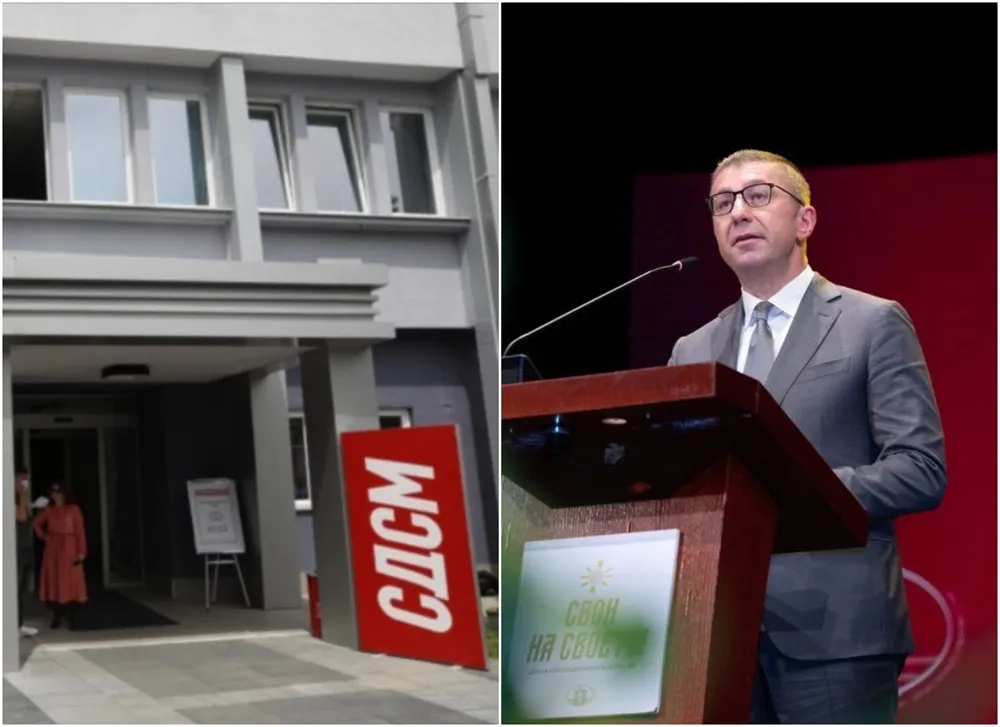
The opposition is counting who Brussels mentioned this week - Montenegro, Albania, Serbia, Kosovo. Not Macedonia. The prime minister, for...
SDSM's initiative was rejected unanimously, and the opposition cries political orders without proof. The bigger irony: the government that condemned...
A civil servant with two consecutive "1" ratings will lose their job by force of law. The rule sounds tough...
Radički and Jahij face off on 1 November. Every party found its own victory in the results, and the quietest...
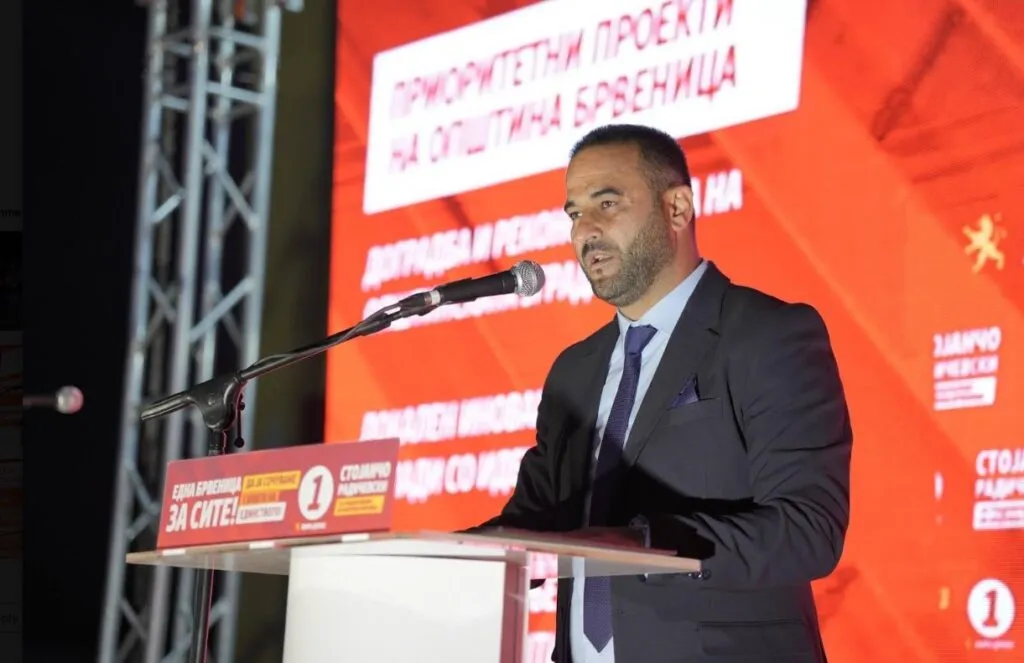
DUI nearly doubled its votes, Vlen lost 493 and SDSM grew from a low base. Radičevski and Jahij go into...
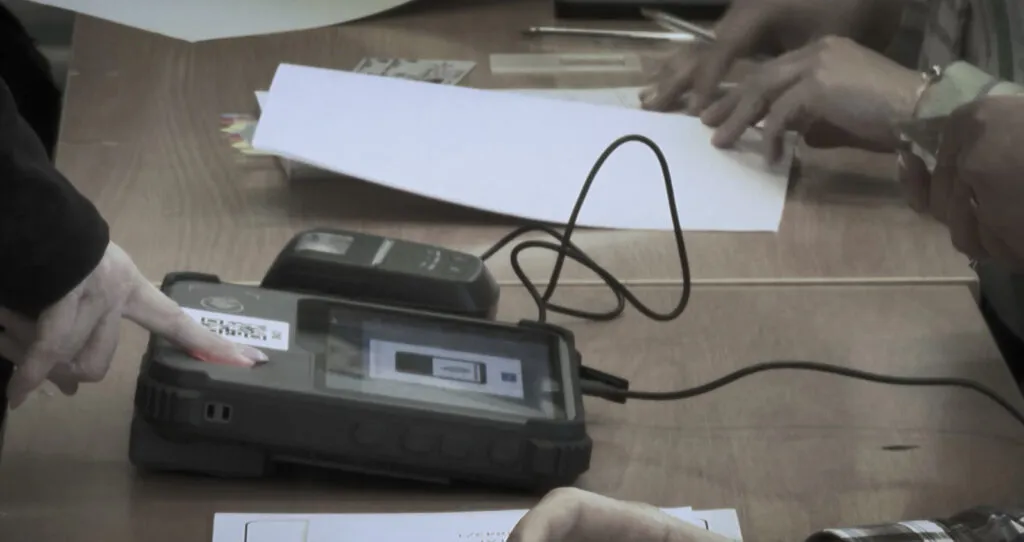
A new mayor is being elected on machines that only work thanks to a last-minute deal - even though the...
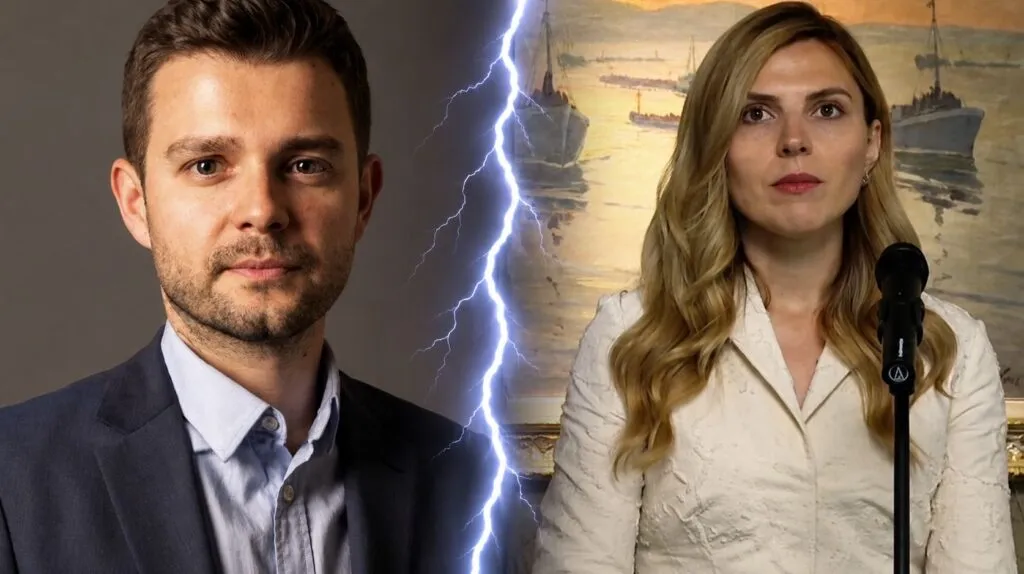
The Government says NATO allies will be the first to see the evidence about her escape. The question that remains...
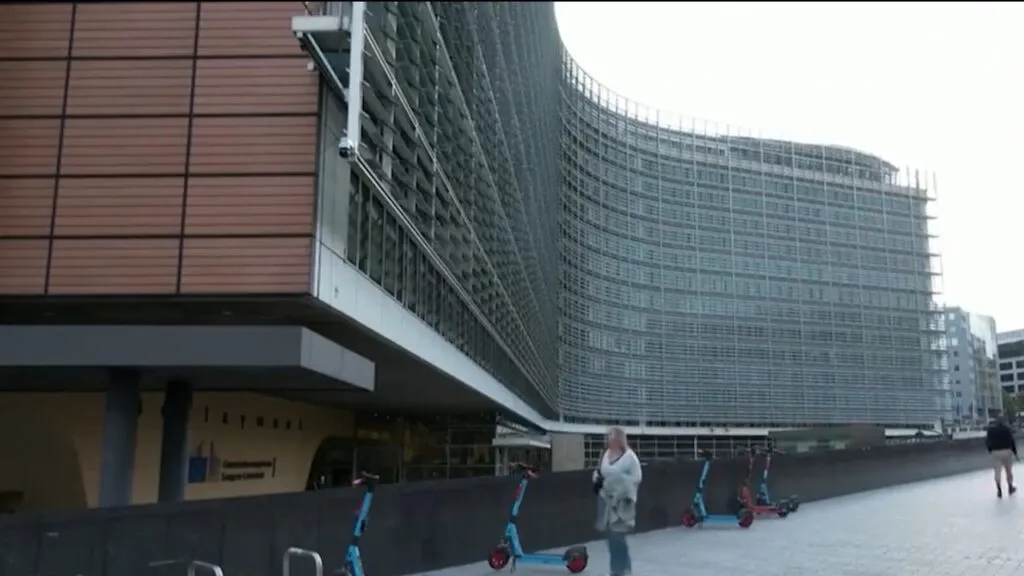
The European Council called enlargement a geostrategic investment, and of the whole region it named only Montenegro. Macedonia, a candidate...
This site uses cookies - is that okay? Learn more
Be the first to know when Metla launches something new
Leave your email and we will write when there is a new guide or something new on Metla.


