

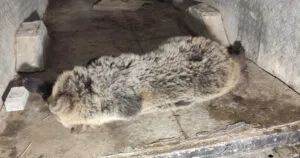
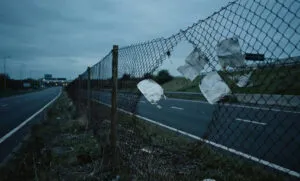
Bear cub killed on the Skopje-Tetovo motorway: the fence is a legal obligation, while the rescue team exists only in a Viber group
25.10.2026


25.10.2026
25.10.2026
25.10.2026
25.10.2026

25.10.2026
25.10.2026

25.10.2026

25.10.2026

25.10.2026

25.10.2026

25.10.2026

24.10.2026

25.10.2026

25.10.2026

25.10.2026
25.10.2026

24.10.2026

23.10.2026

25.10.2026

25.10.2026

25.10.2026

25.10.2026

25.10.2026

25.10.2026

25.10.2026
25.10.2026
24.10.2026
24.10.2026
22.10.2026
20.10.2026

23.04.2026

23.04.2026

12.04.2026

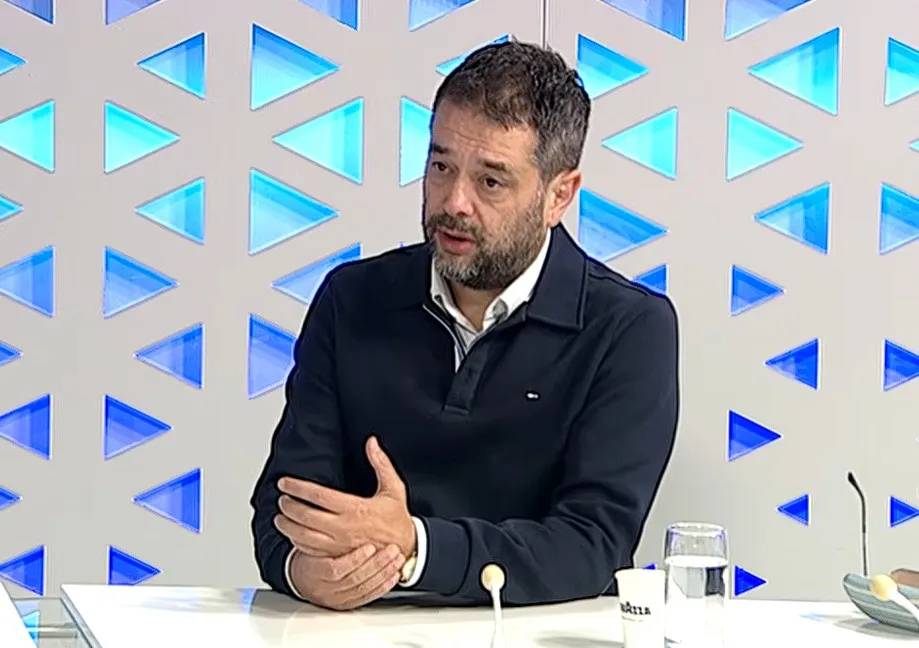
In Tirana anti-government protests have turned violent, France, Italy and Belgium are out on the streets, Belgrade votes today after months of protests, unions have marched in Bulgaria, and the discontent has reached Greece too. In his speech for 23 October, Prime Minister Hristijan Mickoski offered an explanation for why it could come here as well: intelligence services in the region that are constantly active, possible provocations and attempts to drag Macedonia into its neighbours' problems. The opposition, he suggested, could take part in such scenarios "for money and false promises of top jobs".
The first reply came from analyst Petar Arsovski, and it doesn't square with the government's line. "Services cannot directly start protests, especially of this size, there has to be some authentic discontent for something like that to appear," he says. No party, in Arsovski's view, has the strength to pull off protests this massive. The most the opposition can do is lend support later on.
The reason nobody wants to say out loud
The most important sentence in the whole debate is the one least quoted. The structural cause of the wave, Arsovski says, is that younger generations cannot reach the quality of life of older ones. "They exist in Macedonia too," he adds, it's just that the readiness to protest here is, for now, lower than in neighbouring countries. He doesn't expect a direct spillover, but he does expect sporadic discontent among the hardest-hit groups.
Others see it differently. Security expert Ljubomir Gjurchevski believes the economic crisis in Europe will spark protests in the Balkans too, "where we have the lowest wages", and that all of it can be used for destabilisation - Macedonia, he says, will be a target. Professor Filip Petrovski goes further still: for him the protests in Europe are a "well-synchronised agenda" of left-wing youth structures, with a climax announced for around 20 November.
Then there is Pavle Trajanov, the national coordinator for countering violent extremism and terrorism - in other words, a state official. He says Macedonia is calm, that the current government has been in office "two years and a few months" and that public support is "still huge". A state official measuring support for the government - that is an opinion, not a security analysis.
If young people can't live the way their parents did, no foreign intelligence service invented that. That's wages and one-way tickets abroad. Will the government treat it as a problem to solve, or as just another threat from outside?
The latest 10 news from this category
A day before Serbia votes, Filipche accuses Vučić of preparing to steal the election, while the same post calls for...

The party leader is also the prime minister, and ahead of the runoff he is on the ground in Brvenica....
The opposition is counting who Brussels mentioned this week - Montenegro, Albania, Serbia, Kosovo. Not Macedonia. The prime minister, for...
SDSM's initiative was rejected unanimously, and the opposition cries political orders without proof. The bigger irony: the government that condemned...
A civil servant with two consecutive "1" ratings will lose their job by force of law. The rule sounds tough...
Radički and Jahij face off on 1 November. Every party found its own victory in the results, and the quietest...
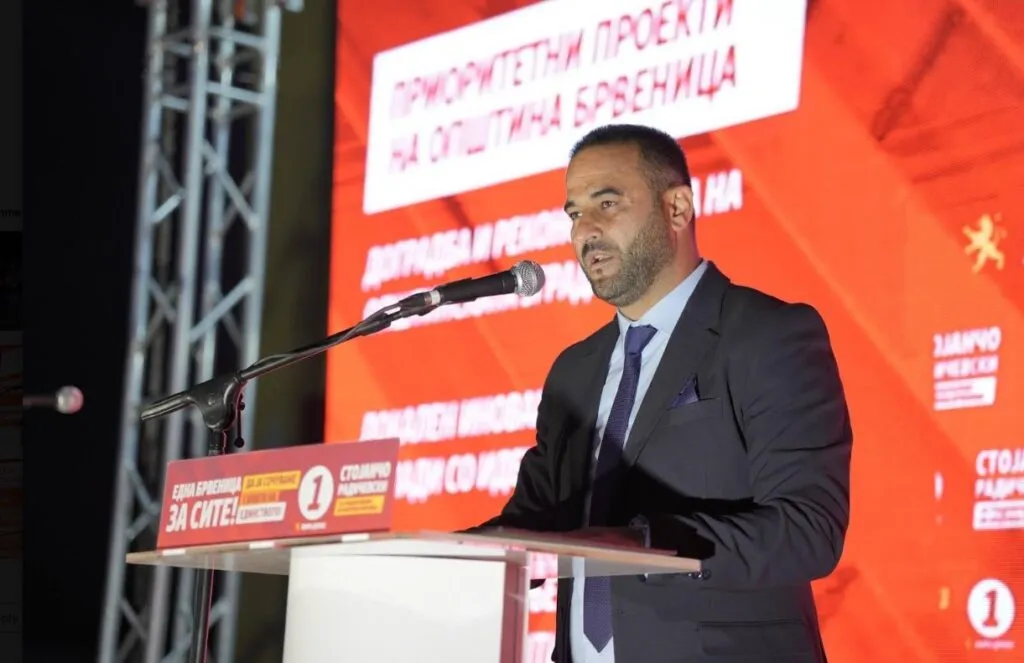
DUI nearly doubled its votes, Vlen lost 493 and SDSM grew from a low base. Radičevski and Jahij go into...
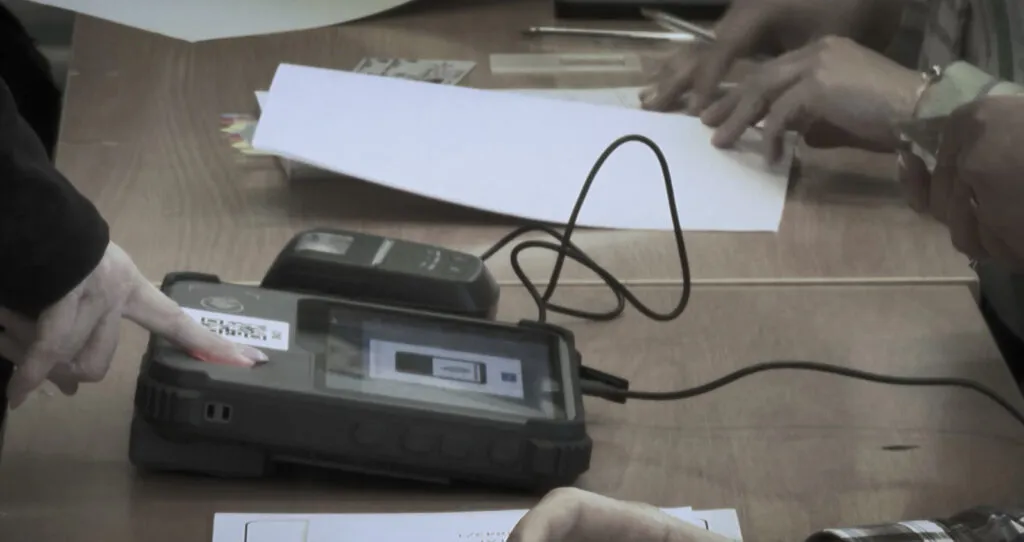
A new mayor is being elected on machines that only work thanks to a last-minute deal - even though the...
The Government says NATO allies will be the first to see the evidence about her escape. The question that remains...
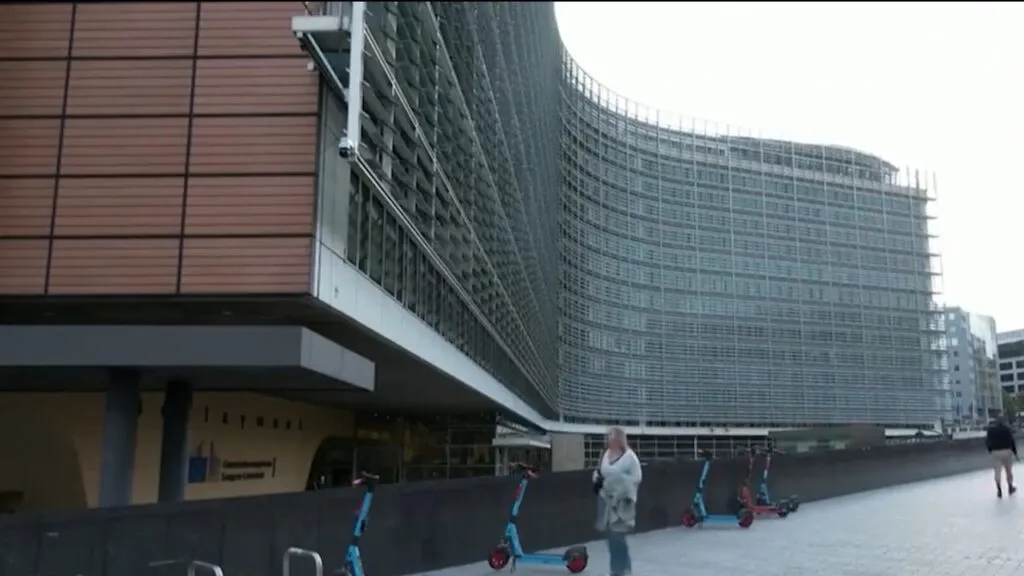
The European Council called enlargement a geostrategic investment, and of the whole region it named only Montenegro. Macedonia, a candidate...
This site uses cookies - is that okay? Learn more
Be the first to know when Metla launches something new
Leave your email and we will write when there is a new guide or something new on Metla.


