Twenty-one fires in a single day: the record nobody wanted to break
13.08.2026



13.08.2026

13.08.2026

13.08.2026
13.08.2026

12.08.2026
12.08.2026

13.08.2026

13.08.2026

12.08.2026

13.08.2026

13.08.2026
13.08.2026
13.08.2026
12.08.2026

11.08.2026

13.08.2026

13.08.2026

13.08.2026

13.08.2026

13.08.2026

12.08.2026

09.03.2026

27.02.2026

19.02.2026

13.08.2026
12.08.2026
11.08.2026

23.04.2026

23.04.2026

12.04.2026
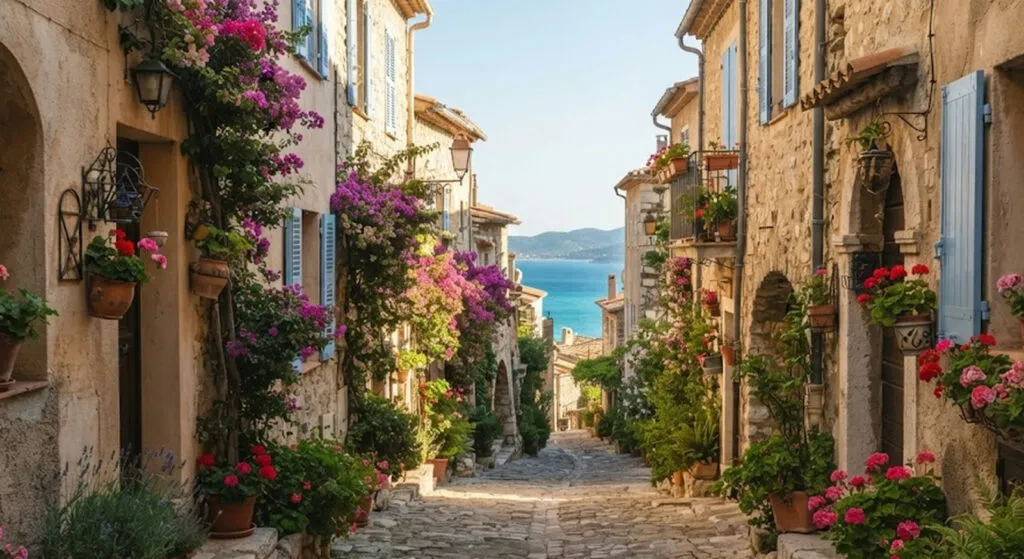
When Victor Hugo wrote that everything there shines, everything blooms and everything sings, he was describing a place nobody was calling a tourist destination yet. Antibes on the Côte d'Azur, squeezed between the Alps and the Mediterranean, invented summer in the sense in which we use the word today - as a season you travel for, not a part of the year you endure.
The story begins in the nineteenth century, when wealthy people discovered the hills of Cap d'Antibes and started building villas there. In the 1920s, Juan-les-Pins with its fine sand drew Hemingway, Dos Passos, Graham Greene, Picasso and Douglas Fairbanks. That was not a holiday in today's sense - it was an entire scene relocating to one place for one season of the year.
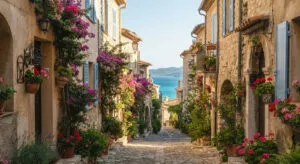
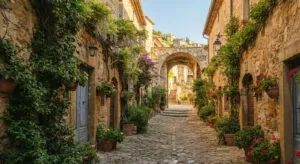
From Nice you get there in twenty-five minutes by train. Old Antibes is narrow cobbled lanes and the Provençal market with local vegetables, cheeses and cured meats - the kind of market we call a green market back home, only with better marketing and three times the price for the same thing.
The sixteenth-century Château Grimaldi is now the Picasso Museum. Picasso came in the twenties, but returned in 1946 and turned part of the château into his studio. That period was among the most productive of his life, and the collection created there now sits in those same rooms. North of the harbour stands Fort Carré, a fortress from the same century - a reminder that this stretch of coast, before it was luxury, was a strategic point.
Cap d'Antibes is where the story becomes a different one. The peninsula to the south is today a shelter for billionaires, with pine-covered hills and villas among them. Château de la Croë was owned by the Duke and Duchess of Windsor, and later by the Russian magnate Roman Abramovich. The small Garoupe chapel, full of offerings from fishermen, stands on the same peninsula - two definitions of value a few hundred metres apart.
The Hôtel du Cap-Eden-Roc hosted Scott Fitzgerald, who immortalised it in „Tender Is the Night”, along with Hemingway and Marlene Dietrich. In Juan-les-Pins a jazz festival has been held every July for decades - the music that was once the sound of private parties is now the only thing from that era still open to everyone.
For a traveller from the Balkans the bill is brutal, and Antibes itself is not the point. The point is that this coast taught the world that a place can live off the fact that people want to be where the famous people were. Everyone copied that model afterwards - from the Adriatic to the Aegean. Will any of our own places ever manage to sell its story like that, instead of selling only the square metres next to the sea?
The latest 10 news from this category
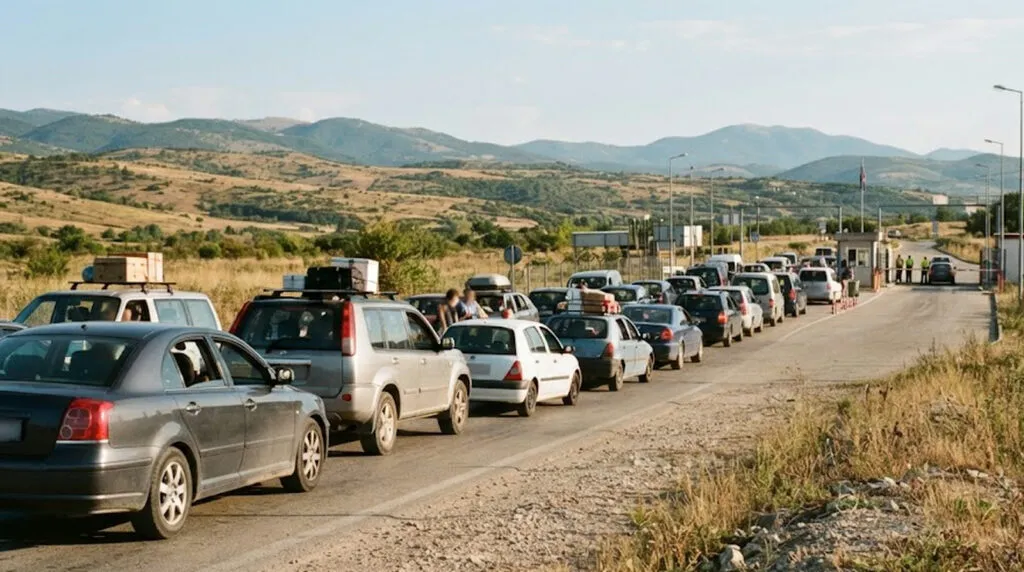
Three cars at midnight, twenty-nine at six in the morning. That same morning Medzitlija was empty, and the hour you...
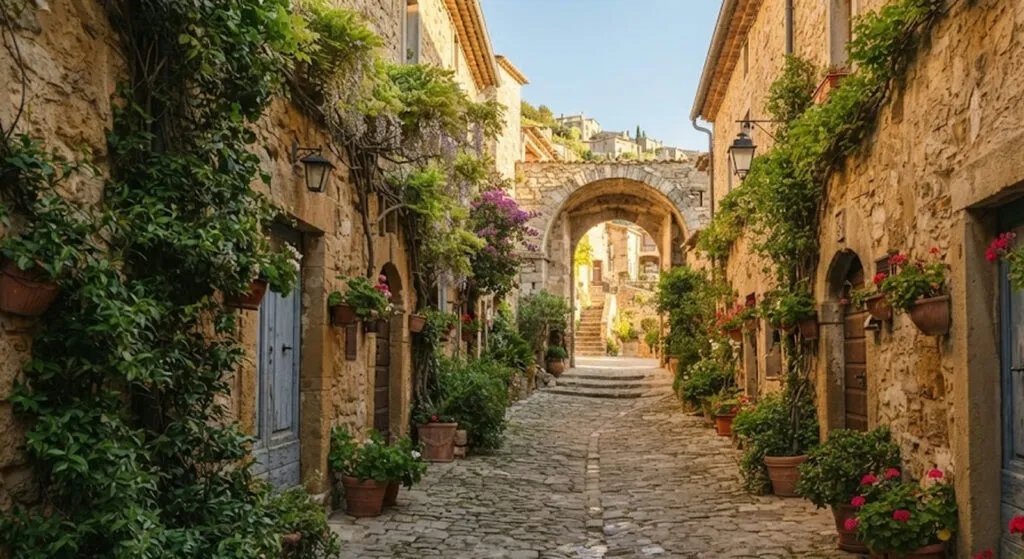
The moat around the village was not banked up but cut out of the stone. The shape stayed because for...
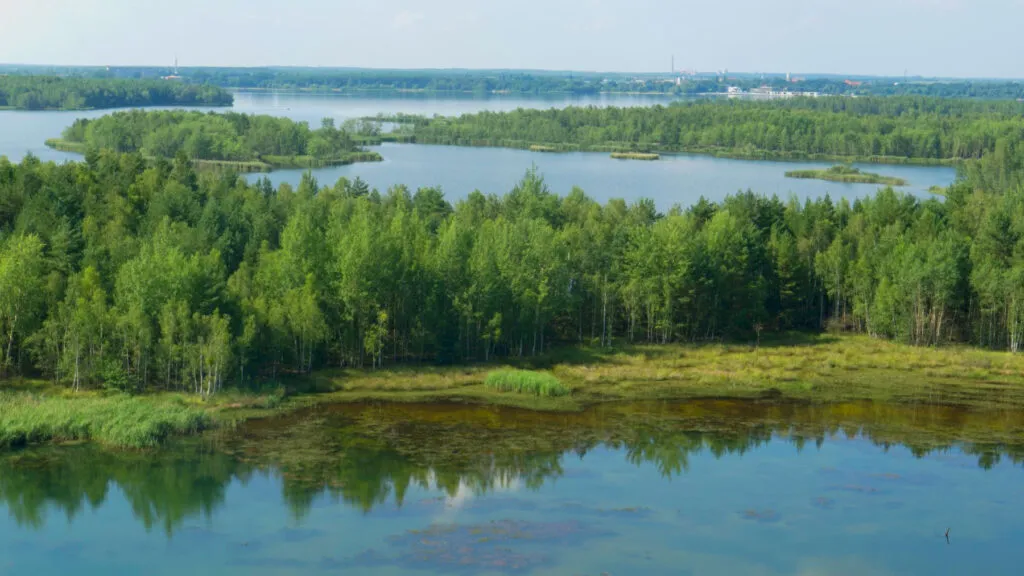
Two billion tonnes of coal taken out of the ground, and today they call the water the German Lake Como....
Bogorodica, Medzitlija and Star Dojran in one place - live cameras, queues hour by hour, and a forecast for the...

Of a thousand islands, only around a hundred have a single hotel each. There is another Maldives too - fishing...
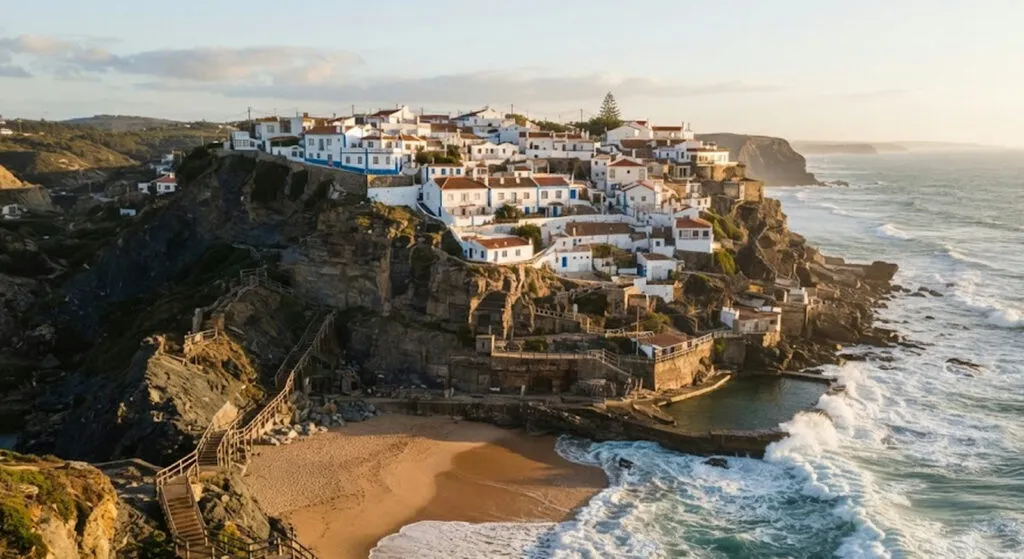
White houses with blue trim glued above the ocean, and beaches connected by an 18.5-kilometre trail instead of a car...
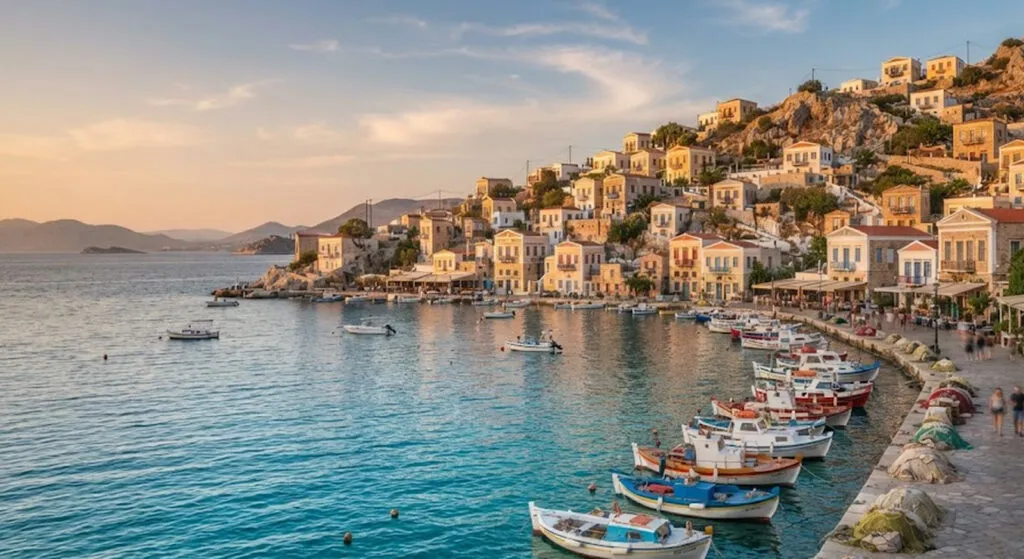
Eleven walking trails, eighty kilometres, and one staircase of six hundred steps that a local shepherd spent ten years carving....
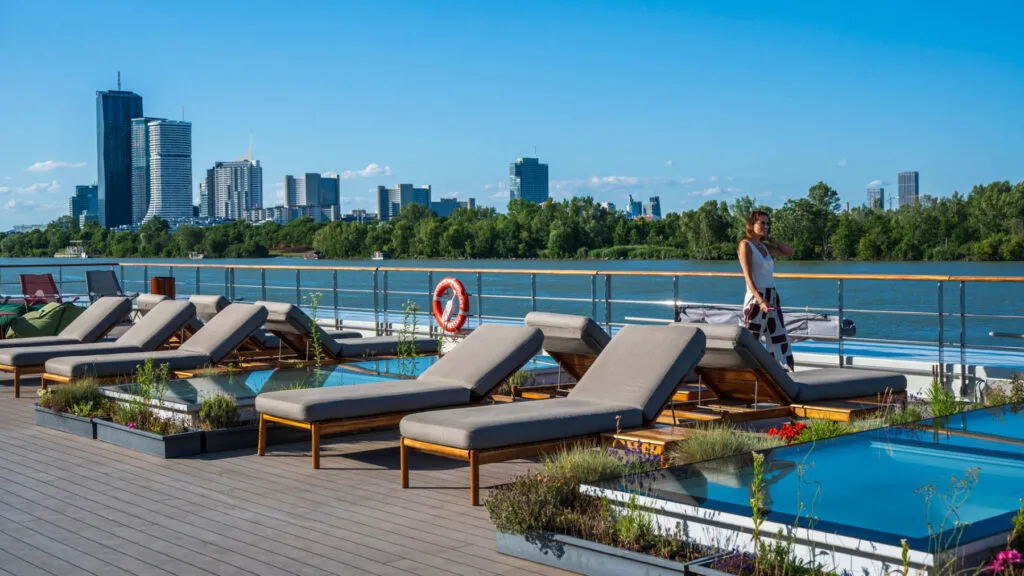
From Vienna to Budapest, stopping at Esztergom and Visegrád. A boat that docks in the old town centre, not twenty...
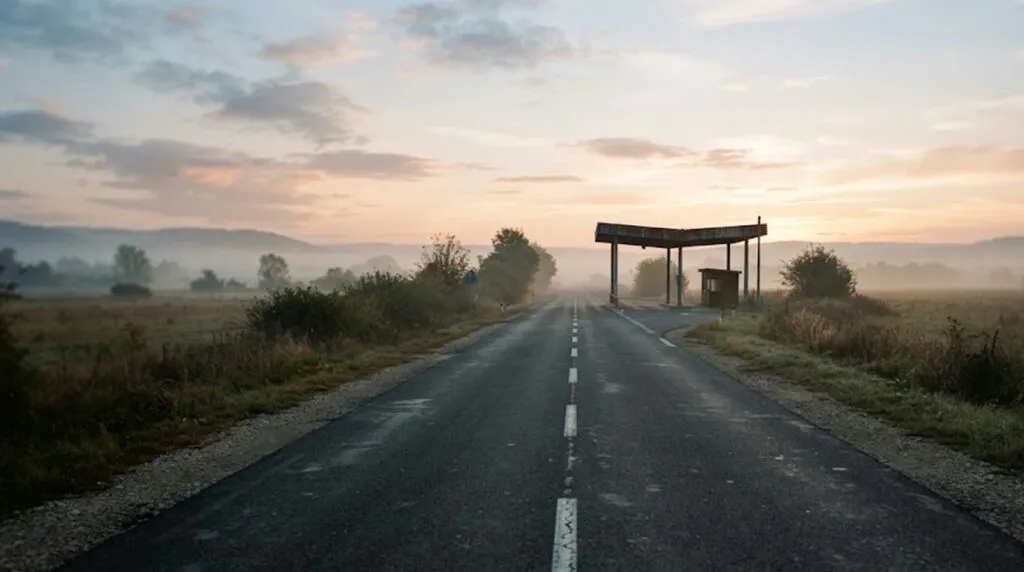
Everyone leaves early to beat the queue. The forecast says that is exactly when the queue is longest - and...
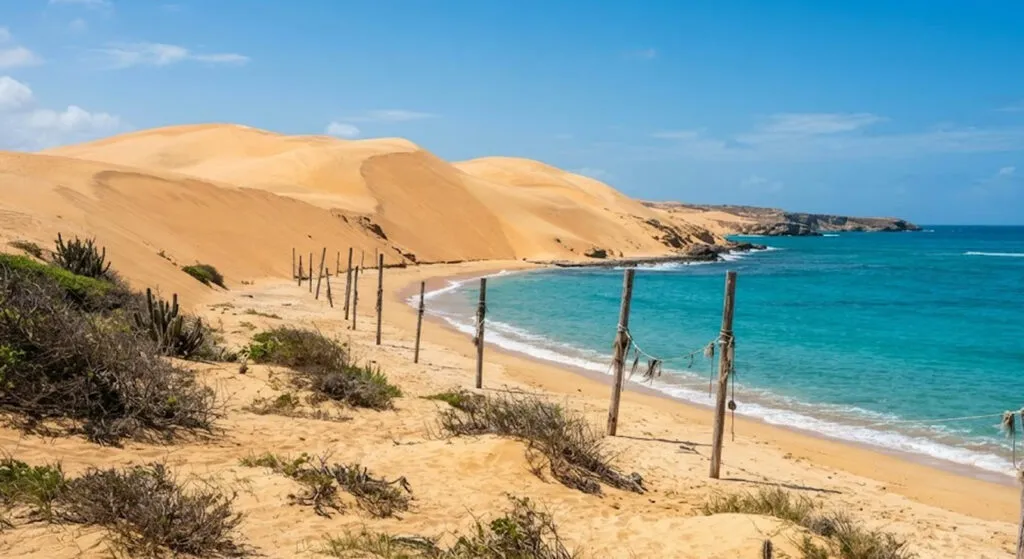
The town from One Hundred Years of Solitude does not exist. The landscape it was born from does, and it...
This site uses cookies - is that okay? Learn more
Be the first to know when Metla launches something new
Leave your email and we will write when there is a new guide or something new on Metla.