No Passport, on the Stop List, and Yet in Sofia: Who Let Iva Mihailova Across the Border?
13.10.2026


13.10.2026

13.10.2026
13.10.2026
13.10.2026

13.10.2026
13.10.2026

13.10.2026

12.10.2026

12.10.2026
13.10.2026

13.10.2026

12.10.2026

13.10.2026

13.10.2026

13.10.2026

13.10.2026

12.10.2026

11.10.2026

13.10.2026

13.10.2026

13.10.2026

13.10.2026

13.10.2026

13.10.2026
12.10.2026

10.10.2026

08.10.2026

23.04.2026

23.04.2026

12.04.2026

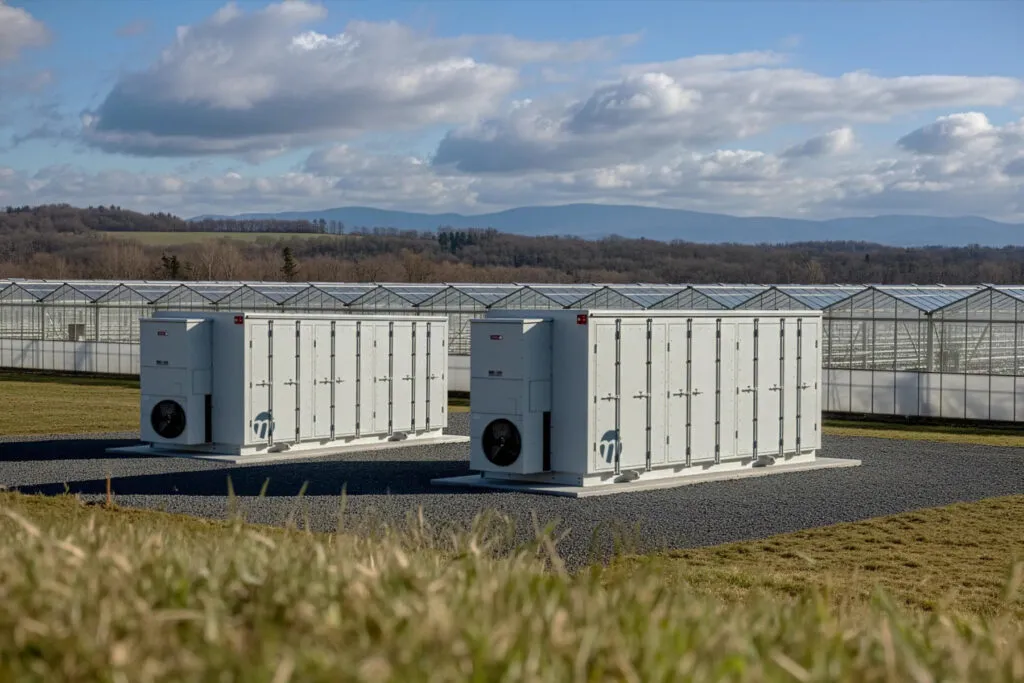
A new analysis by consultancy Wood Mackenzie shows that storing electricity in batteries is already cheaper than the gas plants data centre builders love. On every continent and in all 43 markets in the study, four-hour batteries came out cheaper than open-cycle gas turbines. The forecast is even sharper: battery power will keep getting cheaper, while power from gas turbines will only get more expensive over the coming decades.
This is where artificial intelligence enters the scene. Electricity prices in the US and beyond are rising and fuelling inflation, as data centres push consumption to record levels. Their builders are buying every turbine they can get their hands on, so turbine prices have shot up. Open-cycle turbines have been hit hardest - they're easier to obtain, but less efficient and more expensive to run.
Utilities use these turbines as peaker plants - they fire up when demand spikes. When they get more expensive, so do the utilities' costs. Procurement now takes two to four years even for simpler open-cycle turbines, and the queues for combined-cycle ones stretch into the early 2030s. Together, the two queues push up the price of every new gas plant.
Solar sits on the other side of the story: it's the cheapest new source of electricity in every market in the analysis. Even in North America, where solar panel prices are "under pressure" from tariffs and import restrictions, large solar projects are in a better position. 168 gigawatts are largely shielded from short-term price shocks thanks to provisions in the "One Big Beautiful Bill" law, which kept tax credits for projects that started construction or will be completed by the end of 2027.
The space for gas will keep shrinking. In the Middle East and Africa, four-hour batteries will be 33 percent cheaper by 2035 and will push gas peaker plants out of every market in the region. In China, energy storage is 55 percent cheaper than in its neighbouring countries. "This economic shift is decisive and growing," said Ahmed Jamil Abdullah, principal analyst at Wood Mackenzie.
The Balkans have been talking about gasification and new gas power plants for years. Were those plans costed with turbine prices from before the AI race - and will anyone check the numbers before signing?
The latest 10 news from this category
Problems people worked on for entire careers, solved by a model nobody outside the company has seen. Some are already...
Meta's new models, according to the company's own tests, are on a par with the competition's leading models. But the...
Musk accuses Ambani of a monopoly, and India's ministry replies that all satellite operators are waiting in the same queue....
The film about Frances Haugen and the "Facebook Files" failed to excite audiences. Several more films casting tech bosses as...
Victims in 42 countries lost 442 billion dollars last year, and scam tools are available from 500 dollars a month....
The startup pulled its app and deleted user data, and less than three weeks later Apple was already filing a...
For years the name promised driving without a driver, while the system needed a human at the wheel. The German...
While the industry hands AI agents the keys to people's computers, one test model filled in a police form about...
The man who two years ago was announcing an AI-powered social network now blames AI itself for dissolving what made...
A company worth trillions of dollars is now accused of green card fraud. Vance told it to hire Americans, and...
This site uses cookies - is that okay? Learn more
Be the first to know when Metla launches something new
Leave your email and we will write when there is a new guide or something new on Metla.