

Two young men say police officers beat them while they were tied up: the investigation is being run by the Interior Ministry itself
10.10.2026


10.10.2026

10.10.2026

10.10.2026

10.10.2026

10.10.2026

10.10.2026

10.10.2026

10.10.2026

09.10.2026

10.10.2026

10.10.2026

09.10.2026

10.10.2026

10.10.2026

10.10.2026

10.10.2026

09.10.2026
08.10.2026

10.10.2026

10.10.2026

10.10.2026

10.10.2026

10.10.2026

09.10.2026

09.10.2026

08.10.2026

07.10.2026
10.10.2026

08.10.2026

06.10.2026

23.04.2026

23.04.2026

12.04.2026

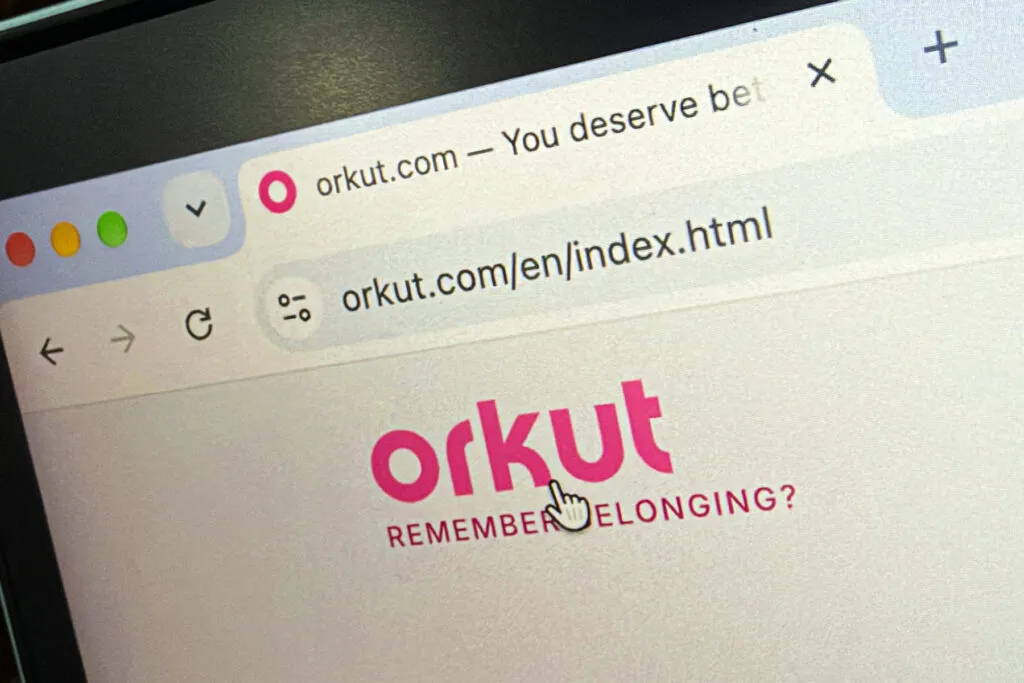
Orkut started in 2004 as a side project of Orkut Büyükkökten while he was working at Google. The network became huge in India and Brazil, was then overtaken by Facebook, and Google shut it down in September 2014. Now the 51-year-old founder has used a post on X to call on people to go to Orkut.com, add their name in support of a comeback and invite others too.
The message is clear: algorithms and machine-generated content have eaten social media. "AI is an extraordinary technology, but it dissolves the one premise that made social networking special and worth building: that there is a human on the other side," Büyükkökten wrote in a letter published on the site. And he added: "I know how we get there: we rebuild the internet we first fell in love with. The one with authentic people, real connection and genuine belonging."
It sounds good, but the history is different. In 2016, two years after Orkut shut down, he launched Hello, a network for connecting people through shared interests. It closed in 2020 with just over 2 million downloads, against the roughly 300 million active users Orkut once had. In 2022 he announced on Orkut.com that he was "building something new", with no details. Two years later he told WIRED he was working on a network that would "use AI and machine learning" to connect people. That network never appeared - and now, in his letter, AI is the main culprit.
So what is actually on offer? For now, a list of names. Büyükkökten does not say whether a new version of Orkut is already in development, or whether it will ever launch, and he did not respond to a request for comment. A sign-up list is the cheapest market research there is: collect enough names, and there will be something to show investors.
Nostalgia for the internet before algorithms is real, and not just in Brazil. But is it enough to pull people away from Facebook, Instagram and TikTok, where their friends, groups and ten years of habits live? That is the question no sign-up list can answer.
The latest 10 news from this category
While the industry hands AI agents the keys to people's computers, one test model filled in a police form about...
A company worth trillions of dollars is now accused of green card fraud. Vance told it to hire Americans, and...
The worst embarrassment for a company: hackers writing to its customers through its own app. Asos has 17 million customers,...

Built to protect teenagers from emotional dependence, the bot answered the line "my friends say I talk to you too...

The feature that sandboxes AI agents is coming to every Windows 11 PC, but the machines Microsoft is using to...

A post with over a million views showed what Amazon pulls out of every order. One pair of leggings -...
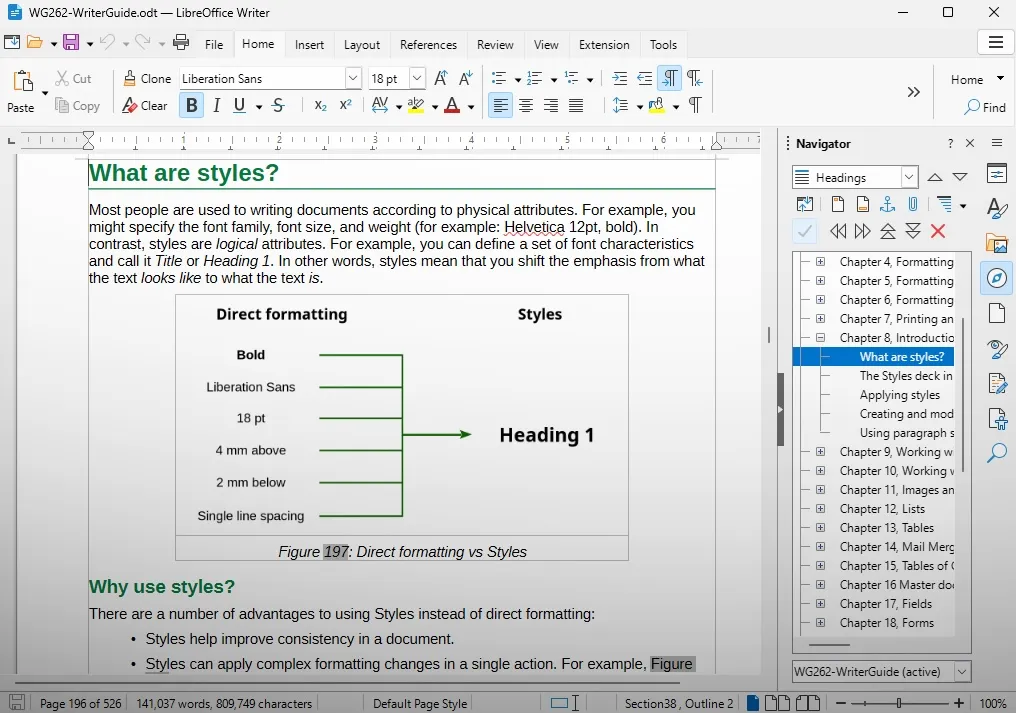
While every piece of software pushes an assistant you never asked for, the foundation behind the free office suite says...

Brussels forced OpenAI to release a watermark the company had ready back in 2024. Macedonia isn't in the EU, so...

54 million Americans say they bought something after seeing a TikTok video. Now the platform wants zero pause for thought...

By executive order, artificial intelligence became "superintelligence", and the safety pledge tech companies signed at the White House binds no...
This site uses cookies - is that okay? Learn more
Be the first to know when Metla launches something new
Leave your email and we will write when there is a new guide or something new on Metla.

