

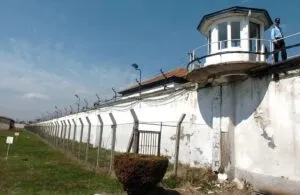
Inmate Electrocuted Inside Idrizovo Prison: Who Ran a Live Wire Anyone Could Touch?
31.08.2026


31.08.2026
31.08.2026

31.08.2026

31.08.2026

31.08.2026
31.08.2026
31.08.2026
30.08.2026
29.08.2026
31.08.2026

31.08.2026

30.08.2026
31.08.2026

31.08.2026

31.08.2026

31.08.2026
30.08.2026
29.08.2026

31.08.2026

31.08.2026

31.08.2026

31.08.2026
30.08.2026
30.08.2026

09.03.2026

27.02.2026

19.02.2026
31.08.2026
30.08.2026
29.08.2026

23.04.2026

23.04.2026

12.04.2026
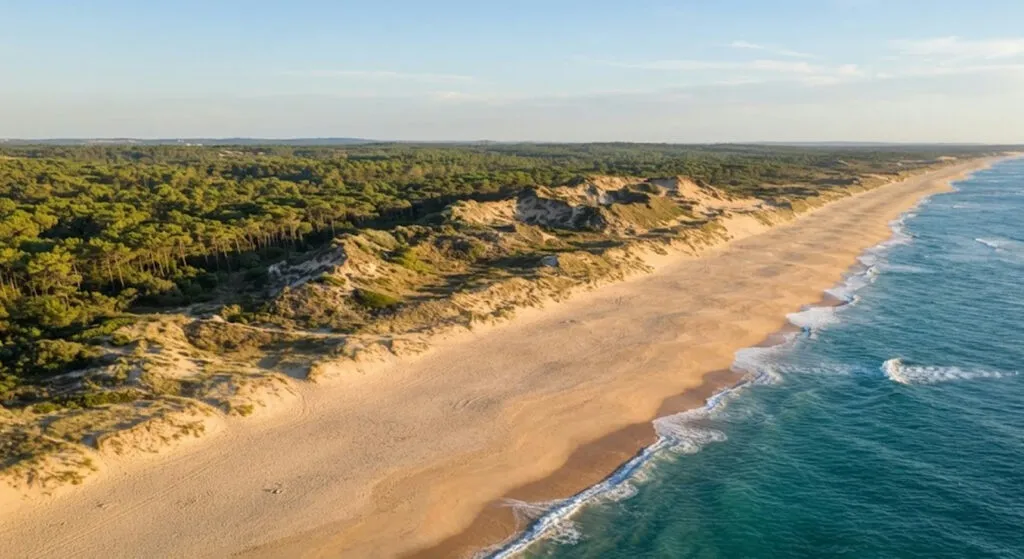
The August crowds are leaving, the water stays warm for weeks. This is the moment the southern Spanish coast opens up the way it looks in photographs - with no queue for parking and no towel-to-towel packing.
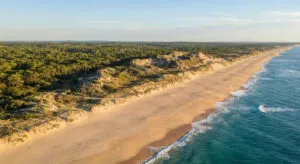
The strongest example is Bolonia near Tarifa, where you swim beside the Roman ruins of Baelo Claudia. The beach has a dune 30 metres high and 200 wide, slowly swallowing the pine forest behind it. The archaeological site holds remains of a forum, temples, a sanctuary, a market, a basilica, a theatre, baths and a fish-salting factory. Few places in the Mediterranean offer a swim and an ancient town in the same frame.
A few kilometres on is Punta Paloma, ten kilometres from Tarifa, where the dune landscape stretches for kilometres along the coast. It is a favourite of kitesurfers because of the wind that blows here almost constantly - the same wind that empties the other beaches and fills this one.
If you want postcard-coloured water, Maro near Nerja is the stretch of rocks and small coves with fewer people than the neighbouring beaches in the same municipality. With a mask or a kayak you can reach hidden waterfalls beneath the cliffs.
The hardest to reach is Cala de Enmedio in Cabo de Gata. It is half an hour on foot from Agua Amarga or twenty minutes from Cala Plomo - or you arrive by boat. There was once a coral reef here; what remains are fossilised dunes with small pools of intensely blue water forming between them.
In the same park is Playa de los Genoveses, a bay more than a kilometre long with shallow water and not a single facility. No shower, no bar, no shade. Whoever goes there brings water, food and sun protection - or comes back earlier than planned.
On the Atlantic side is El Palmar near Vejer de la Frontera: eleven kilometres of sand and water that actually cools you down, unlike the Mediterranean in August. There are plenty of beach bars and sunsets that need no filter.
In Huelva, Mazagon and Matalascanas rest on something rarely found - the Donana National Park at their back. The beaches are so long it is hard to end up near anybody. The sixteenth-century tower at Torre del Loro and the La Higuera tower, constantly washed by the sea, are the two most photographed points on that coast.
Near Marbella, Cabopino proves that even the most built-up coast in Spain kept something natural: fourteen kilometres from the centre, in the protected area of the Artola dunes, with a 15-metre Arab watchtower. And in Granada, La Rijana is a pebble beach ringed by rocks, where you rent a board or a kayak and go around the caves.
Ten beaches, not one of them requiring a plane ticket across an ocean. The question is whether the Balkans will ever learn that September is the best month at the sea - or whether we will all keep shoving into the first half of August because that is how it was last year too.
The latest 10 news from this category
The capital of country music does not geographically sit on the legendary Highway 61 - you have to turn off....
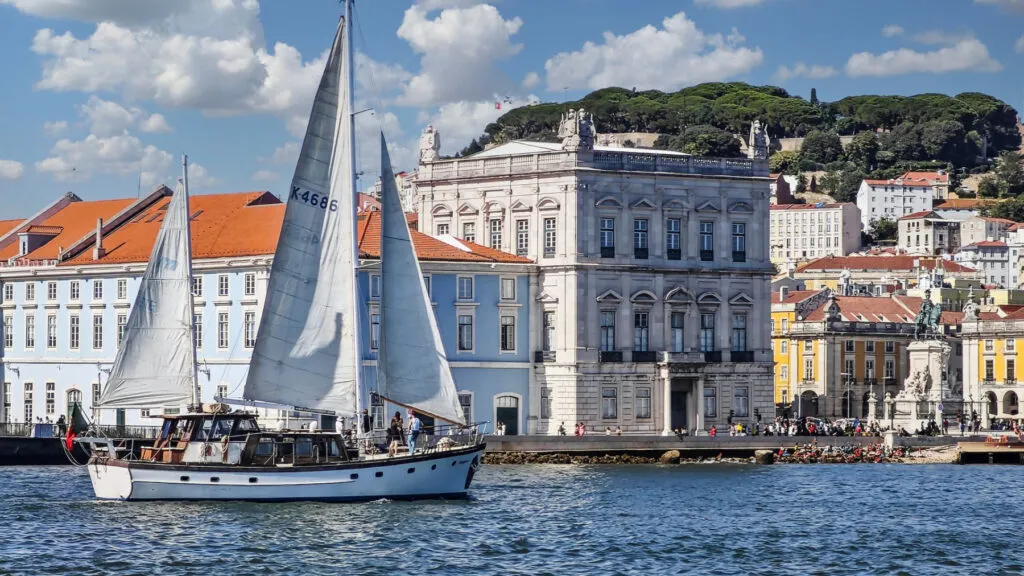
An hour on a sailing boat costs 25 euros, sunset 43. The best detail in the city is a rhinoceros...
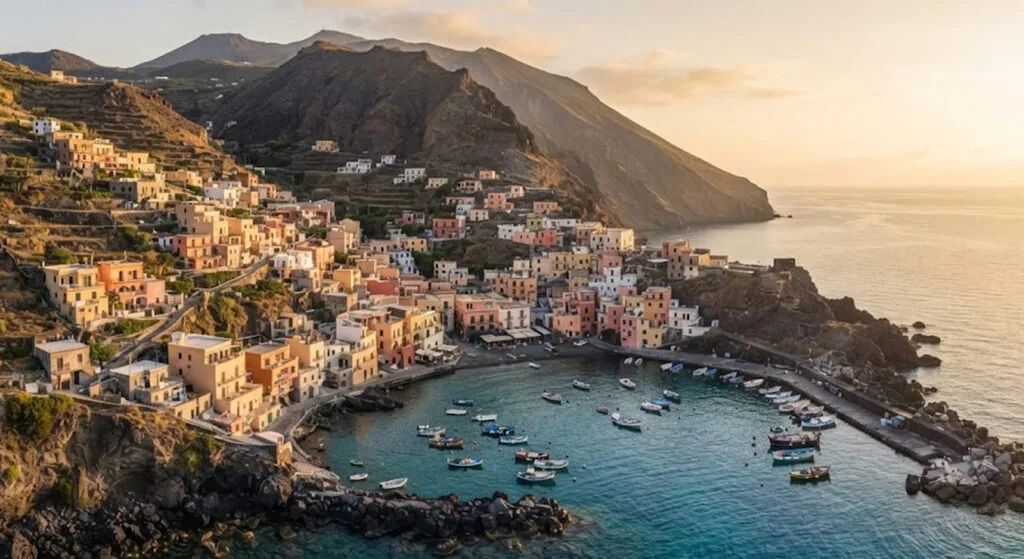
Of the six, only two are inhabited year-round and two are practically empty. Next time you hear the Union was...
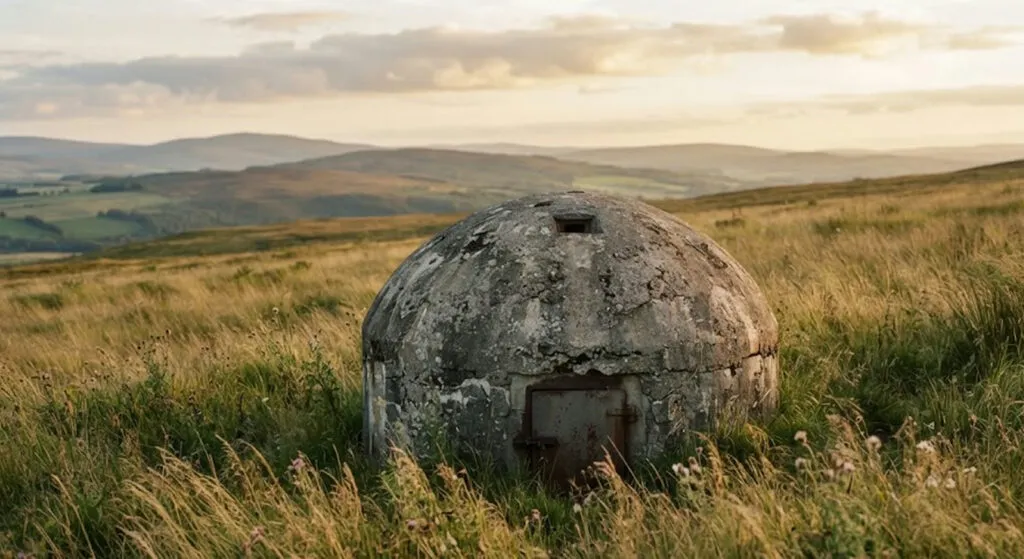
The pyramid raised in the dictator's honour is now an arts school. We are still arguing about whether to open...
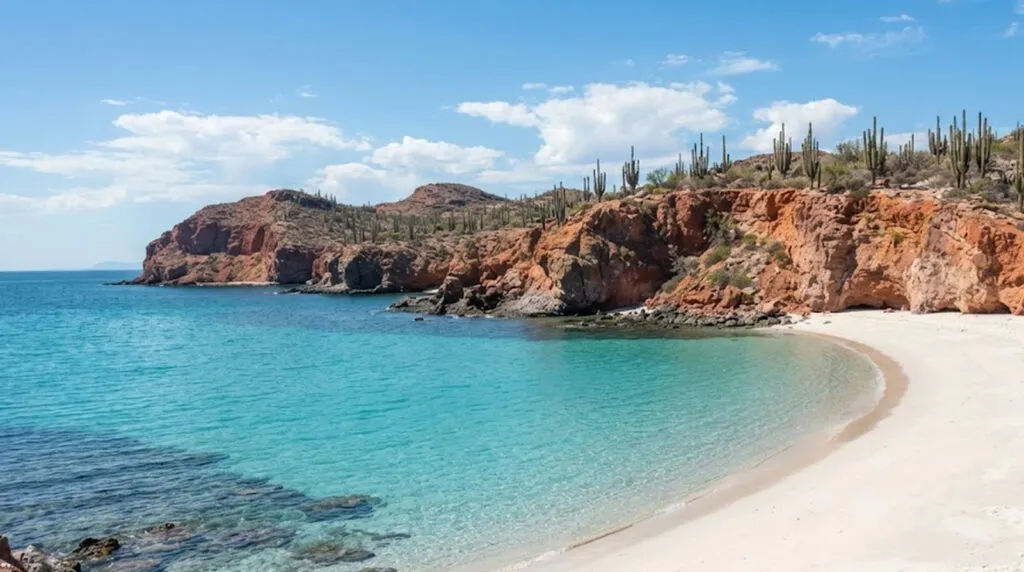
Cousteau called the Sea of Cortez the world's aquarium - 900 marine species and 33 mammal species back the name...
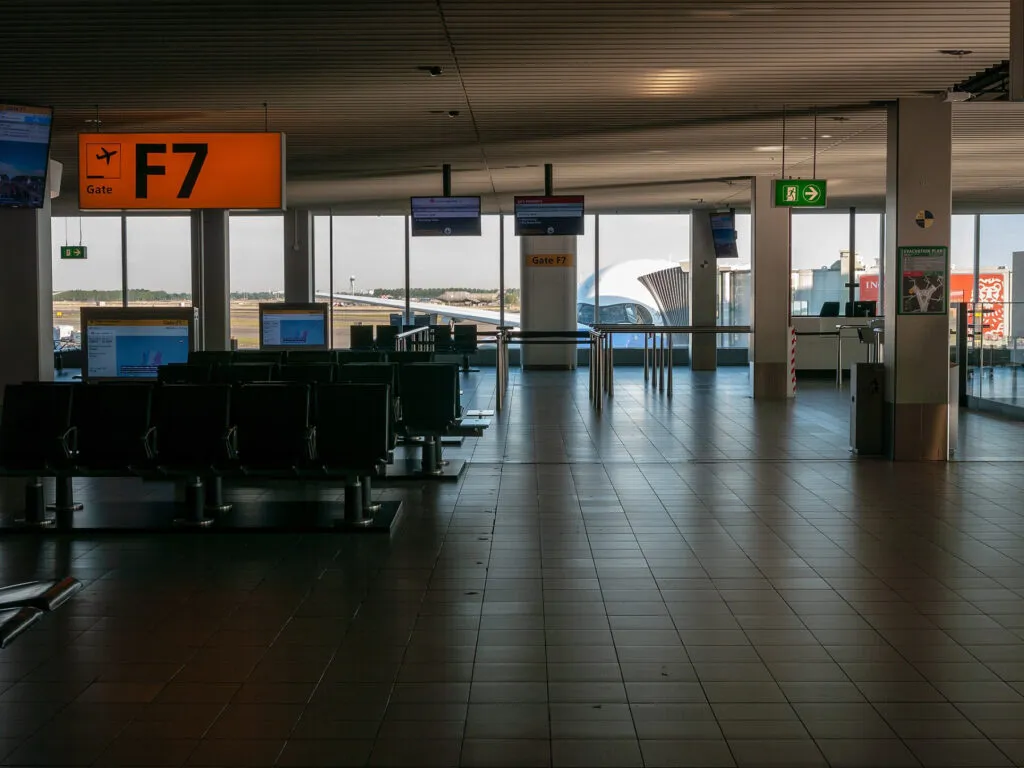
Half an hour of reading before you pay for the ticket solves all ten. The question is why we never...
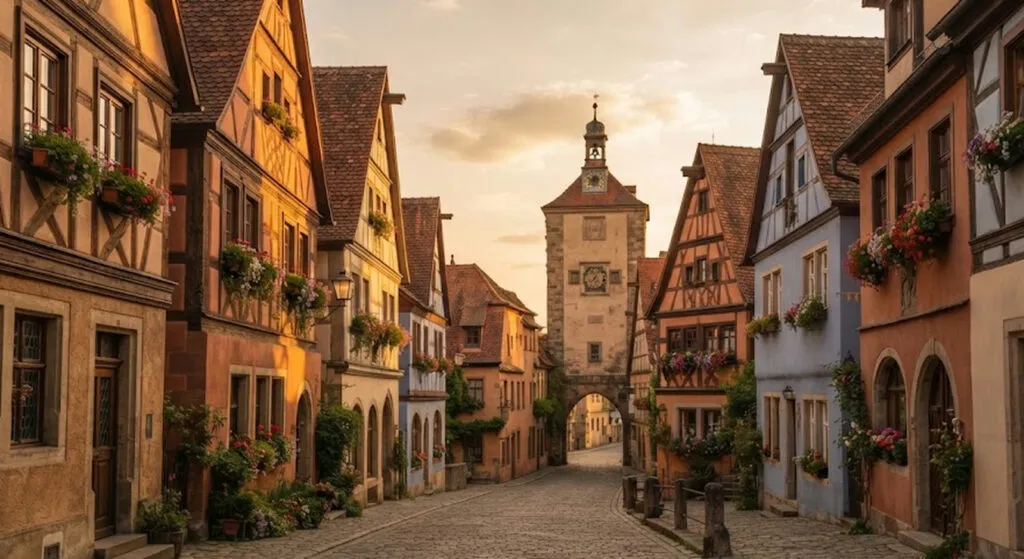
Rothenburg ob der Tauber kept the street layout of six hundred years ago, and the wall around it runs four...
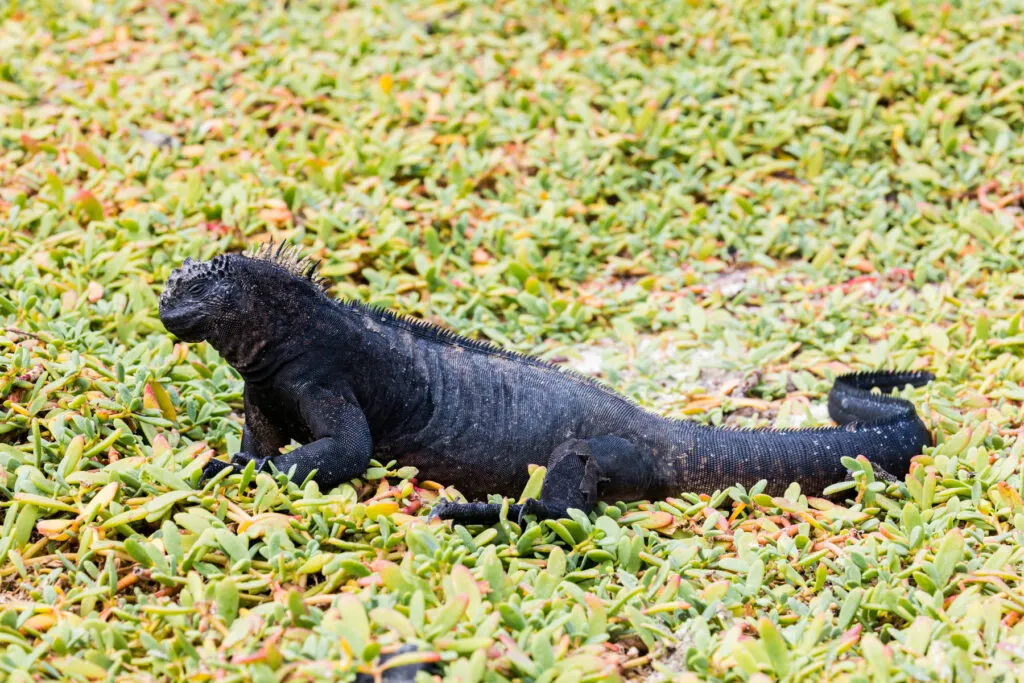
A thousand kilometres out into the Pacific, 13 large islands and species that exist nowhere else. The strict rules there...
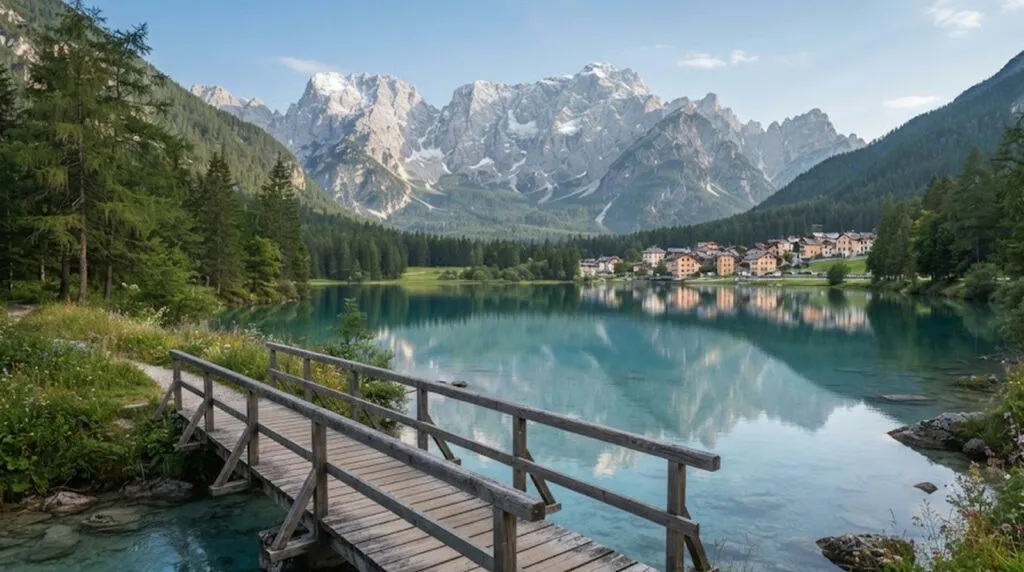
A 12th-century castle, a museum with 17,000 objects and surfers in the river in the middle of town. Thun is...
White rock polished as if it were poured, sea in a colour that looks overdone, and a statue the whole...
This site uses cookies - is that okay? Learn more
Be the first to know when Metla launches something new
Leave your email and we will write when there is a new guide or something new on Metla.
