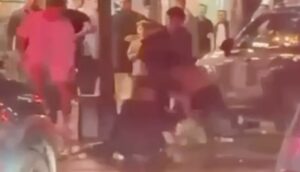
Снимката ги најде за еден ден: двајца малолетници и 20-годишник осомничени за суровото тепање во Гостивар
04.08.2026


04.08.2026
04.08.2026

04.08.2026

04.08.2026
04.08.2026

04.08.2026

04.08.2026

04.08.2026

03.08.2026

04.08.2026

04.08.2026

04.08.2026

04.08.2026

04.08.2026

04.08.2026

04.08.2026

04.08.2026

04.08.2026

09.03.2026

27.02.2026

19.02.2026

03.08.2026
03.08.2026

03.08.2026

23.04.2026

23.04.2026

12.04.2026
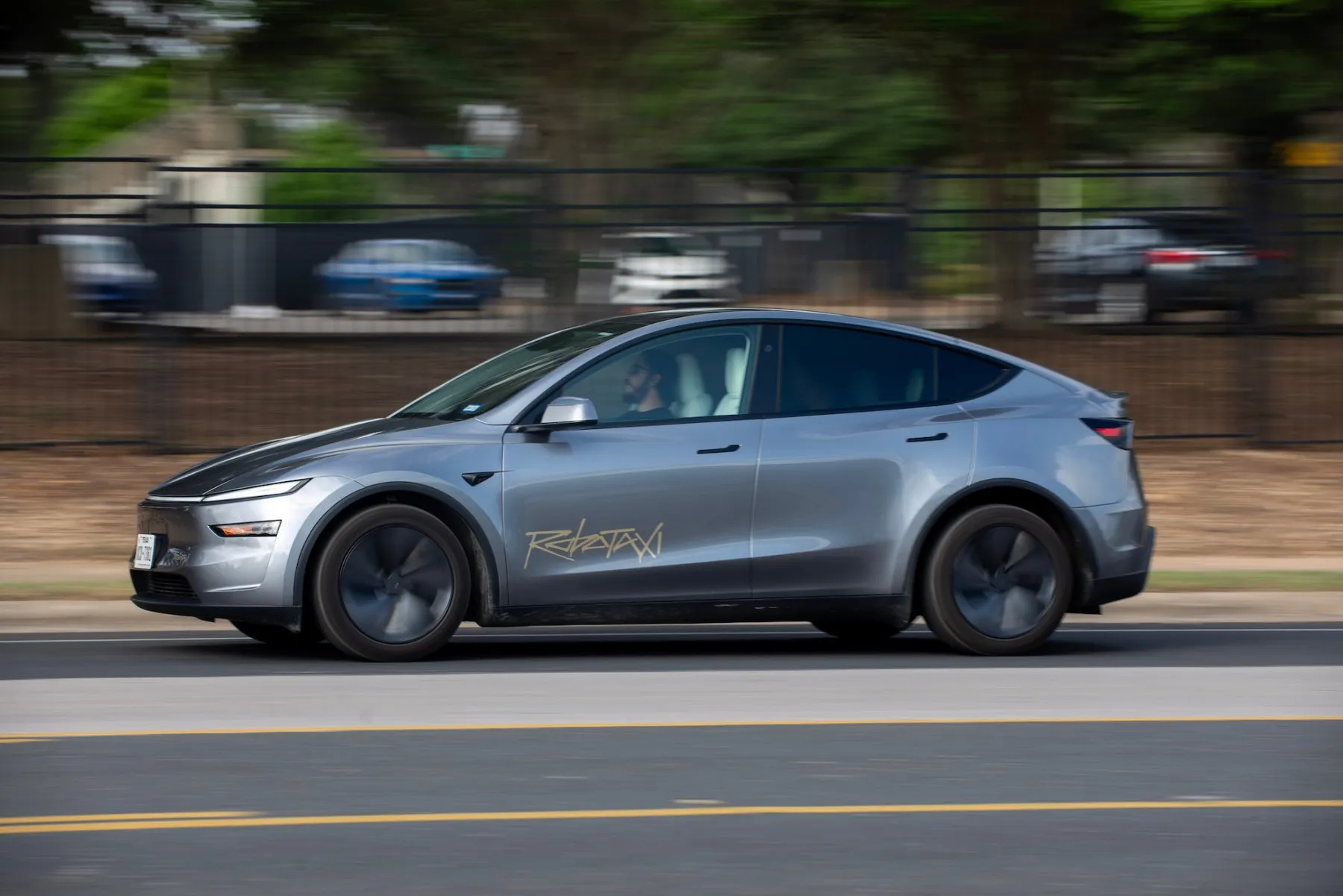
Tesla has unexpectedly opened its cards. After almost a year of hidden descriptions, Elon Musk's company has finally disclosed details of 17 traffic incidents on its Robotaxi network - and two of them happened when the vehicle was being controlled by a remote operator rather than the machine autopilot.
Both tele-incidents took place in Austin, Texas, at low speeds and with a safety supervisor at the wheel, no passengers. The first, in July 2025, when the autonomous system stalled and couldn't continue - the remote operator stepped in and, instead of moving the car away, ran it onto the kerb and into a metal barrier. The second, in January this year - the car hit a temporary construction barrier at around 14 km/h, scraping the front-left bumper and a wheel.
What were these remote operators doing? According to the company's explanation to lawmakers, they "take over control to move the vehicle into an uncompromised situation", with a speed limit of 16 km/h. "That removes the need to wait for a first responder or Tesla representative to manually retrieve the vehicle," the company said. Sounds reasonable - until you realise it was exactly those operators who caused two of the incidents.
What's more interesting is that the company up to now redacted all incident descriptions involving Robotaxi, claiming it was a trade secret. Every other firm running autonomous vehicles filed full descriptions. Tesla alone played the exception - until this week, when it suddenly decided to publish them. Who forced their hand and why now - that's the question.
For European regulators, this is the opening scene. The EU already has stricter rules on autonomous vehicles and tele-supervision than the US. How long will it take regulators in Brussels to demand the same publicly available descriptions from every manufacturer planning to drive through European cities? And an even better question - can a vehicle being driven by a person from a remote room actually be called "autonomous" at all?
The latest 10 news from this category
Алекс Карп тврди дека компаниите што градат јазични модели ти ја префрлаат експертизата во својот модел за да ти го...
Норвешки истражувачи најдоа во апликации за смарт-телевизори код што ја претвора домашната линија во тунел за туѓ сообраќај. Кај LG...
The operator covering 67 million consumers admitted it does not have power for everyone and decided in advance who gets...
Sales are not falling because people got poorer, but because old phones stopped breaking on schedule. The industry's answer is...
Opus 5 set a record in the test and broke 11 agreements. Not one of the tricks is new -...
The billions were announced with a stage and slogans. The retreat is happening quietly, in sentences containing the word alignment.
In his last quarterly report Tim Cook announced the stronger Siri will be bought through iCloud+. The firm that paid...

The platforms that spent years convincing us automated content was the future are now patiently building filters against it. The...
Out of 141,006 test runs, three ended up inside the live systems of real firms. The oldest model worked out...
The strongest June quarter in its history, and the stock fell 6 percent. Artificial intelligence turned out to have a...
This site uses cookies - is that okay? Learn more
Be the first to know when Metla launches something new
Leave your email and we will write when there is a new guide or something new on Metla.