
Five Fire Fronts in One Night Near Raec: The Mayor Sounds the Alarm on Facebook, Prevention Is Once Again a Topic for September
03.08.2026


03.08.2026

03.08.2026

03.08.2026

03.08.2026

03.08.2026

03.08.2026

03.08.2026

02.08.2026

02.08.2026

03.08.2026

03.08.2026

02.08.2026

03.08.2026

02.08.2026

01.08.2026

03.08.2026

03.08.2026

03.08.2026

03.08.2026

03.08.2026

03.08.2026

09.03.2026

27.02.2026

19.02.2026

03.08.2026

03.08.2026

03.08.2026

23.04.2026

23.04.2026

12.04.2026
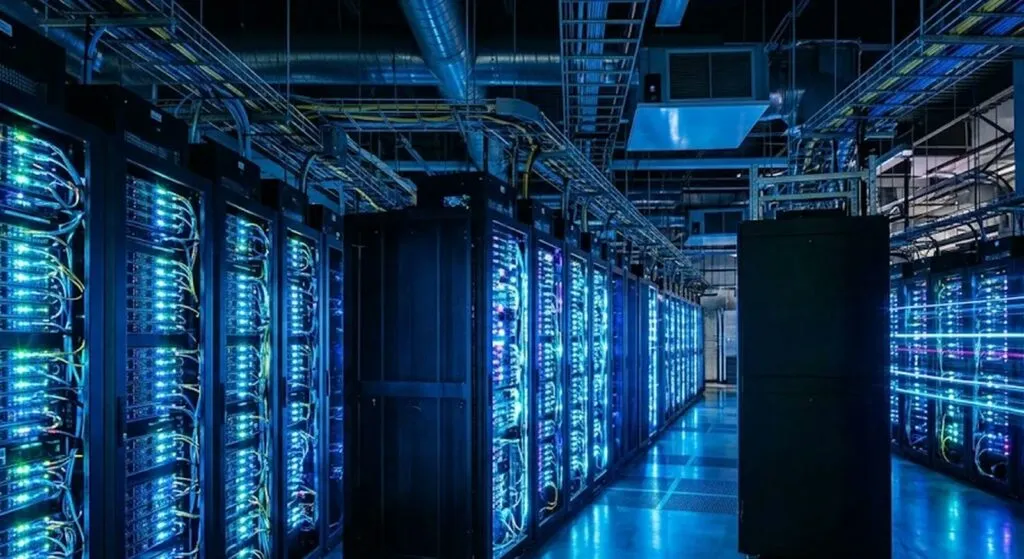
Eric Vishria didn't want to take the meeting. That was nine years ago, in 2016 - he was still a young partner at Benchmark, one of the most prestigious investment firms in Silicon Valley, and the firm traditionally doesn't invest in hardware. He even wrote to his assistant asking why she'd put that meeting on his calendar.
Today, after the listing of Cerebras Systems, those 17.6 million shares Benchmark holds began trading at an opening price of 185 dollars - and finished the same day above 300 dollars. Which means Benchmark's stake, worth 3.3 billion dollars at the open, climbed past 5.3 billion dollars by the close. On an investment of around 270 million dollars. That's nearly 20 times the original stake on a big slice of it.
Cerebras makes something very specific - AI chips the size of an entire silicon wafer, instead of small processor units. That's a completely different approach from Nvidia's. When founders Andrew Feldman (CEO) and Sean Lie (CTO) pitched the idea to Vishria in 2016, they argued that graphics processors (GPUs) aren't perfect for deep learning, even if they're better than ordinary CPUs. "Oh dear. Why would a graphics processor be the real tool for AI?" Vishria asked himself after the third slide.
The road wasn't quick. Eight and a half years of engineering, new cooling methods, machines that hold more bolts at once without damaging fragile silicon. A 500 million dollar raise while the product was still being developed. Another round in the catastrophic 2022. A first IPO attempt in 2024 fell through over an American national security audit on investments from G42 - at the time the main client.
The irony is that the delay is what helped the company. OpenAI and AWS became key clients. Revenue doubled. Cerebras became profitable. And now Vishria, the same man who didn't want to take the meeting, sits on a board where 9.5 percent of an AI chip company is worth over five billion dollars. "Persistence, inventiveness, and adaptiveness too," he says today about the team.
For the European startup scene, the story carries one question. How many good ideas in the past nine years weren't financed because conventional investors decided that hardware is "too heavy"? And how many Cerebras-es are sitting in garages and university labs from Zagreb to Sofia, waiting for a partner who'll come to the meeting rather than one who'll fire off a note to the assistant?
The latest 10 news from this category
The operator covering 67 million consumers admitted it does not have power for everyone and decided in advance who gets...
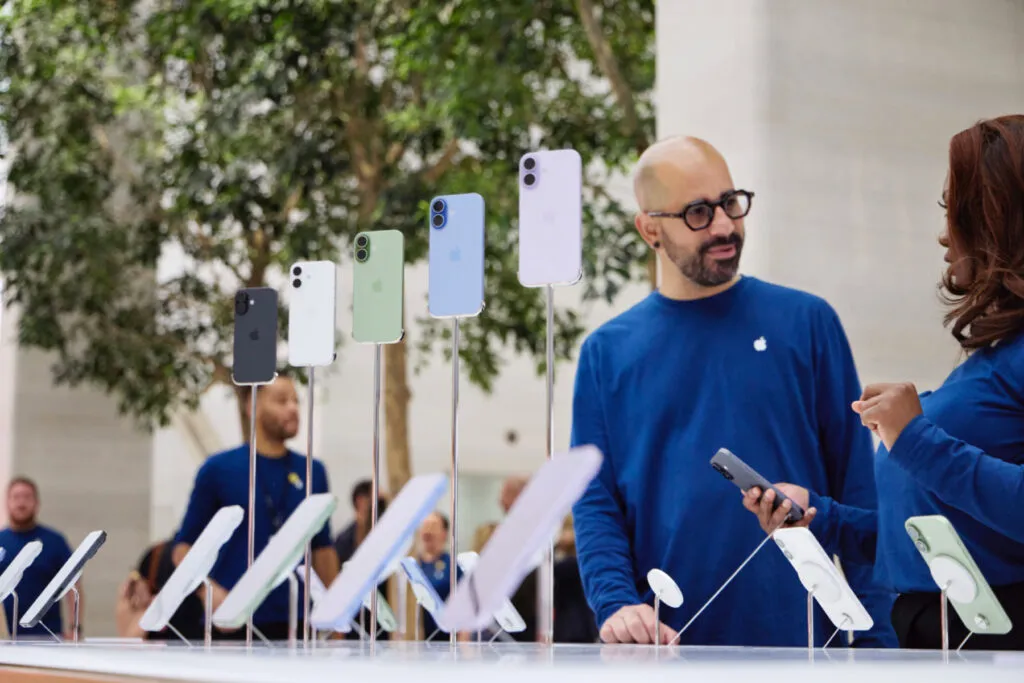
Sales are not falling because people got poorer, but because old phones stopped breaking on schedule. The industry's answer is...

Opus 5 set a record in the test and broke 11 agreements. Not one of the tricks is new -...

The billions were announced with a stage and slogans. The retreat is happening quietly, in sentences containing the word alignment.
In his last quarterly report Tim Cook announced the stronger Siri will be bought through iCloud+. The firm that paid...

The platforms that spent years convincing us automated content was the future are now patiently building filters against it. The...
Out of 141,006 test runs, three ended up inside the live systems of real firms. The oldest model worked out...
The strongest June quarter in its history, and the stock fell 6 percent. Artificial intelligence turned out to have a...

The FCC is closing the door to humanoid robots and power inverters, but only new ones. The millions of Chinese...
The player that raised the MP3 generation is betting nostalgia can be billed monthly. The new Winamp arrives in 2027,...
This site uses cookies - is that okay? Learn more
Be the first to know when Metla launches something new
Leave your email and we will write when there is a new guide or something new on Metla.