
Пет жаришта во една ноќ кај Раец: градоначалникот алармира преку Фејсбук, превентивата пак остана тема за септември
03.08.2026


03.08.2026

03.08.2026

03.08.2026

03.08.2026

03.08.2026

03.08.2026

03.08.2026

02.08.2026

02.08.2026

03.08.2026

03.08.2026

02.08.2026

03.08.2026

03.08.2026

03.08.2026

03.08.2026

02.08.2026

01.08.2026

03.08.2026

03.08.2026

03.08.2026

03.08.2026

03.08.2026

03.08.2026

09.03.2026

27.02.2026

19.02.2026

02.08.2026

01.08.2026

31.07.2026

23.04.2026

23.04.2026

12.04.2026
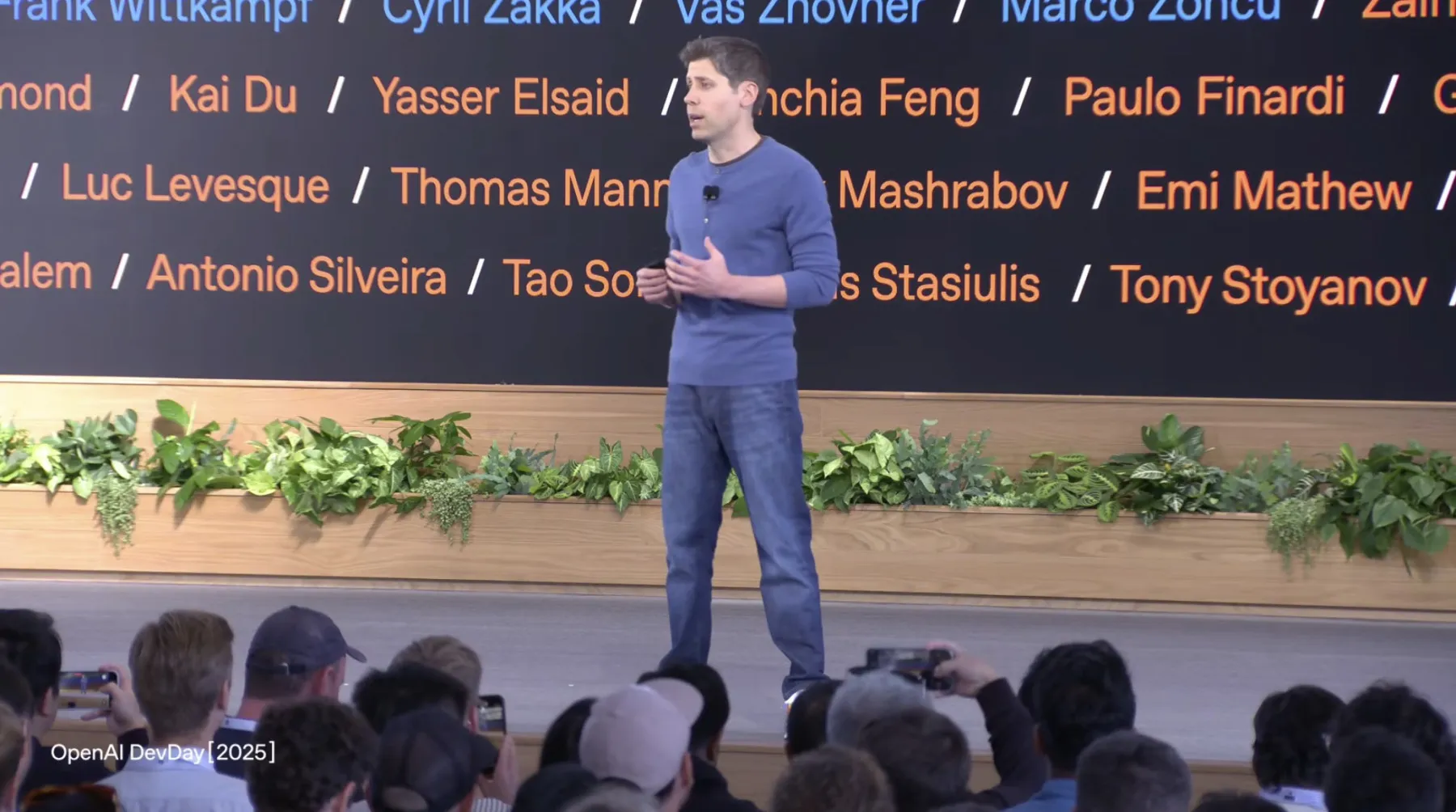
OpenAI is considering suing Apple. According to Bloomberg, Sam Altman's company has already hired an outside law firm that is mapping the options - which don't have to start with a public lawsuit, but could end with a formal notice of breach of contract.
The argument is almost two years old. The partnership between the two companies was announced at WWDC in June 2024 - ChatGPT integrated into Siri and into the Visual Intelligence feature on the iPhone. OpenAI expected billions of dollars worth of new subscribers and a prime spot in one of the most used mobile ecosystems in the world. That didn't happen.
According to sources close to OpenAI, the integration has been literally buried in Apple's menus, hard to find, and the revenue from it is far below what was projected. Apple, on its side, isn't sitting quietly either - it has its own complaints, including concerns over OpenAI's privacy practices and irritation at its increasingly aggressive move into hardware, a project led by former Apple design chief Jony Ive.
Apple's history with partners is instructive. Google Maps was a key feature of the original iPhone until Apple ripped it out in 2012 and replaced it with its own Apple Maps product - so weak that Tim Cook had to issue a public apology. Adobe Flash was crushed by Steve Jobs with a single open letter in 2010. Spotify spent years at war with App Store rules and ended with a 1.8 billion euro fine against Apple from the European Commission in March 2024.
Ironically, while OpenAI is preparing legal action, Google is becoming Apple's main AI infrastructure partner. A multi-year agreement was signed in January for Gemini models to power the next generation of Apple Intelligence. Apple pays around 1 billion dollars a year. The same Google that was thrown out of the iPhone 14 years ago is now coming back as the biggest partner. OpenAI, meanwhile, is heading for the courtroom.
The question isn't whether Apple can have partners. The question is whether anyone can stay an Apple partner for longer than necessary. History says: not really.
The latest 10 news from this category
Операторот што покрива 67 милиони потрошувачи призна дека нема струја за сите и однапред одлучи кој ќе остане на темно....
Продажбата не паѓа затоа што луѓето осиромашија, туку затоа што старите телефони престанаа да се расипуваат навреме. Одговорот на индустријата...

Opus 5 set a record in the test and broke 11 agreements. Not one of the tricks is new -...

The billions were announced with a stage and slogans. The retreat is happening quietly, in sentences containing the word alignment.
In his last quarterly report Tim Cook announced the stronger Siri will be bought through iCloud+. The firm that paid...

The platforms that spent years convincing us automated content was the future are now patiently building filters against it. The...
Out of 141,006 test runs, three ended up inside the live systems of real firms. The oldest model worked out...
The strongest June quarter in its history, and the stock fell 6 percent. Artificial intelligence turned out to have a...

The FCC is closing the door to humanoid robots and power inverters, but only new ones. The millions of Chinese...

The player that raised the MP3 generation is betting nostalgia can be billed monthly. The new Winamp arrives in 2027,...
This site uses cookies - is that okay? Learn more
Be the first to know when Metla launches something new
Leave your email and we will write when there is a new guide or something new on Metla.