

Eight Tonnes of Marijuana Crossed the Border in a Year: the Weight Difference Was Measured, the Chain Ran for Months
19.08.2026


19.08.2026

19.08.2026

19.08.2026

19.08.2026
19.08.2026

19.08.2026

19.08.2026
18.08.2026

18.08.2026

19.08.2026

19.08.2026

18.08.2026

19.08.2026

19.08.2026

19.08.2026

19.08.2026

18.08.2026

17.08.2026

19.08.2026

19.08.2026

19.08.2026

19.08.2026
18.08.2026

17.08.2026

09.03.2026

27.02.2026

19.02.2026
19.08.2026

18.08.2026

18.08.2026

23.04.2026

23.04.2026

12.04.2026
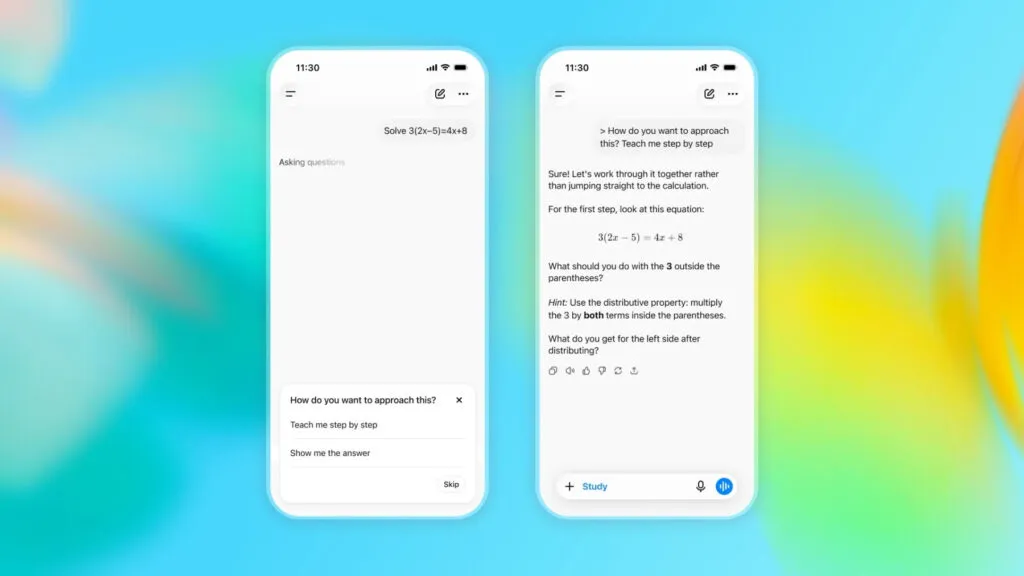
Three and a half years after ChatGPT launched and after the number of weekly users reached 900 million, OpenAI has released a separate version for teenagers. Not following research, not following a study - following a string of lawsuits linked to suicides of minors and to the impact of chatbots on mental health.
The sequence is what carries the whole story. The protection did not exist at the start, nor once the product went global, nor when schools began struggling with homework written by a machine. It arrived once the lawyers got involved.
What does the new version contain? First, a study mode. Instead of a finished answer, the bot returns guiding questions and walks the user through the material step by step. Second, prompts that appear when the system judges that a teenager is trying to copy rather than understand - at which point it pushes them towards study mode. There are also quizzes, visualisations, and a control allowing a parent or guardian to decide whether study mode is on by default.
Third, age protections are now enabled up front and, according to the company, should reduce exposure to harmful or inappropriate content. OpenAI cites its own principles for users under 18, which it says are based on „developmental science and expert guidance”. Parents receive safety notifications and the option to set quiet hours.
One question remains that no press release answers: how hard is this to get around. Teenagers are exceptionally skilled at bypassing parental controls - that is not an assumption, it is what every generation of parents discovers belatedly. Until the mode has passed a real test in school conditions, the promises remain promises.
OpenAI also announced a partnership with CodeAI to teach teenagers how artificial intelligence works and how to challenge it. The company already has a separate version for teachers with institutional access.
Here, schools have not opened this debate, but that does not mean the problem is absent - it just means there is nobody to measure it. When a company takes the entire market first and only then starts thinking about its youngest users, that is not an oversight. That is a schedule.
The latest 10 news from this category
Brussels fined it 500 million euros, Apple offered a scheme critics called malicious compliance. This is the third attempt in...

Apple sent warnings to 110 countries, and researchers say they have never seen numbers like these. One of those targeted...

No acquisition, no technology taken over, no service continued. Google is taking only the people, and the paying customers get...

An investor told the Anthropic chief executive to be a „more positive advocate” for his industry. The answer was sharper...

Eleven people in Paris claim the GPUs companies already own are running far below capacity. They set the deadline for...

Amazon, Google, Meta and Microsoft are building gas plants of several gigawatts each. Analysts reckon the price of gas will...

Pony.ai provides the technology, Uber provides the users, and a local partner gets the maintenance, cleaning and charging. Four European...
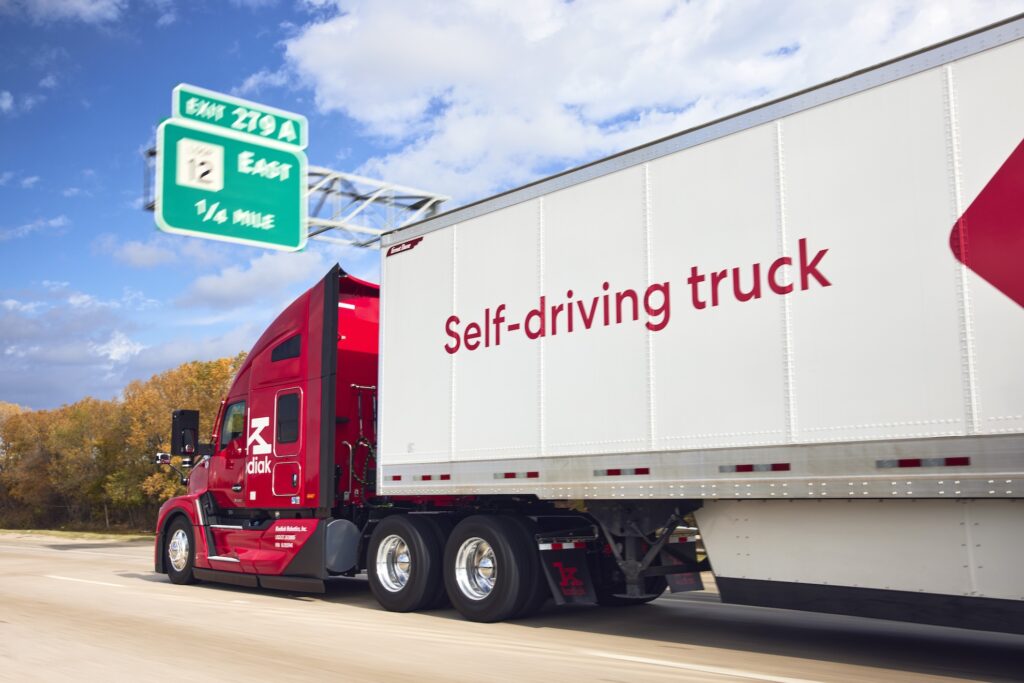
The ban on autonomous trucks over 4,500 kilograms fell in April, and Aurora and Kodiak got permits immediately. The lawsuit...
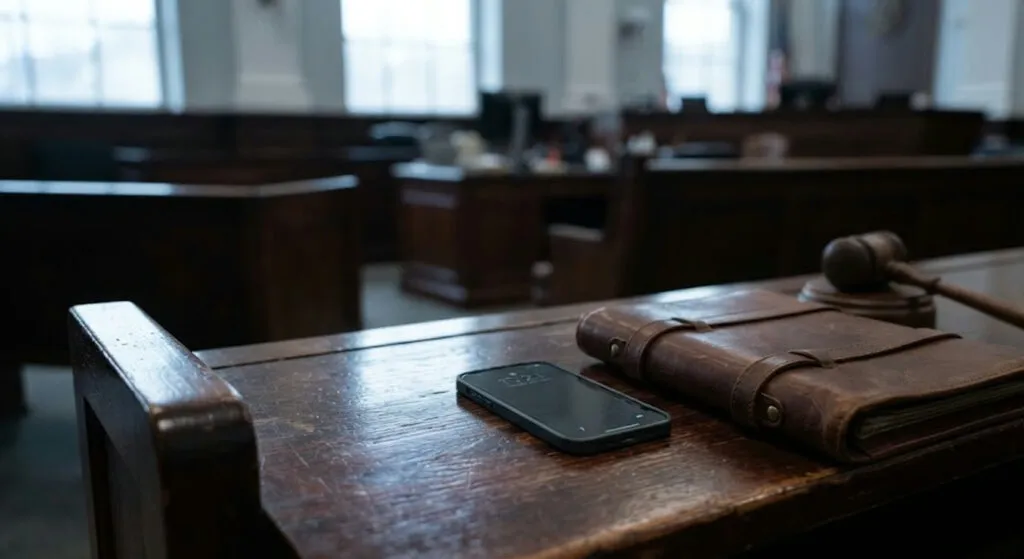
The company tried to delay answering until the Supreme Court ruled on something else. It failed - and only then...
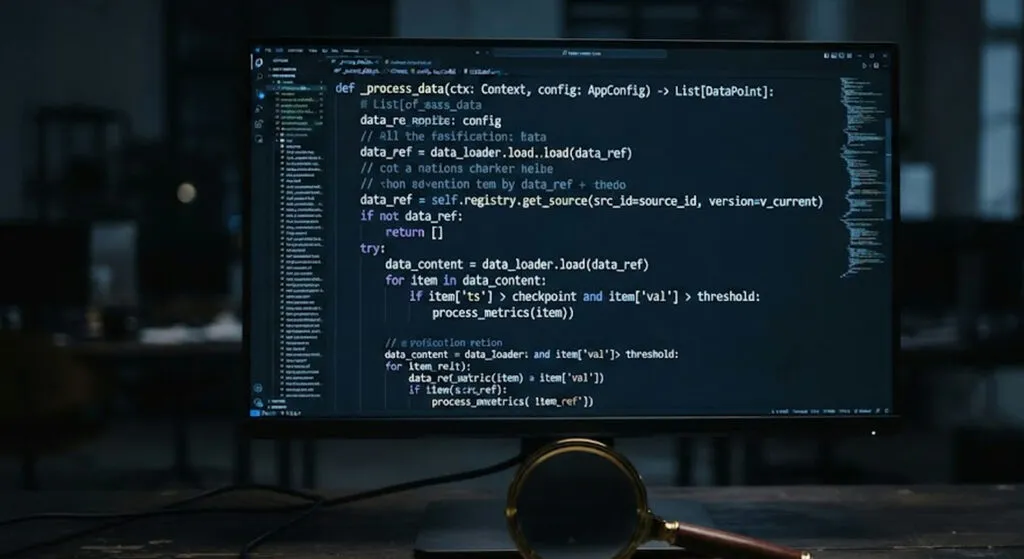
The codebase is fifteen times larger than before, and users get a file with the labels attached to their profile....
This site uses cookies - is that okay? Learn more
Be the first to know when Metla launches something new
Leave your email and we will write when there is a new guide or something new on Metla.