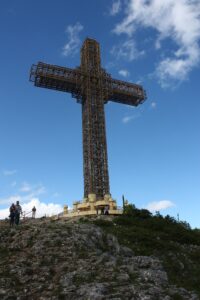
New LED Lighting on Vodno "for the First Time Ever": the Mayor Boasts, but Why Did the Mountain Spend So Many Years in the Dark?
08.07.2026


08.07.2026

08.07.2026

08.07.2026

08.07.2026

08.07.2026

08.07.2026
08.07.2026

08.07.2026

07.07.2026

08.07.2026

08.07.2026

08.07.2026
08.07.2026

07.07.2026

06.07.2026

08.07.2026

08.07.2026

08.07.2026
08.07.2026

08.07.2026

07.07.2026

09.03.2026

27.02.2026

19.02.2026
08.07.2026
07.07.2026

07.07.2026

23.04.2026

23.04.2026

12.04.2026

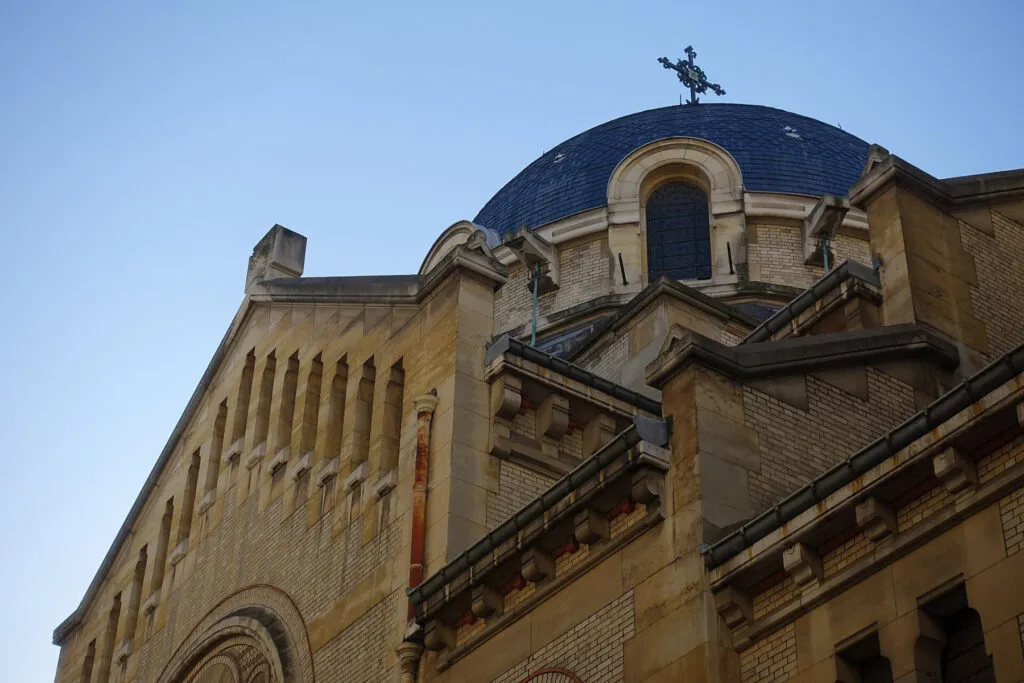
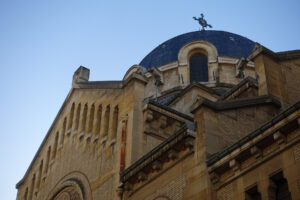
There are churches that remember more lives than some nations do. The Greek Cathedral of Saint Stephen in the 16th arrondissement of Paris - also known as the church of Aghios Stephanos - is one such church. These days it found itself back in the spotlight as the place where model Nieves Álvarez and Lebanese businessman Bill Saad married in an Orthodox rite. But the story of this temple is much older and far more interesting than any wedding.
Built between 1890 and 1895, the cathedral has a facade in the Neo-Romanesque style and an interior in the Byzantine - a contrast that surprises everyone who enters. The money for the construction came from a banker born in Constantinople, Demetrius Schilizzi, who offered the building to the Greek state on two conditions: that the service be Orthodox and that the temple welcome the local Greeks. It was consecrated on December 22, 1895, in the presence of the Archbishop of Heraclea.
Here history turns cinematic. In 1936, this church held the funeral of Eleftherios Venizelos, one of the most important Greek politicians, a former prime minister who ended up in exile in Paris. But the temple also witnessed other farewells and celebrations the world long remembered.
Here, one year before she went out forever, the "Parisian sparrow" Édith Piaf married for the second time - to the singer Théo Sarapo, 20 years her junior. And fifteen years later, the same cathedral bade farewell to the opera legend Maria Callas, in an intimate ceremony attended by Monaco's Princess Grace. Callas's ashes were then scattered in the Aegean Sea.
The Orthodox rite still performed here follows an ancient structure. The wedding begins with a betrothal at the entrance, where the priest blesses the couple and gives them candles symbolizing spiritual light. Then the rings are exchanged three times between the bride and groom, intertwining their lives. Next comes the crowning - the wreaths are placed three times above their heads. Toward the end, the couple drinks three times from the same cup of blessed wine, and the priest leads them in three circles around the altar. The circle that represents the eternity of marriage. Some traditions endure a hundred and thirty years not because they're modern, but because people still long for something that lasts.
The latest 10 news from this category
Daily horoscope - 08.07.2026

The loudest companion in world football chose home over the cameras just when the cameras were hungriest. Ronaldo left the...
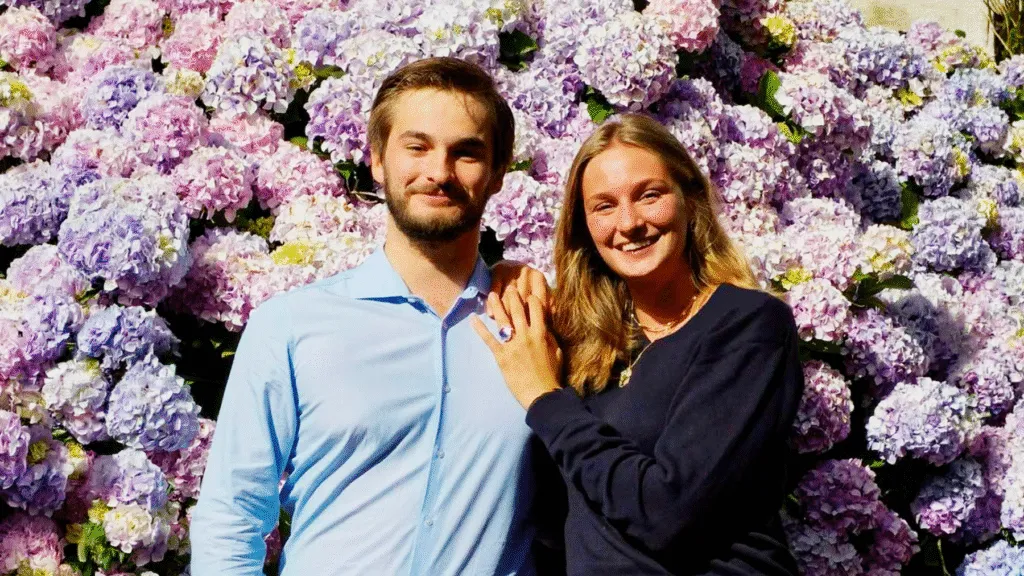
Infante Dinis got engaged to an Austrian countess whose family spent centuries collecting palaces and spas, then lost everything after...
Daily horoscope - 07.07.2026
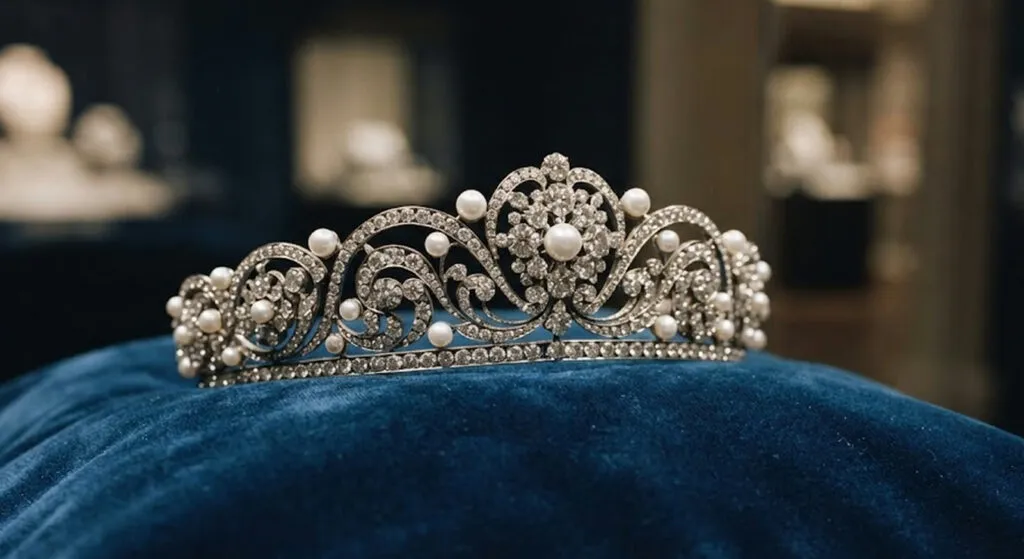
While her peers chase trends, the Dutch heir picks jewellery a century old. Each tiara is a dynastic statement, not...
Daily horoscope - 06.07.2026
The longest marriage in the celebrity world can't paper over one wound - a son who said he doesn't want...
King Charles hasn't seen his grandchildren since 2022, and the reunion again hinges on security clearances - not on the...
Daily horoscope - 05.07.2026
A monarchy trained to control every frame had to step back before a custom older than itself - and the...
This site uses cookies - is that okay? Learn more