
Six Years of Fake Licence Categories Issued From an Interior Ministry Desk: Six Charged, 21 More Under Investigation
21.09.2026


21.09.2026

21.09.2026

21.09.2026

21.09.2026

21.09.2026

21.09.2026

21.09.2026

20.09.2026
20.09.2026

21.09.2026

21.09.2026

20.09.2026
21.09.2026
21.09.2026
21.09.2026

21.09.2026

20.09.2026
19.09.2026

21.09.2026

21.09.2026
21.09.2026

21.09.2026

21.09.2026

21.09.2026

09.03.2026

27.02.2026

19.02.2026

21.09.2026
21.09.2026

20.09.2026

23.04.2026

23.04.2026

12.04.2026

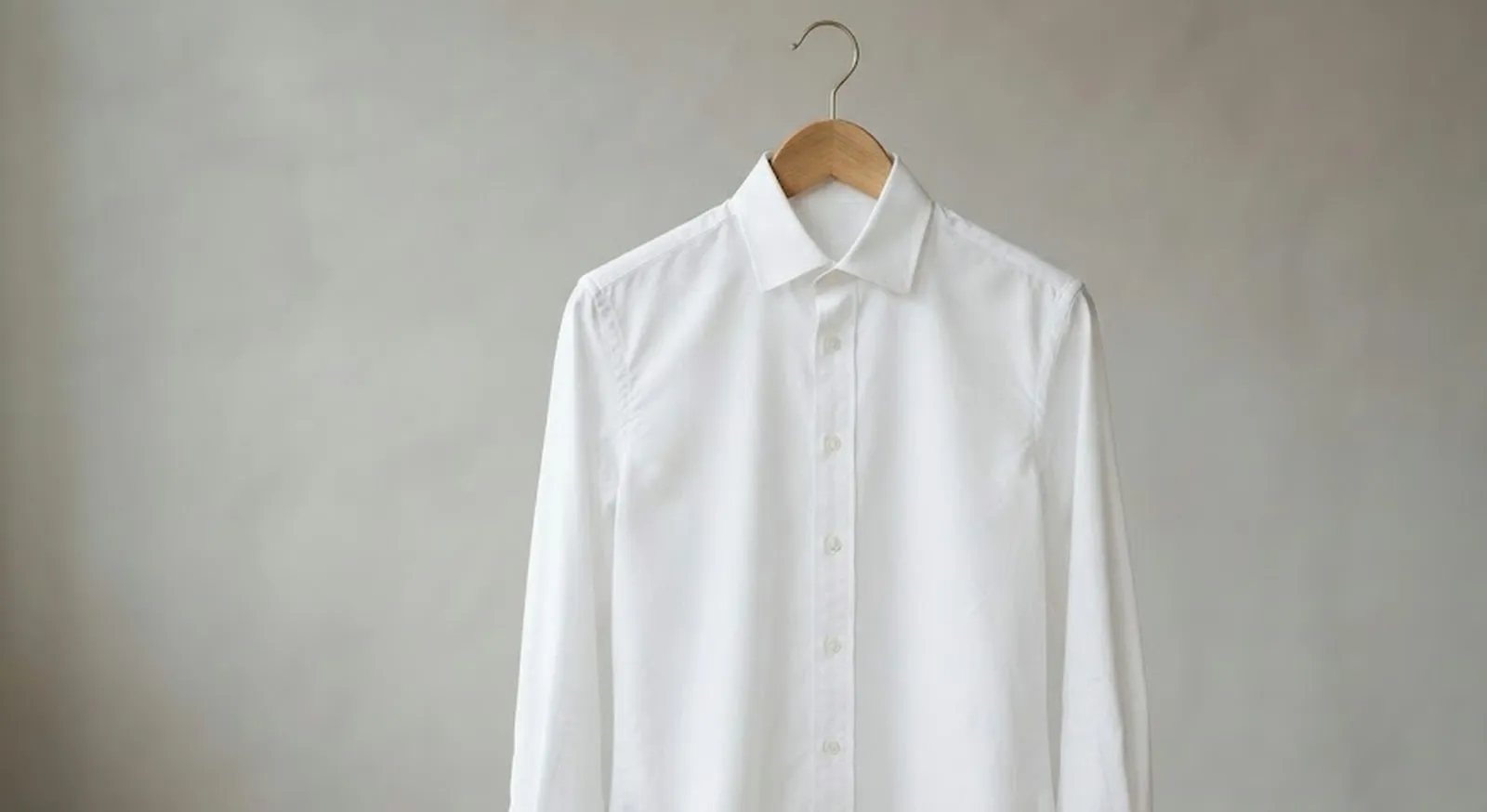
Some garments don't need to shout to be noticed. When Inditex chairwoman Marta Ortega appeared at the General Shareholders' Meeting in a simple men's-style white shirt, black trousers, and minimalist accessories, she said exactly that. While trends change every season, she once again leaned on a piece that has resisted time for more than two centuries - and that, in fact, carries one of the greatest symbolic weights in the history of fashion.
The story begins with a scandal. We have to go back to 1783, when the painter Élisabeth Vigée Le Brun portrayed Marie Antoinette dressed in a simple cotton shirt known as the chemise à la reine. Instead of the heavy brocades, silks, and corsets typical of the French court, the queen appeared in something almost intimate - closer to underwear than a court gown. The reaction was instant: the aristocracy was shocked, and the painting had to be withdrawn from the exhibition within days. But it was that very scandal that marked the beginning of a transformation - comfort began to stand against rigidity.
Through the 19th century, the shirt remained an almost exclusively male garment - a symbol of purity, status, and respect. Only men of means could keep those shirts impeccably white at a time when laundering was an enormous effort. And then came Coco Chanel, who understood before everyone else that female elegance need not be built solely on corsets and voluminous gowns. She turned the white shirt into a declaration of independence.
From that moment, the shirt became the uniform of a new femininity. Katharine Hepburn wore it with confidence, Lauren Bacall with high-waisted trousers when few actresses dared, Audrey Hepburn turned it into a synonym for relaxed elegance. Later Carolyn Bessette-Kennedy, Princess Diana, and Carolyn Murphy proved that few pieces age as well as the white shirt.
Psychology explains why it still dominates offices, boardrooms, and international presentations: the white shirt communicates authority. Rather than competing with the person wearing it, it directs all the attention to their face, speech, and presence. The color helps too - white is associated with clarity, order, and honesty, among the most effective tones for projecting trust. It's no accident that Michelle Obama, Amal Clooney, and Meghan Markle return to it in their most important moments.
Its greatest virtue is its universality. It works with a suit, with straight jeans, with a midi skirt, even with linen trousers on a summer holiday. Change the shoes and accessories and the same shirt moves from a work meeting to a casual dinner without losing a shred of elegance. And it ages beautifully - photographs of Carolyn Bessette from the nineties and of Audrey Hepburn decades earlier still look entirely current today. Two centuries after Marie Antoinette's scandal, the white shirt means exactly the same thing: freedom, confidence, and an elegance that never has to prove anything.
The latest 10 news from this category
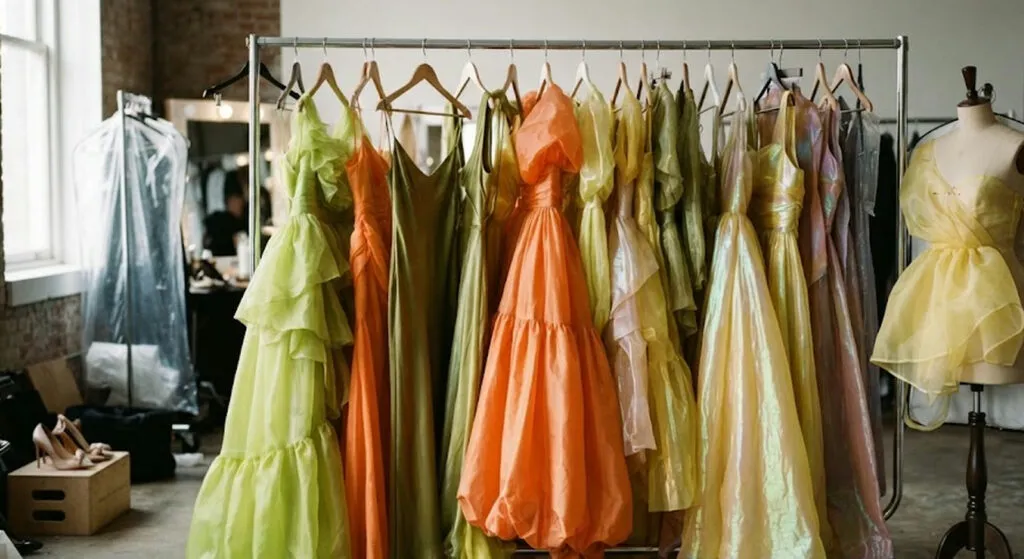
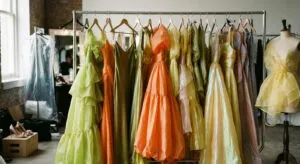
Three days in a lab coat with colorimetry scientists to produce a collection in lime and tangerine. The design director...
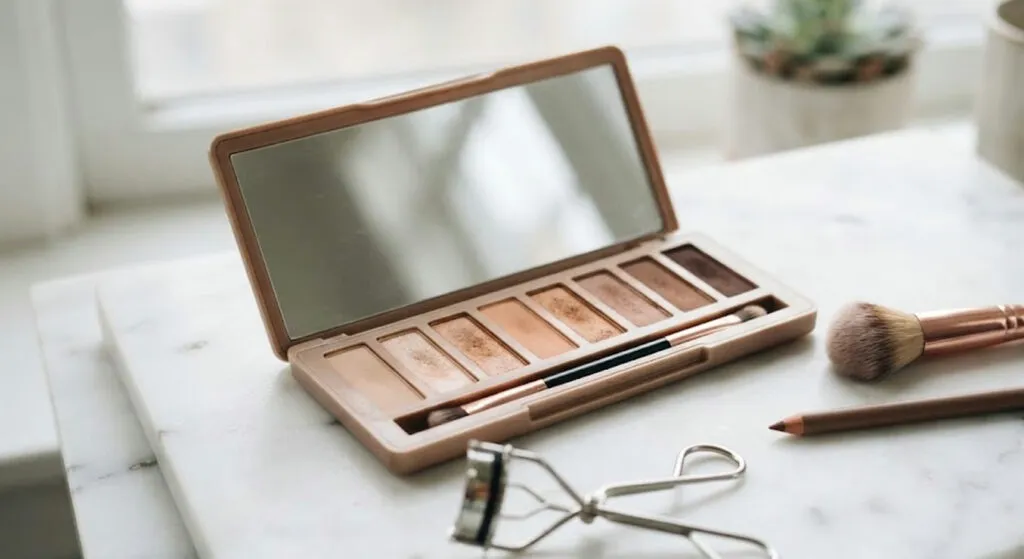
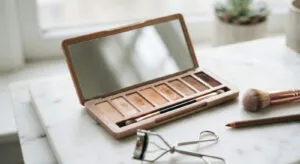
Cream concealer instead of powder, a brown pencil instead of black eyeliner, and a curler before the mascara. Not one...
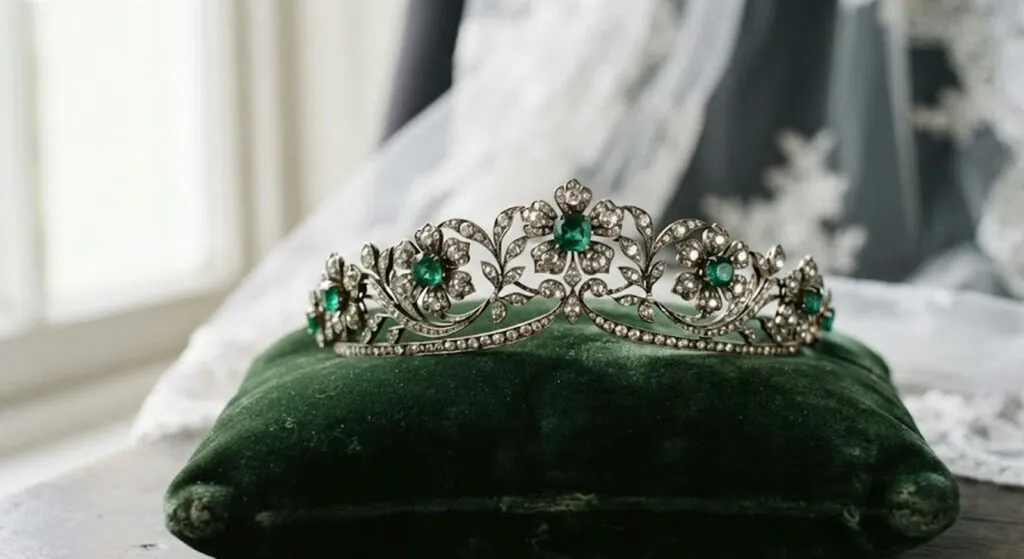
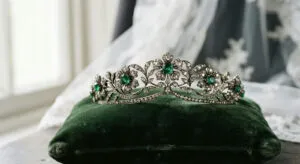
A boat-neck gown and wildflowers that deliberately refuse to compete with the jewellery. A fourth generation under the same diadem,...
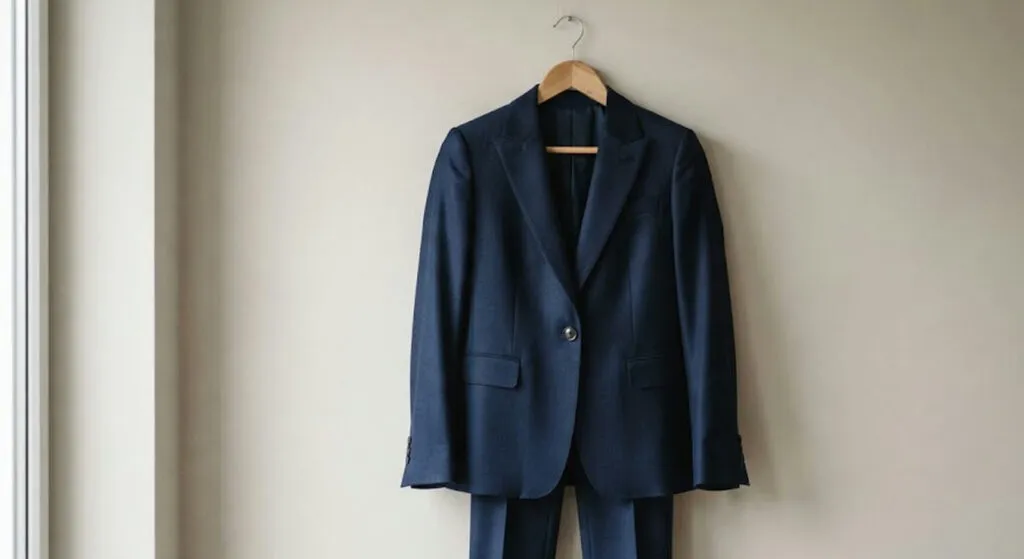
A communications expert says the trouser suit sidesteps sexist readings of hemlines and necklines. The same expert warns that the...

Dermatologists explain why the shedding arrives with a two to three month delay and why iron and vitamins do not...
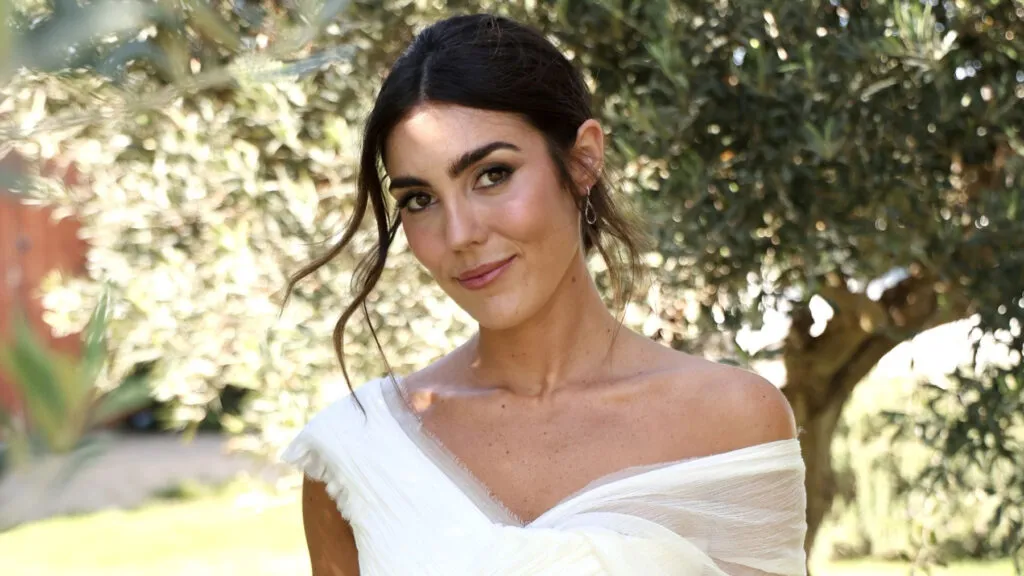
Silk bambula muslin, a hand-draped waist and a veil of crystal organza. The wedding was held in Cadiz, where the...
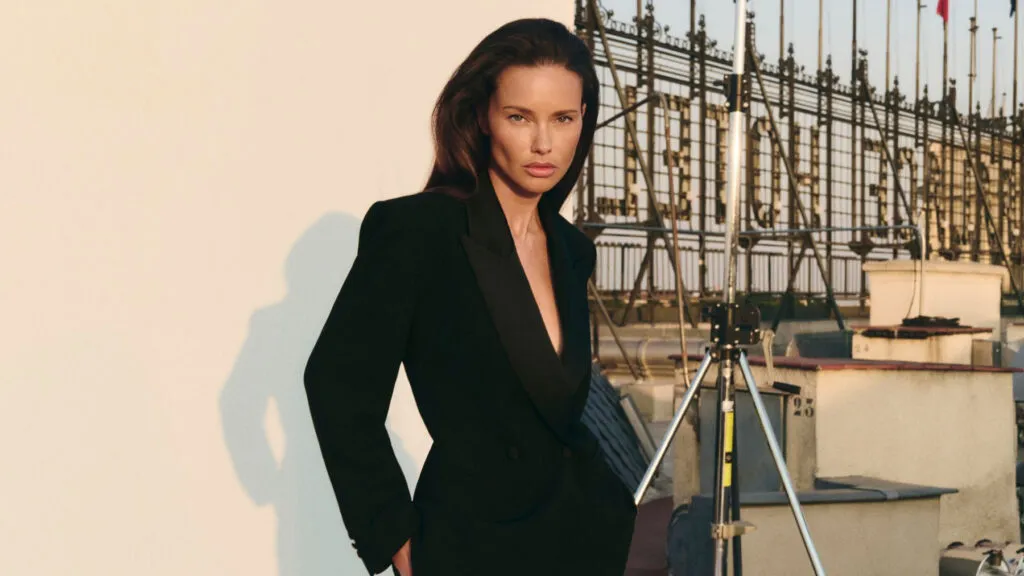
An industry that spent decades selling a flawless illusion is suddenly showing the shoot itself. That is not candour -...

The classic bob promised one perfect day. This version works against the salon business model - and that alone is...
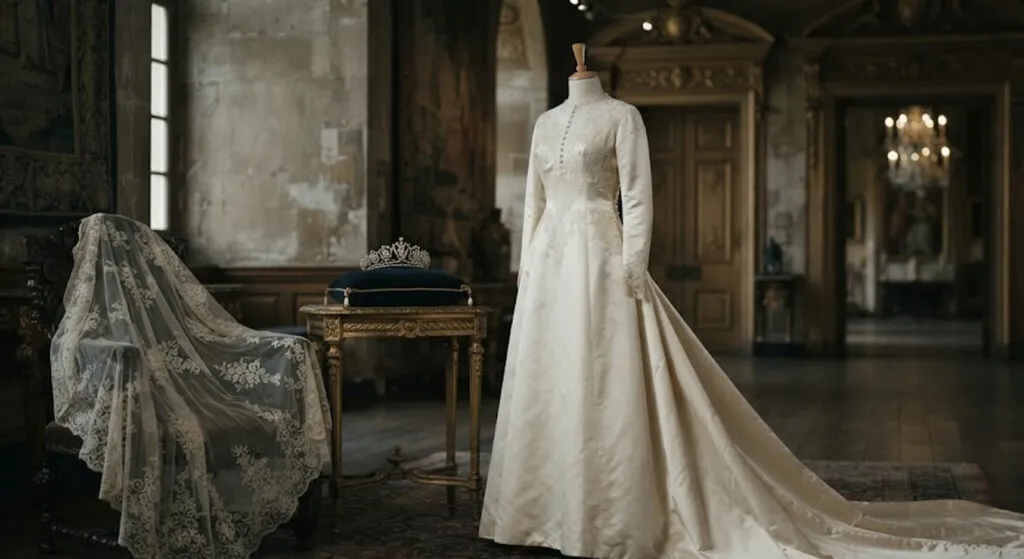
The crowns were held by four men who would all later sit on thrones of their own. Nobody in that...
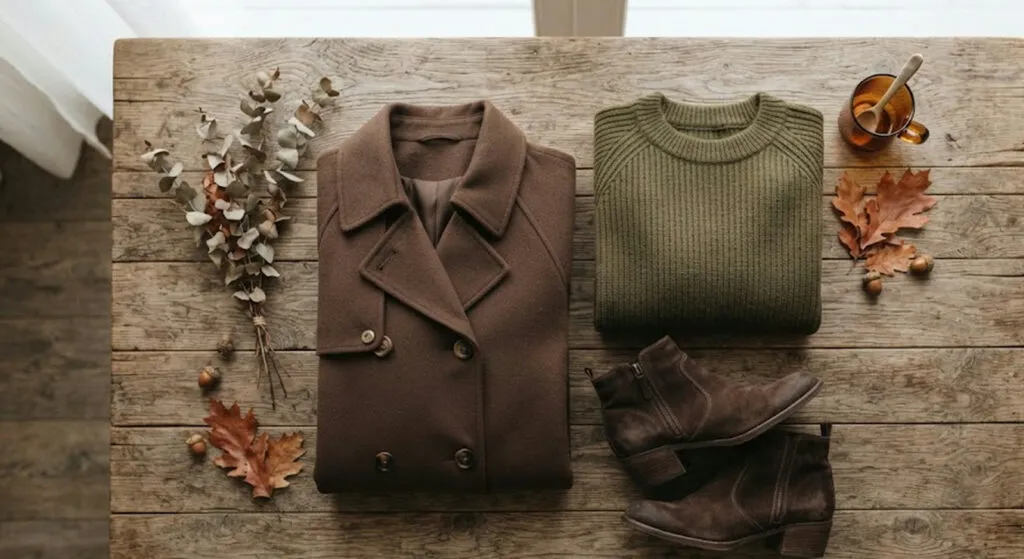
Kate Middleton dropped the beige and the same cut suddenly looked twice as expensive. The industry sells a new silhouette...
This site uses cookies - is that okay? Learn more
Be the first to know when Metla launches something new
Leave your email and we will write when there is a new guide or something new on Metla.