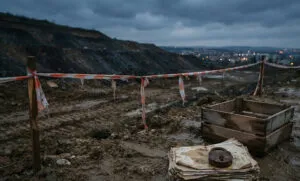

Double Billing for Eye Surgery: Court Takes Nine Suspects' Passports, While Up to 4,000 Patients Still Don't Know Who Pays Them Back
31.10.2026


31.10.2026

31.10.2026

31.10.2026

31.10.2026

31.10.2026
31.10.2026

31.10.2026

31.10.2026
30.10.2026

31.10.2026

31.10.2026

30.10.2026

31.10.2026

31.10.2026

31.10.2026

31.10.2026

30.10.2026

29.10.2026

31.10.2026

31.10.2026

31.10.2026
31.10.2026

31.10.2026

31.10.2026

23.04.2026

23.04.2026

12.04.2026

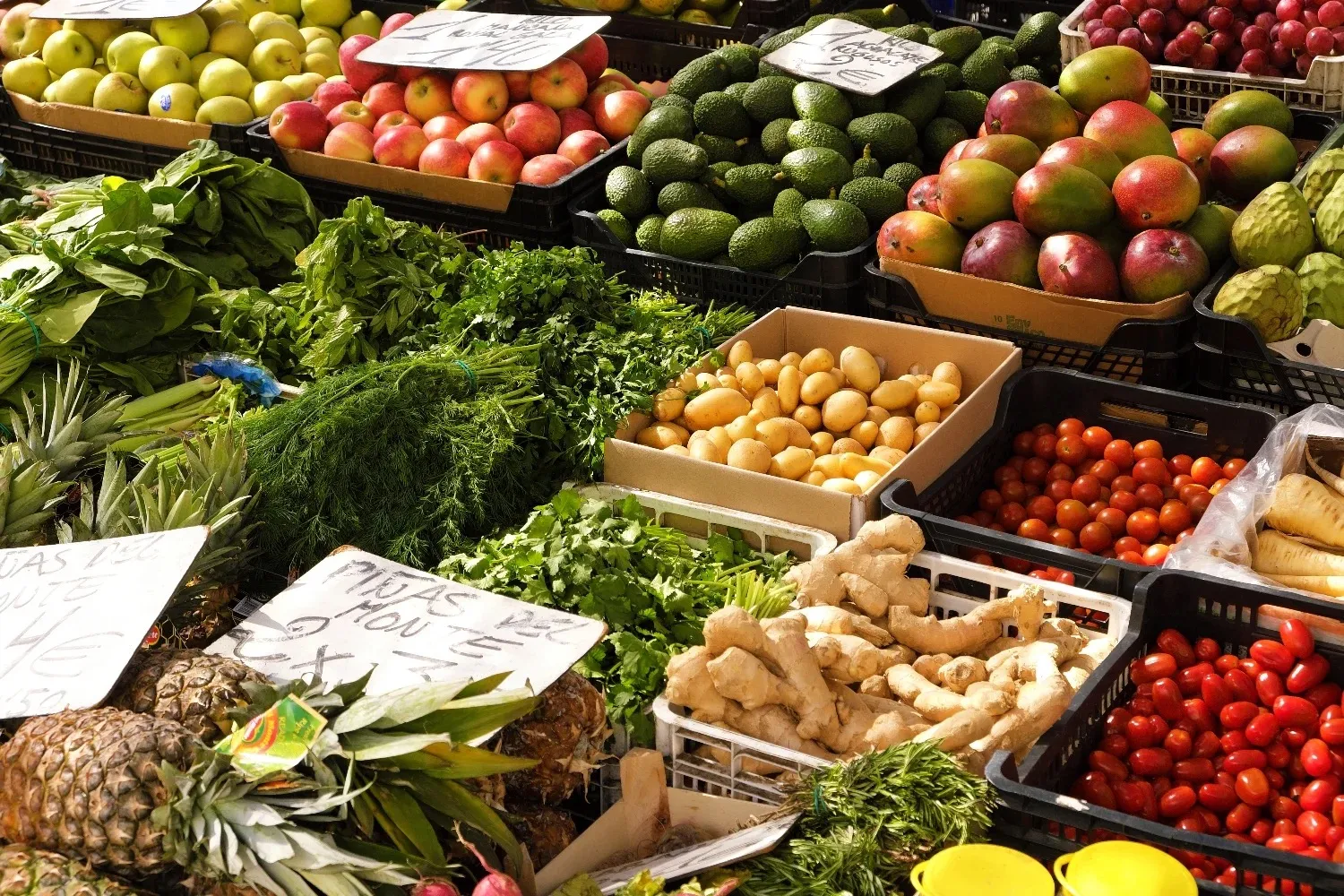
The State Statistical Office released figures that sound like relief - but only if you don't look too far back. The cost of living in June fell by 0.5 percent month-on-month compared to May. Food got cheaper, and at first glance your wallet catches its breath.
The problem is the annual picture. Compared to the same month last year, the cost of living is up 3.4 percent, and retail prices rose 3.6 percent. In other words, the monthly drop is a tiny pause in an upward line that's been climbing for years. A single half-percent cut doesn't give back the money inflation ate over the previous months - it just means prices didn't rise this month.
When you look at what climbed the most year-on-year, the picture gets concrete. Alcohol and tobacco top the list with a 9.3 percent increase, followed by transport at 6.2 percent. Food and non-alcoholic drinks went up 2.5 percent, and housing, water, electricity, and communications rose almost as much. Furniture and household equipment climbed 4.2 percent. So - just about everything a person has to buy to live.
The official message will be that inflation is easing, and statistically that's true for June. But the family filling a basket every week doesn't feel the statistics - it feels the total sum of twenty-plus months of price hikes. When the government brags about a monthly drop, it's worth asking: compared to what? If prices fell half a percent after jumping some ten percent in a year, that's not a victory - it's a breather. The question is whether it's followed by real calm or just a new cycle upward.
The latest 10 news from this category

The prime minister is looking for someone to blame for small pensions among the private companies. An audit, meanwhile, showed...
On paper the money looks tidy: a smaller deficit, more revenue, growth of 3.8 percent. The problem with budgets has...

The statistics say the economy grew last year. The tables also show what grew: concrete and shopping more than factories.

Most of the money left in twenty minutes, and the preparations took at least 36 hours. If the trail to...

Washington bought 10 percent of Intel and is now learning what being a shareholder means. Its data centres are up...

A firm of 1,200 lawyers is preparing to vote on its own shutdown, and a startup that only came out...

What was a fog of words 18 months ago is now a car purchase. Waymo's robotaxi is headed for Japan...
Изградбата на автопатот Кичево – Охрид започна во февруари 2014 година, а по 12 години и 8 месеци, проектот сè...
Македонија продолжува да се задолжува, а јавниот долг достигнува износи што отвораат сериозни прашања за долгорочната одржливост на државните финансии....

Tetovo leads with 22.5 million euros, and ten construction firms took a quarter of the total. Tender spending nearly doubled...
This site uses cookies - is that okay? Learn more
Be the first to know when Metla launches something new
Leave your email and we will write when there is a new guide or something new on Metla.