New LED Lighting on Vodno "for the First Time Ever": the Mayor Boasts, but Why Did the Mountain Spend So Many Years in the Dark?
08.07.2026


08.07.2026
08.07.2026
08.07.2026

08.07.2026

08.07.2026

08.07.2026
08.07.2026
08.07.2026
07.07.2026

08.07.2026
08.07.2026
08.07.2026
08.07.2026

07.07.2026

06.07.2026

08.07.2026

08.07.2026

08.07.2026

08.07.2026

08.07.2026

07.07.2026

09.03.2026

27.02.2026

19.02.2026

08.07.2026
07.07.2026
07.07.2026

23.04.2026

23.04.2026

12.04.2026

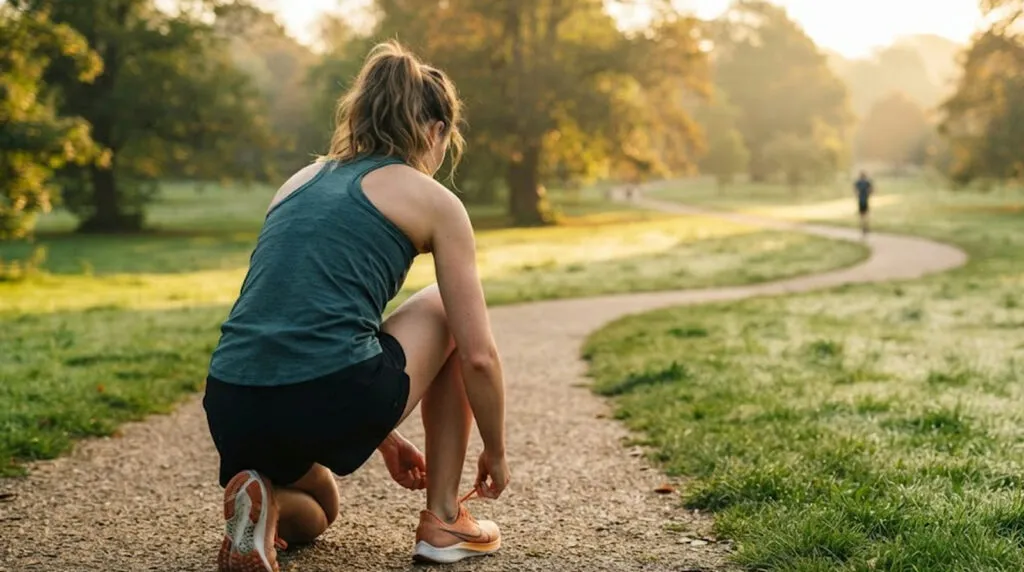
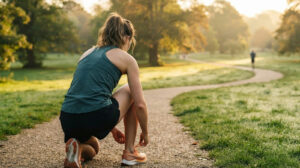
The question "morning or evening?" torments everyone who wants to exercise but has no time for nonsense. The answer the fitness industry is reluctant to give is disappointingly simple: the best time to train is the one you can repeat every day. But there are nuances worth knowing.
According to sports-activity expert Víctor Jiménez Aransay, the body runs on circadian rhythms - temperature, hormones, and metabolism shift over the course of the day. That's why the same workout in the morning and in the evening produces different results. But something matters more than the perfect hour: consistency at the same time. "The body learns that routine and starts preparing for the effort before you even begin," he says - just as your stomach speaks up when the usual mealtime approaches.
As for whether working out on an empty stomach burns more fat, the answer is cautious: in certain cases yes, because carbohydrate reserves are lower, but it's not for everyone and shouldn't be done without a plan. There's a simpler tip for most people - don't exercise while you're still digesting. Leave about two hours, or even two and a half, between the main meal and an intense workout.
If he could choose, Jiménez would always train in the morning. The reason is cortisol - the hormone with a bad reputation that is actually key to waking up and to energy. In the morning the level naturally rises, so exercising then makes us more active. The expert also recommends 15 to 20 minutes of exposure to natural light near sunrise, which helps synchronize the biological clock. And there's a practical benefit: "The sooner you get the workout off your back, the less chance you have of finding an excuse not to do it."
For those who can only manage the evening - that's great too, because body temperature is higher and performance may be better. The problem is when an intense workout ends too close to bedtime. Tip: leave three to four hours before bed and finish with a wind-down - stretching, yoga, a few minutes of breathing. Avoid caffeine in the afternoon and have a light dinner.
And for those who want to keep their glucose in check, here's the most useful trick: after a carb-heavy meal - pasta, rice, bread - don't work out intensely right away, but go for a ten-to-twenty-minute walk. That walk reduces the blood-sugar spike without any need for a hard workout. Free, simple, and precisely why you rarely read it in the expensive supplement ads.
The latest 10 news from this category

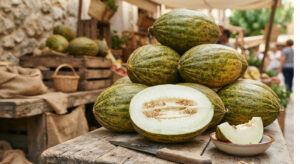
The ground spot, the weight in your hand, and the myth of female and male melons - everything you need...
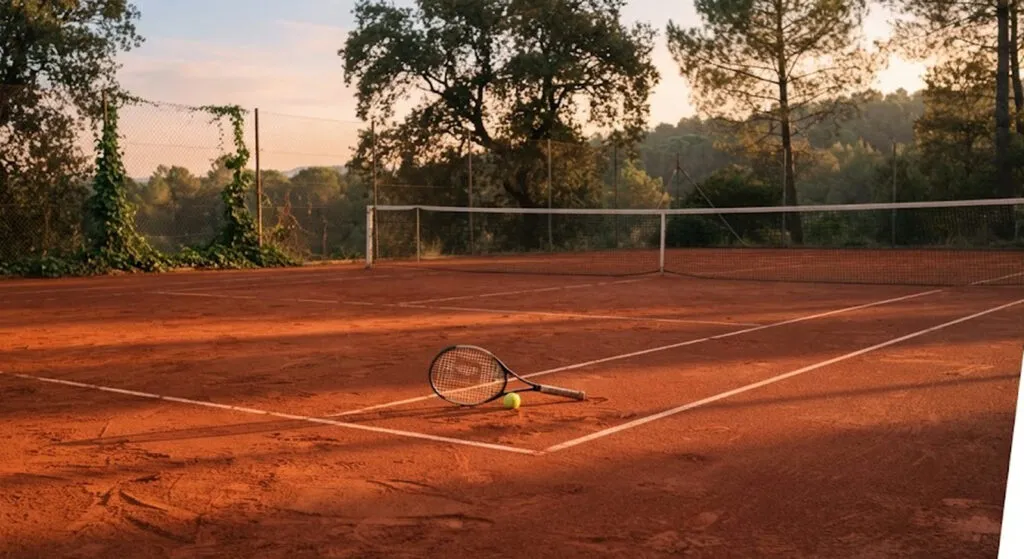
Self-talk isn't a pose for the cameras - it's a technique psychology knows well. If a guy who serves for...
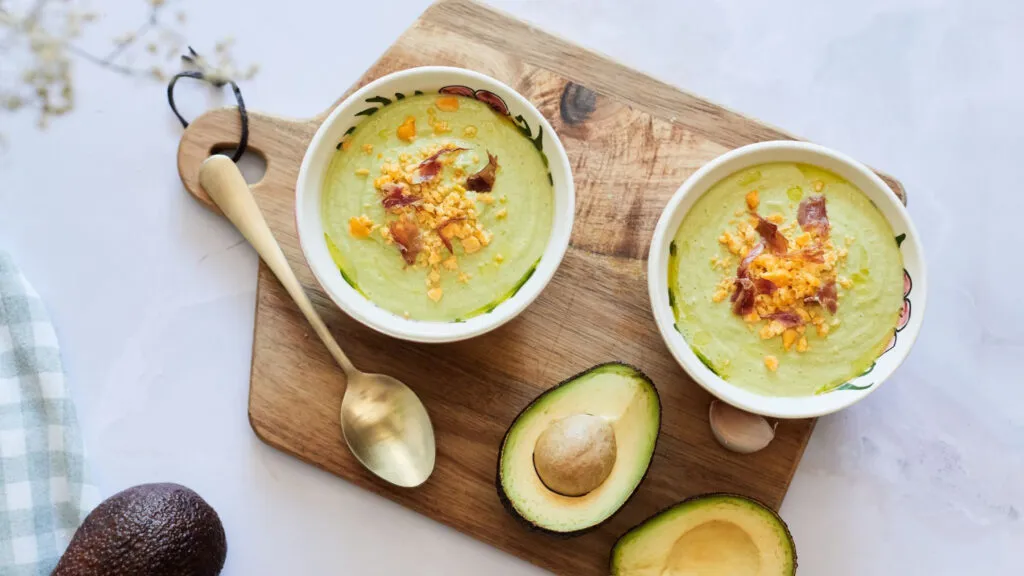
The Andalusian classic gets a summer version without bread and tomatoes. Ten minutes of work, not a single pot, and...

Three ingredients for the sauce and one secret in the last five minutes of baking. A dish that always works,...

A psychologist explains the difference between chosen solitude and imposed loneliness. Many flee silence because they're afraid of what they'd...
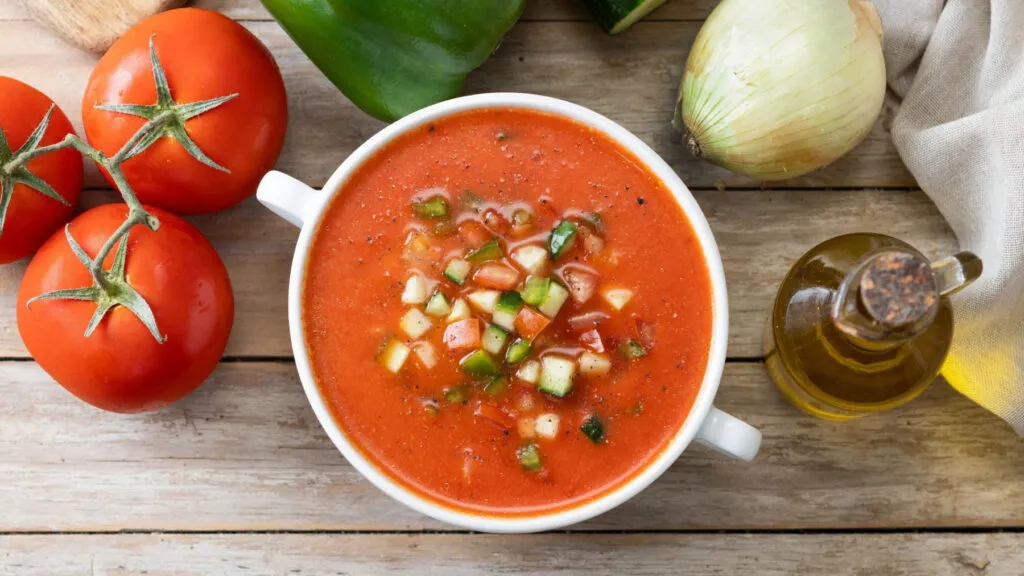
When it's forty degrees outside, the stove is the enemy. A bowl of well-made gazpacho cools you from the inside,...
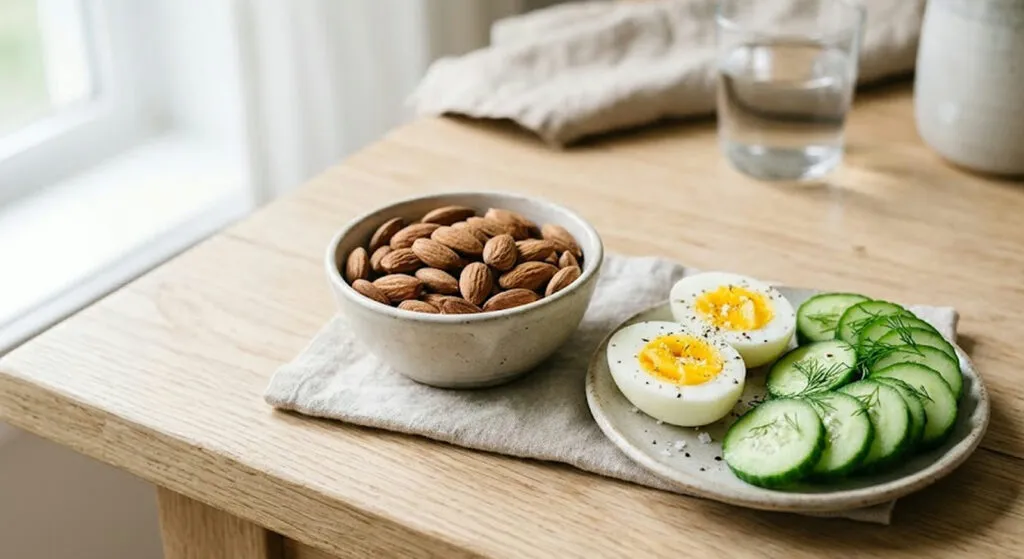
Almonds, boiled eggs and cucumber fill you up better than any packet the industry wants to sell you.
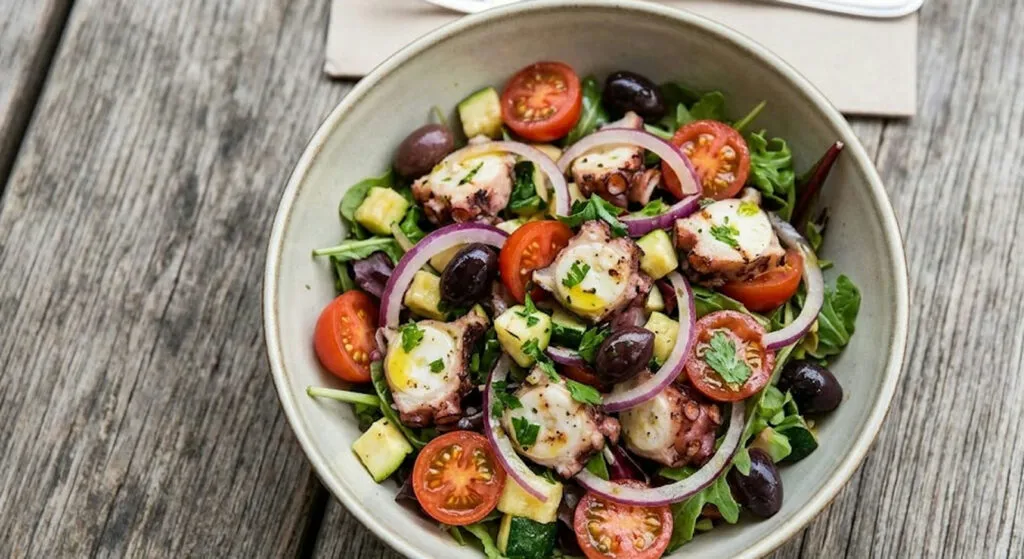
When it's hot outside, the last thing you want is to stand over the stove. The secret isn't complexity, but...

Instead of an alarm, a phone and a race, the first few minutes of the day given to calm. You...
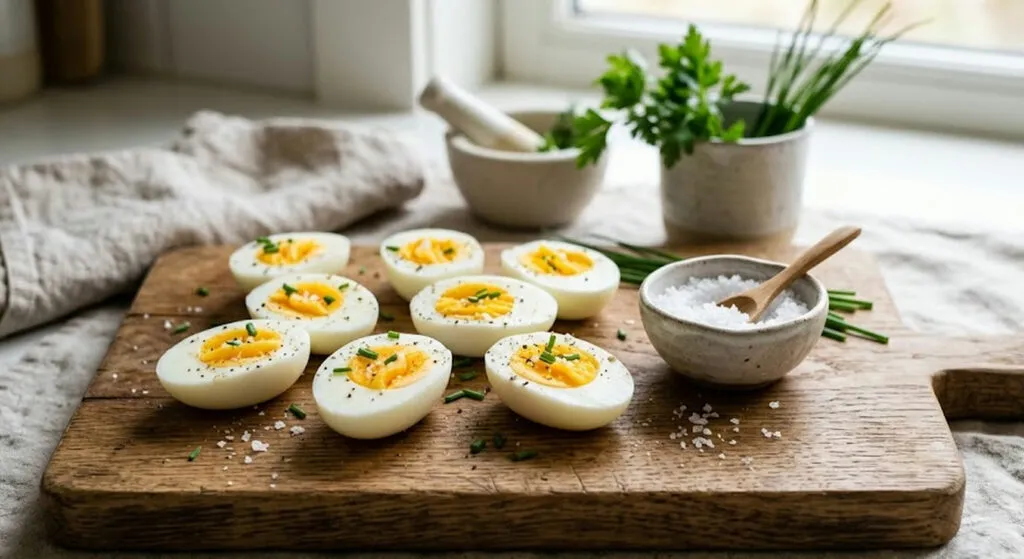
In high temperatures, boiled eggs become a hazard if stored wrong. Simple rules and a freshness test.
This site uses cookies - is that okay? Learn more