


Studeničani: 35-year-old dies after being electrocuted while washing his car with a pressure washer
18.09.2026


18.09.2026

18.09.2026

18.09.2026

18.09.2026
18.09.2026

18.09.2026

18.09.2026

17.09.2026

16.09.2026

18.09.2026

18.09.2026

17.09.2026

18.09.2026
18.09.2026

18.09.2026

18.09.2026

17.09.2026

16.09.2026

18.09.2026

18.09.2026

18.09.2026

18.09.2026

17.09.2026

17.09.2026

09.03.2026

27.02.2026

19.02.2026

18.09.2026

17.09.2026

16.09.2026

23.04.2026

23.04.2026

12.04.2026

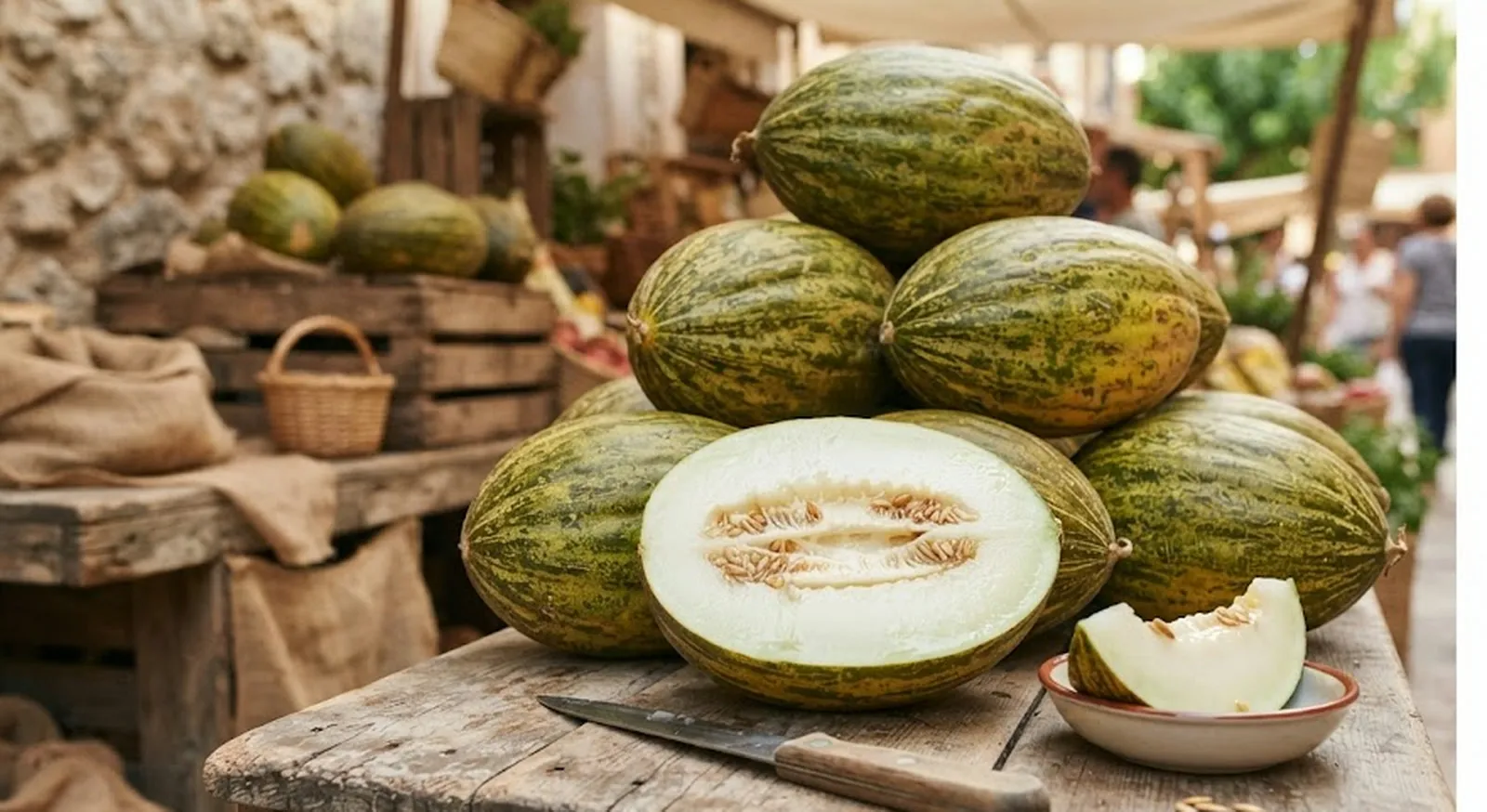
The melon, along with the watermelon, is an indispensable summer fruit - refreshing, full of water, and naturally sweet. It's at its best between June and September. But all those varieties share the same challenge when you buy them: how do you know if it's ripe and sweet before you cut it open, without poking a hole in it like some people do. An experienced greengrocer from a Madrid market reveals the tricks that never fail.
The first impression comes from the look. On the green "piel de sapo" melon, the skin should lose its intense glossy green and take on a slightly yellowish, golden, or even orange tone. The striations - the so-called "handwriting" - should be plentiful, well defined, and in that golden tone. Another important detail is the ground spot, the area where the melon rested on the soil. If it's creamy yellow or orange, it ripened in the sun; if it's white or greenish, it was most likely picked too early.
Then comes the touch. "First take it in your hand and gently feel it, without tapping it," the greengrocer says. One of the most reliable indicators is whether the melon weighs more than it looks - that weight means more water and a juicier inside. Another simple move: gently press the end opposite the stem, where the flower was. If it gives a little, the fruit is ripe; if it's completely firm, it's still green; if it sinks easily, it may be starting to overripen.
And now to bust the myths. There are no "female" and "male" melons - that's a story with no scientific basis. Differences between fruits depend on the variety and growing conditions, not on any gender. Likewise, tapping with your palm means nothing if it's not done right: unlike a watermelon, which should sound hollow, a melon should sound compact, as if completely full. But that doesn't require hard knocks - just stroking it is enough, and you'll feel a slightly velvety surface that clings to your palm.
One last tip: a melon of about three kilograms doesn't have to go in the fridge if it's whole - it keeps perfectly at room temperature, and so does the watermelon, since it loses flavor and aroma in the cold. If it's already cut, eat it within a day or two. And remember - the sweetest part of a slice is the one attached to the tip of the flower; the other is more bland.
The latest 10 news from this category
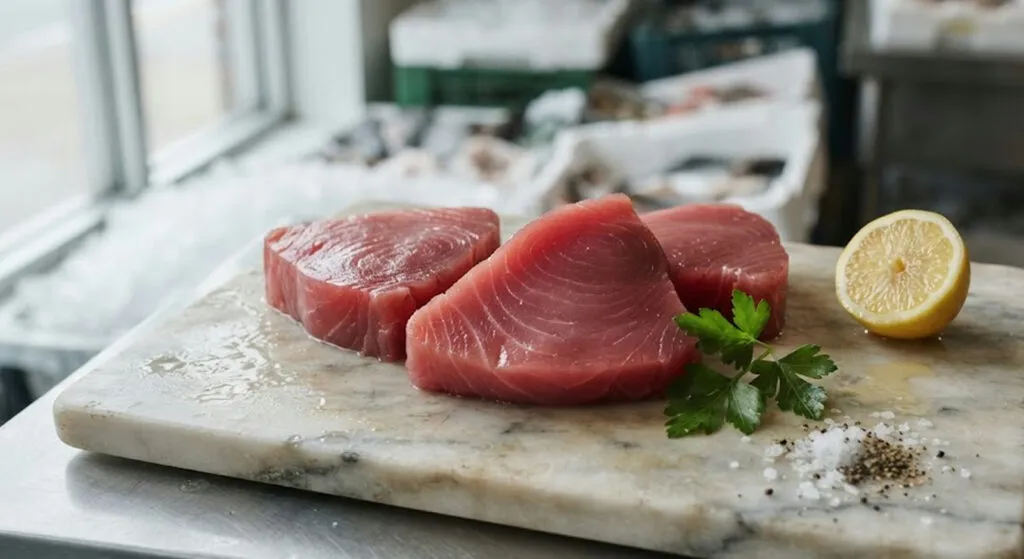
It is caught with hook and line, not with nets, and you can taste that on the plate. The three...

Home-made chicken curry fails at the same point for everyone. The difference is made by one step that has nothing...

Jose Andres has lived in America for over thirty years, and when asked for his favourite American dish he named...
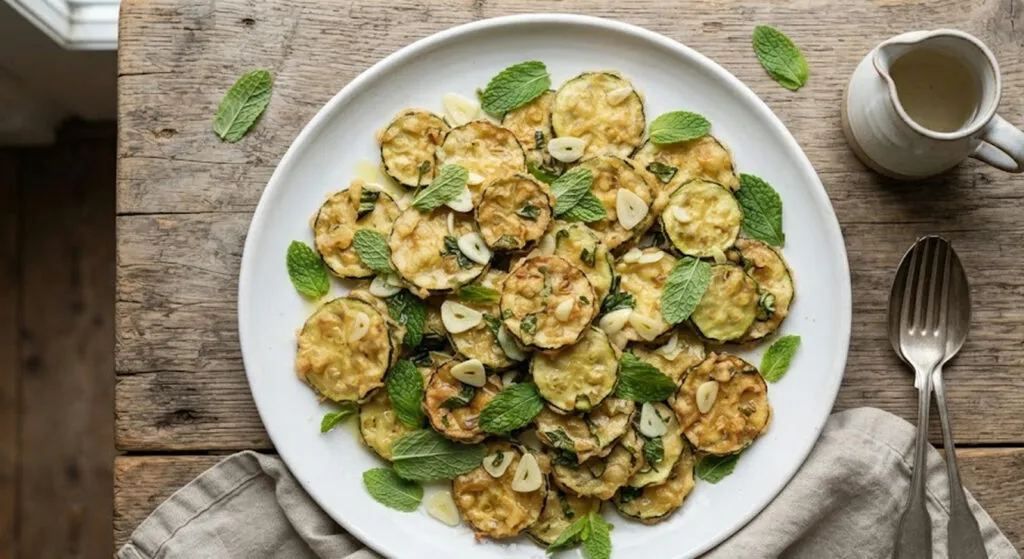
A kilo of courgettes, mint, garlic and eighty millilitres of vinegar. Not one expensive ingredient - and the water you...
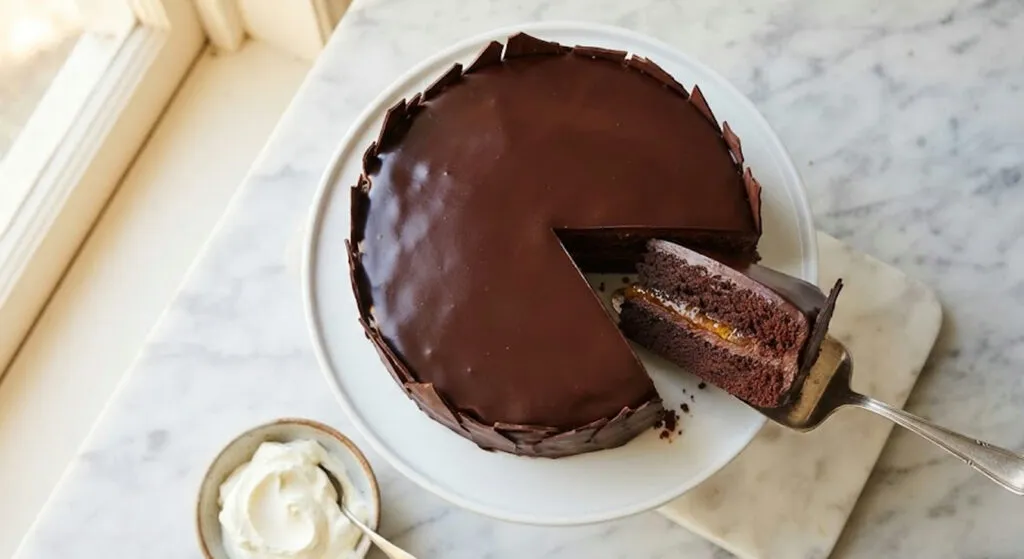
Whoever beat all the eggs together made a different cake. And the glaze must not pass 45 degrees, or the...
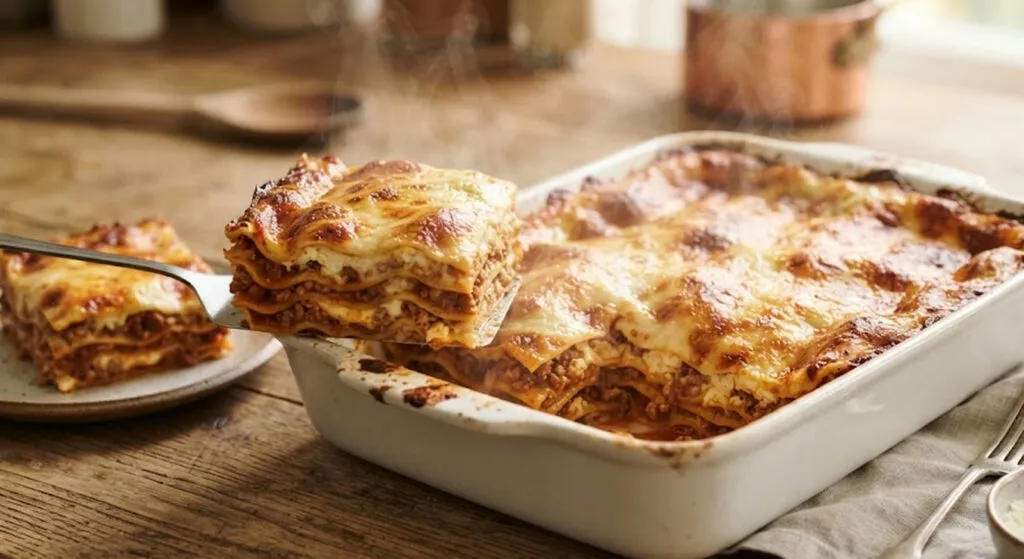
One rule applies to all three and it is the one most often skipped. It is not a recommendation to...
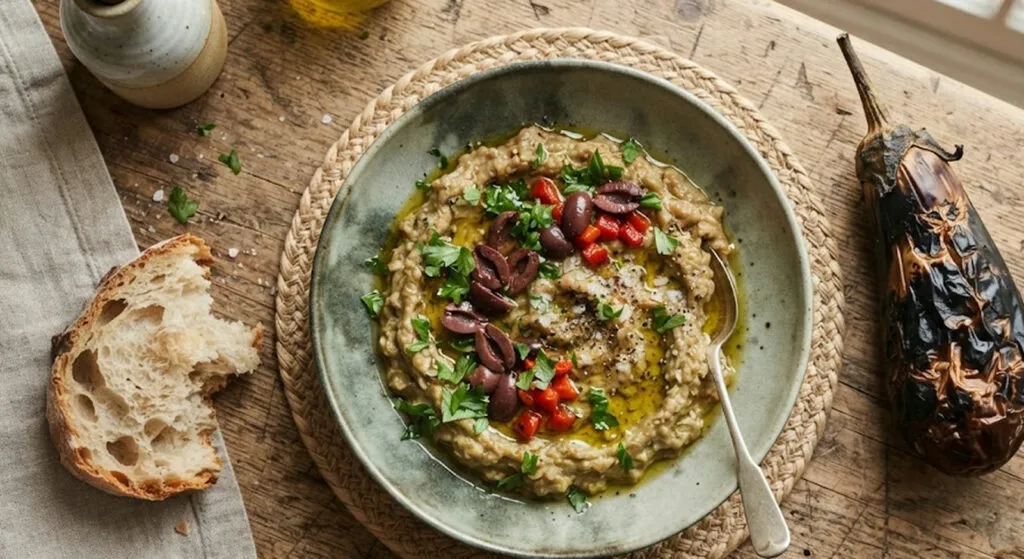
One single ingredient separates melitzanosalata from mutabal - tahini. Three aubergines, one clove of garlic, and an oven at 220...

The chicken ends up in the pan anyway. The salad that was sitting half a metre away does not.
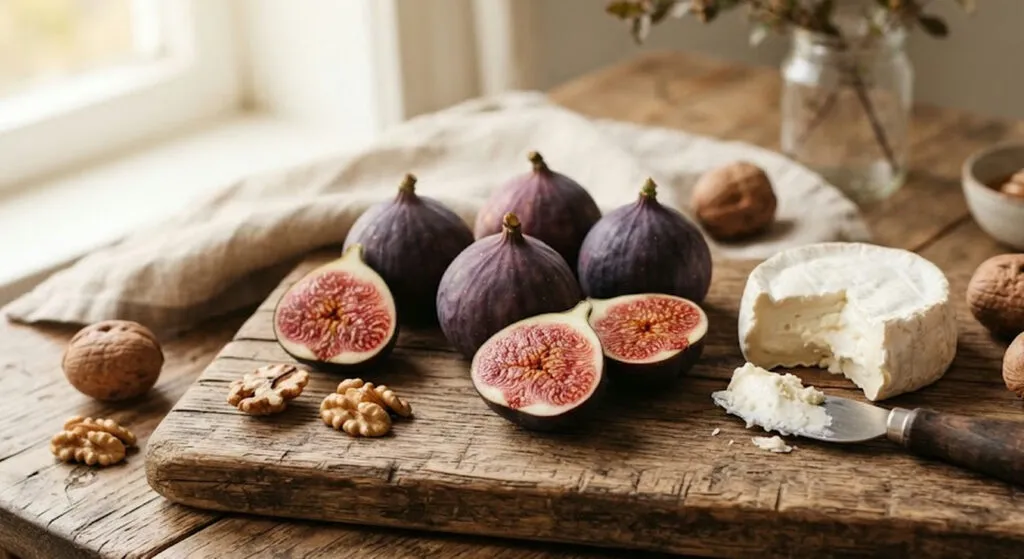
This year the season started as early as August because of the heat. From breakfast to pizza - everywhere a...
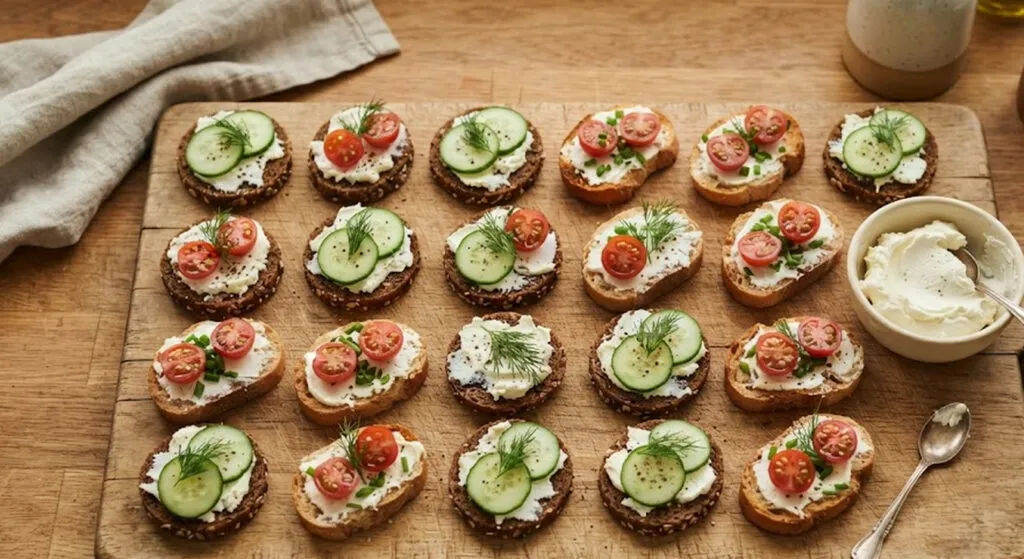
The recipe is not hard, the temperature is wrong. Ten cream cheese canapés and the two rules without which none...
This site uses cookies - is that okay? Learn more
Be the first to know when Metla launches something new
Leave your email and we will write when there is a new guide or something new on Metla.
