


Studeničani: 35-year-old dies after being electrocuted while washing his car with a pressure washer
18.09.2026


18.09.2026

18.09.2026

18.09.2026
18.09.2026

18.09.2026
18.09.2026
18.09.2026

17.09.2026
16.09.2026

18.09.2026
18.09.2026

17.09.2026

18.09.2026

18.09.2026

18.09.2026

18.09.2026

17.09.2026

16.09.2026

18.09.2026

18.09.2026

18.09.2026

18.09.2026

17.09.2026

17.09.2026

09.03.2026

27.02.2026

19.02.2026

18.09.2026
17.09.2026

16.09.2026

23.04.2026

23.04.2026

12.04.2026

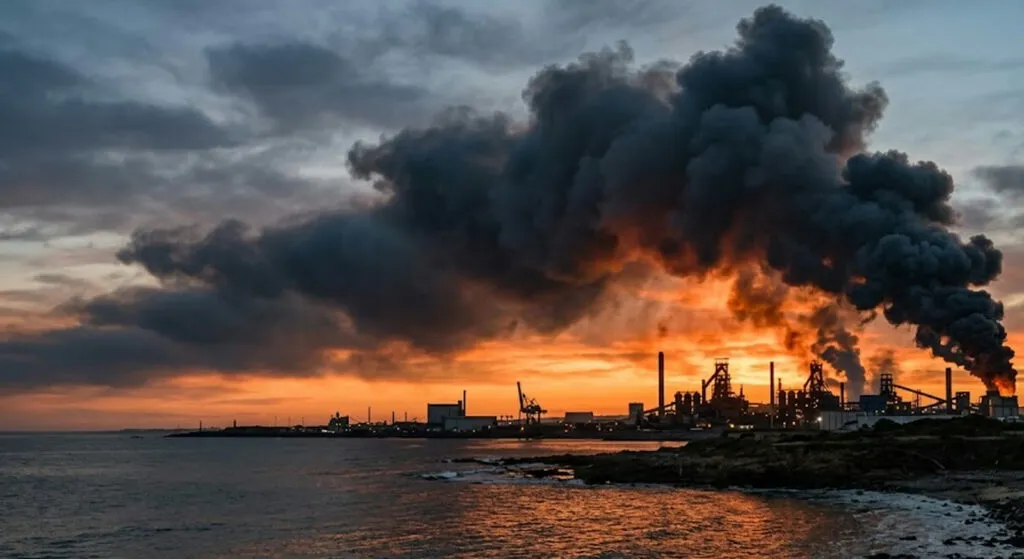
On day seventy of the US-Iran conflict, the Strait of Hormuz is on fire again. The United States struck Iranian military targets - missile and drone launchers, command centres, intelligence centres. According to the American military report, this was retaliation for the Iranian attack with missiles, drones and fast boats on three American destroyers passing through the strait.
Iran disputes the American version. According to Tehran, the United States broke the ceasefire first - with missile attacks on tankers near Bandar Jaask, then with attacks on civilian areas in Bandar Hamir, Sirik, and the island of Qeshm. Which version is closer to the truth? As in every war, both sides claim the other broke the rules first. As in every war, no one is in a position to verify objectively.
This time the conflict is spilling into the Gulf. The UAE Defence Ministry reported that air defences intercepted Iranian missiles and drones. Explosions were heard across the country. It means one thing: the Strait of Hormuz, through which roughly 20 percent of the world's oil passes, is again an active war zone. And it is not just Iran and the US anymore - now the Gulf states are involved directly.
US President Trump claims "the ceasefire is holding." The statement is in obvious contradiction with the fact that on that very night missiles and drones were launched and tankers were hit. Maybe some precise definition of "ceasefire" explains everything - but for oil markets, that is more rhetoric than reality. When the price of Brent jumps four percent in one night, nobody believes everything is fine.
Meanwhile, American strikes hit Iranian ports in Qeshm and Bandar Abbas. Regional allies, as reports go, have suspended support for the initiative "Operation Freedom" - a project that until weeks ago was considered a pillar of pro-American strategy in the Gulf. When allies start to pull back, that is the signal that the risk of escalation has become unbearable.
For the Balkans the direct consequences are energy. Oil prices have already risen, and if the Strait of Hormuz is physically blocked even for a few days, petrol in Skopje, Belgrade and Zagreb will feel those shocks almost immediately. The Balkans is not waging a war - but the Balkans is paying the bill for wars it cannot control. Should that be our current reality, or can something be done at the level of regional energy strategies? A question politicians rarely have time to open - until the next shock arrives.
The latest 10 news from this category
The bill passed with 262 votes, and the key to it has been handed to a man who has already...
Ukraine adapts in weeks, the Alliance in decades. Europe is paying for Patriot systems from 1991 and is only now...
Missiles and drones on the Ukrainian capital, damaged water mains and residential buildings. The same night, Ukrainian drones set the...
Trump hopes the war is ending and is preparing to gather the Gulf leaders. Oil prices have jumped, and the...
Ukraine says when, where and which unit did it. Russia's defence ministry has not a single sentence about the circumstances....
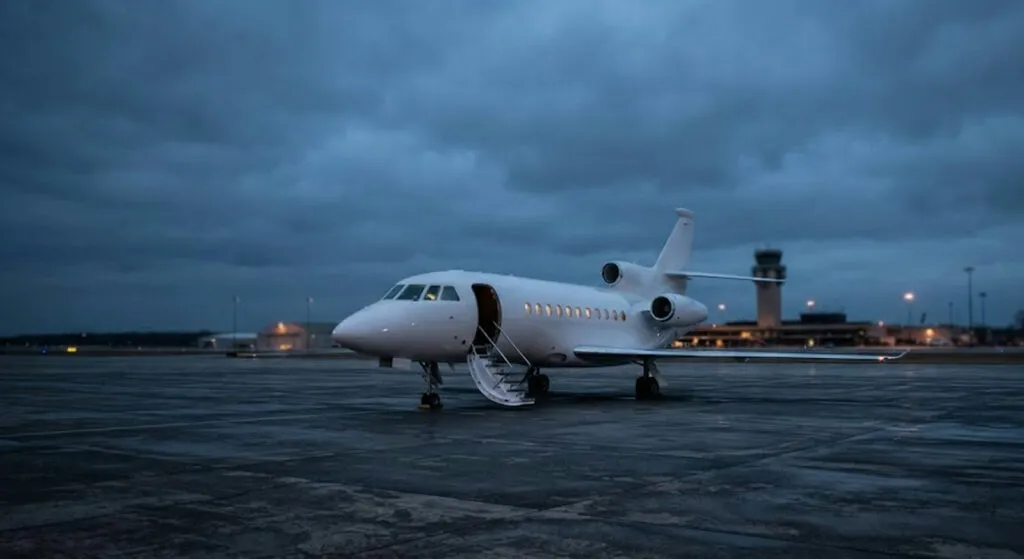
Norway's prime minister talks about a plane a drone "almost hit". Moldova, the only party holding the figures, reported that...
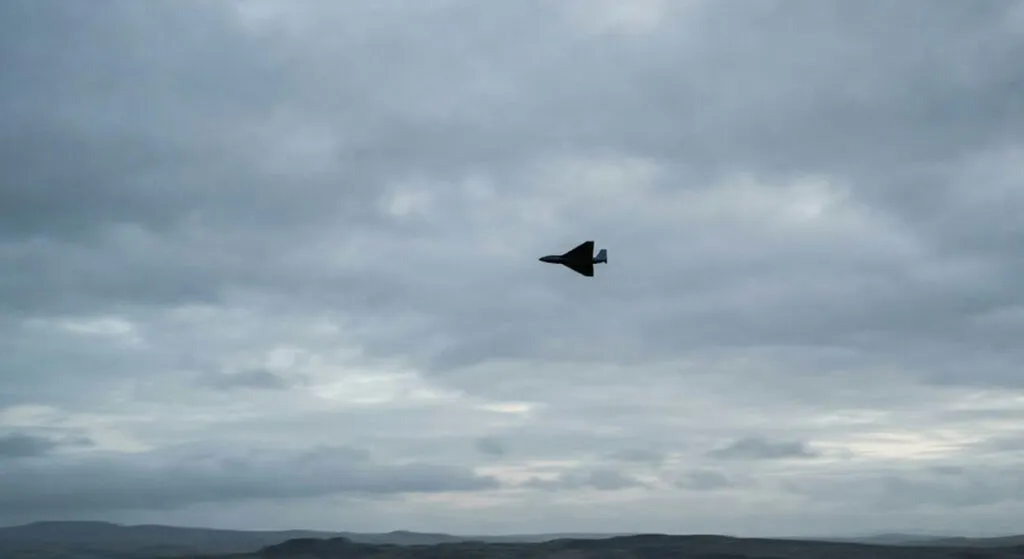
Ukraine was shooting down nine out of ten of the old drones. Then Russia changed the drone - and in...
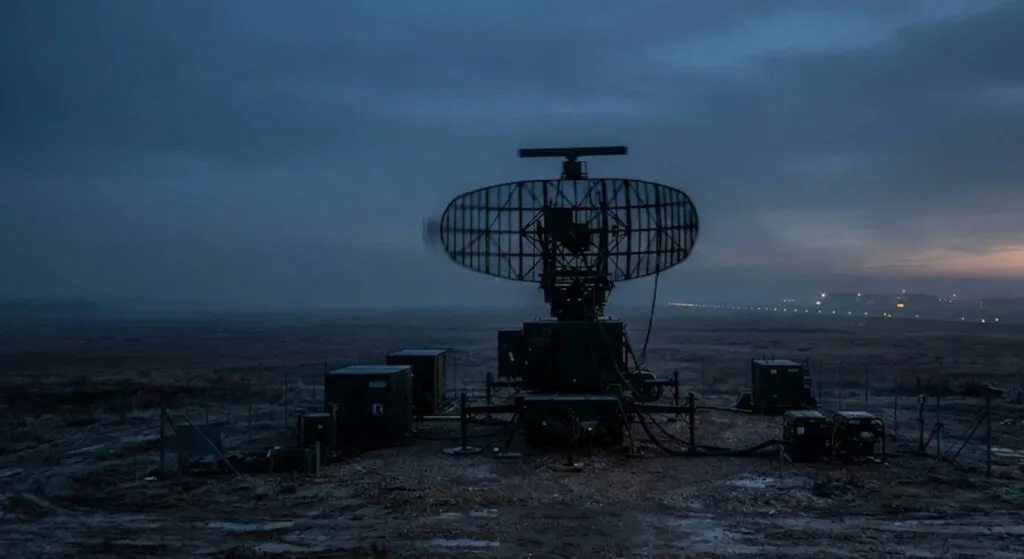
It was shot down a few minutes after midnight, and all of Vilnius got a warning on their phones. Two...
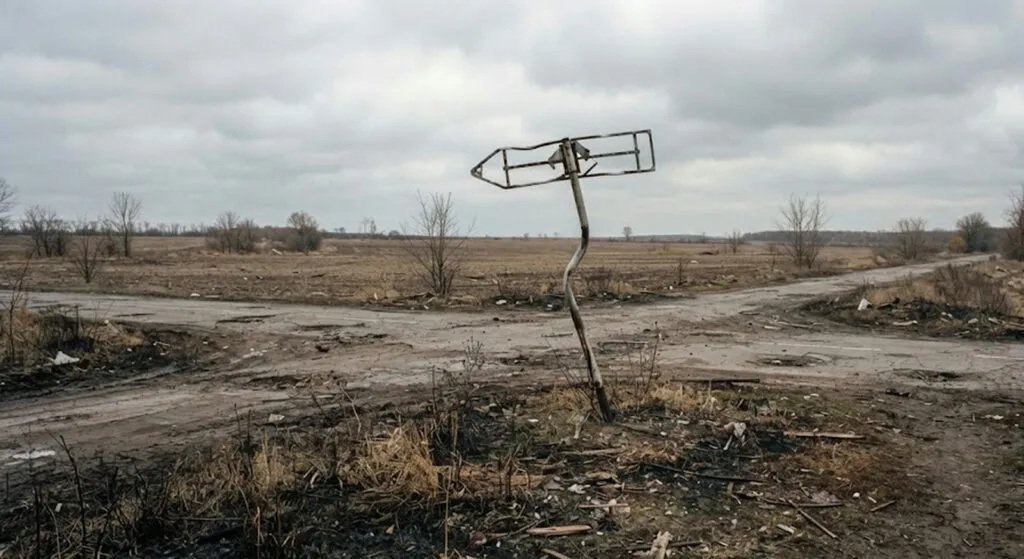
The entire story comes from one side, and the headlines turn it into a turning point. The difference between the...
Between 2,300 and 3,000 North Korean soldiers have died in Kursk so far. Kim Jong Un has found an export...
This site uses cookies - is that okay? Learn more
Be the first to know when Metla launches something new
Leave your email and we will write when there is a new guide or something new on Metla.
