
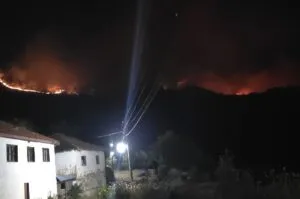
33 fires in 24 hours: a beech forest is burning in Kicevo, and near Kumanovo the flames reached the houses
24.08.2026


24.08.2026

24.08.2026

24.08.2026

24.08.2026
24.08.2026

24.08.2026

24.08.2026

23.08.2026
22.08.2026

24.08.2026

24.08.2026

23.08.2026

24.08.2026

24.08.2026

23.08.2026

24.08.2026

23.08.2026

22.08.2026

24.08.2026

24.08.2026

24.08.2026

24.08.2026

24.08.2026

23.08.2026

09.03.2026

27.02.2026

19.02.2026

24.08.2026
23.08.2026
23.08.2026

23.04.2026

23.04.2026

12.04.2026
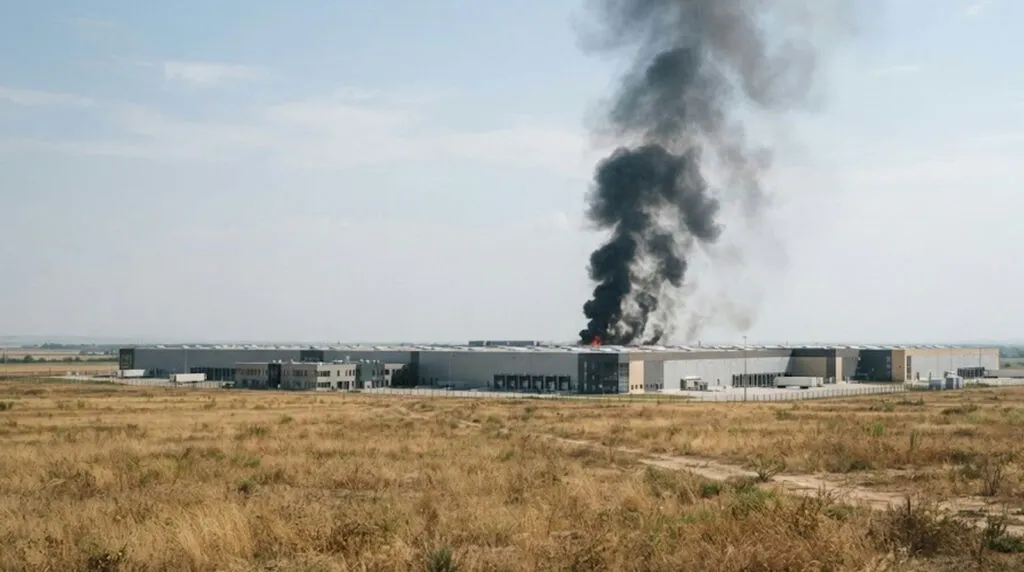
Three days in a row, three different regions, the same target. The logistics centres of Ozon - Russia's second largest online retailer - are burning from Samara to Stavropol, and the drone strikes are clearly no accident. When one and the same company loses warehouses in five regions in seventy-two hours, that is no longer a run of bad luck, it is a list.
It started on 22 August in the Samara region, where a warehouse fire forced more than 500 people outside and left some injured. The next day it was the Orenburg region's turn - work stopped after more than 300 employees were evacuated. On 24 August the strikes became simultaneous: Krasnodar, Adygea and the Stavropol region, all on the same day.
The figures that show the real scale
The damaged logistics centre in Krasnodar burned in a major fire. The facility in Enem covers 91,200 square metres, the one in Nevinnomyssk 93,514 square metres - both burned down. At every affected location work has stopped, orders are cancelled and money is being refunded.
Before Ozon, the same campaign spent weeks hitting the warehouses of Wildberries. The change of target says more than any statement: if they hit the largest retailer first and then the second, the objective is not one company - the objective is the chain that supplies the entire country with everything from toothpaste to spare parts.
A war no longer fought only at the front
This is the phase of the war in which logistics is the front line. Not barracks, not bridges, not refineries - warehouses. Places where parcels get packed. It is a strike measured not in kilometres captured but in days when somebody will not receive what they ordered, and in trust slowly coming apart towards a system that promised everything works normally.
How long can an economy run while its warehouses burn one after another? That question is not officially asked in Moscow. But the hundreds of evacuated employees from Samara and Orenburg already know what the answer looks like at their workplace.
The latest 10 news from this category
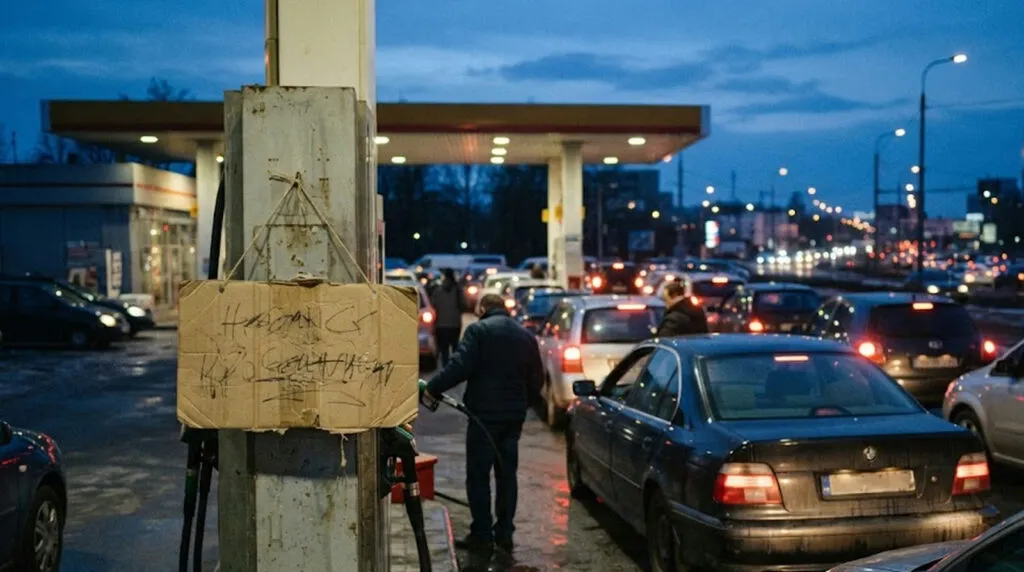
Gazprom Neft and Tatneft have restricted sales in Moscow itself. The war that ran somewhere far away for years has...
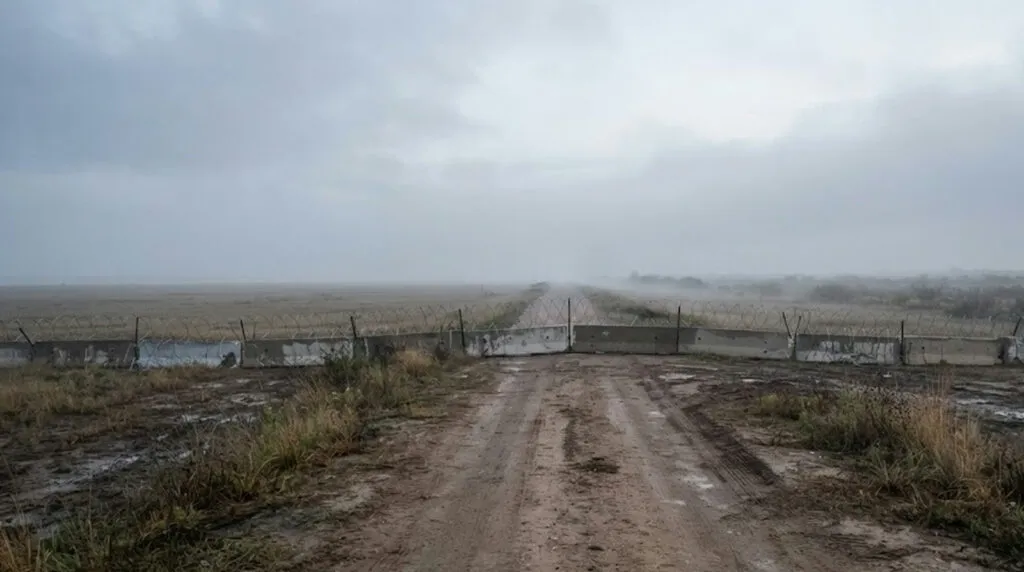
Mutual withdrawal, a buffer zone and a third party to run it. Everything is feasible except one thing - and...

Not an analysts' estimate but an admission from Kyiv itself. Funds earmarked for the second half of the year were...
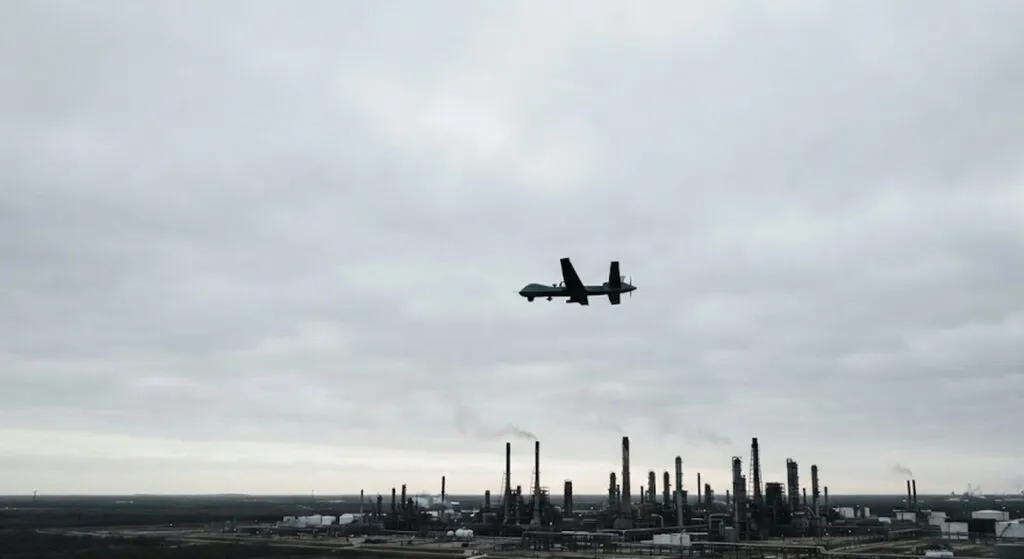
Moscow claims London is no longer just supplying weapons but taking part directly. And the Russian analyst who said it...

An old training aircraft chases a Russian drone, and the drone starts manoeuvring and gets away. The decoy has grown...
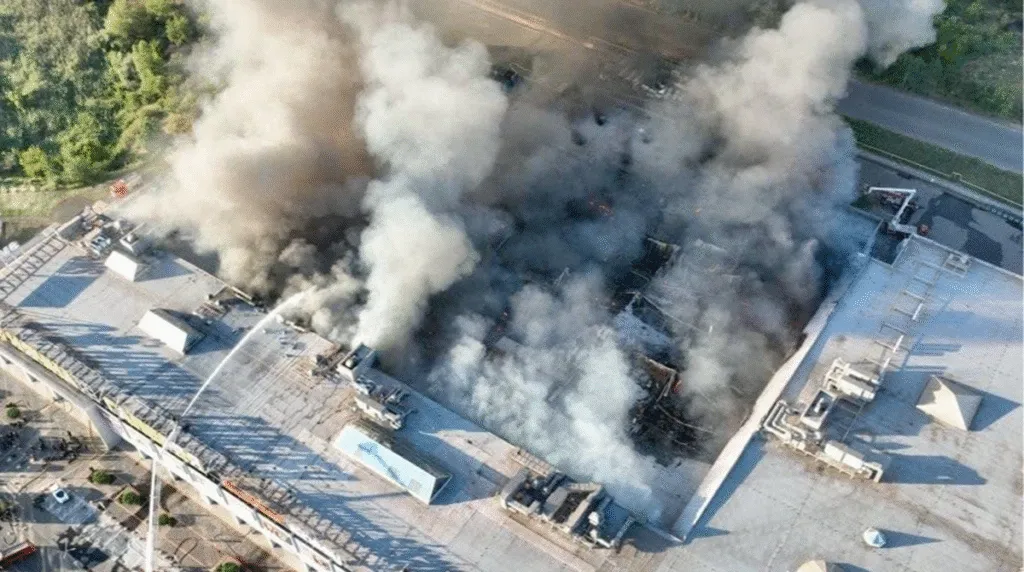
The first wave hit in the afternoon, when the centre was full. Half an hour later came the second -...

Ukraine asked for permission to strike up to 200 kilometres inside Russia. Behind the refusal sits a bigger number -...
Fighters, reconnaissance and electronic warfare aircraft over the Russian exclave - with Washington holding the controls, not Brussels. The question...
Zelensky said Russia attacked a crossing on the Moldovan border with drones. Three days earlier something had already exploded on...
A night missile strike on Kyiv and the surrounding region, warehouses and plants hit. The heaviest accusation did not come...
This site uses cookies - is that okay? Learn more
Be the first to know when Metla launches something new
Leave your email and we will write when there is a new guide or something new on Metla.
