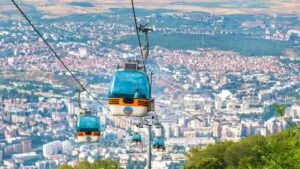
Three of Four Sensors Were Dead: Skopje's Vodno Cable Car Ran Fifteen Years Without a Real Service
17.09.2026


17.09.2026

17.09.2026

17.09.2026

17.09.2026

17.09.2026

17.09.2026
17.09.2026
16.09.2026
15.09.2026

17.09.2026

17.09.2026
16.09.2026
17.09.2026

17.09.2026

17.09.2026
17.09.2026

16.09.2026
15.09.2026

17.09.2026

17.09.2026

17.09.2026

17.09.2026

17.09.2026

17.09.2026

09.03.2026

27.02.2026

19.02.2026

23.04.2026

23.04.2026

12.04.2026

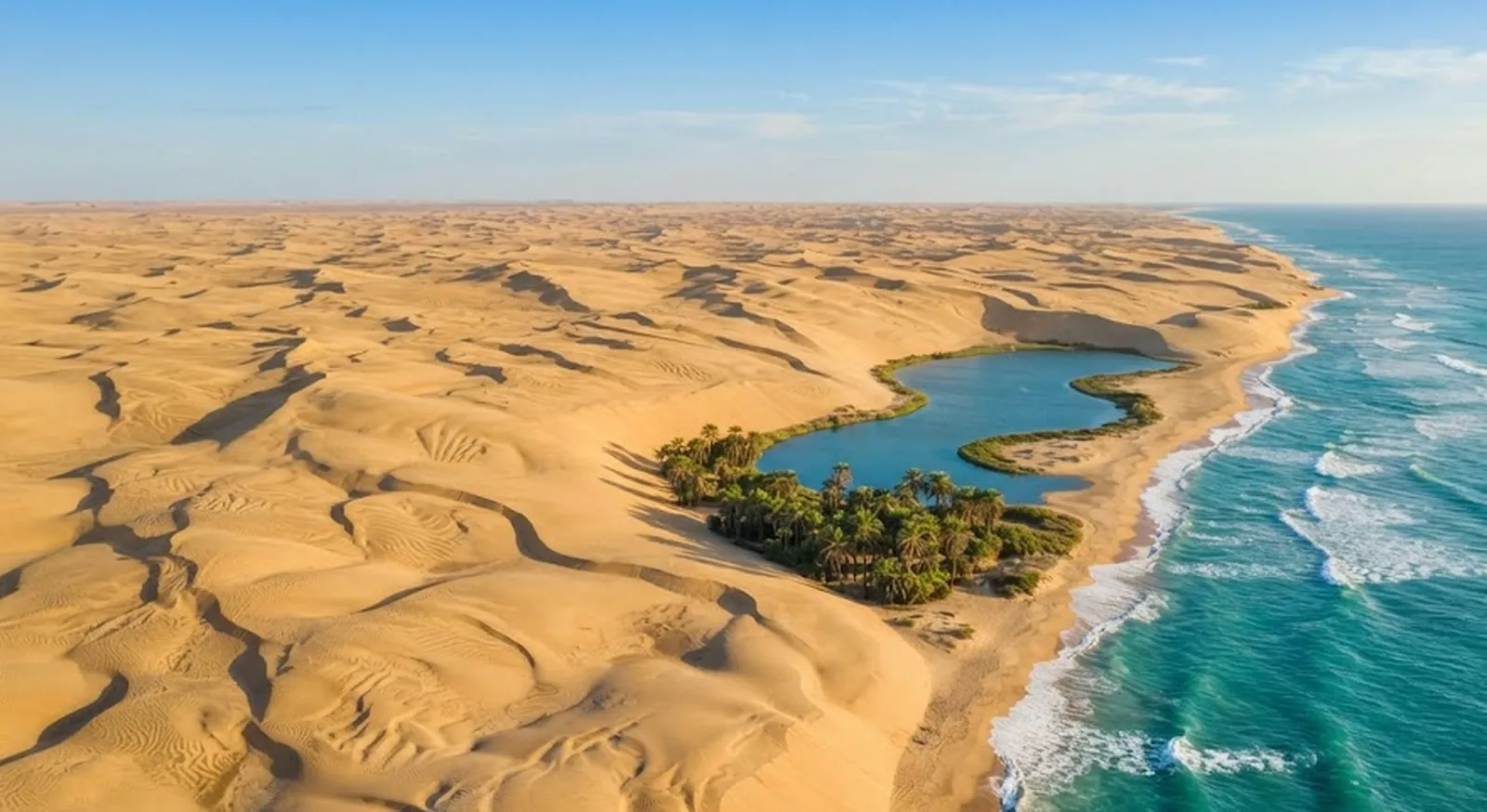
When you hear „sand dunes”, you think of the Sahara. When you hear „the Atlantic”, you think of cold water and wind. In the south of Gran Canaria the two meet in one place, and the result is a landscape that looks like a mistake in geography.
Maspalomas is a beach almost three kilometres long, but the beach is only the edge of the story. Behind it stretches a special nature reserve of around 400 hectares - a vast sea of dunes that the trade winds constantly move. Which means the landscape you see tomorrow will not be the one that was there last year. Very little in tourism is literally alive in this way.
The reserve holds four different ecosystems in a very small area: shifting dunes, beach, lagoon and palm grove. Migratory birds shelter here on the route between Europe and Africa, and the Gran Canaria giant lizard lives here, a species found nowhere else. That is precisely why movement is restricted to marked paths. It is not bureaucracy - the sand and the vegetation here are as fragile as they look solid.
The average annual temperature is around 24 degrees, which means swimming at any time of year. It sounds like a line from a brochure, but there is a flip side: in summer at midday the sand heats to dangerous temperatures. Early morning and late afternoon are not a recommendation for nicer photographs, but for your feet.
At one end stands the lighthouse from 1890, once a navigation point for ships sailing between Europe, Africa and America. Today the coastal promenade begins there. That is the moment you realise this place stopped being a discovery long ago - people came here when there was not a single hotel.
The infrastructure is everything you would expect: showers, toilets, sunbed and parasol hire, lifeguards, restaurants, sports courts, several pedestrian entrances from the promenade. Nearby are Roque Nublo, the fishing town of Puerto de Mogan and Palmitos Park. In other words, the wild landscape has a completely tamed frame around it - which is both good and slightly sad, depending on what you are after.
Still, the distinction is worth knowing. The dunes are not an attraction somebody built and opened to visitors. They existed before tourism and will exist after it, if they are allowed to. The only thing asked of a visitor is to stay on the path - a cost few would call high.
The latest 10 news from this category

Of twenty-five new inscriptions, five are natural - and only one is in Europe. For the richest of them, the...
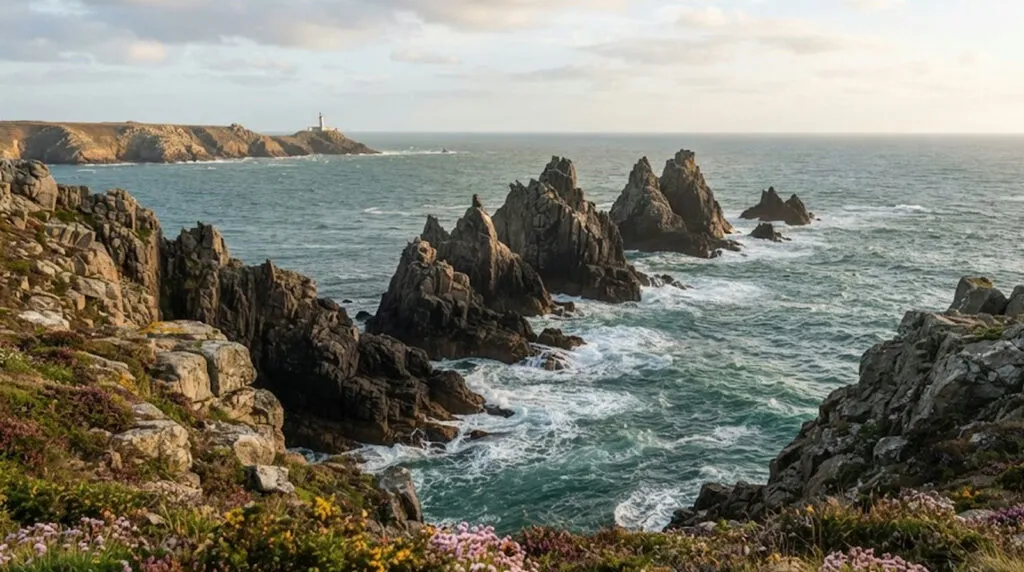
Fifty beaches, more than 120 villages and a trail France voted its favourite. Monet came for a few days and...
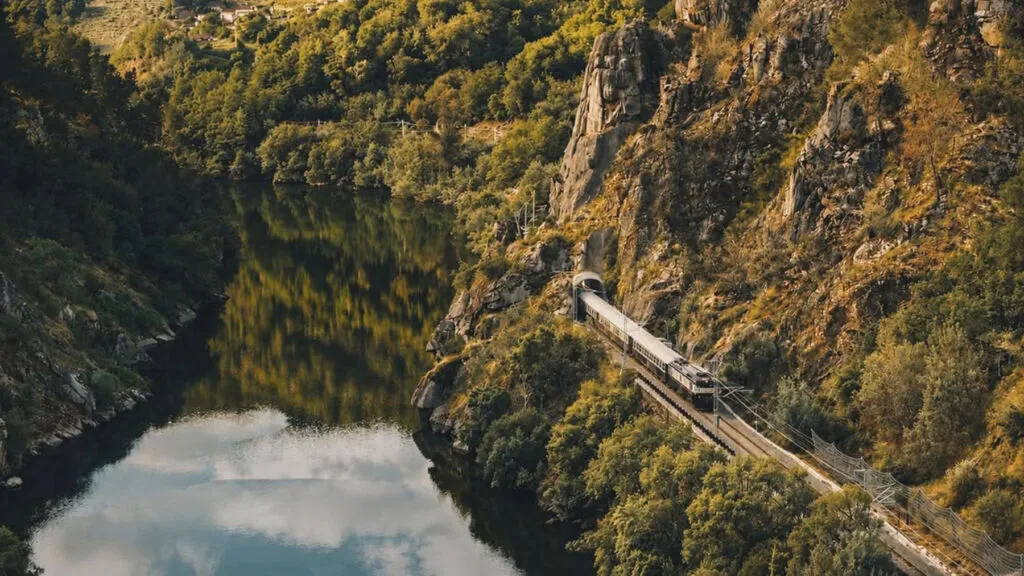
Restored carriages, a locomotive they call the Japanese Woman and a 28.95 euro return ticket. What it sells is not...
Two hundred and fifty tree species from every corner of the world, a monastery from 1628 and a palace that...
The same places cost more in August, look crowded and are experienced at half strength. The difference is made by...
The Beckhams have a place there, so do Kate Moss and Ellen DeGeneres. But the Cotswolds needs none of those...

Down on the coast the buses pass each other with centimetres to spare and all you see is people. Up...
Empty warehouses, low rents and one real estate developer. A model we know without flying to Florida.
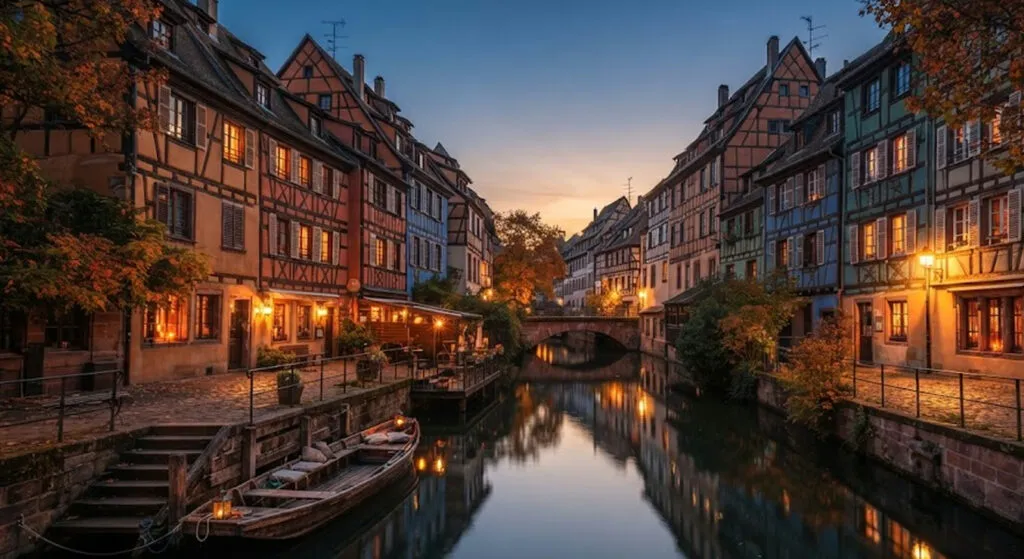
Old tanners' and dyers' workshops, built directly over the river. From 10 to 13 September the town puts boats and...
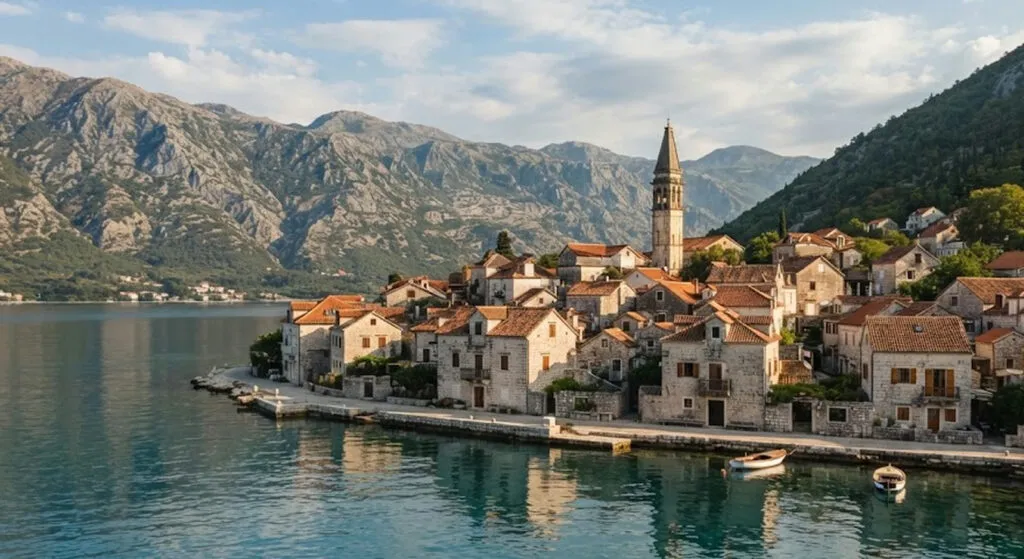
The Albanian Riviera, Montenegro, Sardinia, Lyon and the Algarve. The same weather as August, fewer people, and a bill that...
This site uses cookies - is that okay? Learn more
Be the first to know when Metla launches something new
Leave your email and we will write when there is a new guide or something new on Metla.