Six Years of Fake Licence Categories Issued From an Interior Ministry Desk: Six Charged, 21 More Under Investigation
21.09.2026


21.09.2026
21.09.2026

21.09.2026
21.09.2026
21.09.2026
21.09.2026

21.09.2026

20.09.2026
20.09.2026
21.09.2026

21.09.2026

20.09.2026

21.09.2026

21.09.2026

21.09.2026

21.09.2026

20.09.2026
19.09.2026

21.09.2026

21.09.2026
21.09.2026

21.09.2026
21.09.2026

21.09.2026

09.03.2026

27.02.2026

19.02.2026

21.09.2026
21.09.2026
20.09.2026

23.04.2026

23.04.2026

12.04.2026

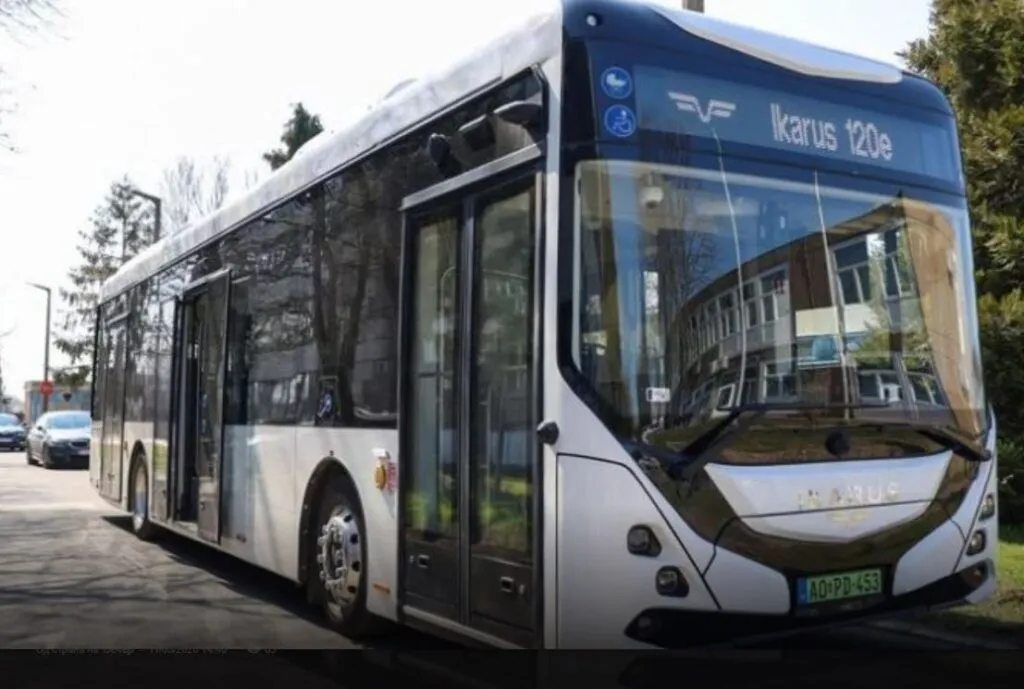
The City of Skopje has begun preparing the infrastructure for 100 new electric buses. The works cover routes, chargers and, most importantly, a stronger power supply at the bus depot in Avtokomanda, where enough capacity has to be secured to charge the entire fleet. Chargers are also planned at the railway station and in Gjorche Petrov, and EVN will have to step in on part of the works.
"We are doing this so that when the first bus arrives we are ready and there is no delay whatsoever," says Mayor Orce Gjorgjievski. To claims that the buses have already been built while Skopje lags behind, he replies: "There is a delivery deadline. The buses cannot be finished the moment the public procurement ends." The preparations, he says, should be completed while manufacturing is under way.
The history of this procurement explains why the delay question is being asked at all. The Transport Ministry is buying 150 electric buses and 75 charging stations in total - 100 for Skopje, 50 for other municipalities. The first tender was annulled in May by a ruling of the State Appeals Commission for Public Procurement. In the repeated procedure in July, the lowest bid came from Hungary's Ikarus Electric together with EVN: around 3.12 billion denars excluding VAT. There were four bidders, and two bids reached the electronic auction. Delivery is staged: 30 buses within six months, another 60 within 12 months and the final 60 within 18 months.
And here is an ambiguity worth noting. The mayor says the first 30 buses should arrive in Skopje by New Year. But the procurement terms do not specify how much of each stage goes to the capital and how much to the other municipalities. So either Skopje takes the entire first consignment, or "by New Year" is an optimistic reading of the calendar. Nor does anyone say exactly when the six-month clock started running.
The buses are part of a larger map Gjorgjievski sketches in the same interview: a BRT linked to the city train at the railway station, field works for the BRT in 2027, the underground road from Kisela Voda with its first phase finished and full operation "by the end of 2028 or the start of 2029", and a tender for two prefabricated multi-storey car parks on the Mother Teresa hospital grounds by mid-October. Skopje's transport policy is currently a list of deadlines.
The real test is simple: will the chargers and depots be ready before the first batch of buses arrives, so that they are not left parked while the system catches up? The public transport company's fleet is worn out and new buses are needed. The question is whether the city can keep pace with the factory - or whether the factory will end up waiting for the city.
The latest 10 news from this category
The country's largest national park is run on boundaries from 1952 and zoning from 1988. Pelister and Galichica got new...
An agreement between Butel, the City of Skopje and the transport company, a new timetable "in the coming days", a...
Fourteen years of "Bean Day" in Tearce, and ever fewer beans. A farmer with thirty years behind him says the...
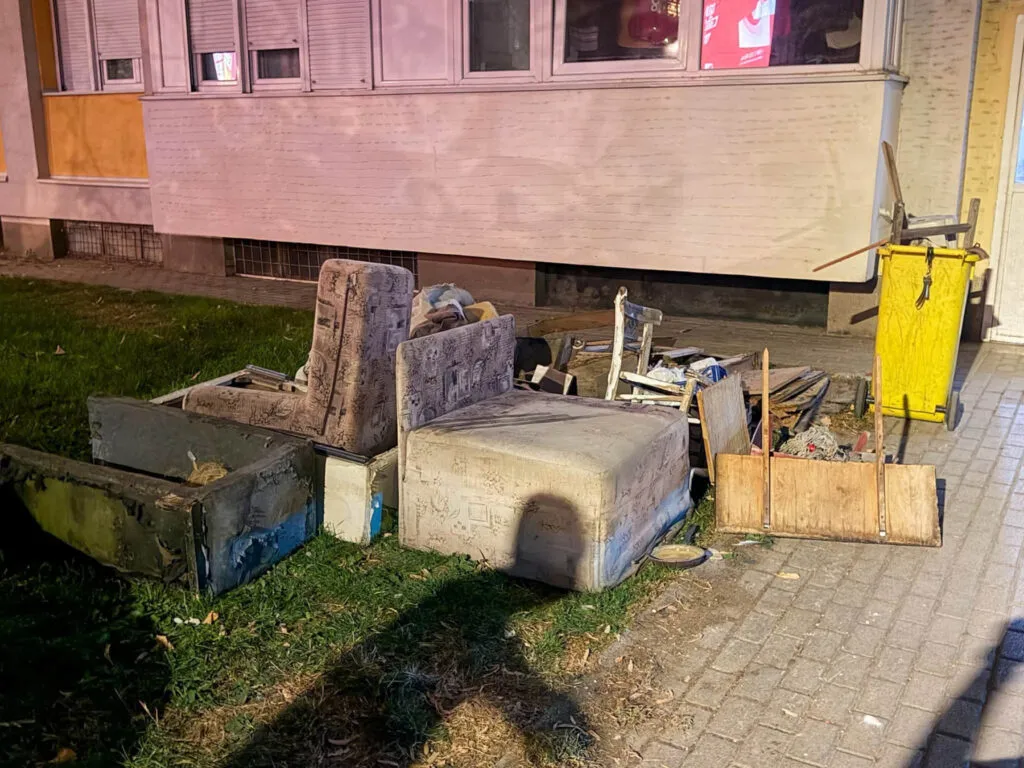
The third case in a few days, this one caught by the City of Skopje's inspectors. The mayor posts "zero...
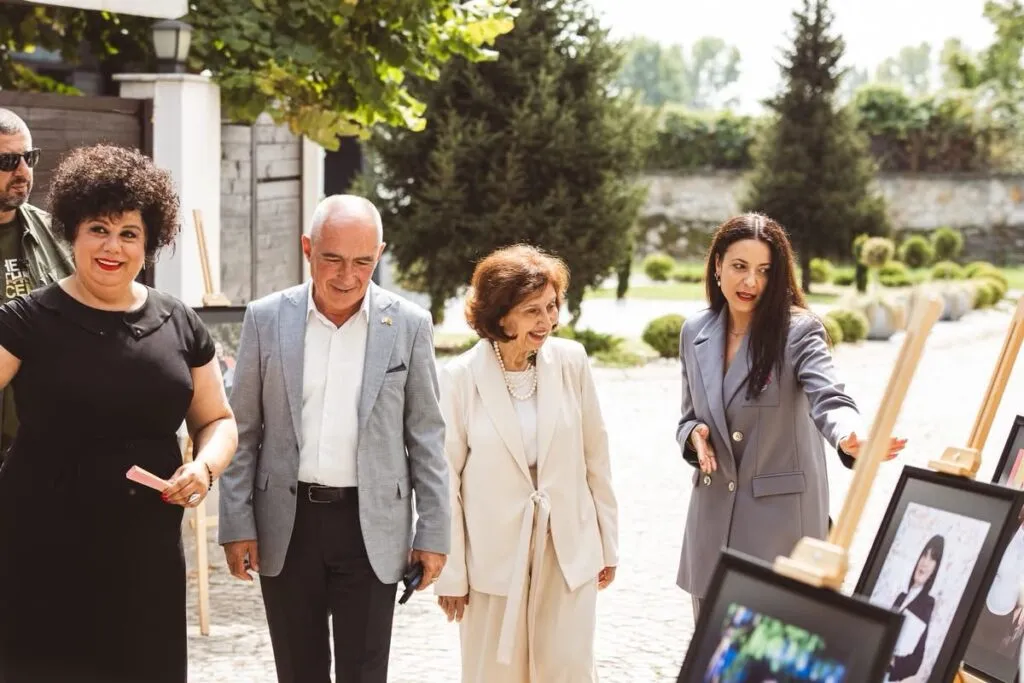
Speaking to women entrepreneurs in Bitola, the president talked about idealism, law and morality, and about a world that will...
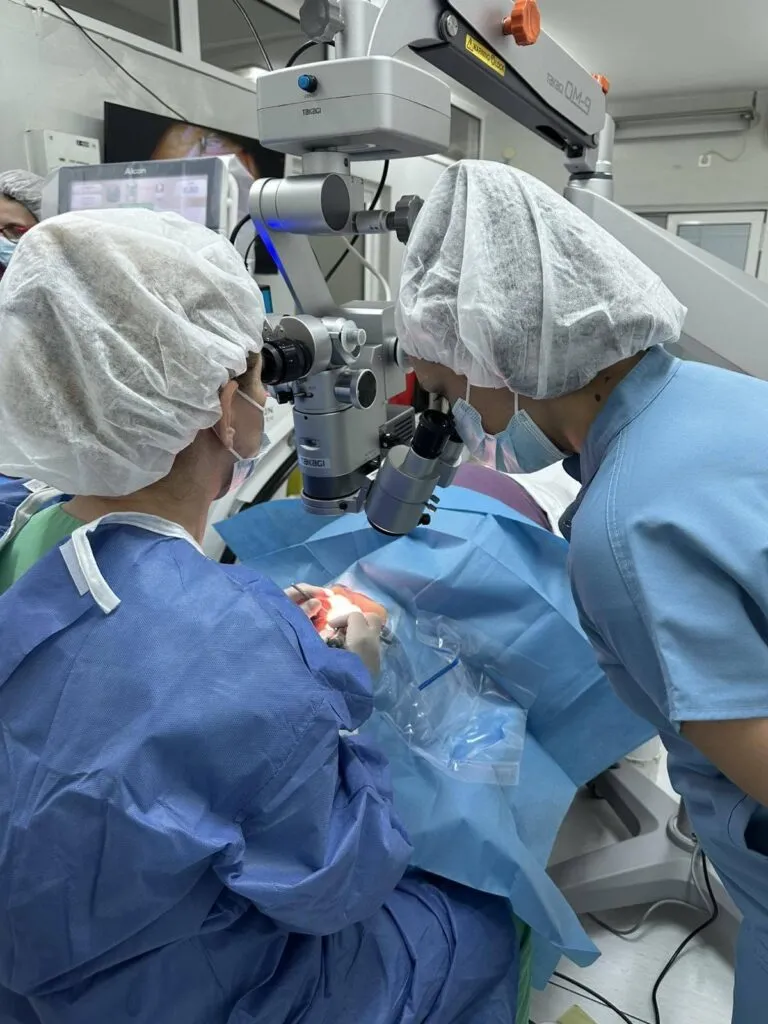
Since 28 July the Veles hospital has been implanting intraocular lenses using the phaco method. Thirty operations on, the queue...
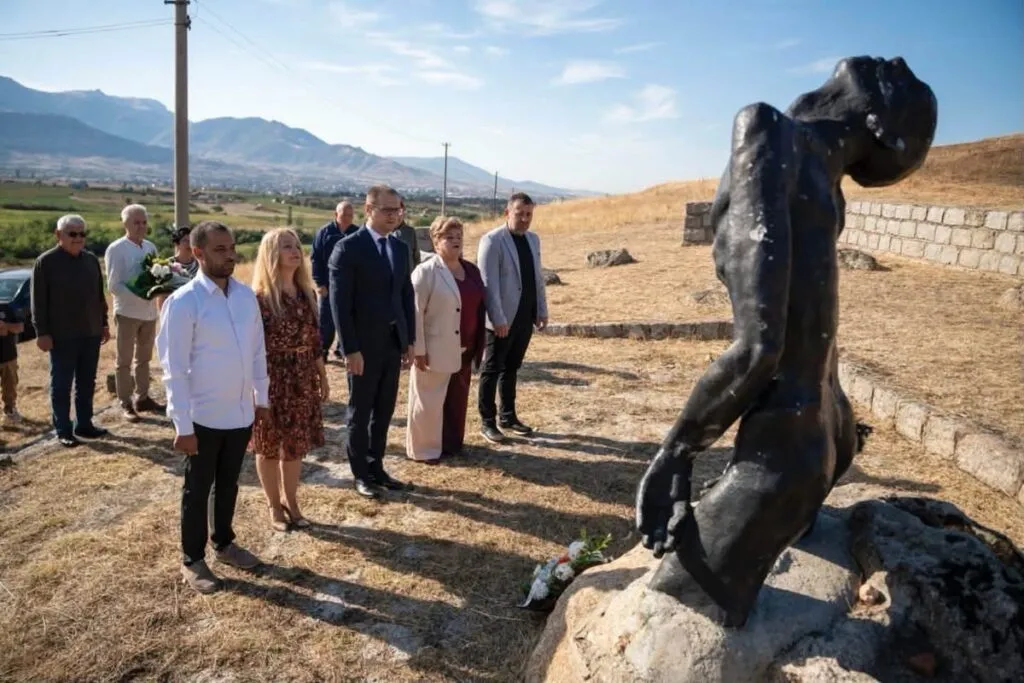
Eighteen people from Prilep killed at Dabnica in 1942. Dejan Prodanoski called for greater care of the memorial - which...
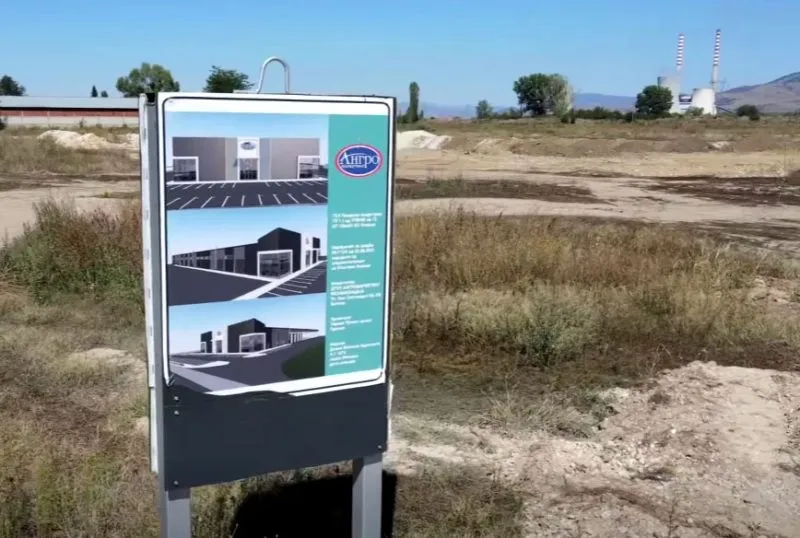
The press release counts 77.5 million denars invested, the mayor announces up to 120 million in total. The number missing...
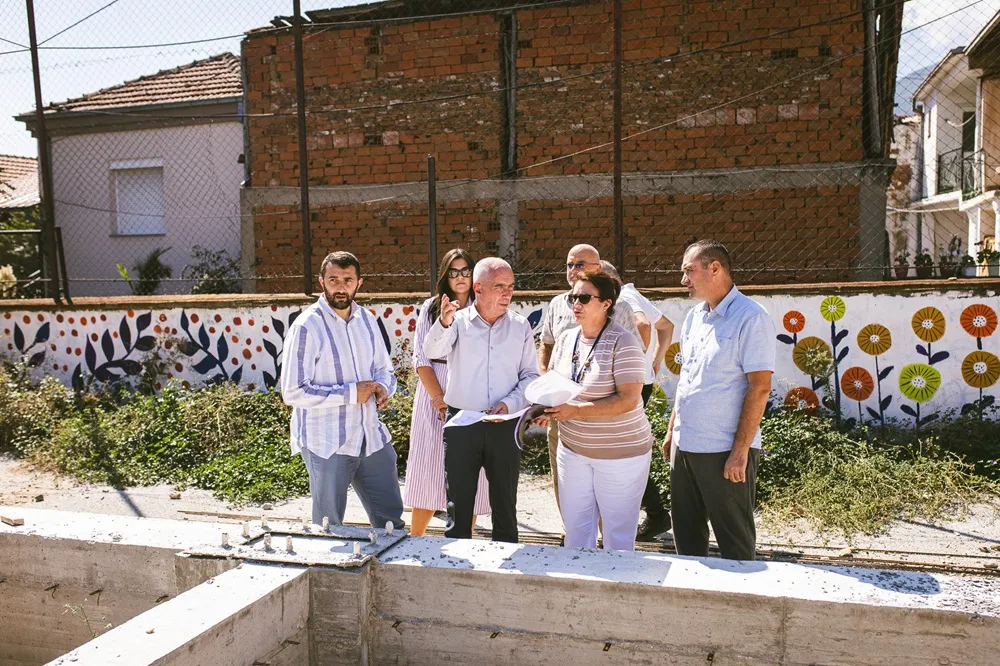
Three schools are getting standard-design halls, a fourth is going up in Bistrica. But the HVAC section had to be...
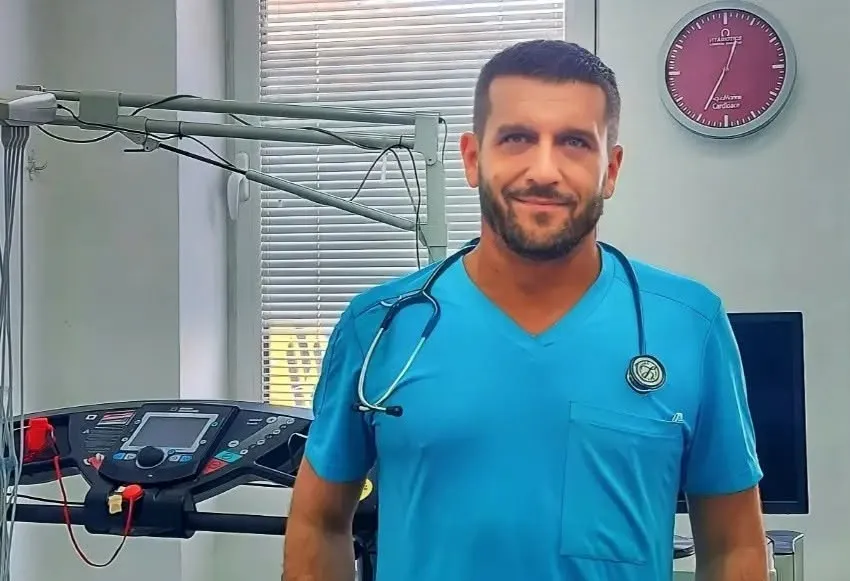
Darko Vasilevski says he was rejected because of his age. But the problem he describes himself is wider - a...
This site uses cookies - is that okay? Learn more
Be the first to know when Metla launches something new
Leave your email and we will write when there is a new guide or something new on Metla.