
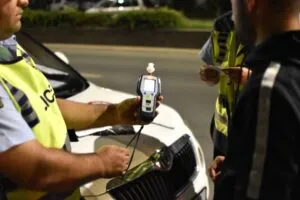
Released After 3.23 Per Mille, Back Behind the Wheel 29 Hours Later With 3.50: Only Then Did the Bitola Man End Up in Custody
11.11.2026


11.11.2026

11.11.2026

11.11.2026

11.11.2026

11.11.2026

11.11.2026
11.11.2026

06.11.2026
05.11.2026

11.11.2026
11.11.2026

06.11.2026

11.11.2026

11.11.2026
11.11.2026

11.11.2026

06.11.2026

05.11.2026

11.11.2026

11.11.2026

11.11.2026

11.11.2026

11.11.2026

11.11.2026

11.11.2026
10.11.2026

07.11.2026
23.04.2026
23.04.2026

12.04.2026

The latest 10 news from this category

A Bitola driver gets detention only after his second drunk drive, and the government deletes one article of a law...
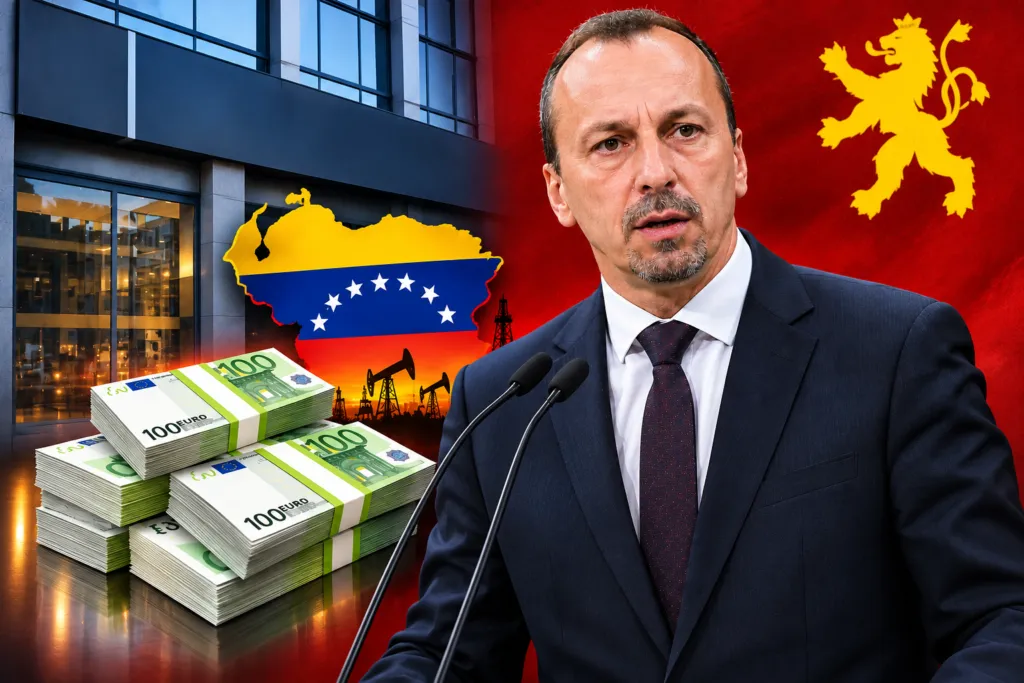
Пратеникот на ВМРО-ДПМНЕ, Бране Петрушевски, излезе со обвинувања дека во 2019 година преку Еуростандард банка биле реализирани сомнителни трансакции од...

Дваесет и три години по ветувањето од Солун, Западен Балкан сè уште стои пред европската врата. Но прашањето повеќе не...
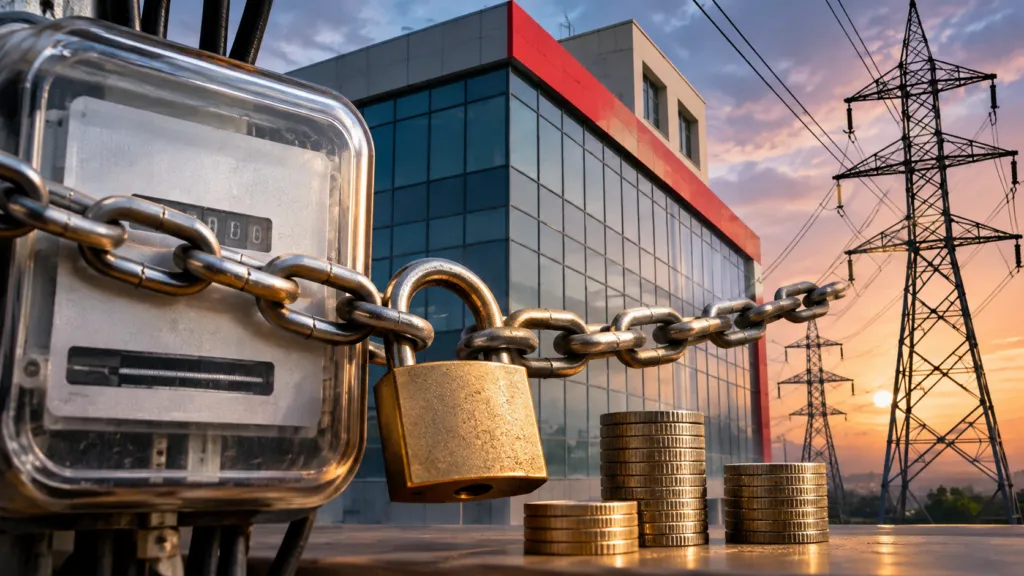
Дваесет години по приватизацијата на електродистрибуцијата, јавноста сè уште нема целосен увид во договорот за продажба на ЕВН, во управувањето...
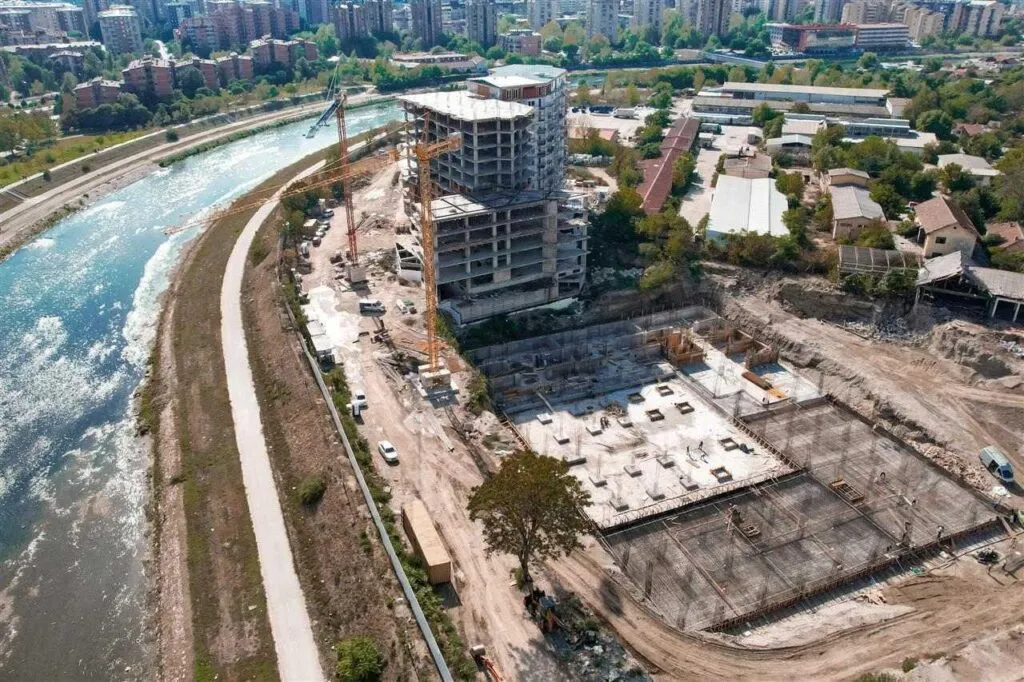
Скопје се претвора во огромно градилиште, но се поставува прашањето кој ќе ги купи сите тие станови и колку долго...
The state showed itself today in numbers that don't add up: 221 judges short, 117 million euros' worth of land...
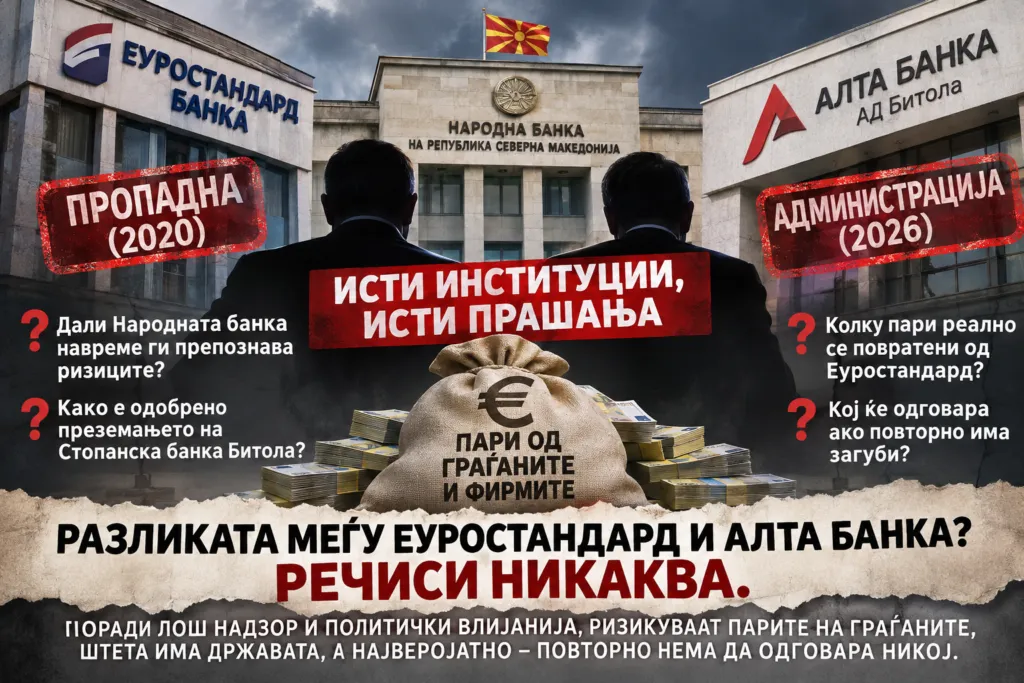
A cap on people's money in Bitola, a law that was being dodged, protection measures nobody checked. The day showed...
The call centres were uncovered by a German prosecutor, the state of the railways was spelled out by the auditor,...
A scheduled match, a law built to NATO standards, a fund holding 406 million euros - it was all on...
The governor and the opposition trade posts on X, the prime minister counts "everyone" against him, and the Alta Bank...
This site uses cookies - is that okay? Learn more
Be the first to know when Metla launches something new
Leave your email and we'll write to you when there's a new guide or something new on Metla.