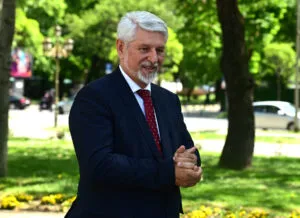
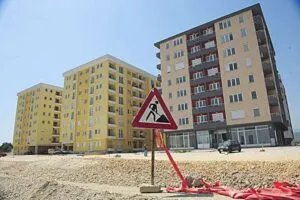
A New Criminal Complaint Against Jakimovski: A Building Permit Based on a Plan Struck Down Back in 2018
16.09.2026


16.09.2026
16.09.2026

16.09.2026

16.09.2026
16.09.2026

16.09.2026

16.09.2026

15.09.2026

14.09.2026

16.09.2026

16.09.2026

15.09.2026

16.09.2026

15.09.2026

14.09.2026

16.09.2026

16.09.2026

16.09.2026

16.09.2026

15.09.2026
15.09.2026

09.03.2026

27.02.2026

19.02.2026

16.09.2026

15.09.2026

14.09.2026

23.04.2026

23.04.2026

12.04.2026

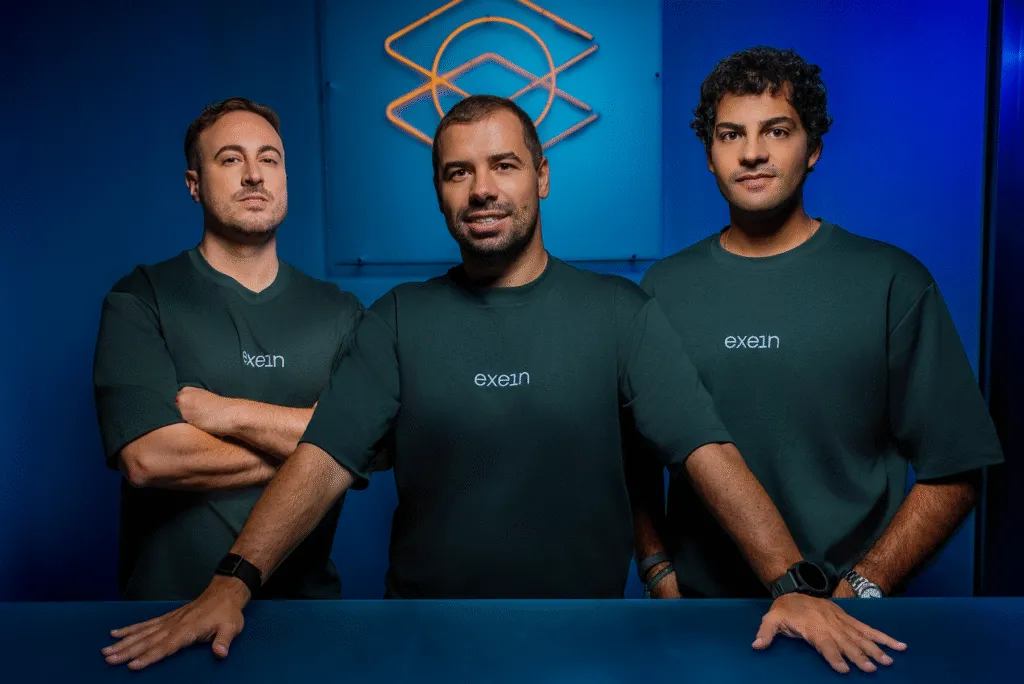
The Italian startup Exein has raised 270 million dollars (around 245 million euros) in a round led by Headline, at an estimated valuation of 1.7 billion dollars. Europe has another unicorn, and it is not in London, Berlin or Paris - it is in Rome, at a company working on something nobody wants to look at while it is working: device security.
The idea was set down back in 2018 and is simple to the point of sounding obvious once you hear it. "Exein's concept is that every device should be able to defend itself, regardless of whether it is connected to a secure network or not," says Gianni Cuozzo, the company's chief executive and founder. The newest product, Photon, blocks attacks at the level of the device kernel - meaning in a place no antivirus on the user's side can reach.
The numbers behind it are not marketing. Exein claims to have secured over 2 billion connected devices in sectors where one successful attack means production stops: aerospace, industrial automation, the car industry, energy, healthcare, semiconductors. Instead of selling software to end users, the company works directly with manufacturers and chip suppliers - a decision taken seven years ago, when connected devices were still a novelty.
The growth is what drew the investors. The estimated valuation is thirty times higher than at the Series B round around two years ago, and more than double that of December 2025, when the company took on both equity and debt. The round, Exein says, was significantly oversubscribed. Cuozzo claims the company is growing "400 percent year on year" - a figure nobody sustains for long, but while it lasts it opens every door.
Now comes the part you rarely read in funding announcements. The same artificial intelligence that created demand for Exein's product has also increased the power of attacks. Cuozzo points out that open models running without safeguards make attacks on physical devices cheaper and easier than ever. The company is already recording a rise in what it calls "machine-speed attacks" and is preparing its own foundation model for physical AI security, planned for the first quarter of 2027.
European regulation here, for a change, works in a European company's favour. The EU's Cyber Resilience Act introduced reporting obligations last week and comes fully into force in December 2027 - requiring manufacturers to guarantee that every digital product is protected against cyber threats. In other words, Brussels wrote Exein a client list.
Half the company's revenue today comes from Asia and the Pacific, and the fresh money is going towards buying smaller firms and hiring in the US and that region. Cuozzo says being spread across three continents has been his biggest problem so far. That is a nice problem to have when you founded a company in a country that spent decades watching its best engineers leave for somewhere else.
And the Balkans? There is a more interesting question here than the size of the round. The region produces exactly these engineers, in exactly these niches, for exactly this European regulation. The difference is that Rome has investors who know how to write a cheque for 270 million dollars. Is that a difference in talent - or a difference in what sits one floor above the talent?
The latest 10 news from this category
A startup valued at 94 million dollars changed hands, and both sides said openly what was being bought - not...
A technology sold for decades as the answer to the climate is now taking money from the defence industry. The...

The board voted, the founder kicked the administrators out of Slack and held out for three days. What does a...

Three months ago the company raised 60 million. Now it is worth almost ten times that, and its product is...

After Ohridska Banka, Sparkasse has gone after a second one. The approvals come from Podgorica, Belgrade and Frankfurt. The market...

They had offers and visas to stay in the US. They went back to Munich because the numbers worked better...

A signed term sheet in venture capital is treated as a word of honour. When the buyer offers sixty-seven years...

The queue for putting cargo into orbit is growing faster than the capacity, and one supplier holds almost all of...
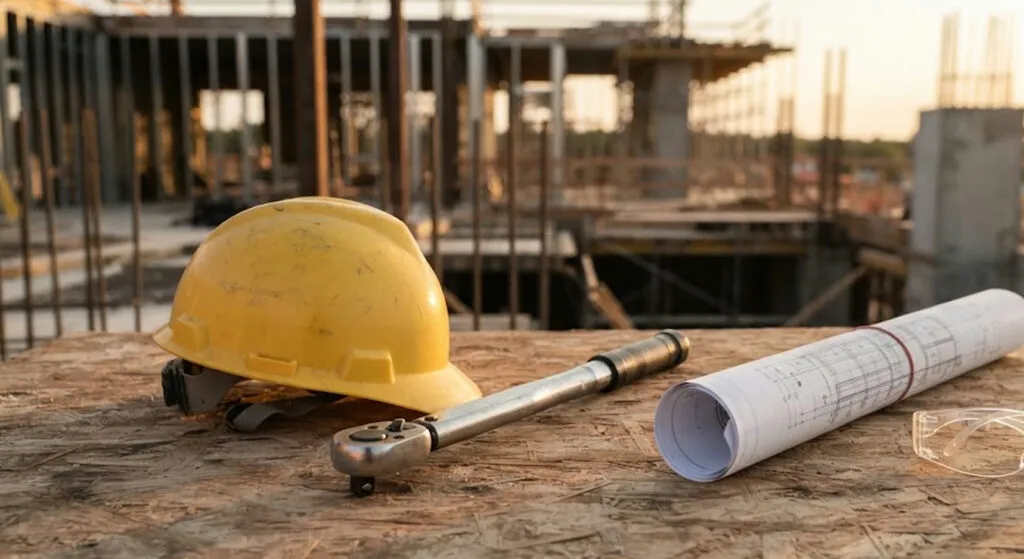
Opendoor's founder raised 25 million dollars for an app that tells construction workers whether they installed something correctly. What the...
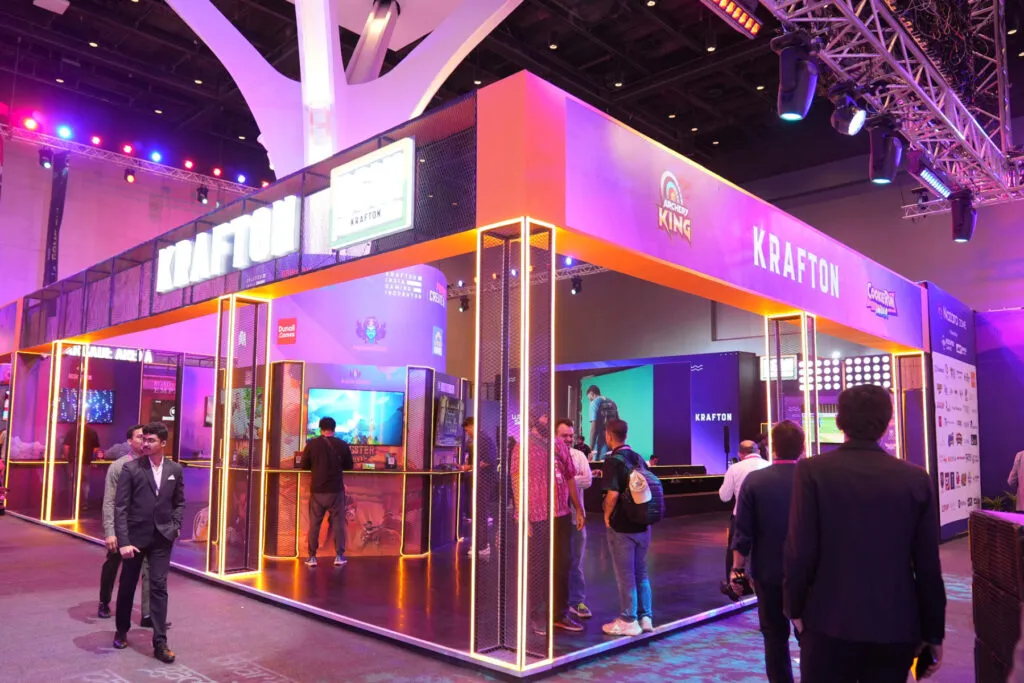
Twice they threw its game off the Indian market. Now the company is investing half a billion there, and outside...
This site uses cookies - is that okay? Learn more
Be the first to know when Metla launches something new
Leave your email and we will write when there is a new guide or something new on Metla.