Eye Surgeries Billed Twice, Up to 4,000 Patients Hit: The Violations Were Known, the Fines Never Came
30.10.2026


30.10.2026

30.10.2026
30.10.2026
30.10.2026
30.10.2026
30.10.2026

30.10.2026

29.10.2026

29.10.2026
30.10.2026
30.10.2026

29.10.2026

30.10.2026

30.10.2026

30.10.2026

30.10.2026

29.10.2026

28.10.2026

30.10.2026

30.10.2026

30.10.2026

30.10.2026

30.10.2026

30.10.2026
30.10.2026

29.10.2026

28.10.2026

23.04.2026

23.04.2026

12.04.2026

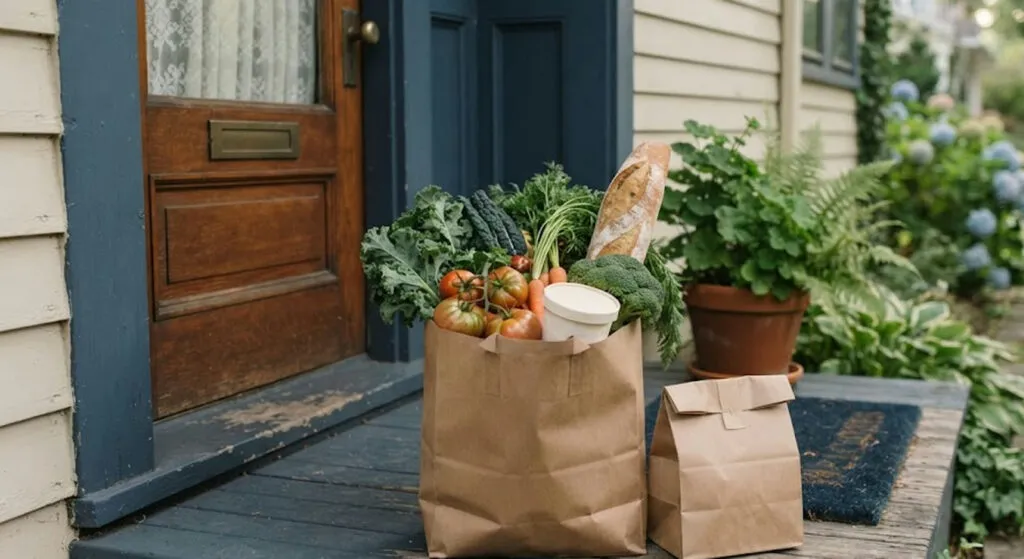
DoorDash, the restaurant food delivery app, is buying rival Instacart, the online grocery delivery service. The deal is worth 17 billion dollars (about 14.7 billion euros), or 65 dollars per Instacart share. Both companies' boards have already approved it.
Instacart's market value is just over 13 billion dollars, and its stock is up 25 percent since the start of the year. So DoorDash is paying a premium of several billion, and Instacart is selling while the price is high, before competition in grocery delivery gets even more brutal. According to Bloomberg, Instacart had also been in talks with Uber but pulled out of those negotiations.
Tony Xu, DoorDash's CEO, is selling the deal with an avocado. "Groceries are one of the hardest things to do well online," he says. "Someone has to pick a ripe avocado, find a replacement they'd choose themselves, and get the ice cream there before it melts." Instacart's chief, Chris Rogers, points out that the company has spent 14 years helping stores "of all sizes" compete.
The plan is for the Instacart brand and app to stay, along with its tech products for retailers. Stores could use Instacart's software to build their own online shops and advertising businesses, and use DoorDash couriers to deliver more cheaply. Xu wrapped up with "when more people shop locally, more money stays local" - a line that sounds odd coming from a platform that takes a cut of every order between the shopper and the store. And when both the software and the delivery are in the same hands, who writes the terms for the supermarket?
There's time before the real merger: the deal is expected to close at the end of 2027 or in the first half of 2028, and until then the two companies operate separately. A year and a half is long enough for US regulators to ask what it means when delivering both your lunch and your weekly shop ends up with one company. Will they ask - or will the promise of money that "stays local" be enough for them?
The latest 10 news from this category
The four-year-old firm rejected a takeover bid because it didn't top its valuation, then raised fresh money. The bet is...
Former Amazon executives raised $2.1 billion for factories, not chatbots. They call deindustrialisation a security risk - the Balkans know...

Nearly a billion dollars in two years, for a kit that drives the excavator instead of a person. The company...
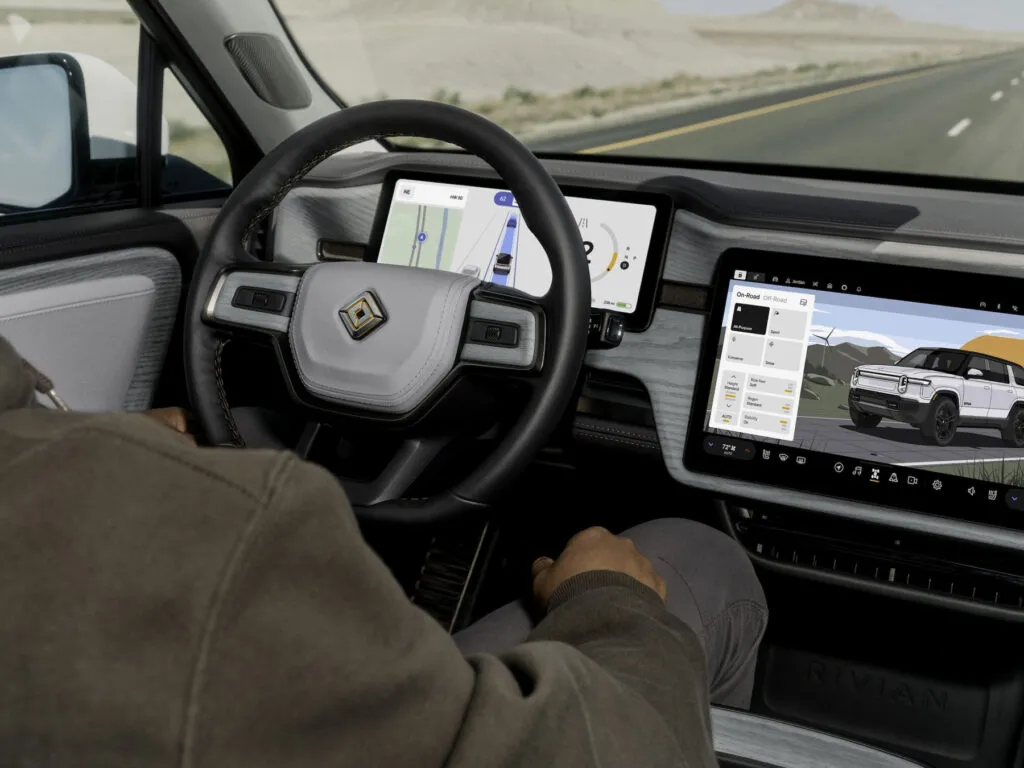
Every day Rivian receives more than 400,000 recorded scenes from its customers' cars. Now it also has a tool that...
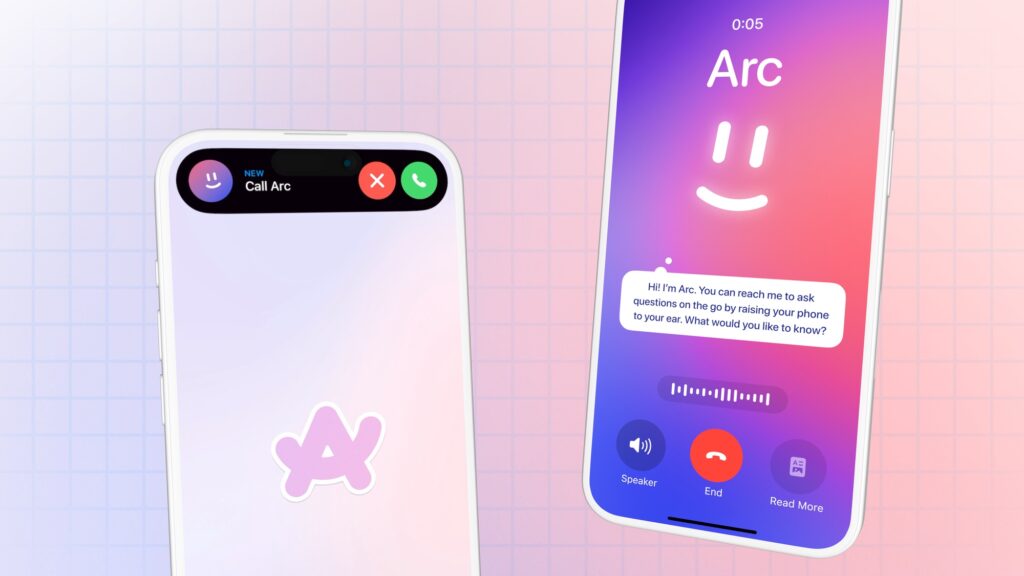
The company says a secure browser has become too expensive to maintain. Users want at least the code opened up...

The state isn't just handing over money, it's taking equity - for electronics that have to survive the plasma. Fusion...
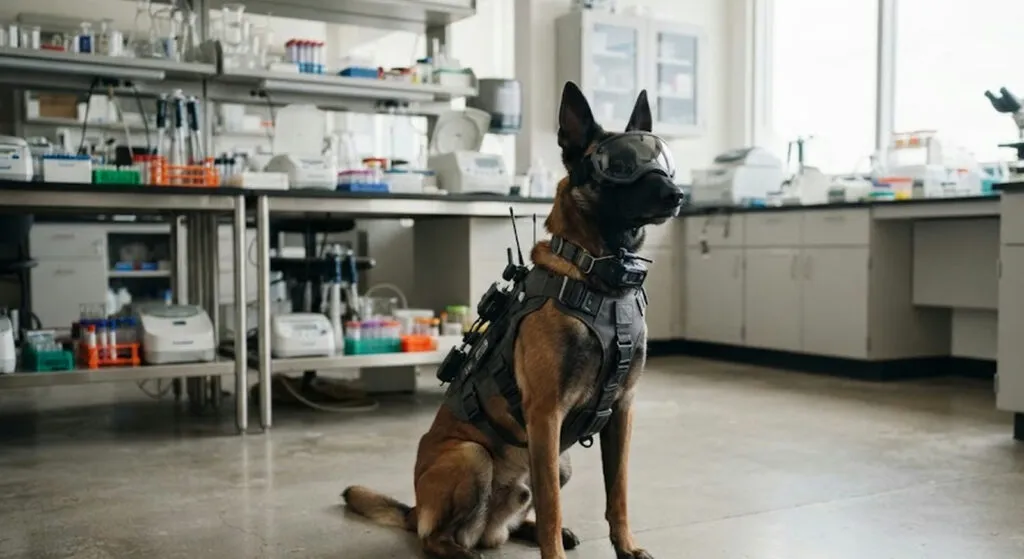
Over 80 percent of the US military's working dogs come from Europe, and fewer than half are fit for service....

Three founders and a promise that AI can be trained on far less data. In Silicon Valley that's now worth...
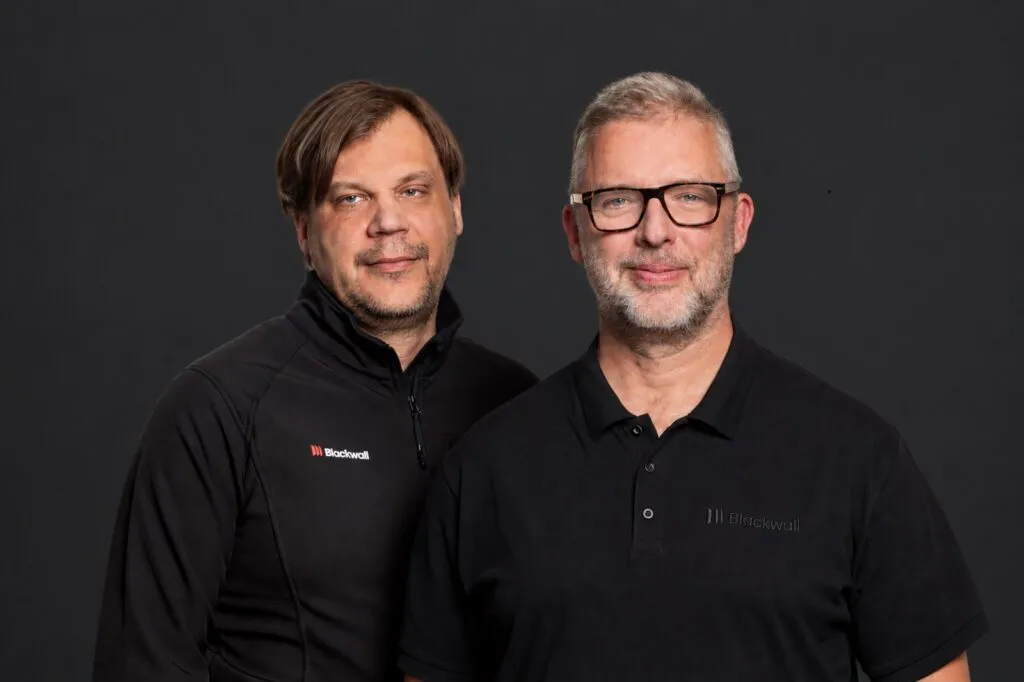
A company from a small Baltic country raised 100 million dollars to tell humans from machines online. The trick is...

The app for emotions and to-dos claims revenue in the tens of millions of dollars. Seventy percent of its users...
This site uses cookies - is that okay? Learn more
Be the first to know when Metla launches something new
Leave your email and we will write when there is a new guide or something new on Metla.