
Six Years of Fake Licence Categories Issued From an Interior Ministry Desk: Six Charged, 21 More Under Investigation
21.09.2026


21.09.2026

21.09.2026

21.09.2026

21.09.2026

21.09.2026

21.09.2026

21.09.2026

20.09.2026

20.09.2026

21.09.2026

21.09.2026

20.09.2026

21.09.2026

21.09.2026

21.09.2026

21.09.2026

20.09.2026

19.09.2026

21.09.2026

21.09.2026

21.09.2026

21.09.2026

21.09.2026

21.09.2026

09.03.2026

27.02.2026

19.02.2026

21.09.2026

21.09.2026

20.09.2026

23.04.2026

23.04.2026

12.04.2026


The cosmetics industry lives off one sentence: after forty you need more. More coverage, more product, more layers. Three makeup artists who work on faces from film and red carpets say precisely the opposite. The skin changes, the lid loses firmness, the first lines appear under the eye - and that is exactly why the secret is not applying more but knowing where to apply what.
Vicky Marcos, who does the makeup for Sara Carbonero, Elsa Pataky and Alice Campello, puts it most briefly: "The most important thing for me is to hydrate the area well and work with less product." Isabel Auernheimer, head makeup artist on the series "Berlin" and "Oasis", adds that preparing the skin around the eye with a cream or primer is the foundation of everything that follows. And Ana Barba, a makeup artist and chemical engineer, offers the line worth remembering: "After forty, an illuminated look works far better than an excessively emphasised eye."
For eyeshadow, Marcos recommends beige, champagne, soft pink, warm browns and certain earth tones. Auernheimer calls them "organic colours" - corals and peaches, which bring freshness. Shimmer is not banned, but it changes: fewer glitter particles, more satin finish, and in small quantities. Barba applies it with a soft brush, sparingly and only on the points that need light. The key word for all three is the same: blending. "The essence is to blend the colours so that no lines form that harden the face and add years," Auernheimer explains.
Direction matters as much as colour. Auernheimer talks about the "smiling eye": the makeup is drawn towards the temple to clean up the look. Marcos advises never dragging shadow downwards, and if the eye droops slightly, to lengthen it rather than trying to force it upwards. When the lid loses firmness, a perfect eyeliner line is not the goal. All three prefer a pencil: applied right at the lash line and lightly blended for depth, without darkening the whole eye. Black remains permitted, but in moderation. It gives intensity and definition, but it can also harden the look, so brown is the softer alternative. Auernheimer keeps dark tones only closest to the lashes, then merges them with lighter colours.
"Many times we get a far more open look by working the lashes well than by adding more shadow," Marcos says. Curler before mascara, carefully, pressing at the root and then towards the tips. Barba wants a lash that is lengthened, separated and curled upwards, but without extreme volume. Under the eye, less is more: concealers with a creamy rather than powdery texture, because powder gathers in the lines over the course of the day. Marcos's trick: lift the excess with a sponge or a fingertip, in small taps. Brows that have lost density are rebuilt with thin strokes exactly where a hair is missing, without darkening, and with a pencil even slightly lighter than the brow itself. Brushed upwards and set, the experts say, they deliver something like a "mini lift".
When there is no time, Marcos's recipe is three steps: well-curled lashes, light in strategic places and a defined line at the lash root. Barba sums it up: "A simple eye, well defined and with light," over bright skin. Not one of the three mentioned a new product you have to buy. That alone says enough about how much of what we are sold we actually need.
The latest 10 news from this category
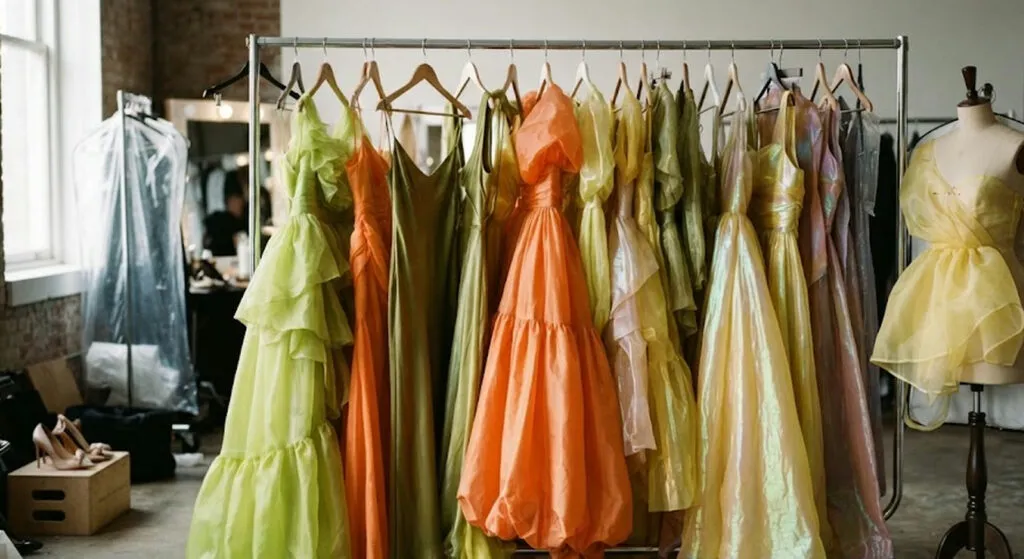
Three days in a lab coat with colorimetry scientists to produce a collection in lime and tangerine. The design director...

A boat-neck gown and wildflowers that deliberately refuse to compete with the jewellery. A fourth generation under the same diadem,...

A communications expert says the trouser suit sidesteps sexist readings of hemlines and necklines. The same expert warns that the...

Dermatologists explain why the shedding arrives with a two to three month delay and why iron and vitamins do not...
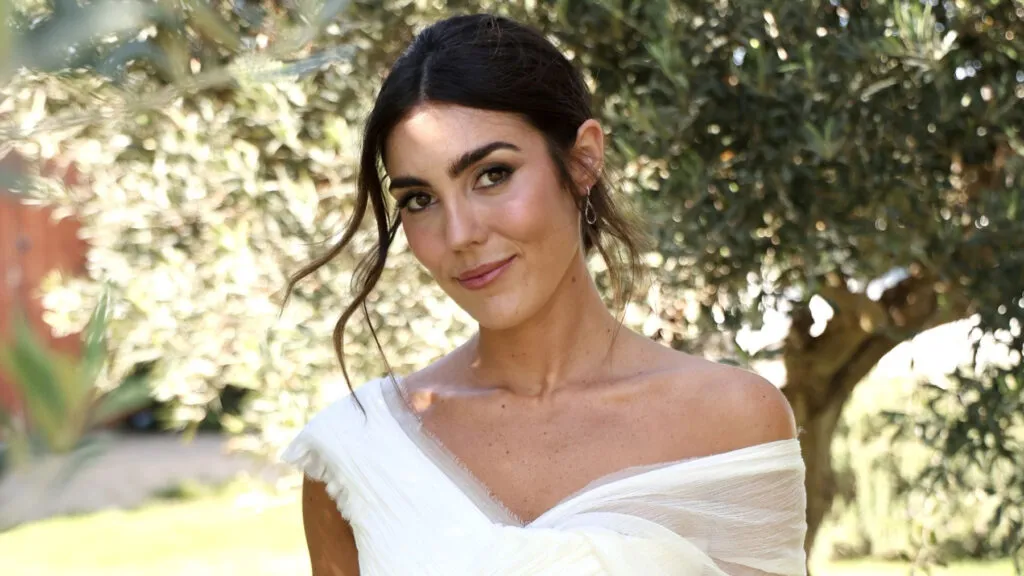
Silk bambula muslin, a hand-draped waist and a veil of crystal organza. The wedding was held in Cadiz, where the...

An industry that spent decades selling a flawless illusion is suddenly showing the shoot itself. That is not candour -...

The classic bob promised one perfect day. This version works against the salon business model - and that alone is...
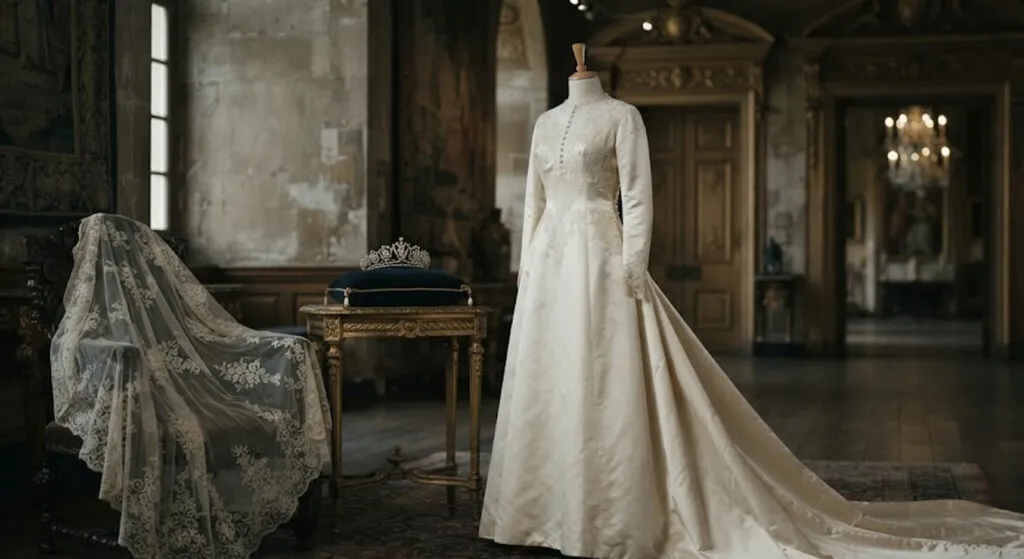
The crowns were held by four men who would all later sit on thrones of their own. Nobody in that...

Kate Middleton dropped the beige and the same cut suddenly looked twice as expensive. The industry sells a new silhouette...

A shade close to your natural one means the regrowth does not draw a line - and that you go...
This site uses cookies - is that okay? Learn more
Be the first to know when Metla launches something new
Leave your email and we will write when there is a new guide or something new on Metla.