

Kratovo man stabs police officer mid-intervention: prosecutors want the 40-year-old detained
15.09.2026


15.09.2026

15.09.2026

15.09.2026

15.09.2026

15.09.2026
15.09.2026

15.09.2026

14.09.2026

13.09.2026

15.09.2026

15.09.2026

14.09.2026

15.09.2026

15.09.2026

15.09.2026

15.09.2026

14.09.2026

13.09.2026

15.09.2026

15.09.2026

15.09.2026

15.09.2026

15.09.2026

14.09.2026

09.03.2026

27.02.2026

19.02.2026

15.09.2026

14.09.2026

14.09.2026

23.04.2026

23.04.2026

12.04.2026

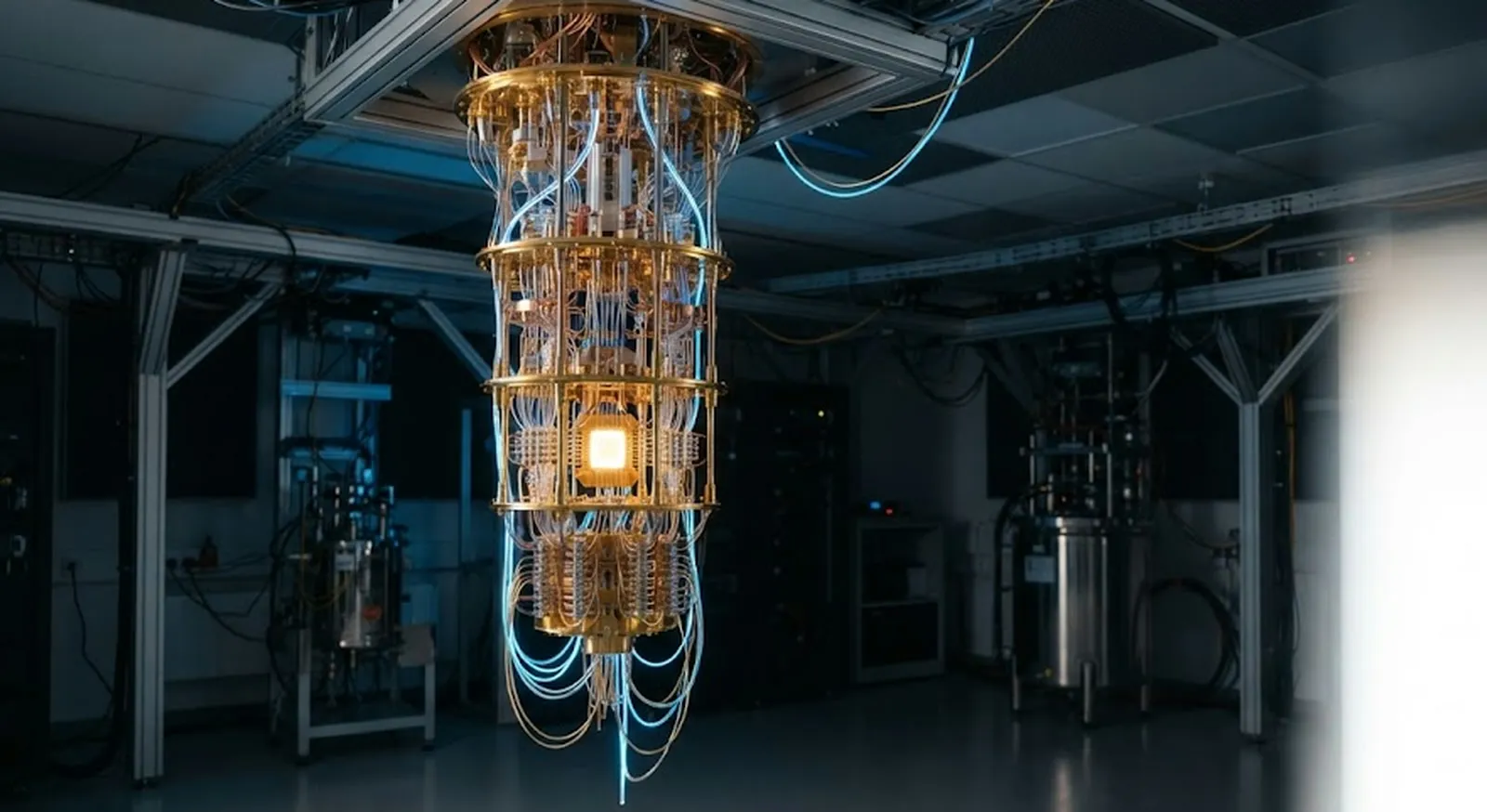
A startup of physicists from Caltech has raised 300 million dollars (about 275 million euros) to build a quantum computer - and with a promise that sounds too good to be true: instead of millions, it will need only 20,000 qubits.
The company Oratomic only entered the race this year, aiming to build the first quantum computer with practical, "utility" use by the end of the decade. The huge Series A round was led by ARCH Venture Partners, Spark Capital and Khosla Ventures, and among the investors is Jeff Bezos's fund, as well as Index Ventures and Bain Capital. When names like these line up on a single cheque, that in itself is a message to the market.
Oratomic's technical trick is lasers that act as "optical tweezers" - holding individual atoms in place and using them as the basis of computation. The key discovery, the founders say, is that their approach can correct errors with far fewer qubits than was thought possible. Since quantum computers are extremely sensitive to noise, error correction is precisely the difference between a scientific experiment and a real tool.
"Earlier you couldn't have convinced any of us to found a quantum computing company, because we thought it was too far off", admits CEO Dolev Bluvshtein. Honesty that counts for something - but also a reminder that the whole industry has for years promised a breakthrough that is forever "by the end of the decade". Three hundred million dollars buys a lot of research; whether it buys a working quantum computer, we'll see only when the first one actually solves a problem classical machines cannot.
The latest 10 news from this category
A scientist at the same company puts the probability of human extinction above 10 percent within the next decade. The...

The president called in while the event was running, and the man who makes the chips answered that there would...

No virus attached, no suspicious file. Just a box that looks like the "I am not a robot" check and...

A researcher quit because the firms are gambling with our lives. Instead of denying it, Anthropic confirmed it - with...

Write a sentence, get a game. Until now it worked only in New Zealand, now in Belgrade too. Creators on...

When the two biggest firms in an industry ask for rules on how fast anyone may run, the rules rarely...

Not a single password fell. What fell was the assumption that a request from a government domain is automatically a...
The biggest names in mathematics have signed a letter against the AI labs. The dispute is not whether the machine...

Five campaigns, 200 million exchanges, and the defences fell to a request for a Japanese translation. The industry that harvested...

The hackers were inside for a whole year. The company confirmed it only after a journalist found his own licence...
This site uses cookies - is that okay? Learn more
Be the first to know when Metla launches something new
Leave your email and we will write when there is a new guide or something new on Metla.
