
Six Years of Fake Licence Categories Issued From an Interior Ministry Desk: Six Charged, 21 More Under Investigation
21.09.2026


21.09.2026

21.09.2026

21.09.2026

21.09.2026

21.09.2026

21.09.2026

21.09.2026

20.09.2026
20.09.2026

21.09.2026

21.09.2026

20.09.2026
21.09.2026

21.09.2026

21.09.2026

21.09.2026

20.09.2026
19.09.2026

21.09.2026

21.09.2026
21.09.2026

21.09.2026

21.09.2026

21.09.2026

09.03.2026

27.02.2026

19.02.2026

21.09.2026

21.09.2026

20.09.2026

23.04.2026

23.04.2026

12.04.2026

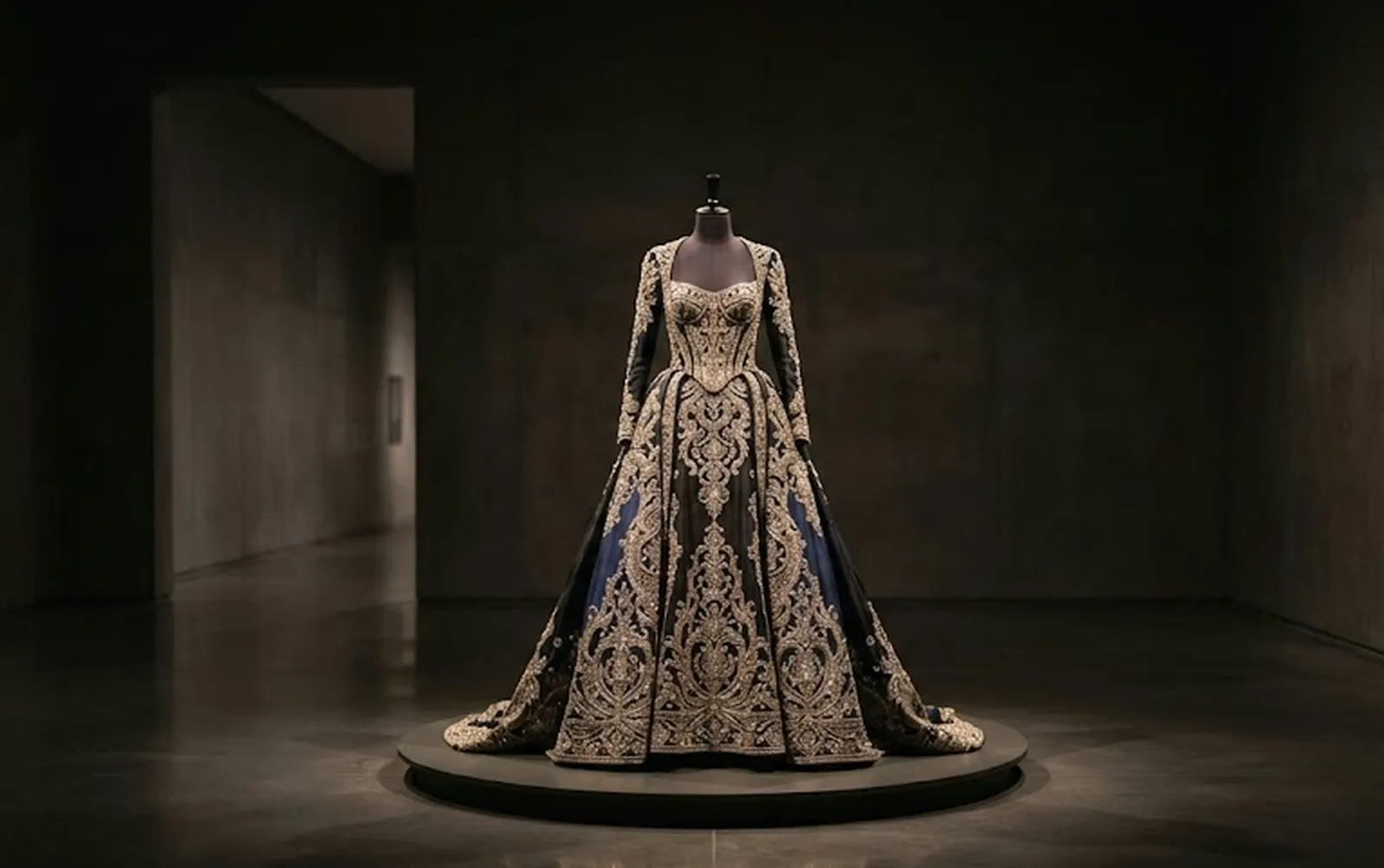
The Metropolitan Museum in New York has announced that its next major exhibition is devoted to John Galliano. That means the 2027 Met Gala - the most watched fashion event on the planet - will be built around a designer who was fired from Christian Dior in 2011 after being detained in Paris over antisemitic remarks. The exhibition does not run from that. It is the most interesting part of the whole story.
John Galliano: Horizons opens on 9 May 2027 and stays at the Costume Institute until January 2028. In the museum's entire history, only two living designers have had such a monographic retrospective - Yves Saint Laurent in 1983 and Rei Kawakubo in 2017. Galliano is the third. This is not the gesture of an institution that happened upon its next title.
The curator is Andrew Bolton, and the structure is not chronological. The show will present sketches, research notebooks, prototypes, haute couture pieces and previously unseen work - with the aim of explaining how Galliano assembled complete visual worlds out of unconnected historical, cultural and artistic references. That is exactly what made him matter: from his graduate collection at Central Saint Martins in 1984 it was clear that for him the runway was a stage, not a display case.
The path after that ran through Givenchy, then Christian Dior, where for over a decade he changed the identity of the French house. From that period came the Saddle Bag, which redefined the notion of contemporary luxury. He closed out at Maison Margiela, where the Artisanal collection for spring-summer 2024 was received as a masterpiece and became a visible internet phenomenon. A designer who returned to the top after fifteen years away with a single collection is a rarity in an industry that forgets within one season.
On the 2011 case, the museum sets no parentheses. Galliano later apologised publicly, acknowledged the weight of his words and explained that he was at the time deeply dependent on alcohol and other substances, after which he entered rehabilitation. Bolton says Horizons does not seek to separate creative talent from the consequences of behaviour, but to examine how memory, historical context and shifting social values also change how an author's work is read.
Anna Wintour, global chief content officer at Vogue, put it most directly: Galliano has "one of the most extraordinary bodies of work in contemporary fashion", but the exhibition will also address "the darkness of his past" as an inseparable part of the story.
This is where the test is real. The industry has a long practice of two extremes - total erasure or total forgetting. The banishment that never ends and the amnesia that starts next season. A major museum saying "this is all of it together, look and decide" is a third option, and it is harder than both. Whether the public accepts it is another question.
There is a commercial layer too. After his stint at Maison Margiela, Galliano began a two-year project with Zara - reinterpreting designs from the Spanish company's historical archive, an initiative led by Inditex under Marta Ortega. So the same man whose archive the Met is exhibiting is simultaneously working for the brand half the Balkans wears. That is not a scheduling coincidence, it is recognition that each lifts the other.
The gala dress code has not been announced yet, but it is not hard to guess what will happen on the red carpet: historical references, theatrical silhouettes, impossible volumes, romanticism and drama. It will almost certainly be the most watched edition of the event in a decade. The question that will remain after the last photograph is not a fashion question: who decides when a career is worthy of the biggest stage again - and by what criteria?
The latest 10 news from this category
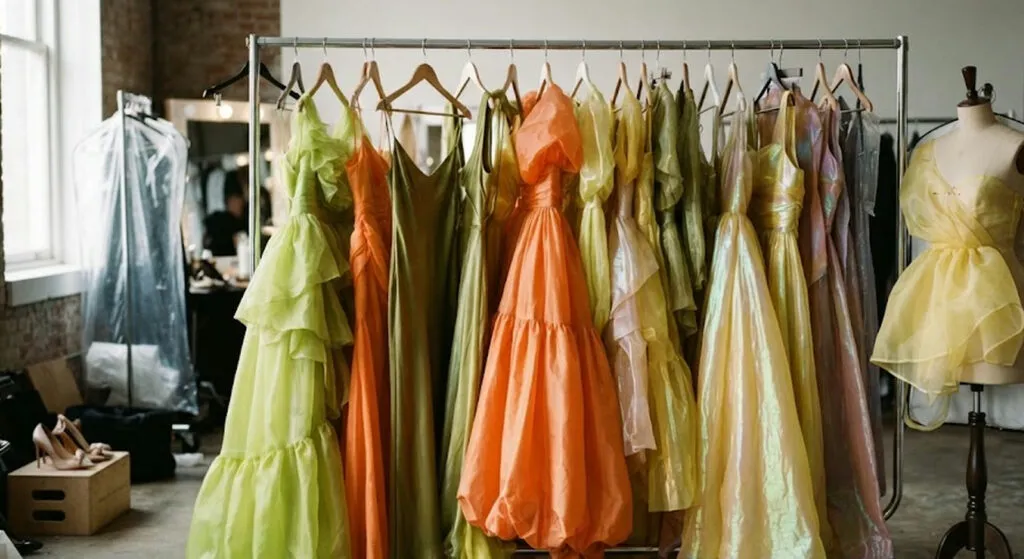
Three days in a lab coat with colorimetry scientists to produce a collection in lime and tangerine. The design director...

Cream concealer instead of powder, a brown pencil instead of black eyeliner, and a curler before the mascara. Not one...
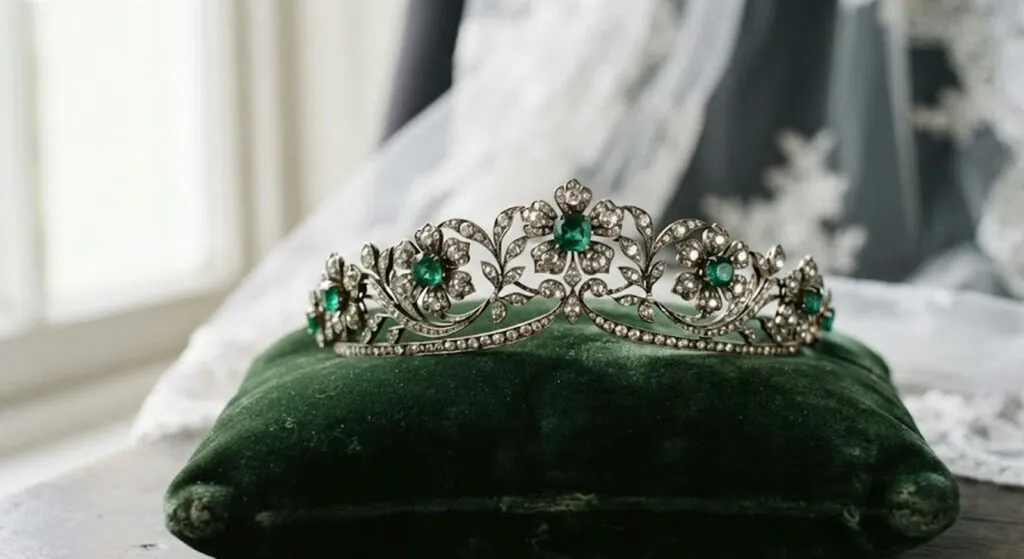
A boat-neck gown and wildflowers that deliberately refuse to compete with the jewellery. A fourth generation under the same diadem,...
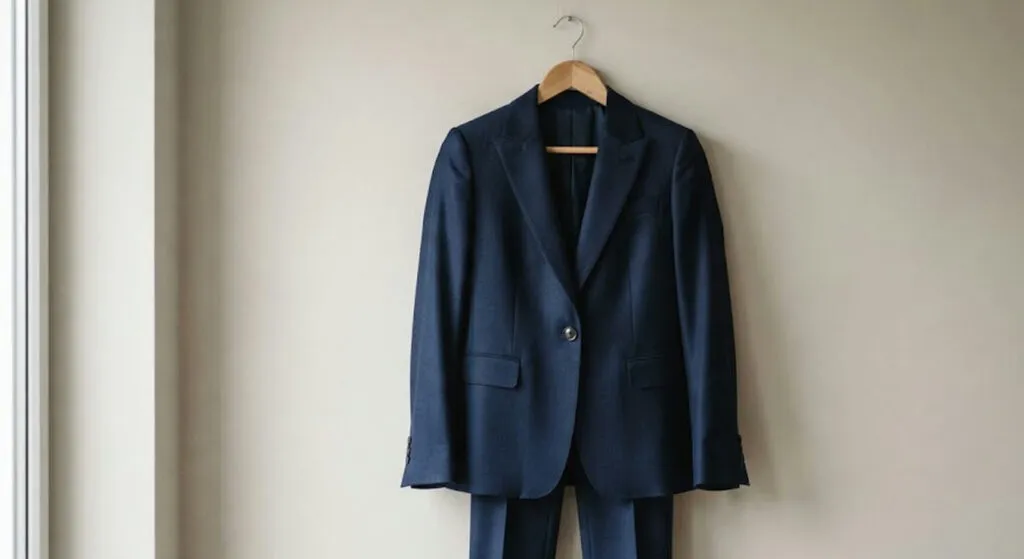
A communications expert says the trouser suit sidesteps sexist readings of hemlines and necklines. The same expert warns that the...

Dermatologists explain why the shedding arrives with a two to three month delay and why iron and vitamins do not...
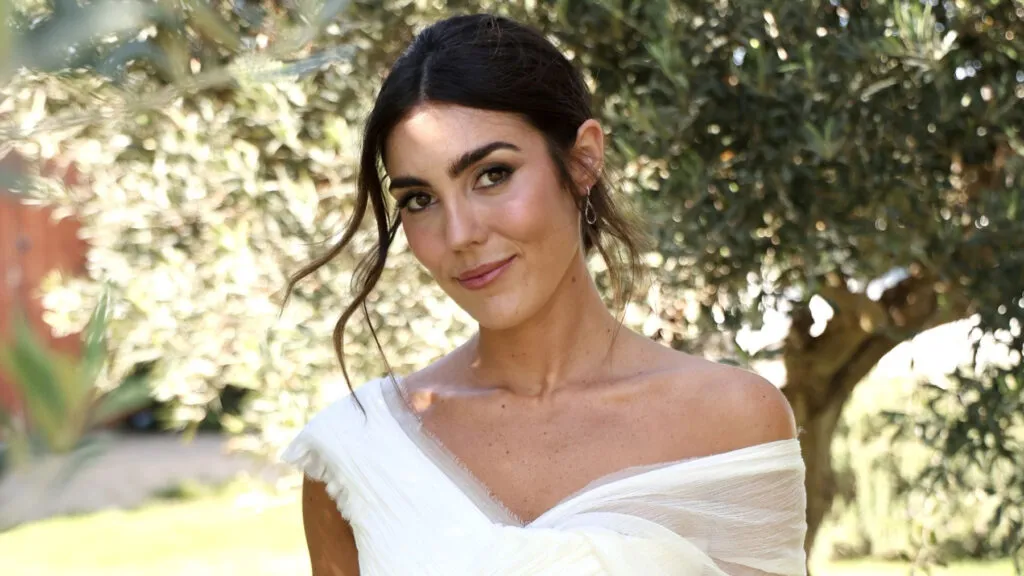
Silk bambula muslin, a hand-draped waist and a veil of crystal organza. The wedding was held in Cadiz, where the...
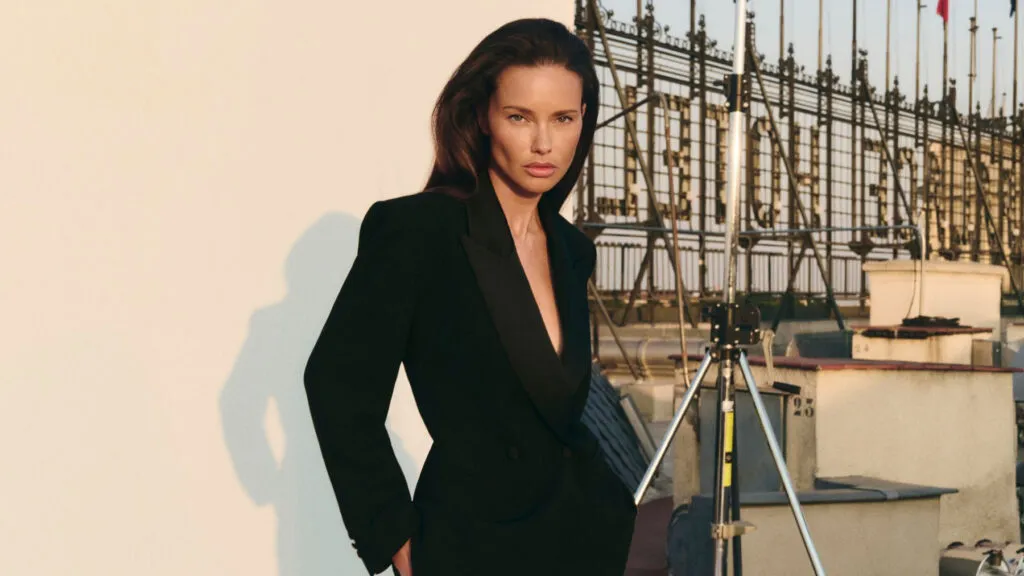
An industry that spent decades selling a flawless illusion is suddenly showing the shoot itself. That is not candour -...

The classic bob promised one perfect day. This version works against the salon business model - and that alone is...
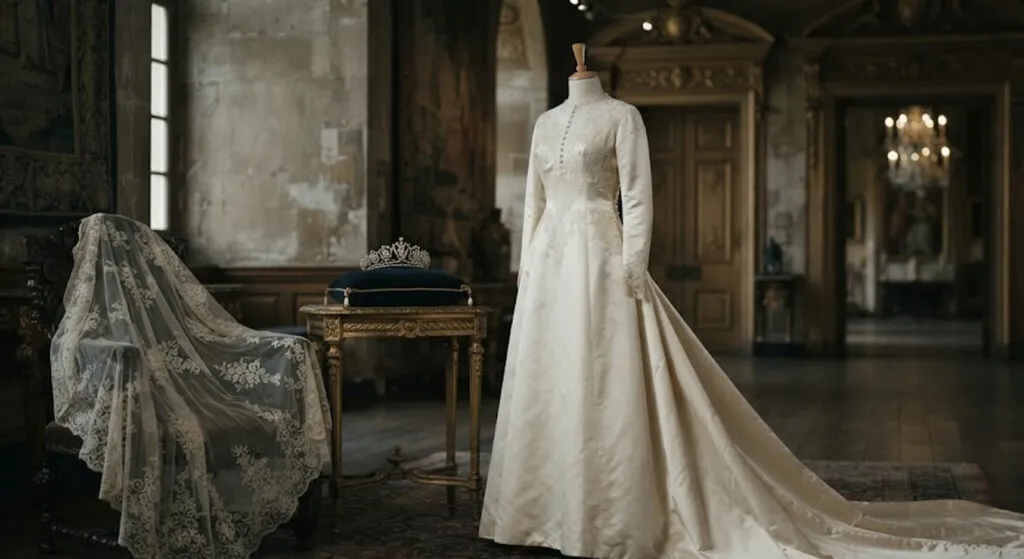
The crowns were held by four men who would all later sit on thrones of their own. Nobody in that...
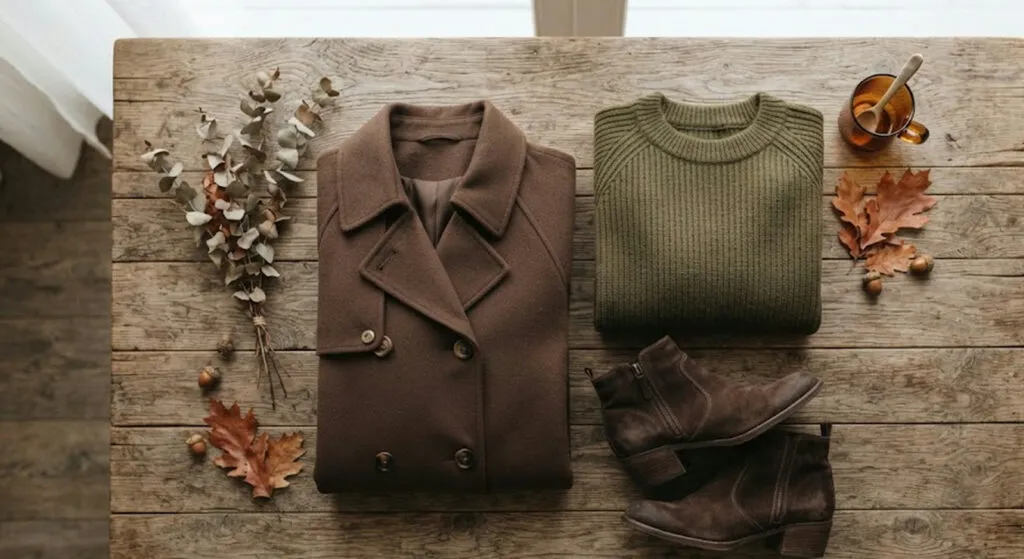
Kate Middleton dropped the beige and the same cut suddenly looked twice as expensive. The industry sells a new silhouette...
This site uses cookies - is that okay? Learn more
Be the first to know when Metla launches something new
Leave your email and we will write when there is a new guide or something new on Metla.