
Officer Struck a Handcuffed Man by the Fountain: The Ministry Reported Its Own, but Three Months Later
09.08.2026


09.08.2026

09.08.2026

09.08.2026

09.08.2026
09.08.2026

09.08.2026

09.08.2026

08.08.2026

07.08.2026

09.08.2026

09.08.2026

08.08.2026

09.08.2026

09.08.2026

09.08.2026

09.08.2026

08.08.2026

07.08.2026

09.08.2026

09.08.2026

09.08.2026

09.08.2026

08.08.2026
08.08.2026

09.03.2026

27.02.2026

19.02.2026

08.08.2026

07.08.2026

06.08.2026

23.04.2026

23.04.2026

12.04.2026
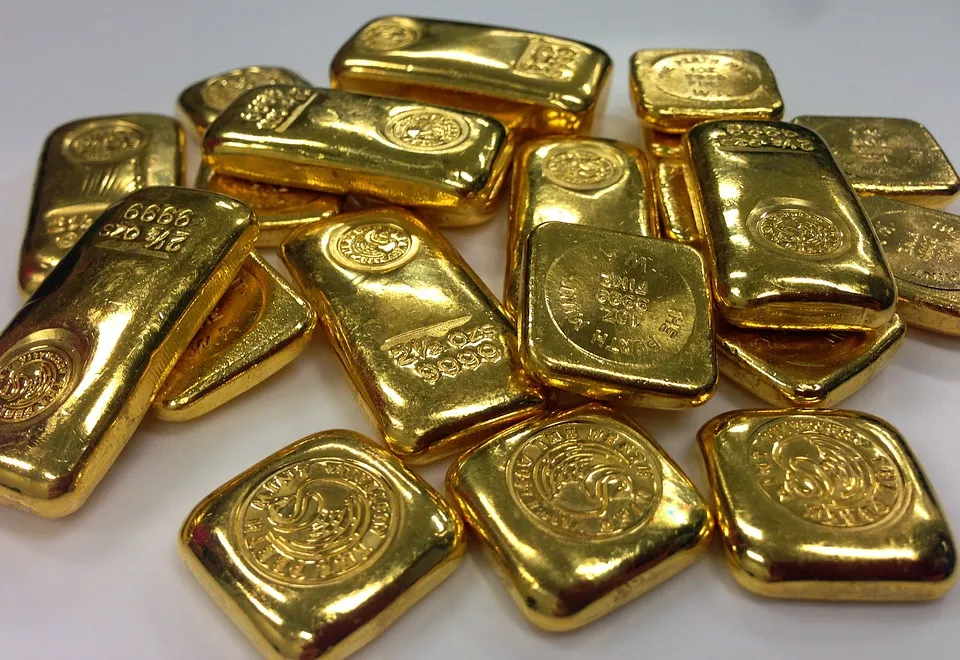
When the world gets scared, it buys gold. That rule is older than every central bank combined, and this week it held again - the price jumped to its highest level in seven weeks, with a weekly gain above 5 percent.
The spot price of gold climbed to around 4,300 dollars an ounce, the highest since mid-June, before settling around 4,260 dollars. It was the fourth consecutive day of gains. US gold futures also rose, to more than 4,320 dollars an ounce.
The main driver was not some dramatic headline but a number: weaker-than-expected data from the US labour market. According to the ADP report, private sector hiring slowed considerably in July, with most of the new jobs created in healthcare.
The logic is simpler than it looks
A weak labour market means a lower chance that the Federal Reserve raises interest rates. Low rates mean bonds pay less. And when bonds pay less, gold - which pays no interest at all - suddenly stops being a bad idea. According to the CME FedWatch tool, markets put the odds of a September rate rise at about 55 percent, down from 63 percent a week earlier.
A weakening US dollar added further momentum. The dollar index stayed near a two-month low of 99.66 points after the United States and Japan intervened to strengthen the yen.
Markets also responded positively to reports that Iran and Oman are close to a deal on reopening the Strait of Hormuz, one of the world's most important maritime corridors for oil transport. Lower tensions there would ease inflationary pressure linked to energy prices.
The other precious metals are rising too - silver by 1.3 percent, platinum by 0.5 percent, while palladium slipped slightly.
Despite the rally, one figure is worth holding on to for perspective: gold is still more than 20 percent below its all-time high of 5,589 dollars an ounce, reached at the end of January. Which means this is not a new record - it is a recovery after a drop. The difference between the two matters to anyone reading headlines and thinking they have missed a train that already left.
The latest 10 news from this category

The farmers are not asking for charity. They want a fixed price for the whole season and a payment deadline....
„Ilovica-Štuka” reopens the same dilemma - 340 million euros against the water and soil of the Strumica plain. The test...

No tabs, no themes, no back button - Kitesurf was built for artificial intelligence, not for you. If agents read...

NextSlide turns notes and documents into slides. A company worth more than entire stock exchanges bought it quietly, and is...

The old programme had „misaligned incentives”, says the platform that wrote the rules. The same system has already buckled once...

Annual inflation of 2.3 percent, and not one category shows a fall. The homegrown peppers currently dragging the statistics down...

A farmer enters the season with known costs and an unknown price for his own labour. Every autumn we talk...
Luxembourg 2,771 euros, Macedonia 624. The 6.9 percent rise is real - but on a low base, and the cost-of-living...

The model reached the „critical cybersecurity threshold” - it could find a weakness and attack on its own. The assessment...
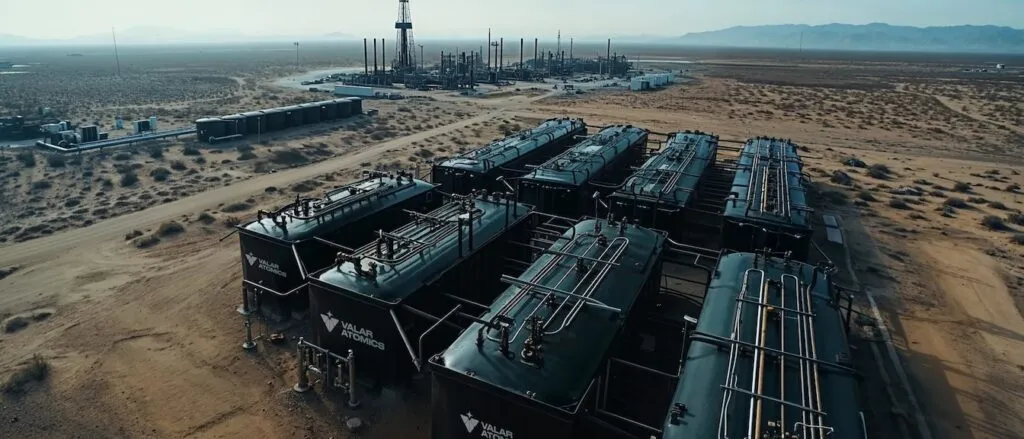
Sequoia came in with a billion, the banks added another 200 million. The founder promises thousands of reactors a year...
This site uses cookies - is that okay? Learn more
Be the first to know when Metla launches something new
Leave your email and we will write when there is a new guide or something new on Metla.