A cocked pistol on the road near Krushopek: the line between a police bulletin and a funeral was held by somebody else's nerve
07.08.2026


07.08.2026
07.08.2026
07.08.2026
07.08.2026
07.08.2026
07.08.2026
07.08.2026
06.08.2026
06.08.2026
07.08.2026
07.08.2026
06.08.2026

07.08.2026

07.08.2026
07.08.2026

07.08.2026
06.08.2026
05.08.2026
07.08.2026

07.08.2026
07.08.2026
07.08.2026
07.08.2026

07.08.2026

09.03.2026

27.02.2026

19.02.2026
07.08.2026
06.08.2026
05.08.2026

23.04.2026

23.04.2026

12.04.2026
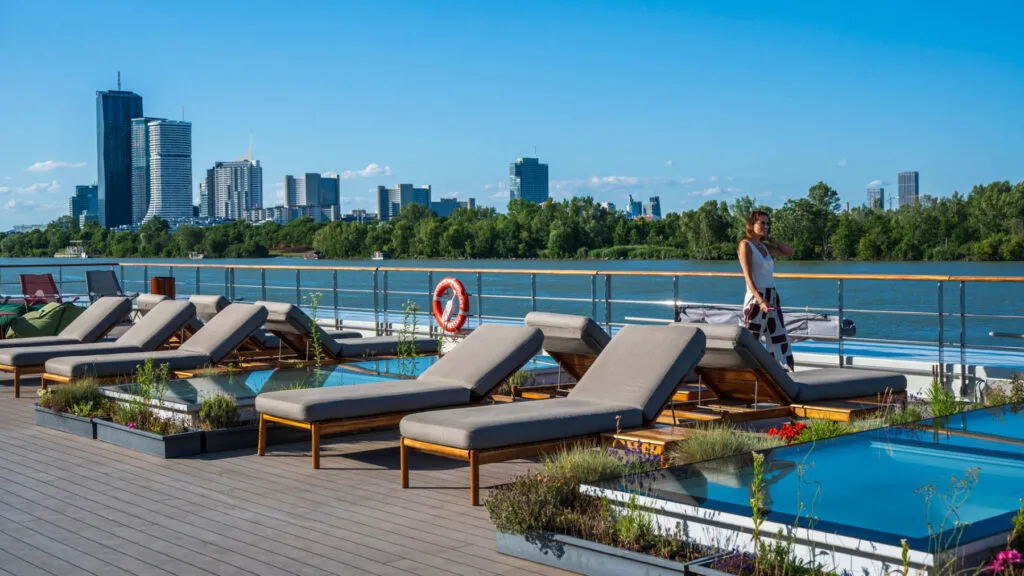
Strauss lied. The Danube isn't blue - it's an earthy green, and anyone who looks at it from a deck rather than from a sheet of music can see that. But that takes nothing away from it. This river is Central Europe's first real motorway: 2,858 kilometres from its source in the Black Forest to its mouth on the Black Sea, along which Romans, Goths, Suebi and Magyars settled over the centuries.
A river cruise is something else entirely from an ocean one. There's no horizon of endless water, no casino, no eight thousand passengers and a spectacle at nine o'clock. The boat stops in the old town centre, not at some cargo port twenty kilometres from everything. Every morning you wake up literally in the heart of a different city.
Vienna, where all of it begins
The Habsburgs built here for six and a half centuries and it shows. A few minutes by bus from the dock is the Belvedere complex - two palaces commissioned by Prince Eugene of Savoy, the empire's most celebrated commander. After his death Empress Maria Theresa bought it and turned it into one of the first public museums in the world. Today the collection spans nine centuries of art, but almost everyone climbs to the main floor for one canvas: Gustav Klimt's "The Kiss", completed in 1908.
The Hofburg is another story - nearly 300,000 square metres, 18 halls and 2,600 rooms. Under the green dome of the St Michael's wing is the Sisi Museum, which works hard to separate the real woman from the cinematic myth. Empress Elisabeth was withdrawn and melancholic, spending hours in her own gymnasium, obsessed with her figure. That's a more interesting person than the one with the little wings from the films.
St Stephen's Cathedral - Steffl, as the Viennese call it - crowns the old town with a south tower of over 136 metres and a roof of glazed tiles. Anyone who walks around the apse will come across a figure of a suffering Christ that the locals christened "the God of Toothache". The story goes that three students mocked the expression on his face and were seized that same instant by a toothache that only passed once they'd asked forgiveness.
The bend in the Danube
Below Vienna the river makes its most beautiful stretch. Where it turns sharply south, the hills close in over the water and the stops begin that make the journey worth taking slowly at all.
The first is Esztergom, some fifty kilometres from Budapest. On that hill, somewhere around 972, Prince Géza founded the capital of the new kingdom, and here around the year 1000 his son Stephen was born and crowned - the first Christian king of Hungary. After the Mongol invasion of 1241 the court moved to Buda, and the town then spent a century and a half under Ottoman rule. Every destruction and every restoration left its own layer.
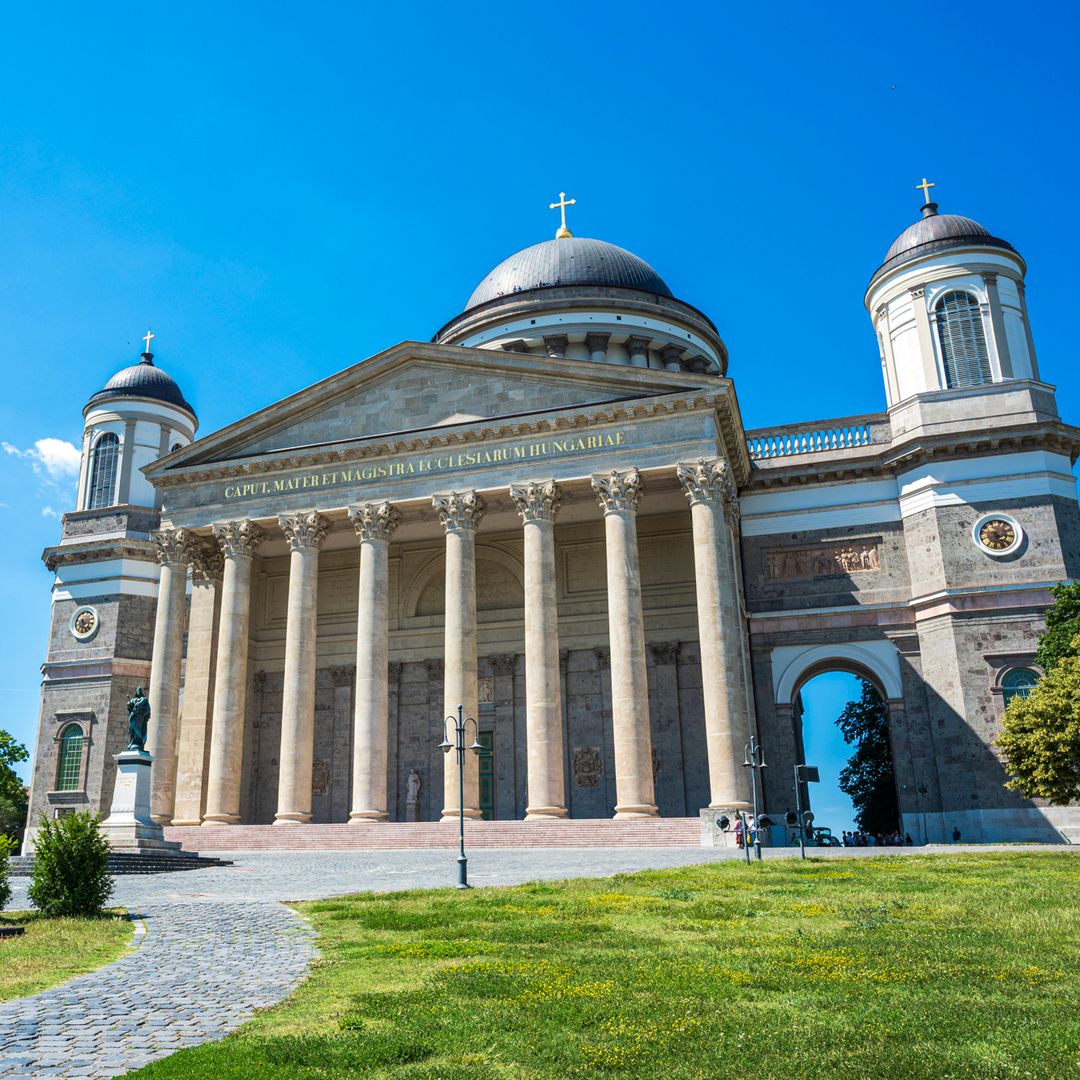
From that period the colossal basilica remains - the largest church in the country, with one of the tallest domes in Europe, built between 1822 and 1869. Inside hangs the largest canvas on the continent, the work of the Italian Michelangelo Grigoletti, and from the terrace you can see the whole bend of the river and the "Mária Valéria" bridge, destroyed in 1944 and only rebuilt in 2001. Today you can walk across it into Slovakia.
A few kilometres downstream, the Visegrád fortress rises above a meander in the river. King Béla IV built it after the Mongol invasion, and from 1323 it became the residence of King Charles I. Hungary's Holy Crown was kept within those walls for a long time - until in 1440 a lady of the court smuggled it out and took it to Vienna.
Budapest, which is actually two cities
On the Buda bank, on the castle hill, stand the Matthias Church and the Fisherman's Bastion, whose seven towers recall the seven Magyar tribes. Opposite them, on the flat of Pest, spreads a city that only took shape in 1873, when Buda, Pest and Óbuda merged into one.
The Chain Bridge, opened in 1849, was the first permanent crossing between the two banks. Right by Parliament, 60 pairs of iron shoes cast by the sculptor Gyula Pauer commemorate the people shot beside the river in the Second World War. A sculpture without a single word of explanation - and better than any monument with an inscription.
The Széchenyi baths, opened in 1913 and fed by springs rising from over 1,200 metres down, give the city its most familiar image: people playing chess in hot water. The Jewish quarter, witness to the darkest years, today lives through the so-called ruin bars, opened in half-collapsed buildings.
Sisi is everywhere here too. Crowned Queen of Hungary on 8 June 1867 in the Matthias Church, she wrote: "In Hungary I feel free among a noble and proud people who do not bend easily." The bridge bearing her name and the cakes at Ruszwurm, the city's oldest café, still stand as proof of that bond.
When and how long
The Danube sailing season runs from late March to December. Late May, June and September bring the longest daylight and the mildest weather, but also the most people. In December there are cruises aimed at the Christmas markets in Vienna and Budapest. Trips run from three to fourteen nights, with a ten percent discount for booking early.
One warning that saves aggravation: Hungary doesn't work in euros, but in forints. And one more thing - Vienna or Budapest is a few hours from Skopje, which makes this one of the few trips on this list that doesn't require a long flight. The river isn't blue. But after the third day that stops mattering.
The latest 10 news from this category
Everyone leaves early to beat the queue. The forecast says that is exactly when the queue is longest - and...
The town from One Hundred Years of Solitude does not exist. The landscape it was born from does, and it...
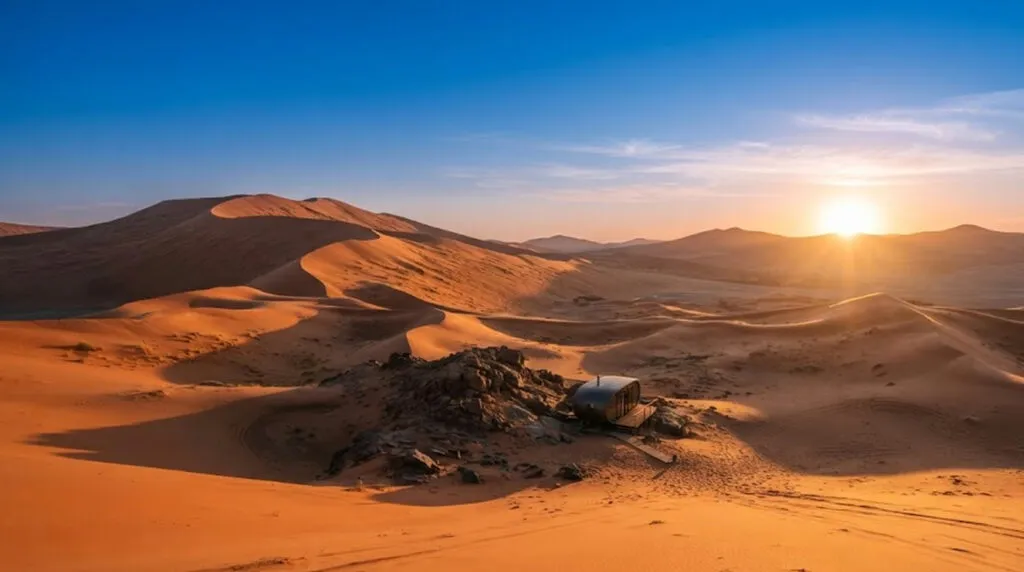
An oval structure of steel and glass on a rock in the Namib, with a telescope and a pool. The...
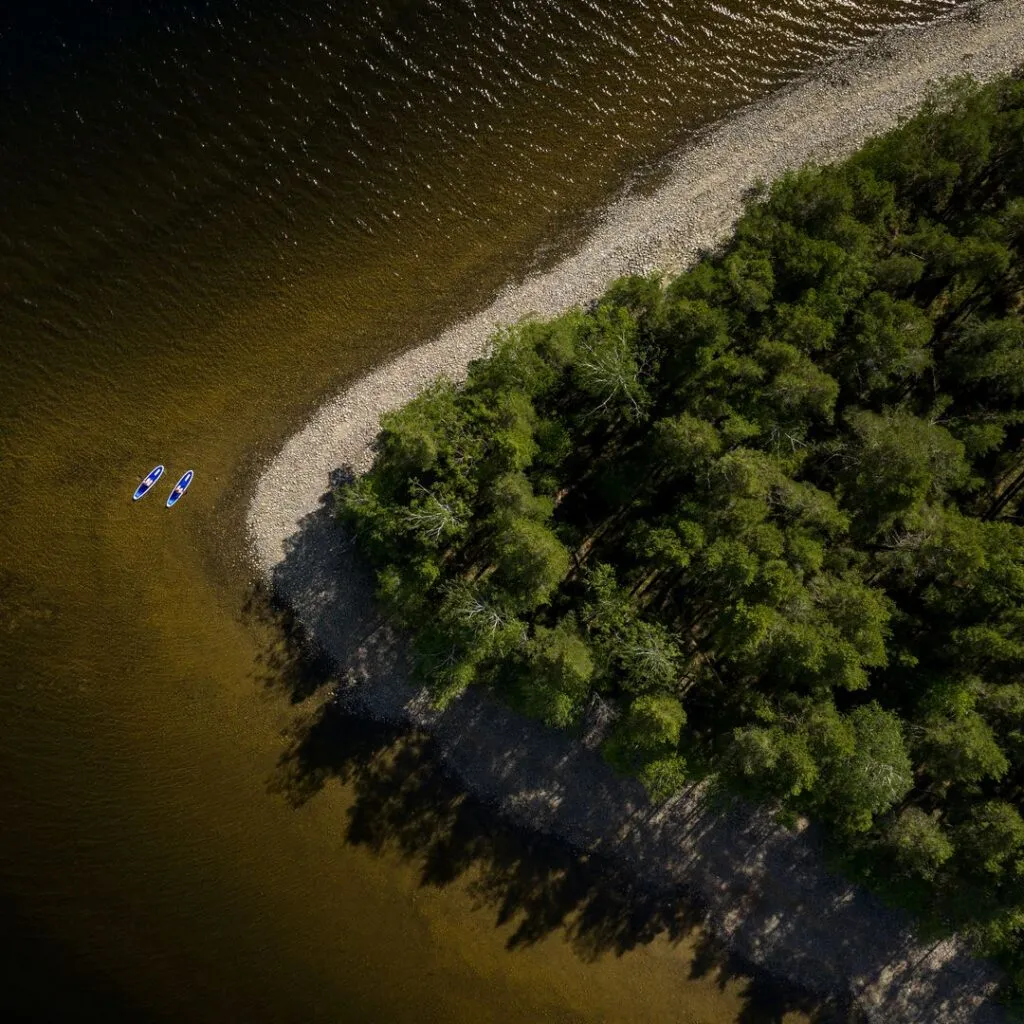
The ritual is wake, lake, forest, sauna, lake, sleep. Not one step requires a booking - and that is precisely...
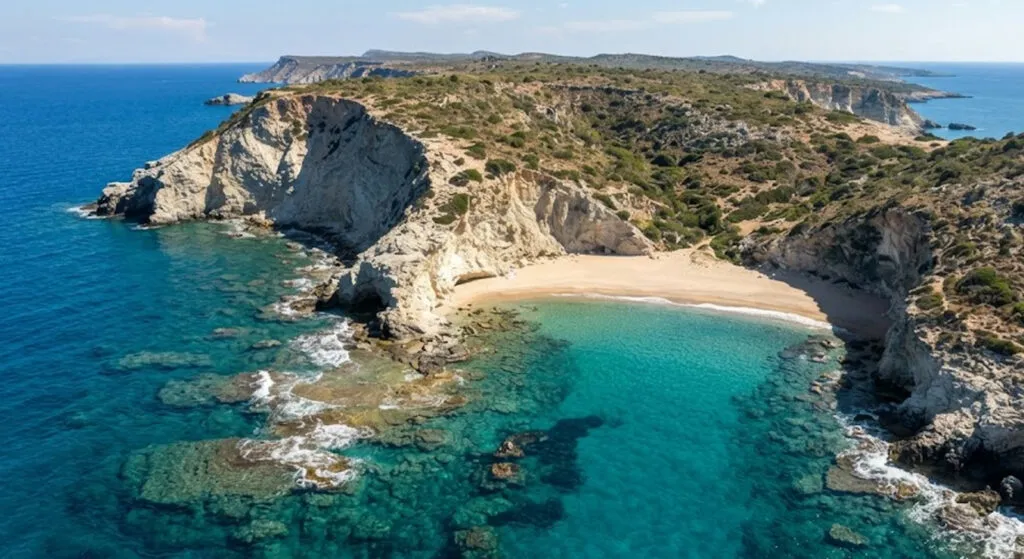
Black sand thrown up by volcanoes, a spring that kept pirates hiding here for centuries, and cliffs covered in fossils....
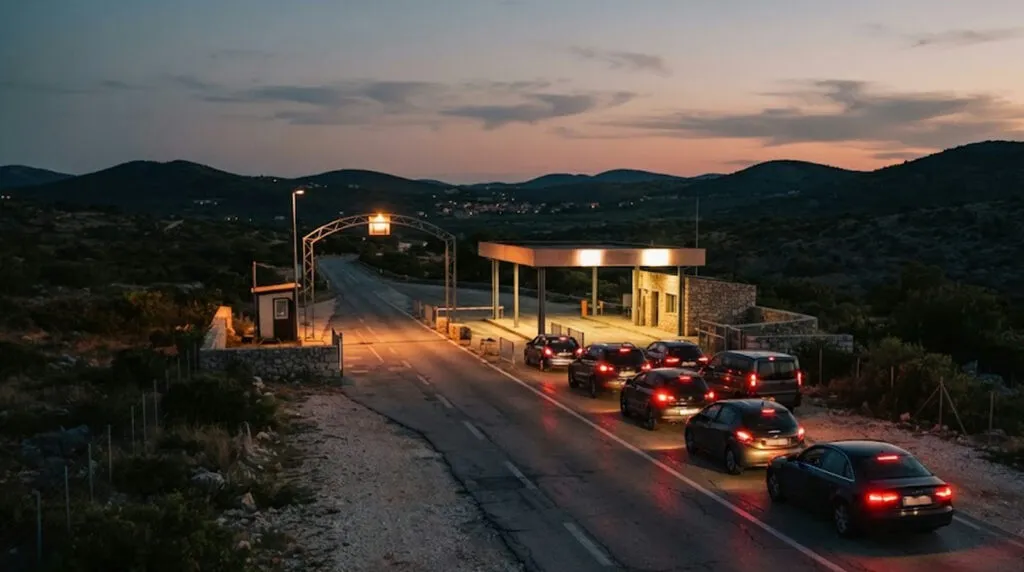
Bogorodica and Star Dojran are queued up, Medzitlija is moving. What the cameras show, when the jams hit, and what...
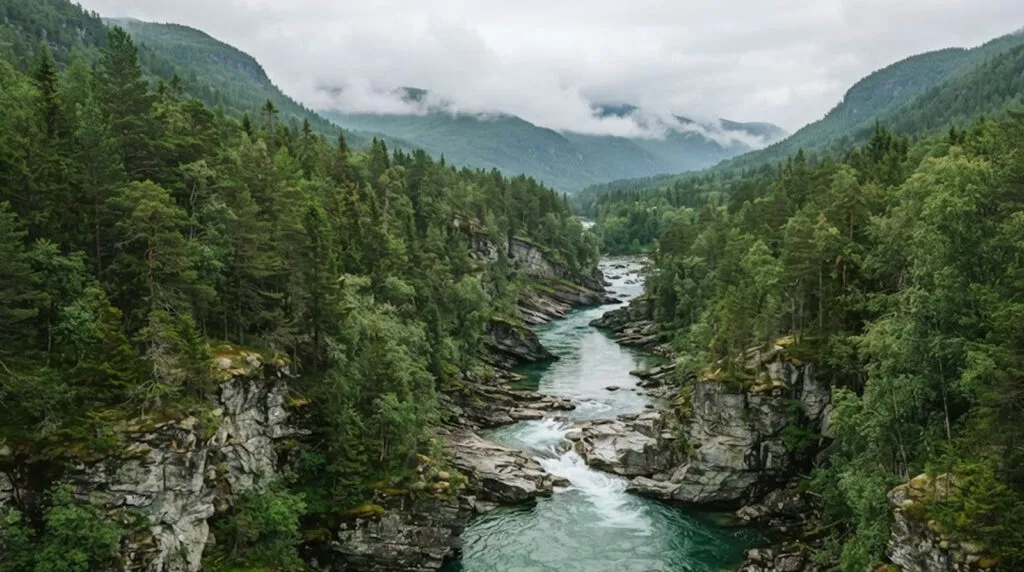
While some queue in traffic at 38 degrees, Europe has places where the August maximum is 13. Eight addresses that...
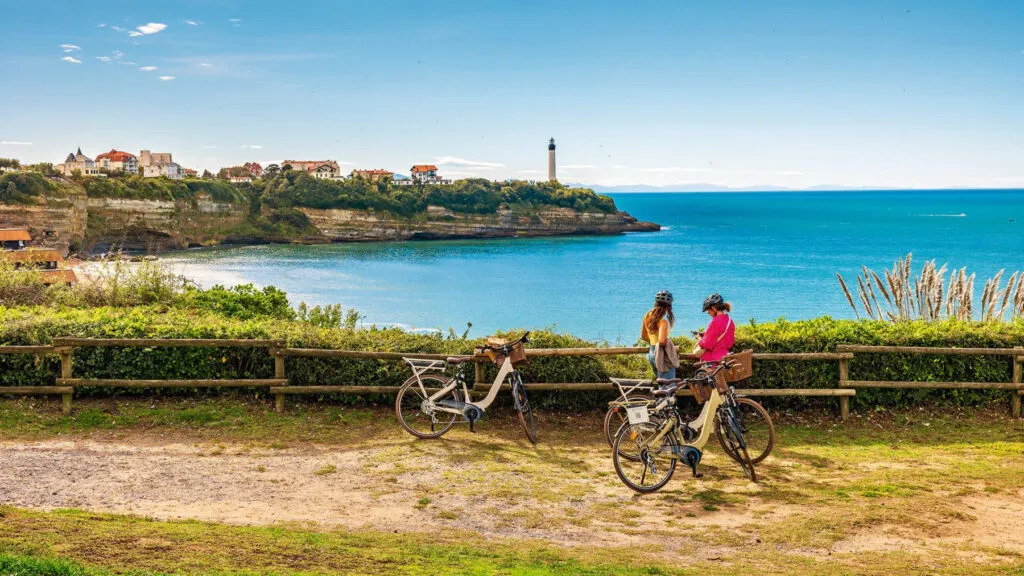
They call it the French California and that isn't an agency line. Four and a half kilometres of boardwalk, eleven...
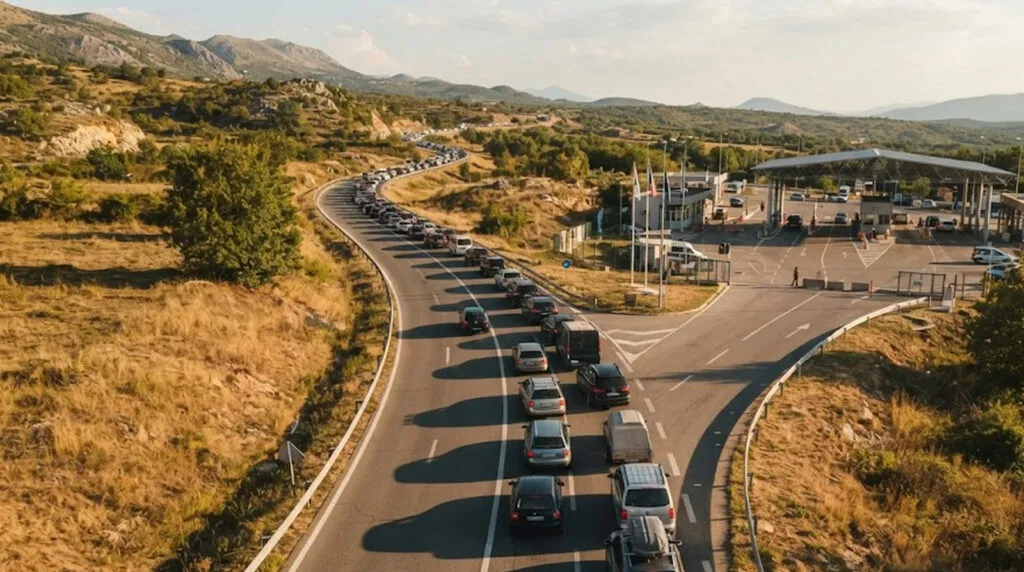
The state of all three Greek border crossings live, with waiting times, a seven-day forecast and reports from drivers.
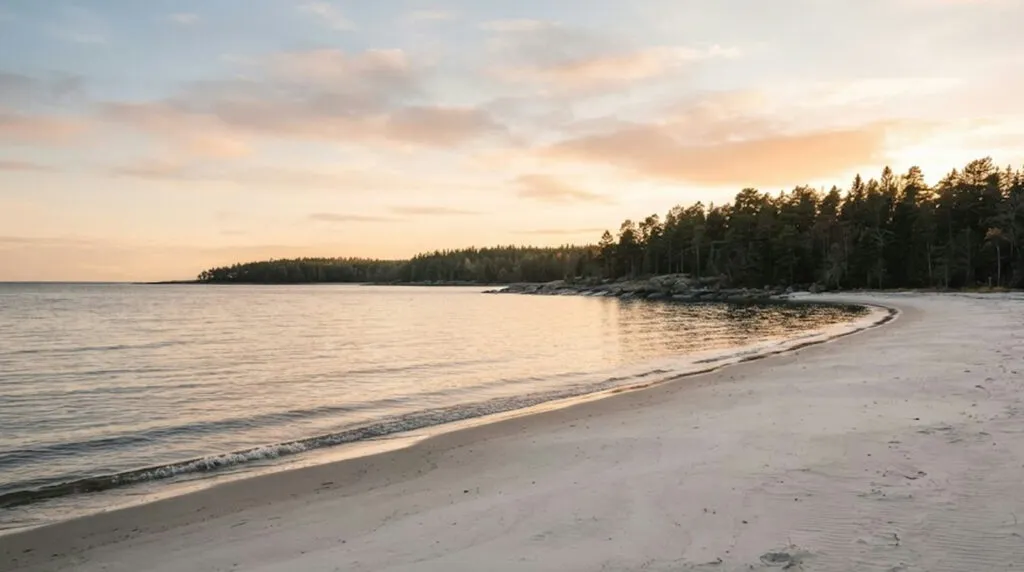
Six days by car from Tallinn to Parnu, a ferry to the islands, a canoe hollowed out of a single...
This site uses cookies - is that okay? Learn more
Be the first to know when Metla launches something new
Leave your email and we will write when there is a new guide or something new on Metla.