
A Fire Truck Burned Down Near Struga: Two Firefighters in Hospital, and the Season Has Barely Started
08.08.2026


08.08.2026

08.08.2026

08.08.2026

08.08.2026

08.08.2026
08.08.2026

08.08.2026

07.08.2026

06.08.2026

08.08.2026

08.08.2026

07.08.2026

08.08.2026

08.08.2026

08.08.2026

08.08.2026

07.08.2026

06.08.2026

08.08.2026

08.08.2026

08.08.2026

08.08.2026

08.08.2026

07.08.2026

09.03.2026

27.02.2026

19.02.2026

08.08.2026

07.08.2026

06.08.2026

23.04.2026

23.04.2026

12.04.2026

Inflation in July stands at 2.3 percent year-on-year and 0.1 percent compared with June. The Ministry of Economy and Labour is categorical: there is no need for new measures.
„At this moment, official indicators do not point to a need to introduce new intervention measures, since price movements are stable, and in the most significant category - food - a decrease in prices has been recorded for the second month running,” the ministry says.
That is true. And it is not the whole picture.
According to the State Statistical Office, in the annual calculation not a single category shows a decrease. The biggest rise is in alcoholic drinks, tobacco and narcotics - 9.5 percent. Then recreation and sport services at 5.7 percent, and hospitality at 4.4 percent. The smallest annual rise, 1.1 percent, was recorded in transport.
At the monthly level the picture is different. Food and non-alcoholic drinks got cheaper by 1.1 percent, and retail agricultural products by 3.1 percent. The biggest monthly rise is in transport - 4.4 percent, because of fuel.
So what actually happened? Food got cheaper because it is August and the markets are full of homegrown fruit and vegetables. That is the season, not policy. And the ministry knows it - in the same statement it admits that the increase in costs in July „mainly stems from seasonal movements”.
If the season is the explanation when prices rise, why is it not the explanation when they fall? The homegrown peppers and tomatoes now dragging the statistics down will not be there in November.
Finance Minister Gordana Dimitrieska-Kochoska called the drop in inflation an encouraging signal, confirmed by growth in exports, industrial output and employment. The prime minister, for his part, stressed that purchasing power in Macedonia is higher than in many European countries and than in countries across the region.
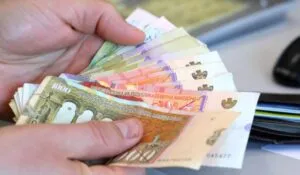
That is a claim worth comparing with another figure published the same week: the minimum gross wage in Macedonia is 624 euros, behind Serbia and Montenegro. Purchasing power measured by parity is one discussion. What is left in the wallet at the end of the month is another - and households run that second one, not press releases.
Market inspectors are out in the field, the ministry promises, and will react promptly to any new unjustified price shocks. The promise is standard. The question is whether anybody will check it in November, when the seasonal effect disappears and the statistics start telling a different story.
The latest 10 news from this category

A farmer enters the season with known costs and an unknown price for his own labour. Every autumn we talk...
Luxembourg 2,771 euros, Macedonia 624. The 6.9 percent rise is real - but on a low base, and the cost-of-living...

The model reached the „critical cybersecurity threshold” - it could find a weakness and attack on its own. The assessment...
Sequoia came in with a billion, the banks added another 200 million. The founder promises thousands of reactors a year...
Two researchers got into over 300 government sites without a password. The flaws were easy to exploit, and some vendors...
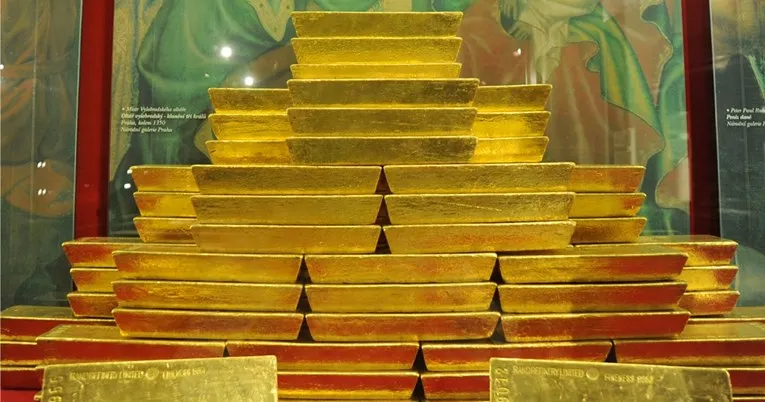
A seven-week high, a fourth day of gains. The reason isn't gold - the American labour market is slipping, and...

The reservoirs are 70 percent full, the system holds 500 gigawatt hours. The prime minister says he's making a ten-year...

Purchase prices are 20 percent lower than last year, and these same people spent this season saving the crop from...

Not a single accepted or rejected correction in three months, and millions of people are still reading it every month....

Nine million square metres of production space for chips to power robots and orbital data centres. The day before the...
This site uses cookies - is that okay? Learn more
Be the first to know when Metla launches something new
Leave your email and we will write when there is a new guide or something new on Metla.