Officer Struck a Handcuffed Man by the Fountain: The Ministry Reported Its Own, but Three Months Later
09.08.2026


09.08.2026

09.08.2026

09.08.2026

09.08.2026
09.08.2026

09.08.2026

09.08.2026

08.08.2026

07.08.2026

09.08.2026
09.08.2026

08.08.2026
09.08.2026
09.08.2026
09.08.2026

09.08.2026

08.08.2026

07.08.2026

09.08.2026

09.08.2026
09.08.2026

09.08.2026
08.08.2026
08.08.2026

09.03.2026

27.02.2026

19.02.2026

08.08.2026

07.08.2026

06.08.2026

23.04.2026

23.04.2026

12.04.2026
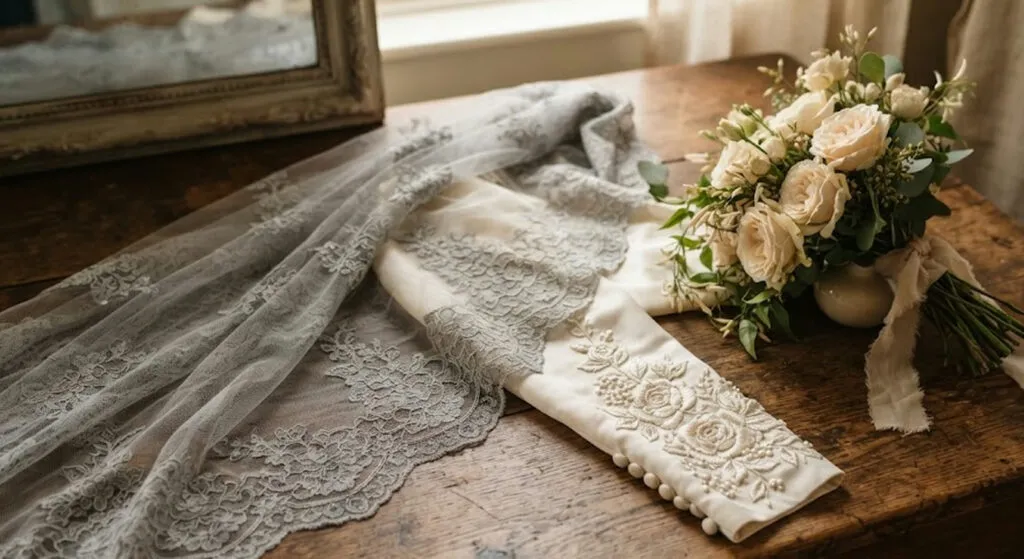
There is one fact that explains Spanish weddings of the second half of the twentieth century better than any analysis: the biggest folk singer of that generation married in grey lace. Not white. Grey.
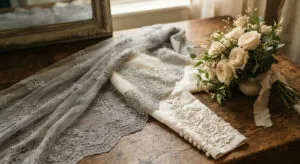
Lola Flores and Antonio González „El Pescaílla” married on 27 October 1957 at the El Escorial monastery. The dress was midi, in grey lace, with a mantilla in the same fabric, signed by Asunción Bastida. In 1950s Catholic Spain, that was not an aesthetic decision but a statement.
The contrast is visible immediately at the next wedding. Carmen Sevilla and Augusto Algueró, 23 February 1961, the El Pilar basilica in Zaragoza, a dress by Pertegaz: boat neckline, French sleeves, gloves, an enormous satin and tulle train, a tiara with diamonds and sapphires. Textbook classic.
Marisol and Carlos Goyanes, 16 May 1969, returned to a gentler line - organza with raised flowers, bell sleeves, a closed neckline and buttoned gloves, and instead of a veil the Majorcan rebosillo. Three years later, Natalia Figueroa and Raphael married in Venice, in the church of San Zaccaria, in a dress of white piqué with full polka dots and four ruffles - flamenco reduced to a minimum, with a bouquet of yellow roses.
The most famous of them all remains Rocío Jurado. On 21 May 1976 in Chipiona, with Pedro Carrasco, she appeared in a mermaid silhouette with hand-embroidered roses on the cuffs and two large ruffles at the hem. Almost twenty years later, on 17 February 1995, with José Ortega Cano, she changed outfits four times in one day - the ceremonial one was a straight silhouette in wild silk and French lace, with a champagne-toned organza cape and a Goya-style hairnet. One wedding was simplicity, the other was staging.
Between the two sits the wedding that beat them all on numbers. Isabel Pantoja and Paquirri, 30 April 1983 in Seville: white satin with double tulle, boat neckline, a seven-metre train and 1,200 guests. The dress was signed by Lina, and the tiara is still cited today.
What all these weddings have in common is not the extravagance. It is that each was read as a message at the moment it happened - who with whom, in which church, in how many metres of fabric. Macedonian weddings run on the same logic today: somebody will count every detail. The only difference is that back then the counting was done by magazines, and now it is done by anyone with a phone.
The latest 10 news from this category
While other European courts fill front pages with luxury houses, the Spanish court is deliberately going the opposite way. The...
Mixing sunscreen into bronzer or foundation looks like a hack, and in fact cancels out two things at once. The...
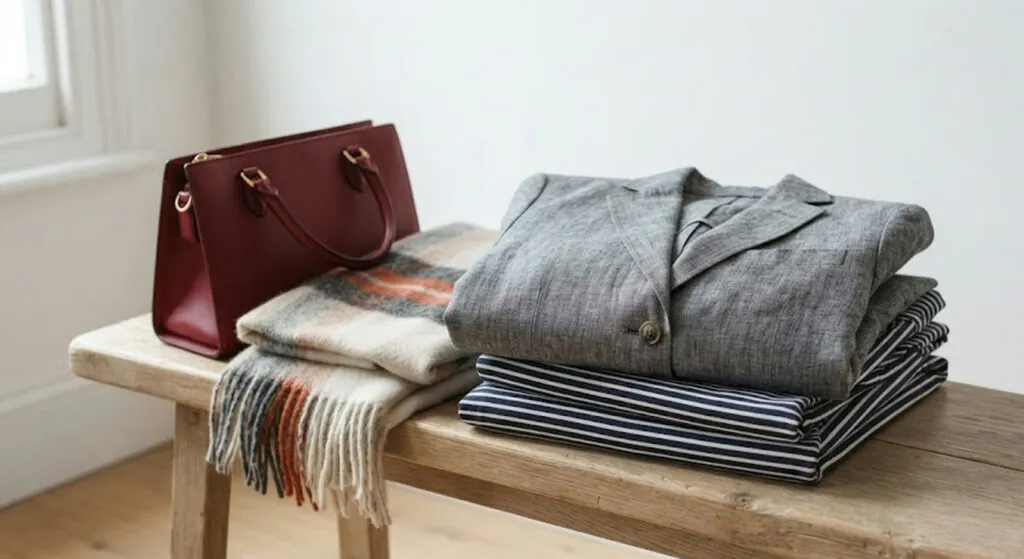
Grey takes over the role of the neutral, and fringing is back via scarves tied around the waist. The question...

The list dermatologists recommend alongside the cream is free and sits in every market. Nothing on it costs forty euros.
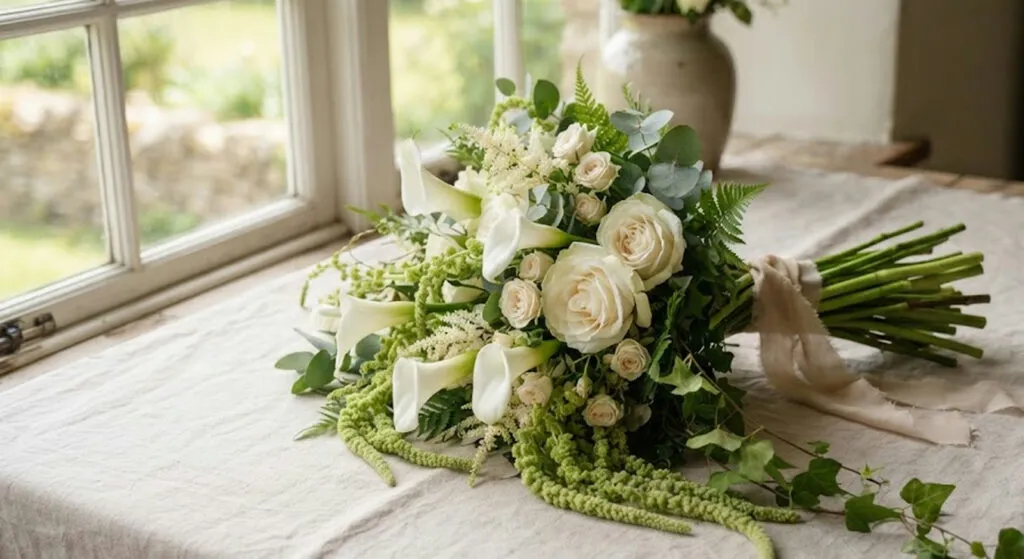
What changes the picture most is not the number of flowers, but the length of the stems. One bride put...
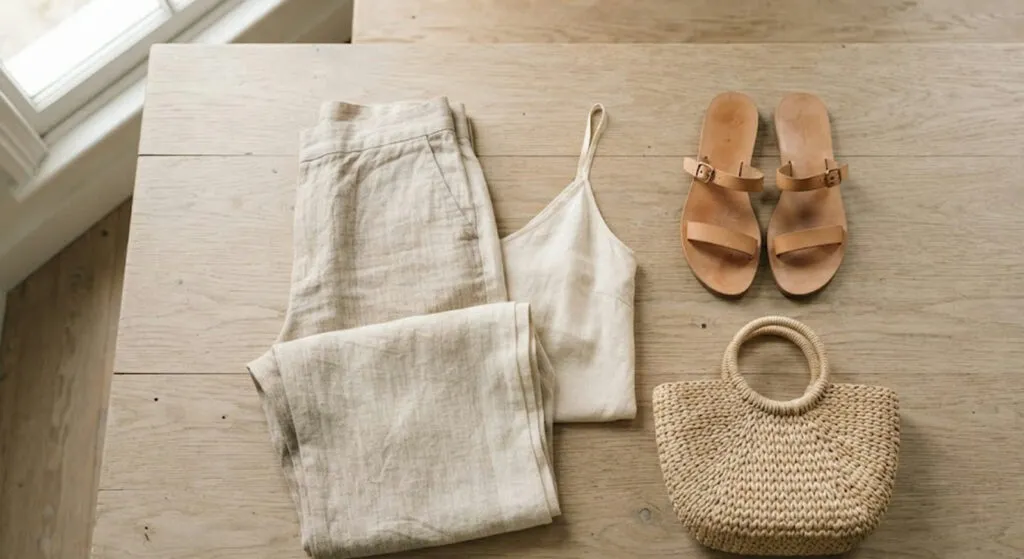
The creasing isn't a defect in the product, it's its signature. The industry sells the difference between seven looks and...
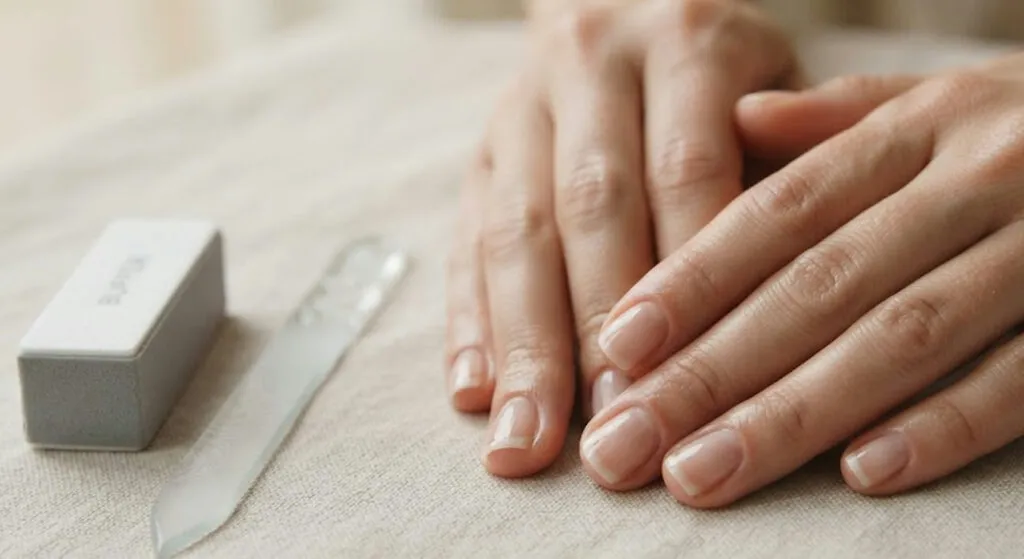
Nothing is glued on and nothing is built up. For the price of one gel application you buy a bottle...
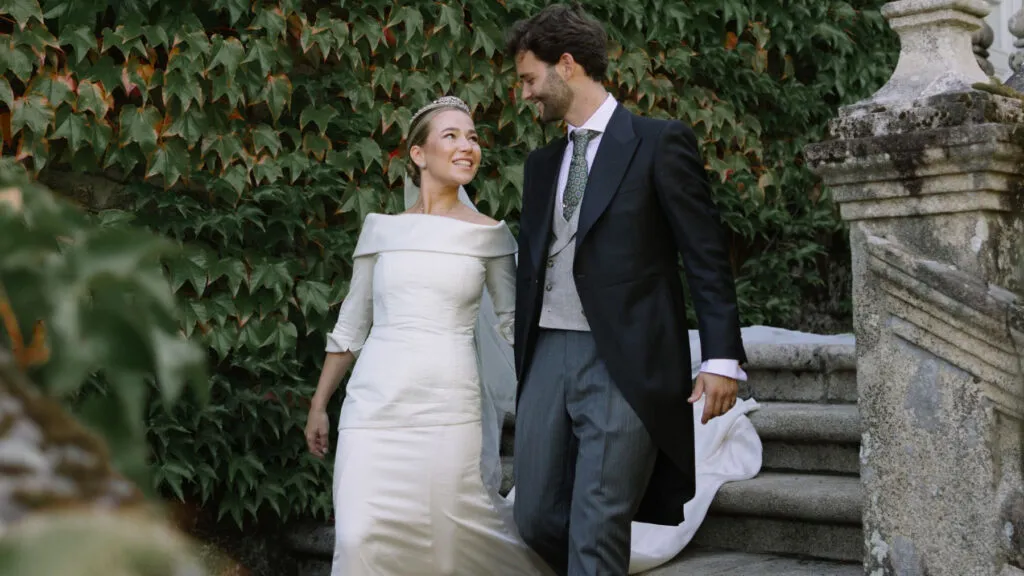
Ivory wild silk, a tiara made in three weeks and seven years of letters read out loud instead of a...
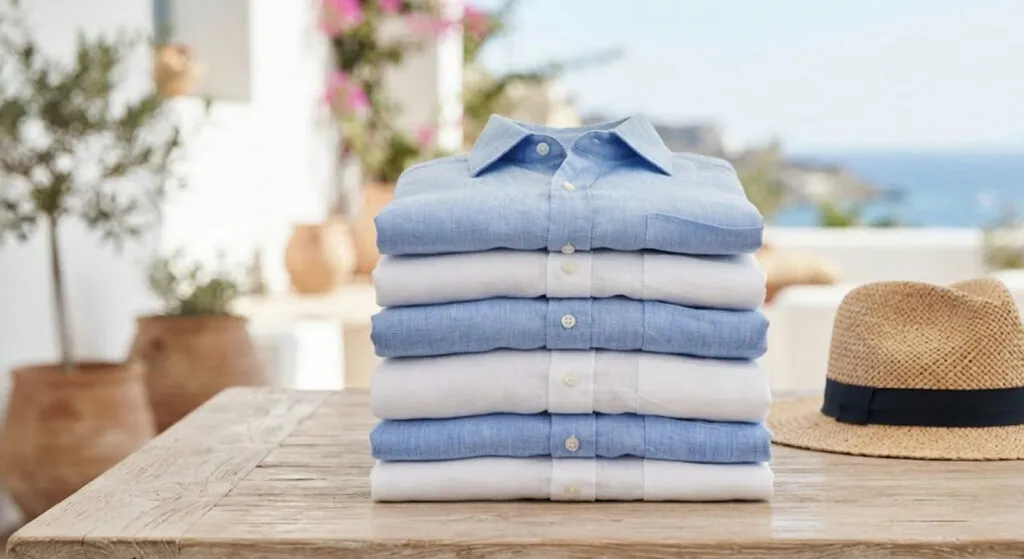
Four pockets, two pleats and no belt. The guayabera was cut for working in the heat, and now retailers say...
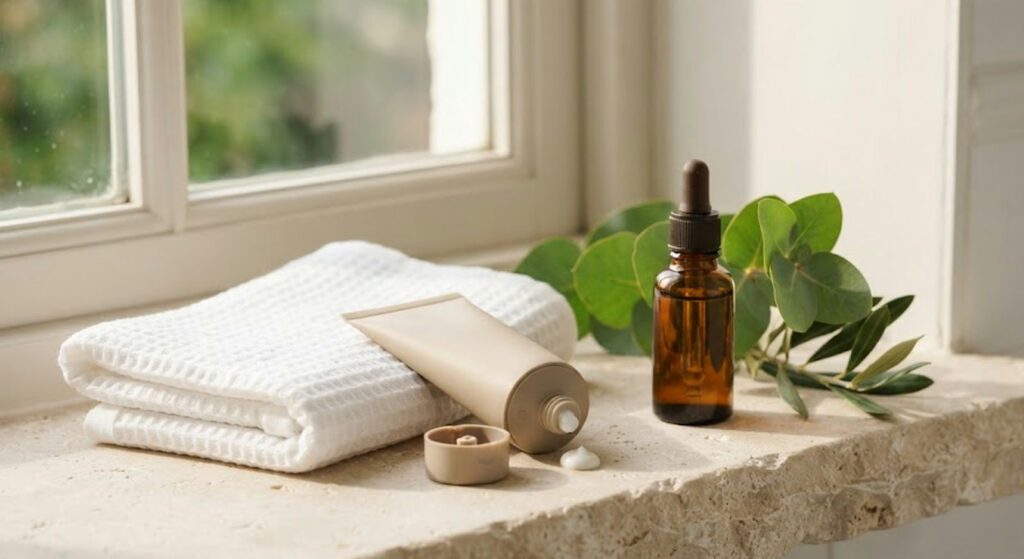
None of these five steps requires new cosmetics or any money spent. They only require you to stop assuming your...
This site uses cookies - is that okay? Learn more
Be the first to know when Metla launches something new
Leave your email and we will write when there is a new guide or something new on Metla.