
Officer Struck a Handcuffed Man by the Fountain: The Ministry Reported Its Own, but Three Months Later
09.08.2026


09.08.2026

09.08.2026

09.08.2026

09.08.2026

09.08.2026

09.08.2026

09.08.2026

08.08.2026

07.08.2026

09.08.2026

09.08.2026

08.08.2026

09.08.2026

09.08.2026

09.08.2026

09.08.2026

08.08.2026

07.08.2026

09.08.2026

09.08.2026

09.08.2026

09.08.2026

08.08.2026
08.08.2026

09.03.2026

27.02.2026

19.02.2026

08.08.2026

07.08.2026

06.08.2026

23.04.2026

23.04.2026

12.04.2026
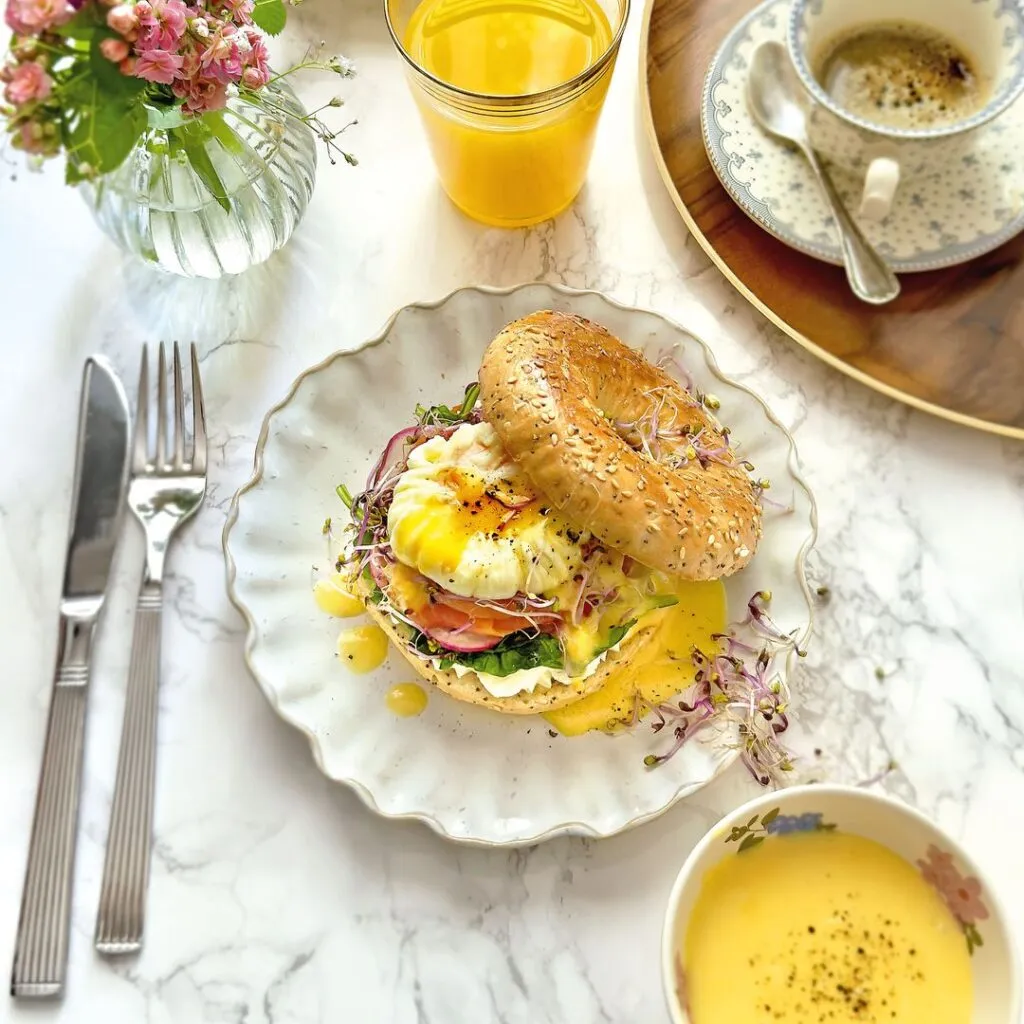
Brunch is one of those things still treated around here as an invention for city cafés - a breakfast that starts too late for breakfast and too early for lunch. In fact it is the only meal not tied to a schedule, and that is entirely the point of it.
The three classics that recur wherever brunch exists are croque-madame, shakshuka and eggs Benedict. None of the three requires mastery, but all three fail the same way - through impatience.
Croque-madame is a French ham and cheese sandwich with béchamel, baked and topped with a fried egg. For two servings you need four thick slices of toasting bread, four slices of ham, 120 grams of grated Comté or Gruyère, 120 grams of béchamel and two eggs. The béchamel is spread thinly on the bread, the ham and cheese go inside, the sandwich is fried in butter until golden on both sides, then placed in a dish with the remaining béchamel and cheese and baked at 200 degrees for ten to twelve minutes. The egg is fried separately and goes on top. The name comes from the egg on top resembling the women's hats popular in France in the early twentieth century.
Shakshuka is cheaper, faster and more forgiving if you get it wrong. For three servings: two tablespoons of olive oil, two finely chopped shallots, two cloves of garlic, 400 grams of good passata, a tablespoon of tomato paste, a teaspoon of paprika, half a teaspoon of cumin, a little chilli, 70 grams of peas, 60 grams of feta and three eggs. The shallots fry for six minutes, the garlic for one, then the tomato goes in and simmers for fifteen minutes until it thickens. Three wells are made in the sauce, the eggs are cracked into them, then covered and cooked for five to six minutes - whites set, yolks still creamy. The name in Arabic dialect means „mixture”, and the dish is native to Israel, Tunisia and Morocco. If the sauce thickens too much before the eggs, add hot water.
Eggs Benedict are the only ones that demand real technique, and that is because of the hollandaise. The base is two seeded bagels, 120 grams of smoked salmon, fresh spinach, thinly sliced radishes and two poached eggs. The sauce is made from two yolks, 80 grams of clarified butter, a teaspoon of lemon juice and a teaspoon of hot water, in a bowl over warm - not boiling - water, whisked constantly. The trick for poaching without disaster: crack the egg into a small cup lined with oiled cling film, tie it like a pouch and cook for four minutes in barely simmering water.
The shared lesson of all three recipes is the same and it is not culinary: they all fail on temperature and on patience, not on ingredients. Béchamel wants heat, shakshuka wants time, hollandaise wants a hand that does not rush. None of that can be bought.
The latest 10 news from this category

Two steps decide everything - the marinade is not rinsed off, and after frying the fish goes on a rack,...
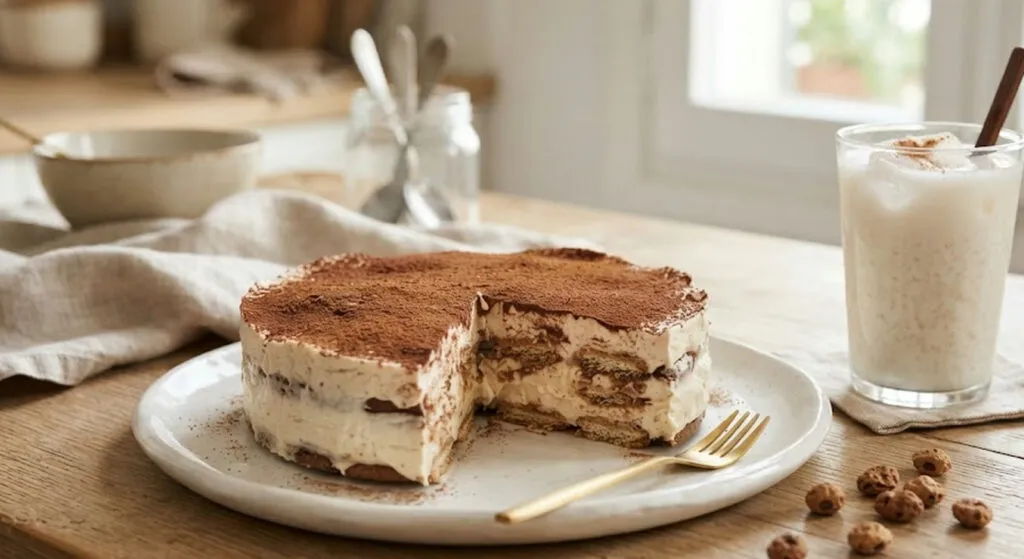
The hardest part is waiting eight hours without opening the fridge. And not holding the sponge fingers in for more...
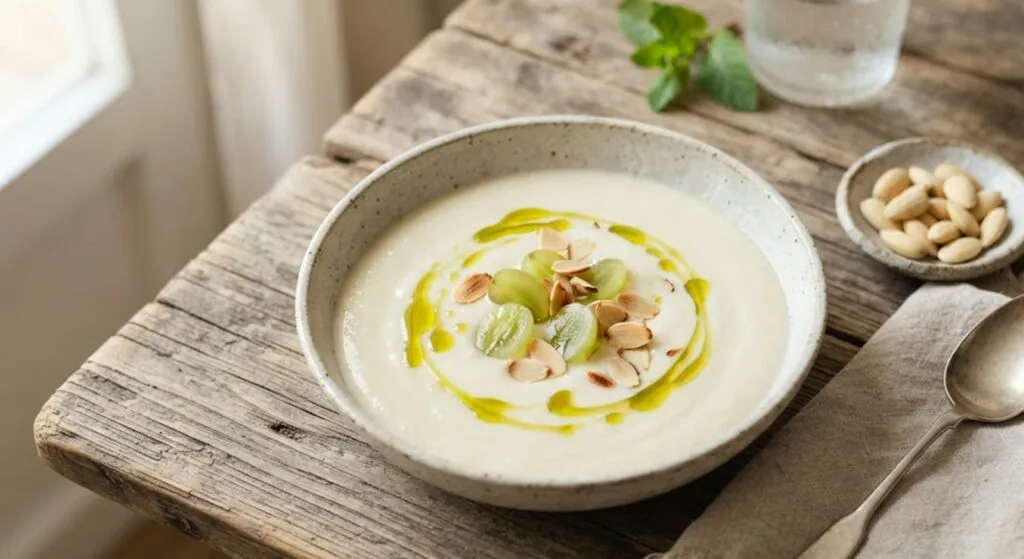
Almonds, bread and garlic - a technique from al-Andalus that survived seven centuries. Gazpacho and salmorejo are the younger versions.

Cazón en adobo was not invented for pleasure but out of necessity - vinegar was the only refrigerator. The full...
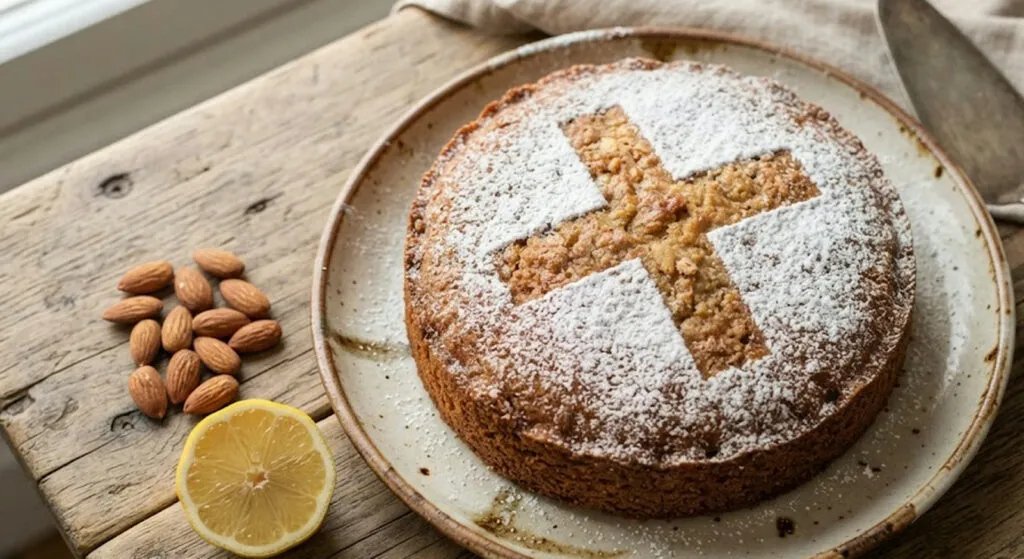
33 percent almond, 33 percent sugar, 25 percent egg - written into a protected designation. And the cross everyone takes...
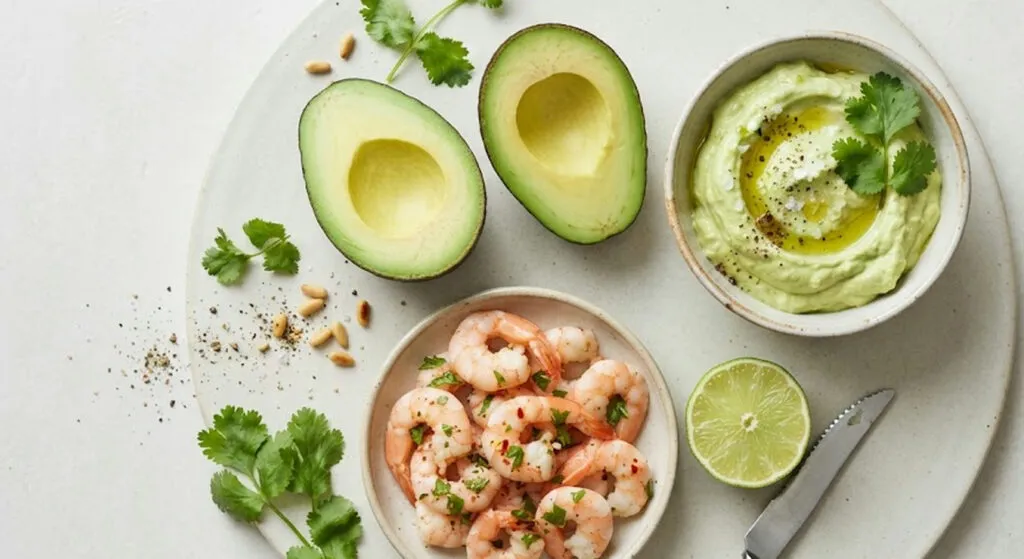
Whipped, it behaves like cream without being cream. A stoned half is a bowl, not a garnish - and none...
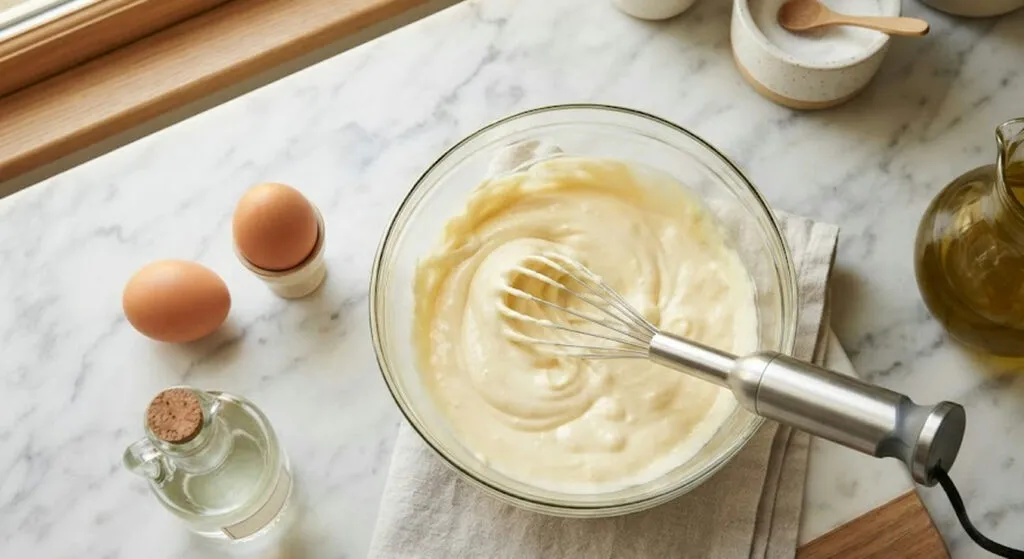
Dani García reduces the whole question to three things - stability, body and acidity. The ingredient almost nobody adds is...
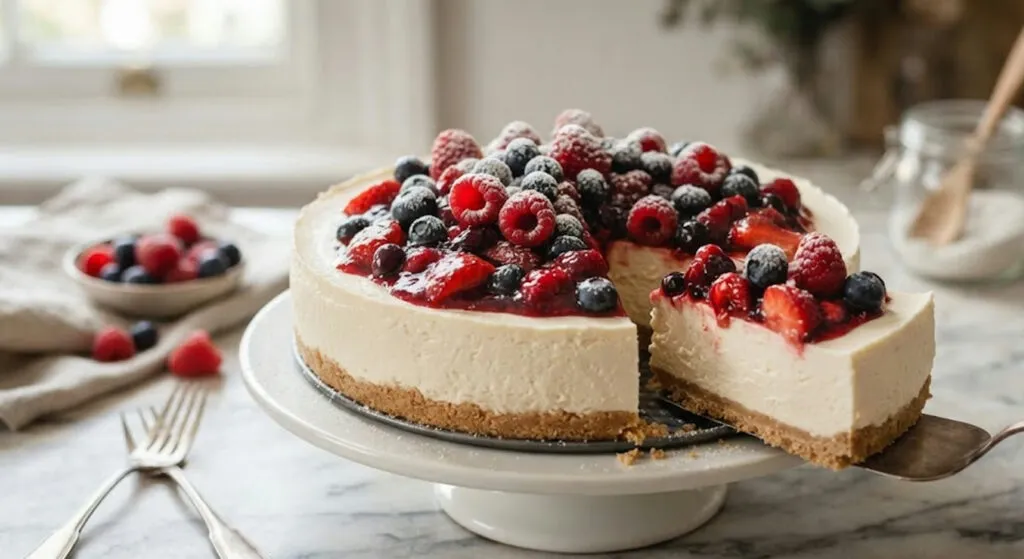
Three versions, one tin and six hours of setting. A cake you cut after three hours is not a finished...
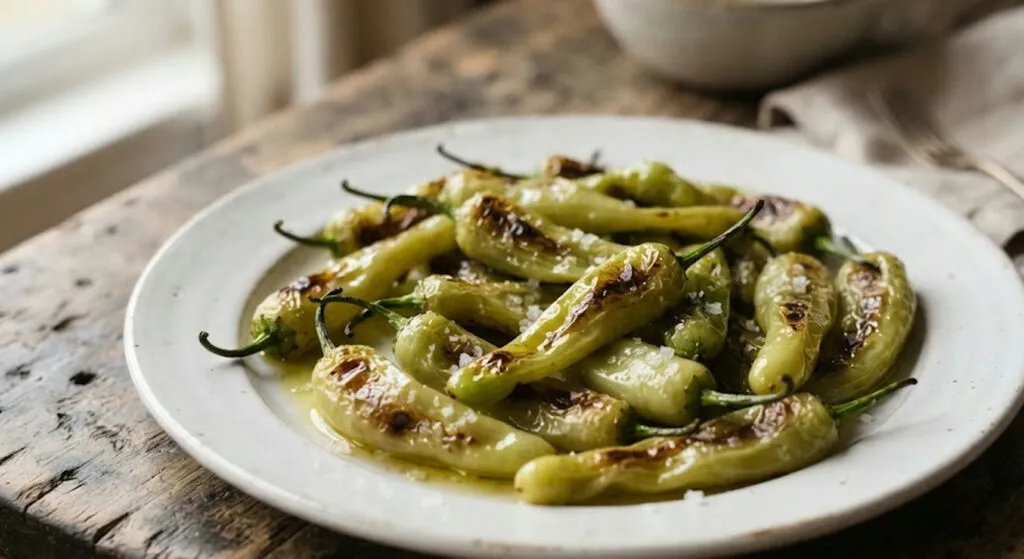
Thin skin, almost no heat and a protected mark that lifts the price. And the most common frying mistake is...
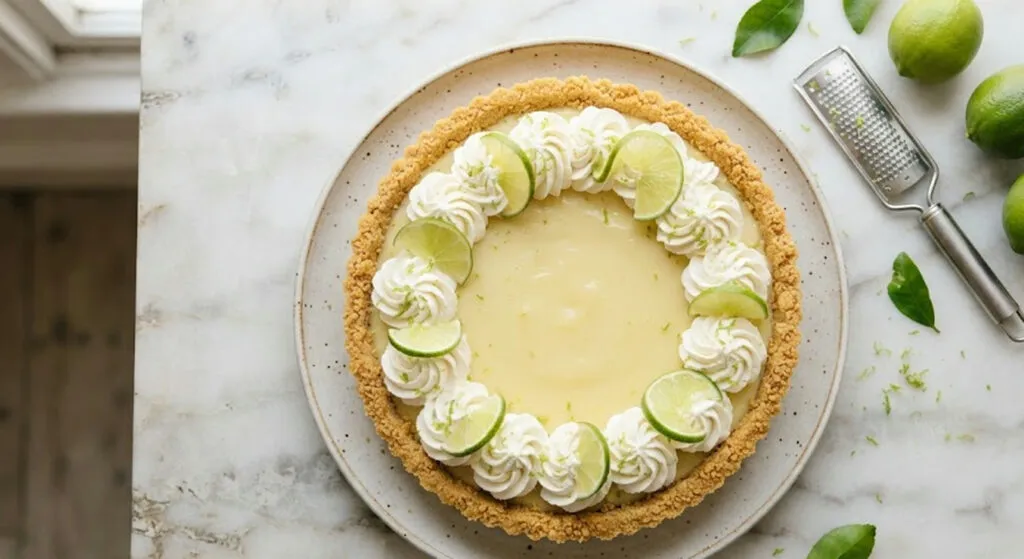
The acid thickens the filling in the bowl, before the oven. Which is why every extra stir ruins the texture.
This site uses cookies - is that okay? Learn more
Be the first to know when Metla launches something new
Leave your email and we will write when there is a new guide or something new on Metla.