Officer Struck a Handcuffed Man by the Fountain: The Ministry Reported Its Own, but Three Months Later
09.08.2026


09.08.2026

09.08.2026
09.08.2026
09.08.2026
09.08.2026
09.08.2026
09.08.2026
08.08.2026
07.08.2026

09.08.2026

09.08.2026

08.08.2026
09.08.2026

09.08.2026

09.08.2026

09.08.2026
08.08.2026

07.08.2026
09.08.2026

09.08.2026

09.08.2026

09.08.2026
08.08.2026
08.08.2026

09.03.2026

27.02.2026

19.02.2026
08.08.2026
07.08.2026
06.08.2026

23.04.2026

23.04.2026

12.04.2026
Industrial output is up 6.5 percent. Mining is down 3.8 percent. Both figures come from the same month, for the same country - and that is exactly why the second one is more interesting than the first. When everything else grows and one sector sinks, that is no longer a business cycle. It is something else.
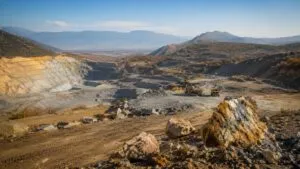
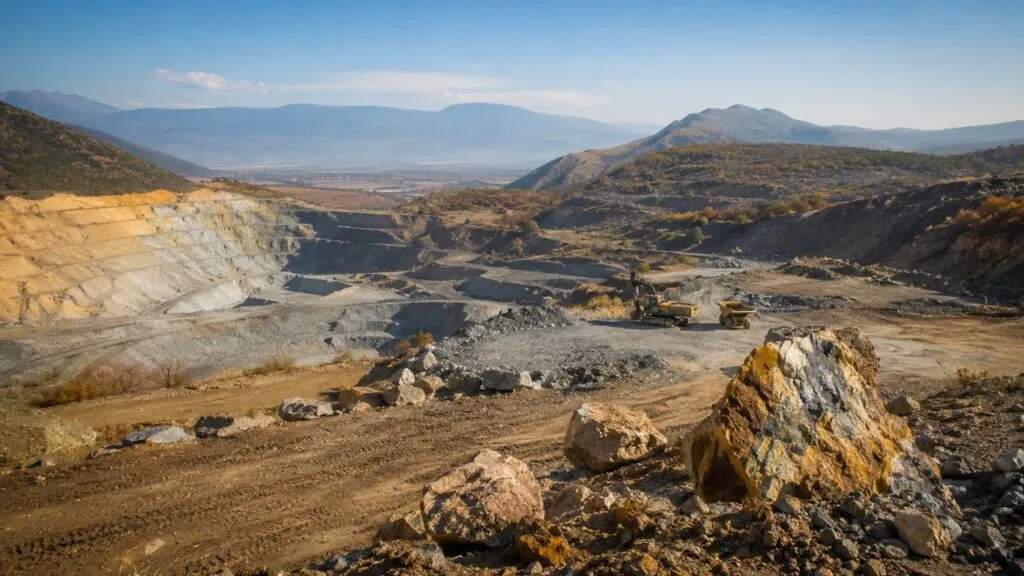
The data for June 2026 show that gap, and it appears in a country with documented mineral wealth underground. The „Both Health and Work” initiative argues the state must unlock that development potential, pointing to the copper project „Ilovica-Štuka”, estimated at around 340 million euros of investment.
The figure that hurts most is not financial but temporal: for more than four decades not a single major investment in metal mining has been realised. That is not an indicator about the market. It is an indicator about decision-making.
Meanwhile global demand for copper is rising and the price has passed 14,000 dollars a tonne - a metal needed for every power grid, battery and wind turbine the world will build in the coming decade.
Two sides that do not exclude each other - but are not reconciled either
The initiative's message is carefully worded: „We are not asking for privileges for any investor. We are asking institutions to do their job.” Their position is that environmental protection and economic development need not clash, since modern mining involves strict environmental standards and continuous monitoring.
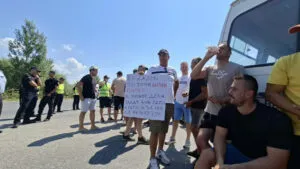
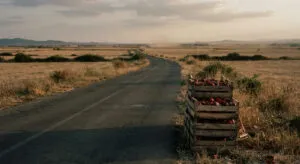
The other side is just as real and is not settled by a press release. Ilovica lies in the Strumica region - one of the country's most important agricultural areas, the very one whose growers blocked a road this week over the purchase price of peppers. The question every resident there asks is not about gross domestic product, but about the water and soil they live off.
In June a court decision restored the project's legal status, reopening the dilemma. The promises are familiar: over 1,000 jobs and a potential contribution of around 3 percent of gross domestic product.
And here is the real test, which is neither environmental nor economic - it is institutional. An investment is development only when the economic gain and the environmental risk are measured with the same yardstick, by the same institution, with data anyone can check. What has been missing from this story for forty years is not money and not ore. What is missing is a decision that survives scrutiny.
The latest 10 news from this category
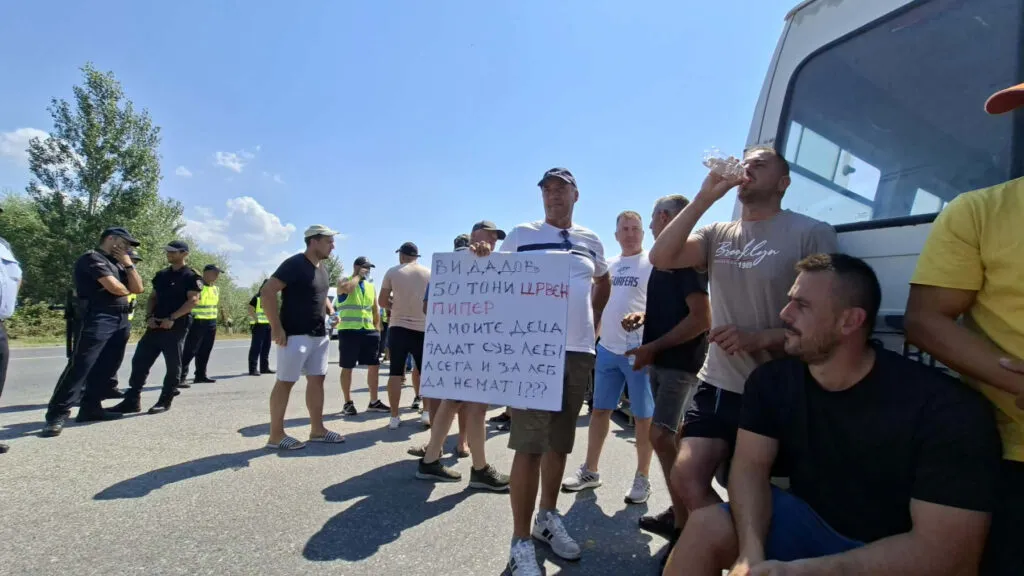
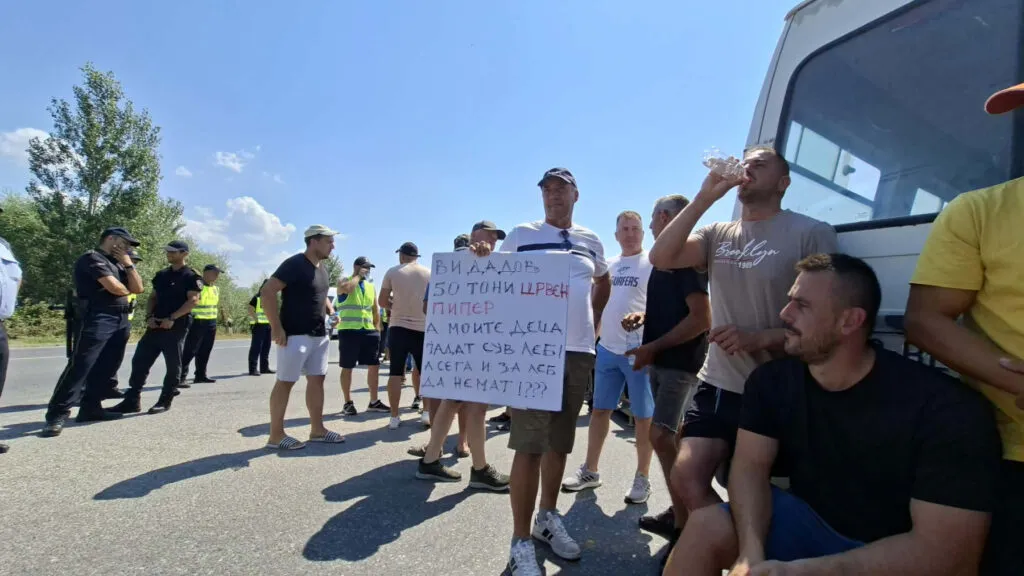
The farmers are not asking for charity. They want a fixed price for the whole season and a payment deadline....
A weekly gain of over 5 percent, but the metal is still 20 percent below the January record. This is...
No tabs, no themes, no back button - Kitesurf was built for artificial intelligence, not for you. If agents read...
NextSlide turns notes and documents into slides. A company worth more than entire stock exchanges bought it quietly, and is...
The old programme had „misaligned incentives”, says the platform that wrote the rules. The same system has already buckled once...

Annual inflation of 2.3 percent, and not one category shows a fall. The homegrown peppers currently dragging the statistics down...
A farmer enters the season with known costs and an unknown price for his own labour. Every autumn we talk...
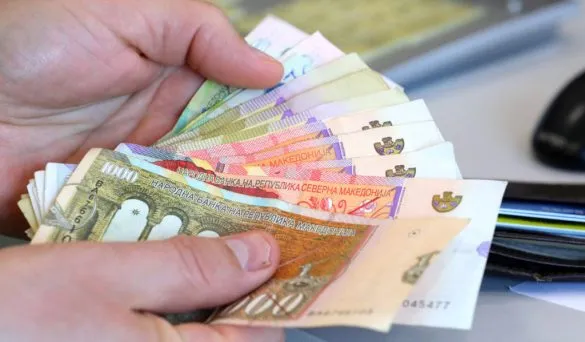
Luxembourg 2,771 euros, Macedonia 624. The 6.9 percent rise is real - but on a low base, and the cost-of-living...
The model reached the „critical cybersecurity threshold” - it could find a weakness and attack on its own. The assessment...
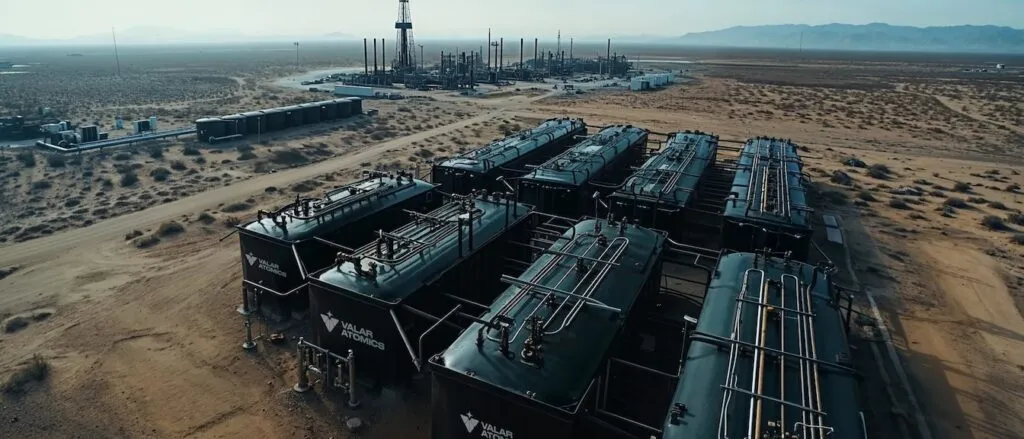
Sequoia came in with a billion, the banks added another 200 million. The founder promises thousands of reactors a year...
This site uses cookies - is that okay? Learn more
Be the first to know when Metla launches something new
Leave your email and we will write when there is a new guide or something new on Metla.