
Officer Struck a Handcuffed Man by the Fountain: The Ministry Reported Its Own, but Three Months Later
09.08.2026


09.08.2026

09.08.2026

09.08.2026

09.08.2026

09.08.2026

09.08.2026

09.08.2026

08.08.2026

07.08.2026
09.08.2026

09.08.2026

08.08.2026
09.08.2026
09.08.2026
09.08.2026

09.08.2026

08.08.2026

07.08.2026
09.08.2026

09.08.2026

09.08.2026

09.08.2026
08.08.2026
08.08.2026

09.03.2026

27.02.2026

19.02.2026
08.08.2026
07.08.2026
06.08.2026

23.04.2026

23.04.2026

12.04.2026
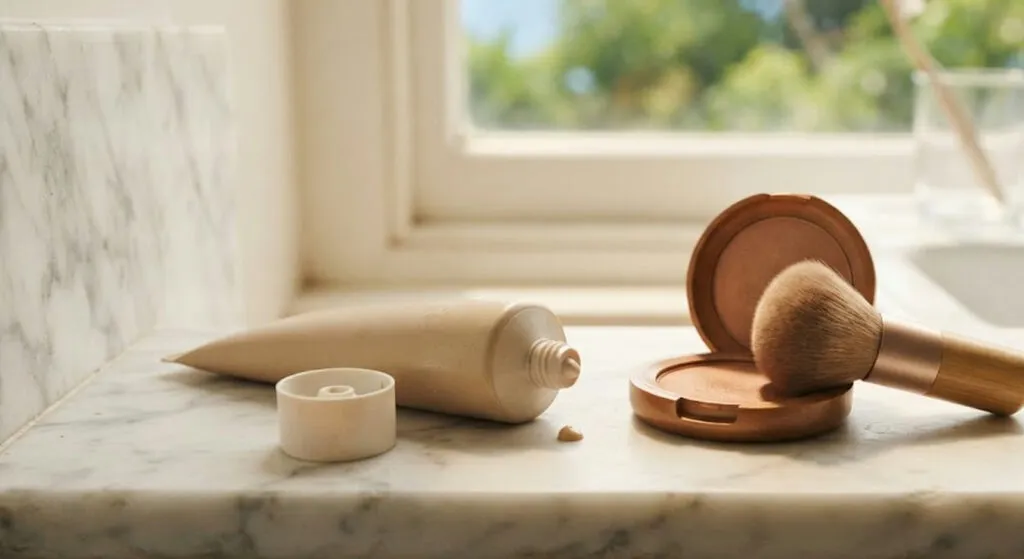
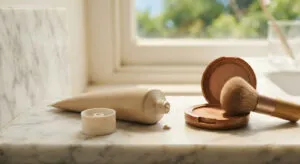
This summer the internet was taken over by the Australian make-up look - light skin with a warm tone, visible freckles, blush concentrated on the nose and cheekbones, bronzer instead of contouring and a glossy lip. The effect of having spent an afternoon at the beach. The problem is not the look. The problem is one step the tutorials present as a hack.
That step is mixing sunscreen with liquid blush, bronzer or foundation, right on the palm, before applying. Dermatologists reject it outright. Dr Cristina García Millán, medical director of a clinic in Madrid, explains why: „The effectiveness of sunscreen depends largely on the quantity we apply, and when we use too little, the actual protection drops significantly.”
Mixing makes two things uncertain at once - the concentration of the protective filter in the blend, and the amount that actually reaches the face. And the SPF written on the bottle means something only if the product is applied in the quantity it was tested at.
The correct order is boring, which is exactly why nobody films it: sunscreen SPF 50 or higher first, wait a few minutes for it to absorb, then light make-up. Jordi Hustribó, a professional make-up artist and co-owner of a beauty studio, says the same from the other side of the counter - the base of every routine remains sunscreen applied properly and in sufficient quantity. Mixing, he adds, changes the texture, shortens wear time and ruins the result. So it neither protects nor looks better.
Make-up with SPF can supplement, but it cannot replace. And reapplying every two hours while exposed still stands - including the neck, ears, décolletage and hands, the places routinely forgotten.
For anyone who does not want to add steps, there are tinted sunscreens, SPF sticks and refresher sprays for use over make-up. García Millán recommends tinted formulas especially for people prone to pigmentation, since some contain iron oxides that also protect against visible light.
The irony of the whole story is where the trend comes from. Australia has one of the highest skin cancer rates in the world, and that is exactly why sun protection there is part of daily life, not a summer topic. The look the world is copying was invented in a country that learned what the original costs.
The latest 10 news from this category
While other European courts fill front pages with luxury houses, the Spanish court is deliberately going the opposite way. The...
A seven-metre train and 1,200 guests at one, lace instead of white at another. Every detail was counted - the...
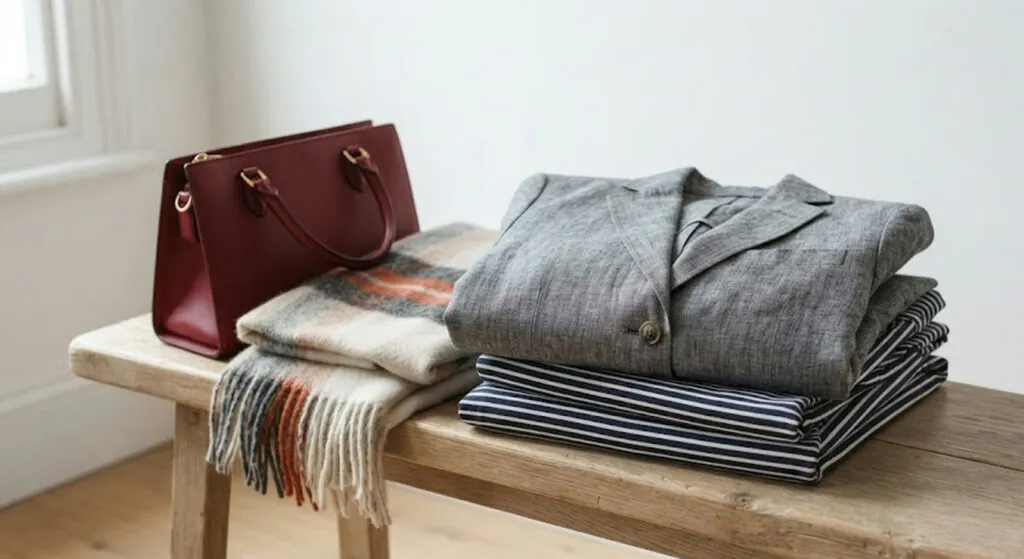
Grey takes over the role of the neutral, and fringing is back via scarves tied around the waist. The question...
The list dermatologists recommend alongside the cream is free and sits in every market. Nothing on it costs forty euros.
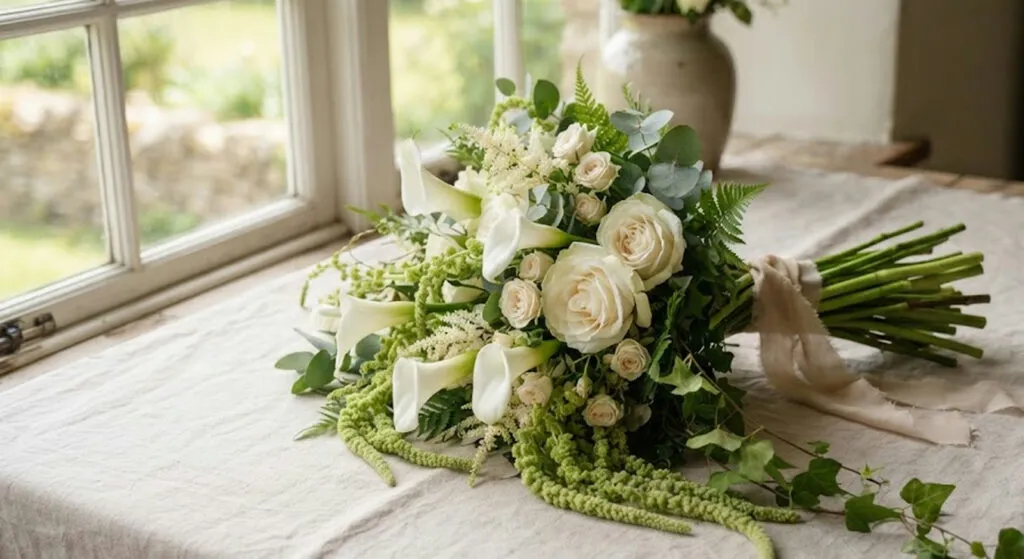
What changes the picture most is not the number of flowers, but the length of the stems. One bride put...
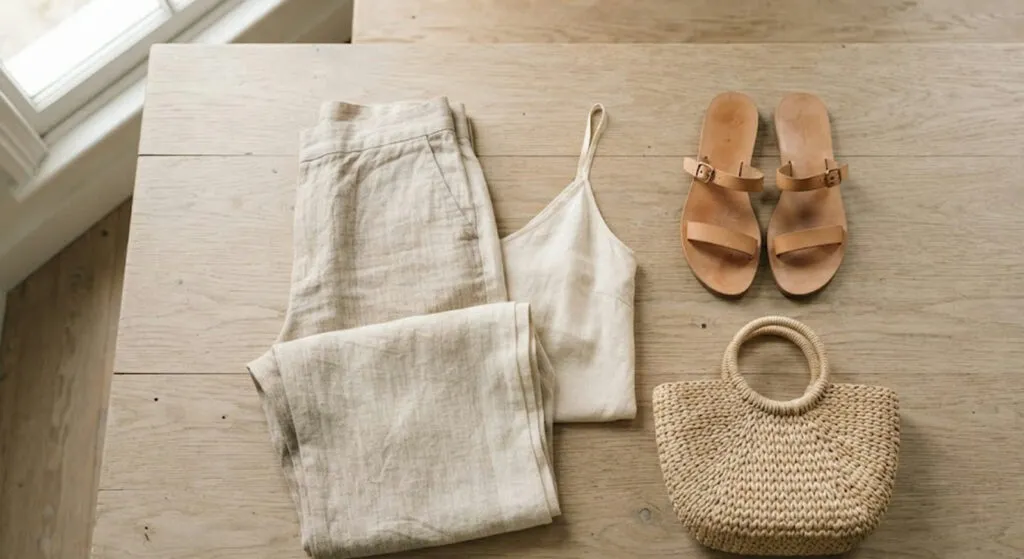
The creasing isn't a defect in the product, it's its signature. The industry sells the difference between seven looks and...
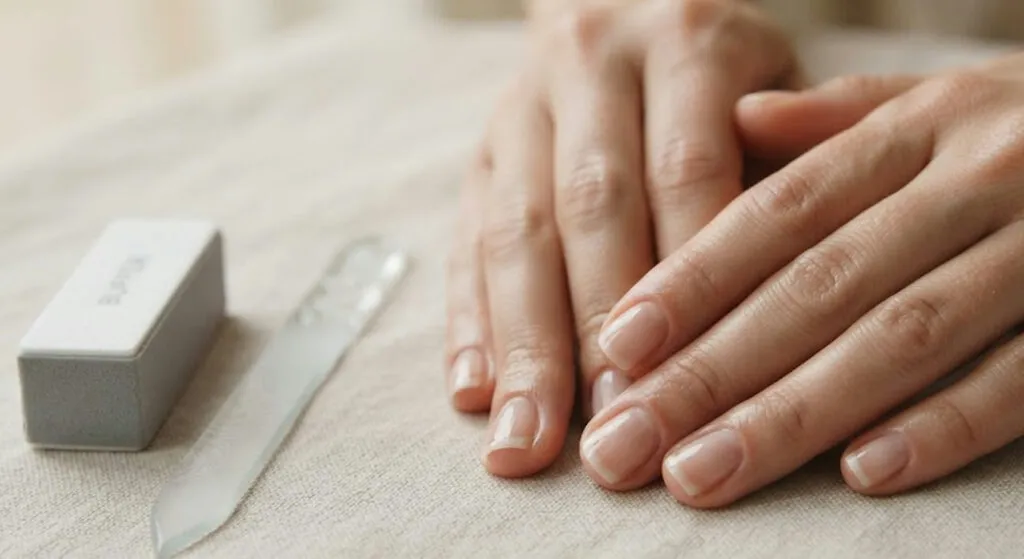
Nothing is glued on and nothing is built up. For the price of one gel application you buy a bottle...
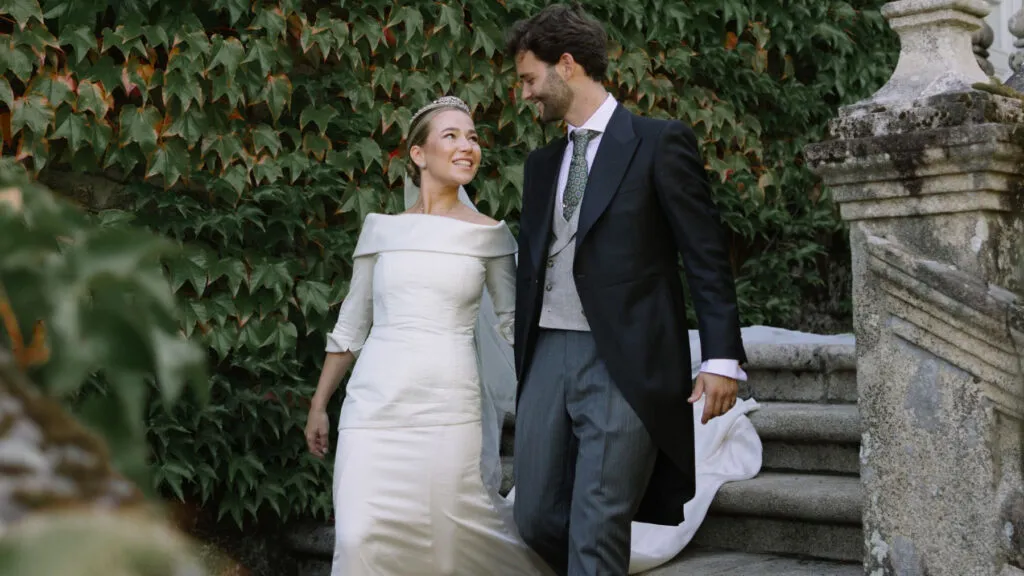
Ivory wild silk, a tiara made in three weeks and seven years of letters read out loud instead of a...
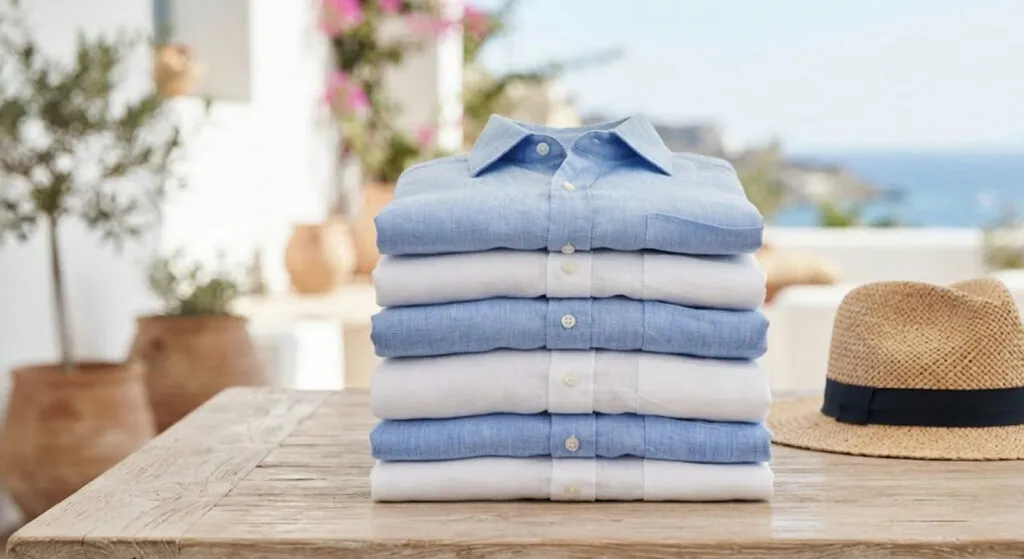
Four pockets, two pleats and no belt. The guayabera was cut for working in the heat, and now retailers say...
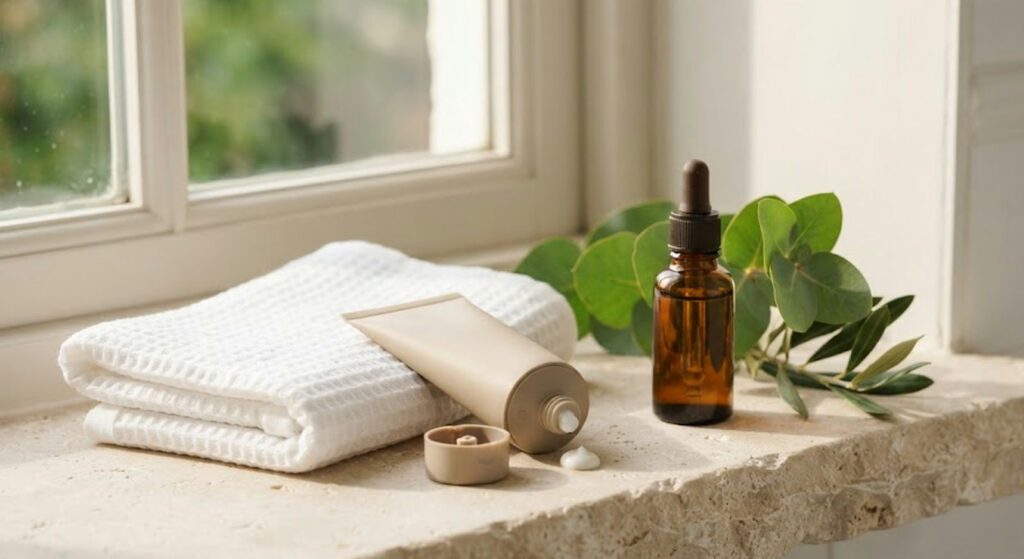
None of these five steps requires new cosmetics or any money spent. They only require you to stop assuming your...
This site uses cookies - is that okay? Learn more
Be the first to know when Metla launches something new
Leave your email and we will write when there is a new guide or something new on Metla.